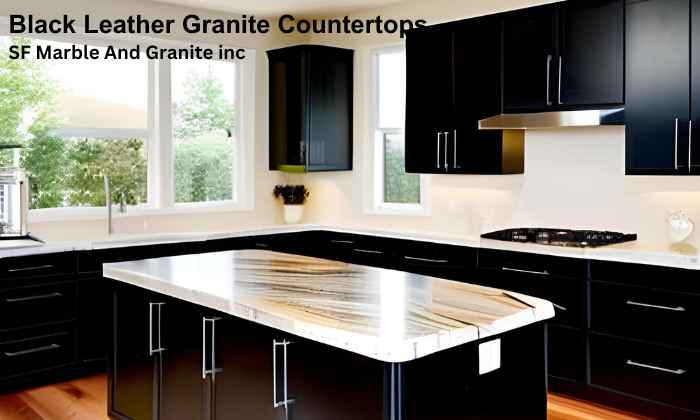
Leather Granite Countertops | Everything You Need to Know Leather granite countertops have become a popular choice for homeowners looking to enhance the aesthetics and functionality of their kitchens or bathrooms. This unique finish brings a combination of visual appeal, texture, and durability, making it stand out from other granite finishes like polished or honed. Whether you’re seeking a modern or rustic look, leathered granite can complement various design styles while offering practical benefits. In this comprehensive guide, we will explore everything you need to know about leather granite countertop, from their unique features and pros to potential downsides and design ideas. What is Leathered Granite? Leathered granite is a type of granite surface that has been processed to create a textured, matte finish. Unlike the smooth and glossy appearance of polished granite, leathered granite has a subtle texture that adds depth and tactile appeal. This finish is achieved by brushing the surface with diamond-tipped brushes, creating a finish that lies somewhere between polished and honed granite. The leathered finish enhances the stone’s natural patterns and colors, offering a unique look that can’t be replicated with polished or honed finishes. Additionally, it provides a more subdued, natural appearance while still highlighting the beauty of the granite slab. Black leather granite countertops, in particular, showcase rich, dark tones with a sophisticated texture that can complement various design styles, making them an excellent choice for kitchens and bathrooms. Pros of Leather Granite Countertops Unique Texture One of the standout features of leather granite countertops is their distinctive texture. The subtle yet noticeable texture adds a tactile element to your kitchen or bathroom, making the countertop not only visually appealing but also pleasant to the touch. The textured surface creates visual depth, making leathered granite perfect for those who want a surface that feels luxurious and unique. Durability Granite is already known for its durability, but the leather finish can further enhance this quality. The leathered surface makes granite even more resistant to scratches, chips, and general wear and tear. This durability ensures that leather granite countertops can last for many years, even in high-traffic areas like kitchens. Low Maintenance Leather granite countertops are low maintenance, particularly compared to polished surfaces. The textured finish is more resistant to fingerprints, smudges, and water spots, making it ideal for homeowners who want a surface that stays cleaner longer. The leathered finish also minimizes the need for constant wiping and cleaning. Stain and Scratch Resistance The leather finish makes granite less porous than its honed counterpart, offering greater stain and scratch resistance. This characteristic is especially important for kitchen countertops, where spills and heavy use are common. Thanks to its reduced porosity, leathered granite is less likely to absorb stains, making it a practical choice for those who want a durable and low-maintenance surface. Aesthetic Versatility Leather granite countertops are aesthetically versatile, blending seamlessly with both modern and rustic design styles. The textured finish can add a rugged, natural look to your space, while the rich colors and patterns of the granite itself can complement sleek, contemporary kitchens or bathrooms. Whether you’re looking to create a cozy, rustic environment or a chic, modern space, leathered granite can adapt to your design vision. Cons of Leather Granite Countertops Cost One of the main downsides of leather granite countertops is the cost. The specialized finishing process makes leathered granite more expensive than traditional polished or honed granite surfaces. Depending on the color, rarity, and quality of the granite slab, leather granite countertops prices can vary significantly. However, the added cost is often justified by the enhanced durability and unique texture. Availability While leather granite countertops offer a distinct look, they may have limited color and style options compared to polished or honed granite. The availability of leathered granite colors largely depends on the stone itself, and some granite varieties may not be suitable for the leathering process. This means that homeowners may have fewer choices when it comes to selecting the perfect granite slab for their kitchen or bathroom. Potential for Dust Accumulation The textured surface of leather granite countertops can sometimes trap dust, crumbs, and other debris. While this doesn’t make the surface difficult to clean, it does require more attention compared to the smooth surface of polished granite. Regular cleaning is essential to keep your countertops looking their best. Design Ideas for Leather Granite Countertops Leather granite countertops come in a variety of colors and patterns, allowing homeowners to choose the perfect look for their space. Here are some popular design ideas: Titanium Gold Titanium Gold is a stunning granite featuring a mix of gold, black, and white tones. This unique blend creates a luxurious and bold appearance, perfect for making a statement in any kitchen or bathroom. The gold veins add warmth, while the black and white provide contrast and sophistication. Its natural patterns ensure that no two slabs are alike, giving countertops a personalized, high-end feel. Durable and heat-resistant, Titanium Gold granite is not only visually appealing but also practical for everyday use, making it an ideal choice for those seeking elegance and functionality. Blue Fantasy Blue Fantasy leathered granite is a striking choice for those seeking a bold, unique design. Its beautiful blend of blue, grey, and white veining adds character and elegance to any space, making it ideal for modern kitchens. The leathered finish provides a soft, textured feel, enhancing its visual appeal while offering durability and low maintenance. This distinctive granite brings a sophisticated yet contemporary look, making it a popular option for homeowners wanting to make a statement with their countertops or kitchen islands. Its versatility complements various design styles, from sleek minimalist to rustic charm. Brown and Black Hues Brown and black hues bring a rich, earthy warmth to kitchen designs, making them perfect for rustic or traditional styles. These tones create a cozy, inviting atmosphere while adding depth and character to the space. Brown shades evoke a natural, organic feel, while black introduces sophistication and