If you’re in a tile showroom at this very moment and feeling overwhelmed, you are not alone. Most come in hoping for a floor that won’t crack in five years and walls that don’t scream “1998” and leave more bewildered than when they arrived. Gotcha. There are hundreds of finishes, sizes and pricing points, and no one explains what really important until you’ve already paid for the wrong batch.
My promise to you? By the end of this you’ll know exactly what makes a good bathroom tile and what makes a bad one. And you won’t need a design degree to figure it out. There are really three criteria to consider when choosing the right ceramic tile for your bathroom. How the tile deals with water, how the tile deals with feet and how the tile looks after five years of daily use. I’ll walk you through the difference between ceramic and porcelain, what installation actually costs, the mistakes that get expensive fast, and how to keep your tile looking sharp long after the grout dries. Quick answer for anyone in a hurry: pick a glazed ceramic tile with a slip rating suited to wet floors, size it to your room (smaller tiles for showers, larger for open floors), and budget for professional installation if your layout has any curves or drains.
Ceramic vs Porcelain Tiles: Know the Difference First
Porcelain and ceramic are both clay based tiles but porcelain is fired at a higher temperature and pressed harder making it denser and less likely to absorb water. Ceramics are softer, easier to cut and generally much cheaper. Both will do well in most home bathrooms, but your choice will depend on where you are putting the tile, and how much moisture that area is exposed to.
Porcelain is more water resistant than ceramic (less than 0.5% absorption vs 3% to 7%) therefore it scores on wet flooring and shower pans. That divide matters more than people realize. Over the years, water-absorbent tile might develop concealed cracks, or moisture can get into the subfloor.
Ceramic holds up in low-traffic walls and floors, where the contact with water is brief, and drainage does the bulk of the work. It’s also softer, so it cuts cleaner around outlets, corners and the edges of vanities. If your contractor is doing a lot of custom cuts, ceramic tile can save time and labor costs.
One thing to know: “ceramic” is commonly a catch-all term in showrooms, referring to both real ceramic and porcelain. ask them which one they’re looking at. Now a five second question prevents going back later.
The Beauty of Ceramic Tiles
The reputation of ceramic tile is well deserved. It takes color, pattern and texture better than practically any flooring material. This is exactly what people want when they’re looking for the best ceramic tiles for bathroom projects: a wide variety of finishes at a price that will not mean compromise elsewhere in the remodel. Glazed ceramic can resemble marble, wood grain, concrete or hand-painted Spanish tile, typically at a third of the price of the actual thing. This range allows you to design without blowing your budget.
Matte finishes are a favorite for modern bathrooms as they are better at hiding water marks and soap scum than gloss. However, you may still get away with a glossy finish, particularly in small bathrooms where a reflecting surface will throw light throughout the room and make it appear larger. Three types are seen most in modern bathroom renovations: subway tile, hexagon mosaics and large-format planks.
Color choice is more than looks. Light tiles with warm undertones tend to age well and photograph well should you ever sell the house. Dark tile hides grime but displays every water stain and hair so consider how often you want to clean it.
Ceramic Bathroom Tiles: Floors vs. Walls
Not every ceramic tile belongs on the floor, and not every floor tile belongs on the wall. Bathroom floor ceramic tiles need a higher slip resistance rating, since bare feet and water are a constant combination. Look for a coefficient of friction rating (often listed as DCOF) of 0.42 or higher for wet areas.
Bathroom wall ceramic tiles carry a different job. They don’t need slip resistance, but they do need to handle steam, temperature swings, and constant contact with cleaning products. Thinner, lighter tiles work fine here since there’s no foot traffic to wear them down.
Mixing formats is common and it works well when done with intention. A textured, slip-rated tile on the floor paired with a glossy, patterned tile on the wall gives a bathroom depth without clashing. Just keep grout lines consistent in width so the transition between surfaces looks planned, not accidental.
Using Ceramic Tiles in Your Bathroom
Beyond floors and walls, ceramic tile shows up in shower niches, tub surrounds, and backsplashes behind vanities. Each of these spots has its own demands. A shower niche, for example, needs tile rated for constant water exposure and a grout sealed tightly enough to resist mold.
Tub surrounds benefit from larger tile formats because fewer grout lines mean less maintenance and a cleaner look. If you’re set on ceramic bathroom tiles for this area, ask your installer about waterproof backing board underneath. Skipping that step is one of the fastest ways to end up with hidden water damage behind the tile.
Vanity backsplashes are the lowest-stakes spot in the room, since they see minimal water. This is where you can take a risk on a bold pattern or color without worrying about long-term wear.
Installation Tips
Good installation is as important as good tiling. A carefully chosen, but poorly fitted tile will crack, fall loose or retain water within a few of years and no amount of sealant solves a faulty substrate.
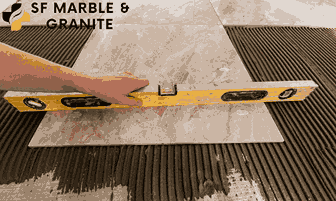
Start with the sub floor. Before laying any tile, it has to be flat, dry and stiff. Any movement in the floor will ultimately damage grout lines and in worse circumstances, the tile itself. If you have a bathroom on an upper floor, or an older subfloor, get it checked out before you pick a tile.
Most individuals don’t recognize the importance of the breadth and type of grout. Narrow grout lines seem cleaner, but are less forgiving of irregular edges on the tile. Epoxy grout is more expensive initially, but it’s much more resistant to stains and moisture than regular cement grout, which is a good idea in a space that gets daily water exposure.
And finally, don’t rush the cure time. Tile set today should not be fully wetted down until the manufacturer’s recommended cure time, usually 24 to 72 hours depending on the adhesive. Walk on it too soon and you pull up tiles before the adhesive forms and that is a repair that you might have avoided with just waiting two extra days.
What Ceramic Tile Actually Costs
Ceramic tile typically runs $1 to $7 per square foot for materials, with installation adding another $4 to $14 per square foot depending on your region and layout complexity. A standard 40 square foot bathroom floor, materials and labor combined, usually lands between $300 and $700 for a straightforward install.
Costs climb with pattern complexity. Herringbone, basketweave, or diagonal layouts take longer to lay and require more precise cuts, which shows up in the labor bill. Large-format tile, ironically, can cost less in labor since fewer pieces mean fewer cuts and less grout work.
Don’t forget the hidden costs: waterproofing membrane, backer board, grout sealer, and trim pieces like bullnose edges. These add up fast and rarely show up in a quick online estimate. When you’re choosing the right ceramic tiles for your bathroom, ask your contractor for a full line-item quote, not just a per-square-foot number.
Benefits of Ceramic Tiles
Ceramic holds up well against water when properly sealed, resists stains from soap and shampoo, and doesn’t fade under bathroom lighting the way some vinyl or laminate products do over time. It’s also one of the easier surfaces to clean, since it doesn’t hold onto odors or bacteria the way grout-heavy stone options can.
Cost is a real advantage too. Compared to natural stone or higher-end porcelain, ceramic gives you a similar look for less money, which matters if you’re tiling floor to ceiling or working with a tight renovation budget.
Ceramic is also low maintenance once sealed correctly. A weekly wipe-down and an occasional grout scrub is usually all it needs, no special cleaners or treatments required.
Mistakes That Cost Homeowners Money
The most common mistake is skipping the slip rating. A tile that looks great in a showroom can turn a bathroom floor into a hazard once it’s wet daily. Always check the DCOF rating before buying anything for a floor, especially if kids or older adults use that bathroom.
Another costly mistake: choosing tile size without thinking about grout lines. Smaller tiles mean more grout, and more grout means more cleaning and a higher chance of discoloration over time. If low maintenance matters to you, go larger where the layout allows it.
People also underestimate waterproofing. Tile is not waterproof on its own. Water finds its way through grout lines over time, and without a proper membrane underneath, that moisture reaches the subfloor and causes rot or mold you won’t see until it’s a real problem. This single oversight causes more bathroom repair calls than any other issue tied to tile.
Last, buying tile before measuring for overage is a common trip-up. Order 10% to 15% more than your square footage to cover cuts, breakage, and future repairs, since matching a discontinued tile years later is nearly impossible.
Keeping Ceramic Tile Looking New
Ceramic tile keeps its fresh look with weekly cleaning with a pH-neutral detergent, fast drying of standing water, and annual grout sealing in moist places like showers. Usually, it’s because one of these three processes was omitted. Tile that looked wonderful at installation can start looking weary within a few of years.
Stay away from vinegar based or very acidic grout cleaners, they will break down the sealer faster than plain old water. A soft brush is better than a hard scrubber that can scrape glazed surfaces over time and create dull spots that never buff out.
Water can seep into grout and discolour it or cause mould, so re-seal it annually in showers and around tubs. It takes around 20 minutes and costs less than $15 in sealer, a minor sum to pay compared to regrouting a full shower.
Picking the Right Grout Color
Grout color changes the whole look of a tile job, and it’s one of the most overlooked decisions in a bathroom renovation. Matching grout closely to the tile creates a calm, unified surface where the tile itself becomes the focus. Contrasting grout, on the other hand, highlights the pattern and layout, which works well with subway tile or geometric designs.
Light grout looks clean when new but shows dirt and mildew faster, especially on bathroom floors. Gray or mid-tone grout hides daily grime better and still looks intentional rather than dingy. If you’re set on white grout, plan on sealing it more often and cleaning it weekly rather than monthly.
One detail people miss: grout width itself affects durability, not just looks. Wider joints flex more, which helps on uneven substrates, while narrow joints need a nearly perfect subfloor to avoid cracking over time. Ask your installer which width fits your specific floor before locking in a design.
Conclusion
Ceramic tiles are an excellent choice for transforming your bathroom. Their durability, design versatility, and ease of maintenance make them a popular choice for homeowners. When it comes to quality ceramic tiles, SF Marble and Granite Inc.‘s shimmer white sparkle granite tiles are an ideal option. Enhance your bathroom’s aesthetics and value by choosing these stunning tiles.
To explore the beauty of ceramic tiles for your bathroom, get started with SF Marble and Granite Inc. today. Transform your bathroom into a luxurious space that you’ll enjoy for years to come.
FAQs
What’s the best ceramic tile for a small bathroom?
The best ceramic tile for a small bathroom is a large-format tile in a light, matte finish, ideally 12×24 or bigger, laid with minimal grout lines. Fewer visible seams make the floor read as one continuous surface, which tricks the eye into seeing more square footage than the room actually has.
Is ceramic tile slippery when wet?
Glossy glazed ceramic can be slippery when wet, especially on shower floors. Matte, textured, or mosaic ceramic tiles with a DCOF rating of 0.42 or higher are built to grip better underfoot and are the safer pick for any surface that gets consistently wet.
How long does ceramic tile last in a bathroom?
Ceramic tile in a bathroom typically lasts 20 to 30 years with proper installation and care. The tile itself often outlasts the grout, which usually needs resealing or occasional repair well before the tile shows any wear.
Can I install ceramic tile myself?
You can install ceramic tile yourself if you’re comfortable with basic tools and patient with prep work. The waterproofing and leveling steps are where most DIY jobs go wrong, so budget extra time there rather than rushing to the fun part of laying tile.
Ceramic or porcelain for a shower floor?
Porcelain is the better choice for a shower floor because it absorbs less water and holds up better under constant moisture. Ceramic still works if it’s rated for wet areas and paired with proper waterproofing underneath, but porcelain gives more of a margin for error over the tile’s lifetime.