New countertops can improve the appearance and functionality of your kitchen or bathroom, but proper care is important from the beginning. Knowing how to care for newly installed countertops helps prevent stains, scratches, heat damage, and other common problems that can affect their appearance over time. Although granite and quartz are both popular countertop materials, they have different cleaning and maintenance requirements.
The best way to protect a new countertop is to use suitable cleaning products, wipe up spills promptly, avoid unnecessary heat exposure, and follow the care instructions recommended for the specific material. Whether you have selected natural granite or engineered quartz, a consistent maintenance routine can help preserve its finish and everyday performance.
In this guide, S F Marble & Granite explains practical countertop care and maintenance tips, including cleaning methods, granite upkeep, quartz care instructions, and mistakes homeowners should avoid.
1. Start with the Right Care Routine After Installation
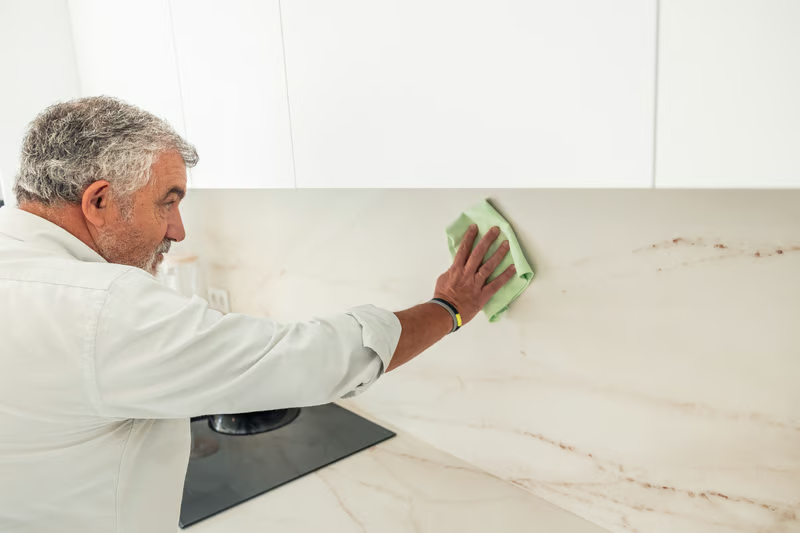
Once your new countertop has been installed, ask your installer or fabricator about the recommended cleaning and maintenance procedures. Different materials, finishes, sealers, and installation products may require different care.
Before beginning regular cleaning, keep these points in mind:
- Follow the installation instructions: Ask when the countertop can be cleaned normally and whether any installation materials need additional curing time.
- Use suitable cleaning products: Choose a cleaner recommended for your countertop material.
- Avoid harsh chemicals: Strong acids, abrasive powders, and unsuitable cleaning solutions can damage certain surfaces.
- Protect the countertop: Use cutting boards, coasters, and heat-resistant trivets during everyday activities.
- Clean spills promptly: Removing spills early helps prevent staining, residue, and buildup.
Starting with these habits makes countertop care easier and reduces the risk of avoidable damage.
Before starting a countertop project, learn more about Kitchen Countertop Installation.
2. Follow Proper Countertop Care & Maintenance Practices
Good countertop care & maintenance does not require complicated cleaning routines. Regular attention and appropriate products are usually enough to keep most countertop surfaces looking clean.
Daily Cleaning
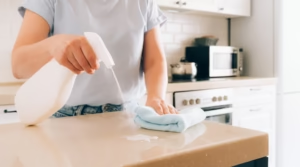
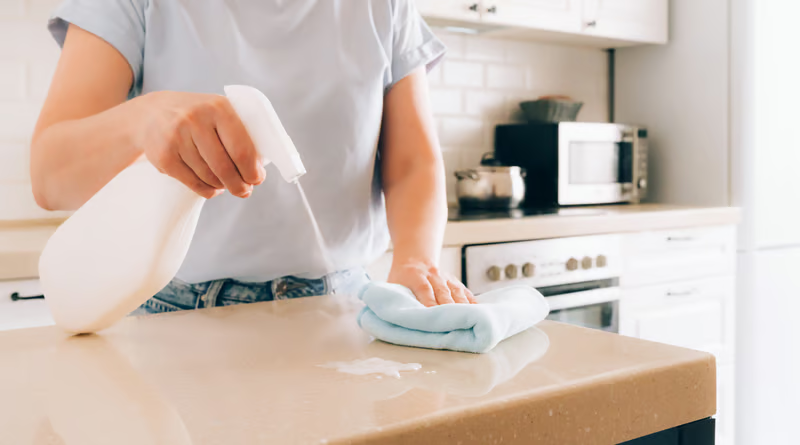
For everyday cleaning, use a soft microfiber cloth or non-abrasive sponge with warm water and a mild cleaning solution approved for your countertop material.
Follow these simple steps:
- Remove crumbs, food particles, and loose debris from the surface.
- Dampen a soft cloth with warm water and a suitable mild cleaner.
- Wipe the countertop gently to remove dirt and residue.
- Rinse away any remaining cleaning solution with a clean, damp cloth.
- Dry the surface using a soft towel to reduce water spots and streaks.
Avoid leaving excessive soap or cleaning-product residue on the countertop because it can create a dull or sticky appearance.
Clean Spills as Soon as Possible
Coffee, tea, cooking oil, fruit juice, sauces, and other household liquids can leave stains or residue if they remain on a surface for too long.
Blot spills with a clean cloth instead of spreading them across the countertop. Then clean the area with a suitable cleaner and rinse it according to the material manufacturer’s recommendations.
For natural stone, avoid using vinegar, lemon juice, or acidic household cleaners unless the stone-care professional specifically approves the product.
3. Maintaining Granite Countertops
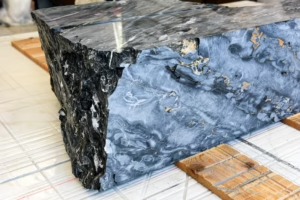
Granite is a natural stone commonly used in kitchens and bathrooms because of its strength, distinctive patterns, and resistance to everyday wear. However, its maintenance requirements can vary depending on the particular stone and its porosity.
Maintaining granite countertops involves regular cleaning, spill prevention, and checking whether the surface needs a suitable penetrating sealer.
How to Care for Granite Countertops in Kitchen
Kitchen granite countertops experience regular exposure to cooking oils, food spills, water, and heat. Following a few basic precautions can help maintain their appearance.
- Wipe the surface regularly with a granite-safe cleaner or mild cleaning solution.
- Clean oil, coffee, wine, and food spills promptly.
- Use cutting boards instead of preparing food directly on the stone.
- Place hot cookware on trivets or heat-resistant mats.
- Use coasters under glasses, particularly those containing citrus drinks.
- Dry areas around sinks and faucets to reduce mineral deposits from water.
Avoid abrasive cleaning pads and acidic products that may affect the stone’s finish.
Does Granite Need Sealing?
Some granite countertops benefit from a penetrating sealer, but not every granite surface requires the same treatment. The need for sealing depends on the stone’s porosity, existing treatment, and the product used during installation.
A penetrating sealer helps reduce the absorption of liquids, making the surface more resistant to certain stains. However, sealing does not make granite completely stain-proof.
Ask your installer which sealer was applied and when the countertop should be checked or resealed. The Natural Stone Institute also explains that sealing requirements vary between natural stone surfaces.
4. Quartz Countertop Care Instructions
Engineered quartz is a popular choice for kitchens and bathrooms because it is nonporous and generally requires less maintenance than many natural stones. However, quartz countertops are not completely resistant to damage.
Following appropriate quartz countertop care instructions helps preserve the surface and prevent unnecessary repairs.
Cleaning Quartz Countertops
For routine quartz cleaning:
- Remove loose food particles and debris.
- Wipe the surface with warm water and a soft microfiber cloth.
- Use a mild dishwashing detergent or manufacturer-approved cleaner when needed.
- Rinse the surface with a clean, damp cloth.
- Dry with a soft towel to prevent water marks.
Avoid harsh chemicals, abrasive scrubbers, and cleaners that are not approved for your particular quartz brand.
Protect Quartz from Heat and Scratches
Although quartz is durable, excessive heat can damage its resin components and affect the surface finish.
Follow these precautions:
- Always use trivets or hot pads under hot pots and pans.
- Use cutting boards during food preparation.
- Avoid dropping heavy objects on edges and corners.
- Do not use abrasive scouring pads.
- Clean chemical spills immediately according to the manufacturer’s instructions.
Does Quartz Require Sealing?
Most engineered quartz countertops do not require sealing because their manufactured surface is nonporous. Applying a conventional stone sealer is generally unnecessary and may leave unwanted residue.
For more information, read our guide: Does Quartz Need to Be Sealed?
5. Protect Newly Installed Countertops from Common Damage
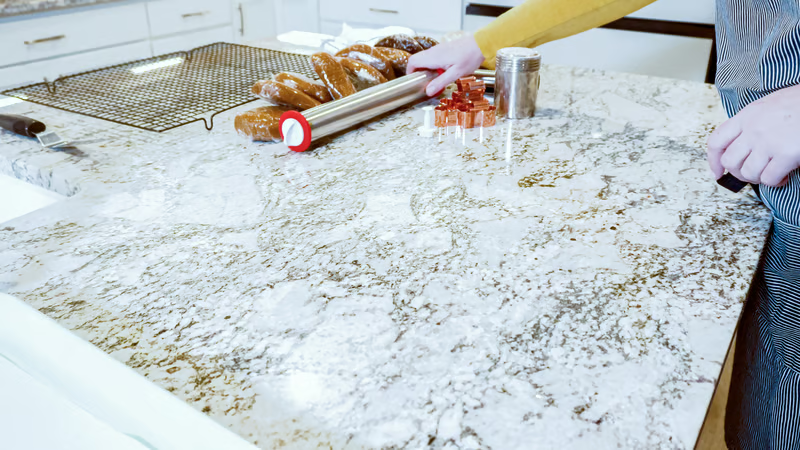
Cleaning is only one part of maintaining a countertop. Everyday habits also play an important role in protecting the surface.
Here are some common problems homeowners should avoid.
Heat Damage
Do not assume that a heat-resistant countertop can withstand every temperature. Sudden temperature changes and direct contact with hot cookware can damage certain surfaces, especially engineered quartz.
Use trivets, hot pads, and cooling racks whenever necessary.
Scratches and Surface Marks
Granite and quartz are both durable, but neither should be treated as completely scratch-proof. Always use a cutting board and avoid dragging heavy cookware or sharp objects across the surface.
Chemical Damage
Bleach, oven cleaners, paint removers, drain cleaners, and highly acidic products may damage certain countertop materials.
Read product labels before cleaning and follow the countertop manufacturer’s recommendations.
Stubborn Stains
Do not immediately scrub a stubborn stain with steel wool or an abrasive pad. The wrong cleaning method may cause additional surface damage.
Instead, identify the substance responsible for the stain and use a cleaning product specifically approved for the material. Contact a stone-care professional if the stain does not come out safely.
6. Common Countertop Maintenance Mistakes to Avoid
Even a durable countertop can develop problems when it is not maintained properly. Avoid these common mistakes:
- Using vinegar or lemon-based cleaners on natural stone surfaces that are sensitive to acids.
- Placing hot cookware directly on quartz.
- Cutting food directly on the countertop.
- Ignoring spills until they dry or become difficult to remove.
- Applying granite sealer without checking whether the surface needs it.
- Using abrasive sponges that may scratch or dull the finish.
- Assuming granite and quartz have identical maintenance requirements.
Understanding the differences between countertop materials helps homeowners choose the right cleaning products and protective measures.
7. When Should You Seek Professional Countertop Care?
Routine cleaning can handle most everyday dirt and spills. However, some problems require professional attention.
Consider contacting a qualified stone-care professional if you notice:
- Deep scratches or chips.
- Persistent stains that do not respond to approved cleaning methods.
- Dull or etched areas on natural stone.
- Damaged seams or countertop edges.
- Surface discoloration or damage caused by unsuitable chemicals.
Professional assessment can help identify the cause of the problem and determine whether cleaning, polishing, repair, or another treatment is appropriate.
At S F Marble & Granite, we understand that proper countertop care is essential for maintaining the beauty and functionality of your stone surfaces. Whether your granite or quartz countertop has stubborn stains, scratches, surface dullness, or other maintenance concerns, choosing the right care and treatment is important. Our focus is on helping homeowners make informed decisions about countertop materials, installation, and maintenance. For professional guidance on your countertop needs, contact us today to discuss your project.
Conclusion
Learning how to care for newly installed countertops is an important part of protecting your kitchen or bathroom investment. Regular cleaning, prompt spill removal, suitable cleaning products, and everyday precautions can help maintain the appearance of granite and quartz surfaces.
Remember that each countertop material has different maintenance requirements. Granite may benefit from periodic sealing, while engineered quartz generally does not require it. Following the manufacturer’s recommendations and seeking professional help when necessary can help prevent avoidable surface damage.
Frequently Asked Questions About Newly Installed Countertops
1. How soon can I clean newly installed countertops?
Follow your installer’s instructions before beginning normal cleaning. Some installation materials, adhesives, or sealers may require curing time before the surface can be exposed to regular cleaning.
2. What is the best cleaner for newly installed countertops?
A mild cleaning solution, warm water, and a soft microfiber cloth are suitable for many countertop surfaces. Always check the manufacturer’s recommendations because cleaning requirements differ between materials.
3. Do newly installed granite countertops need sealing?
Not always. Some granite countertops benefit from penetrating sealers, while others may not need additional treatment. Ask your installer about the stone’s porosity and existing sealer.
4. Can I use vinegar to clean granite or quartz countertops?
Vinegar is not recommended for natural stone surfaces that are sensitive to acids. For engineered quartz, follow the manufacturer’s cleaning instructions and avoid unapproved acidic or harsh products.
5. How can I prevent scratches on new countertops?
Use cutting boards, avoid dragging heavy objects across the surface, and clean with soft, non-abrasive materials. These habits help protect both granite and quartz countertops.