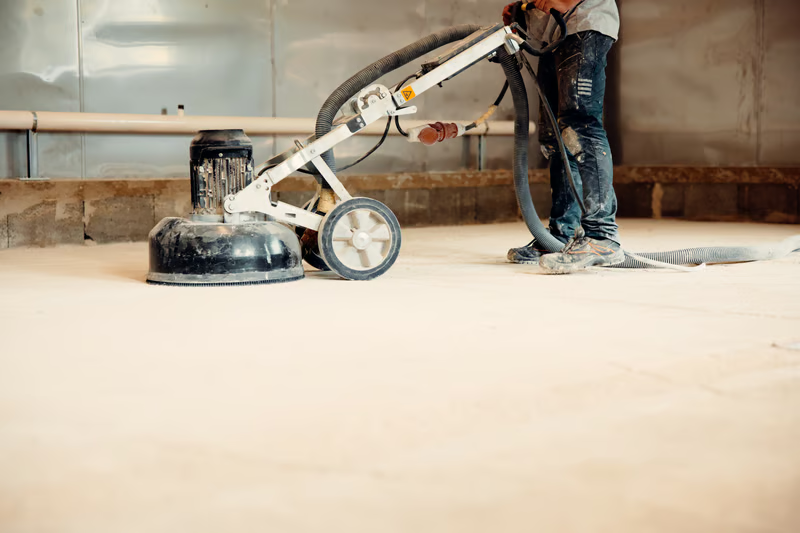
Marble polishing changes the appearance of stone by making its surface smoother, more reflective, and often more vibrant. It helps reduce the dull look caused by everyday wear and can improve the way marble’s natural colors and patterns appear. The final result depends on the marble’s condition, the polishing method, and the finish selected.
If your marble floors or countertops have lost their shine, polishing may help restore a more even and attractive appearance. However, polishing does not repair every type of damage. Deep scratches, cracks, and certain stains may require separate treatment.
In this guide, we explain how marble polishing works, what changes you can expect before and after polishing, its main benefits, and how to choose the right finish for your stone.
What Is Marble Polishing?

Marble polishing is a process used to create a smooth, glossy surface on marble. It can involve specialized abrasive pads, polishing compounds, or other methods designed for natural stone.
Marble is a natural stone made mainly of calcite or dolomite. Its surface can become dull through foot traffic, abrasive dirt, spills, and improper cleaning. These factors can affect how light reflects from the stone.
Polishing improves the surface finish, which can make the marble look brighter and more reflective. It is important to understand that polishing is different from cleaning. Cleaning removes dirt and residue, while polishing works on the stone’s surface to improve its finish.
How Does Marble Polishing Change the Appearance of Stone?
Marble polishing can change several visible characteristics of stone. The most noticeable difference is often the way the surface reflects light.
1. Creates a Brighter and More Reflective Surface
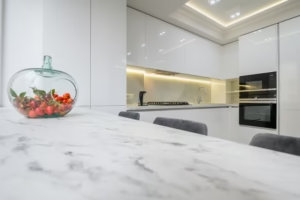
One of the main changes after polishing is increased shine. A polished marble surface reflects more light than a dull or heavily worn surface.
This can make a room appear brighter, especially when marble is installed in areas with natural or artificial lighting. The amount of reflection depends on the stone, its condition, and the quality of the finished surface.
2. Makes Natural Colors More Noticeable
Polishing can make the natural colors of marble appear clearer and more pronounced. The stone’s background color and mineral patterns may become easier to see because the smoother finish reflects light more evenly.
For example, white marble may look cleaner and brighter, while darker marble may appear richer and more reflective. Polishing does not change the stone’s natural color, but it can affect how that color is perceived.
3. Improves the Visibility of Natural Veining
Marble is known for its natural veins and patterns. When the surface is dull or worn, these details may be less noticeable.
A polished finish can improve the way light interacts with the surface, helping the natural veining stand out. The result depends on the marble variety and the condition of the stone.
4. Reduces the Appearance of Minor Surface Scratches
Polishing may help reduce the visibility of light surface scratches and minor wear marks. The extent of improvement depends on how deep the scratches are and which restoration method is used.
Deep scratches cannot always be removed through polishing alone. They may require honing or grinding before the final polish is applied.
5. Creates a More Uniform Finish
Marble floors can develop uneven areas over time. High-traffic sections may become duller than areas that receive less use.
A suitable restoration and polishing process can help create a more consistent appearance across the surface. However, severely worn or damaged areas may need additional treatment before polishing.
How Marble Polishing Works
Marble polishing involves refining the stone’s surface until it reaches the desired level of smoothness and reflection. The method depends on whether the marble has light dullness, surface scratches, etching, or more extensive wear.
A professional marble polishing process may include the following steps:
1. Inspect the Marble Surface
The first step is to examine the marble and identify its condition. The professional checks for dull areas, scratches, etch marks, stains, cracks, and uneven sections.
This inspection helps determine whether the stone needs cleaning, honing, grinding, polishing, or a combination of treatments.
2. Clean the Surface
Dirt, dust, and residue are removed before polishing begins. Cleaning helps prevent loose particles from interfering with the finishing process.
A cleaner suitable for natural stone should be selected. Marble is sensitive to acidic substances, so vinegar, lemon juice, and other acidic household cleaners should be avoided.
3. Hone or Refine the Stone When Needed
Honing uses abrasive materials to smooth the marble surface. It can reduce minor scratches, dull areas, and certain surface imperfections.
Not every marble surface needs honing before polishing. However, when the stone has noticeable wear or etching, this step may be necessary to prepare it for a more even finish.
4. Apply the Polishing Treatment
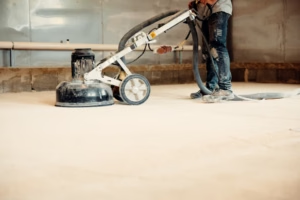
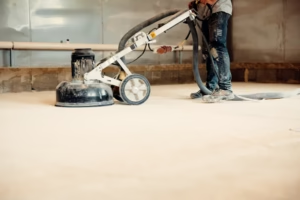
After the surface has been prepared, the appropriate polishing method is used. Depending on the marble and the restoration requirements, this may involve fine abrasive pads or polishing compounds.
The process gradually refines the surface to produce the selected level of shine. Professional equipment and suitable products help achieve a consistent finish.
5. Clean and Inspect the Finished Surface
Once polishing is complete, the surface is cleaned to remove remaining polishing residue. The marble is then inspected to check whether the finish is consistent and whether any visible imperfections remain.
The final appearance depends on the marble type, original condition, treatment method, and desired finish.
Before and After Marble Polishing: What Changes?
The difference between marble before and after polishing is usually most visible in the surface reflection and overall finish.
| Before polishing | After suitable polishing |
|---|---|
| Surface may look dull or cloudy | Surface can look brighter and more reflective |
| Natural patterns may appear less noticeable | Veining and markings may appear clearer |
| Light scratches may affect the finish | Some minor surface scratches may become less visible |
| Worn areas may look uneven | The finish may appear more uniform |
| Surface may have lost its original gloss | A glossy finish may be restored |
The results are not identical for every marble surface. Polishing can improve the finish, but it does not automatically remove deep scratches, cracks, or stains inside the stone.
What Are the Benefits of Polishing Marble Floors?
Marble polishing offers several appearance-related benefits when the correct treatment is used.
Restores a Glossy Appearance
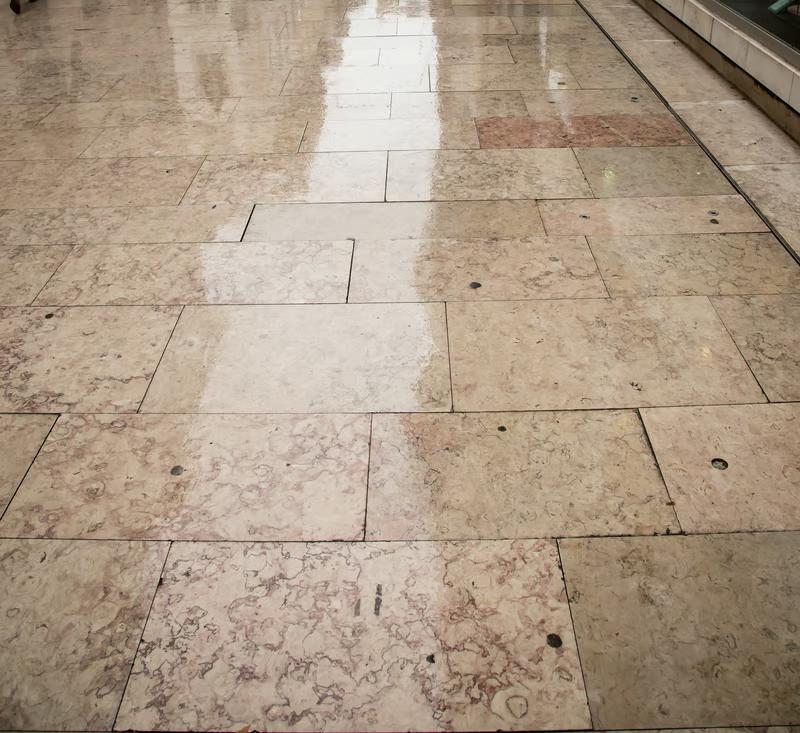
Polishing can bring back the reflective finish of marble floors that have become dull through everyday use. This can make the floor look cleaner and more attractive.
Highlights Natural Stone Patterns
A polished finish can make marble’s natural veining and color variations more noticeable. This is useful when homeowners want the stone’s natural design to stand out.
Improves Surface Uniformity
High-traffic areas can lose their shine faster than less-used sections. A suitable polishing and restoration process can help create a more consistent appearance across the floor.
Refreshes Older Marble Floors
Older marble floors may develop dull patches and visible wear. Depending on their condition, professional refinishing and polishing can improve their appearance without requiring the entire floor to be replaced.
Helps Maintain the Stone’s Appearance
Regular care and appropriate professional maintenance can help preserve the desired finish. However, polishing is not a substitute for routine cleaning or protection against acidic spills.
Does Marble Polishing Change the Stone’s Natural Color?
Marble polishing does not normally change the stone’s natural mineral color. Instead, it changes the surface finish and the way light reflects from it.
A polished surface may make the stone appear deeper, richer, or more vibrant. A honed finish generally produces a softer, less reflective appearance. The same marble can therefore look different depending on its finish.
It is also important to distinguish polishing from color-enhancing treatments. Some products are designed to deepen or enrich the appearance of certain stones. These treatments are different from ordinary mechanical polishing and should be discussed separately with a stone professional.
Polished vs. Honed Marble: How Do They Look Different?
Polished and honed marble have different surface appearances. A polished finish is glossy and reflective, while a honed finish is smooth but has a matte or satin appearance.
| Feature | Polished marble | Honed marble |
|---|---|---|
| Surface appearance | Glossy and reflective | Matte or satin |
| Light reflection | Higher | Lower |
| Color appearance | May look deeper and more pronounced | Often looks softer |
| Visible wear | Scratches and etching may be more noticeable | Minor surface marks may be less noticeable |
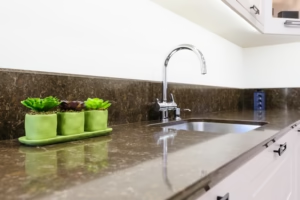
| Common applications | Countertops, walls, and decorative surfaces | Floors, stair treads, and other frequently used areas |
Neither finish is automatically the right choice for every home. The best option depends on the location, expected use, maintenance preferences, and appearance you want.
For a more detailed comparison, read Honed vs Polished Marble: Which is Right for Your Home?.
Can Marble Polishing Remove All Scratches and Stains?
No. Marble polishing does not remove every type of scratch, stain, or surface defect.
The appropriate treatment depends on the problem:
-
Light surface scratches: May be reduced through suitable honing or polishing.
-
Deep scratches: May require more extensive mechanical refinishing.
-
Etch marks: Usually require surface refinishing because acidic substances can chemically affect marble.
-
Stains: May need a separate stain-removal treatment, such as a suitable poultice.
-
Cracks and chips: Usually require repair rather than polishing alone.
A professional should assess the marble before treatment, especially when the surface has deep damage or a valuable decorative finish. The General Services Administration’s guidance for historic marble also emphasizes identifying the existing finish and testing the proposed treatment before carrying out restoration work.
How to Maintain Marble After Polishing
Proper maintenance helps preserve the appearance of polished marble and reduces unnecessary surface wear.
Follow these simple practices:
-
Use a suitable stone cleaner: Choose a pH-neutral cleaner made for natural stone.
-
Clean spills promptly: Wipe up acidic liquids such as lemon juice, vinegar, and soft drinks to reduce the risk of etching.
-
Use soft cleaning materials: Avoid abrasive scrubbers that may scratch the surface.
-
Remove loose dirt regularly: Dust and grit can cause surface wear when people walk across the floor.
-
Use protective mats: Place mats near entrances to reduce the amount of dirt and sand brought indoors.
-
Follow professional maintenance advice: Ask a stone professional which cleaning and refinishing methods are suitable for your particular marble.
Remember that polishing and sealing are different treatments. Polishing improves the surface finish, while an appropriate stone sealer may help reduce liquid absorption. A polished surface is not automatically stain-proof.
How S F Marble & Granite Can Help With Marble Care
Marble floors and countertops can lose their original appearance through everyday use, scratches, and exposure to unsuitable cleaning products. Choosing the right care or restoration method depends on the stone’s condition and the finish you want.
S F Marble & Granite focuses on marble and granite surfaces, including countertops and flooring. If your marble has become dull or uneven, consider having its condition assessed before choosing a polishing or restoration treatment.
Contact us today to discuss your marble surface requirements and available care options.
Conclusion
Marble polishing changes the appearance of stone by improving surface smoothness and light reflection. It can make natural colors and veining more noticeable, reduce the appearance of some minor scratches, and create a more uniform finish.
However, the results depend on the stone’s condition and the treatment required. Deep scratches, stains, etching, and cracks may need separate attention. Understanding the difference between polishing and honing can help you choose a finish that suits your home and maintenance preferences.
Frequently Asked Questions
1. Does marble polishing make stone look new?
Marble polishing can make worn or dull stone look fresher by improving its shine and surface appearance. However, it cannot always remove deep scratches, cracks, or permanent stains.
2. Does polishing make marble darker?
Polishing can make some marble appear deeper or richer in color because the smoother surface reflects light differently. The actual effect depends on the stone variety and finish.
3. How long does marble polishing last?
There is no fixed duration. The finish can last longer with suitable cleaning and maintenance, but foot traffic, abrasive dirt, spills, and everyday use can gradually reduce its shine.
4. Does marble polishing remove etch marks?
Polishing may remove some light etch marks, but deeper etching often requires honing or other professional surface refinishing before the final polish.
5. Is polished marble better than honed marble?
Neither finish is best for every situation. Polished marble has a glossy appearance, while honed marble has a softer, less reflective finish. The right choice depends on the surface location, expected use, and personal preference.
6. Can old marble floors be polished again?
Yes. Many existing marble floors can be professionally refinished and polished. The suitable method depends on the stone’s thickness, surface condition, and previous treatments.
7. Does marble polishing protect the stone from stains?
Polishing alone does not make marble stain-proof. A suitable impregnating sealer may help reduce liquid absorption, but it does not prevent all stains or acid etching.
8. How can I tell if my marble floor needs polishing?
Your marble floor may need professional attention if it has widespread dull areas, uneven shine, visible surface wear, or scratches. However, cleaning residue, stains, and etching can also affect its appearance, so identify the cause before selecting a treatment.