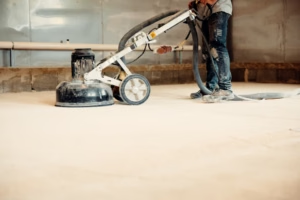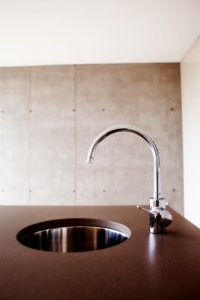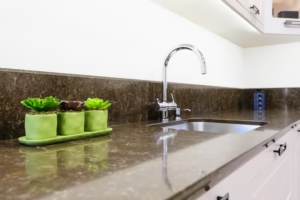
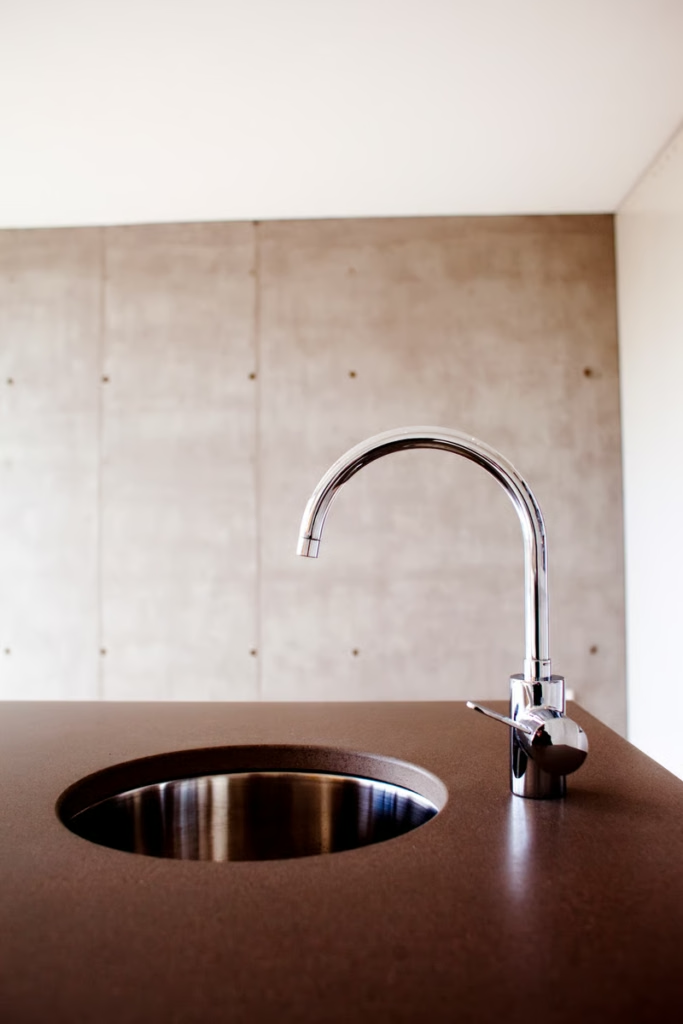
Sink cutouts are made by carefully measuring the sink, marking its opening on the granite slab, and cutting the stone with specialized equipment. The edges are then shaped and finished so the sink fits correctly. Because granite is hard and can crack if handled improperly, sink openings are usually prepared by experienced countertop fabricators before the countertop is installed.
The Granite Countertop Sink Cutout Process depends on the sink style, its dimensions, the countertop layout, and the equipment being used. Understanding the process can help homeowners know what to expect when choosing a granite countertop for a kitchen or bathroom.
This guide explains how fabricators measure and cut sink openings, which tools they use, what affects the final fit, and how to protect the granite around the sink.
What Is a Sink Cutout in a Granite Countertop?
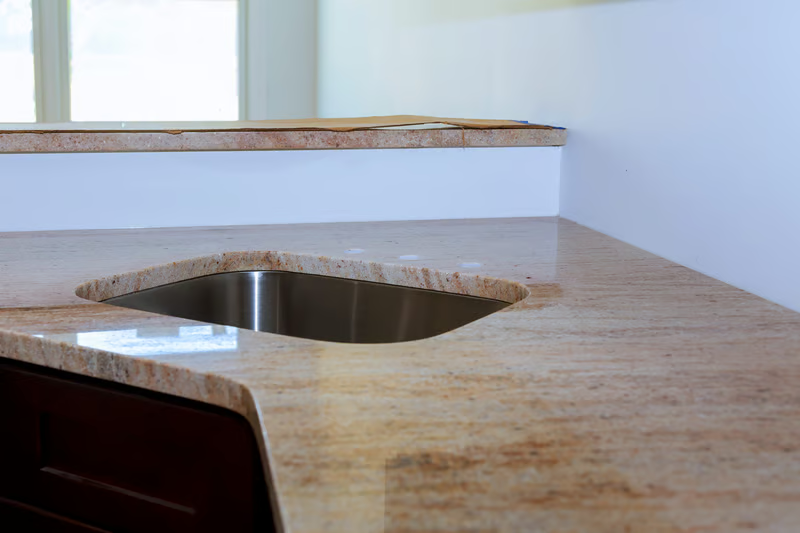
A sink cutout is the opening made in a countertop to accommodate a sink. It provides space for the sink bowl and allows the sink to be installed in the correct position.
The opening must match the sink’s specifications. If it is too small, the sink may not fit. If it is too large or positioned incorrectly, the countertop may not provide enough support or coverage around the sink.
Granite sink openings are commonly prepared for three sink styles:
-
Undermount sinks: Installed below the countertop, leaving the granite edge visible around the opening.
-
Drop-in sinks: Lowered into an opening, with the sink rim resting on top of the countertop.
-
Farmhouse sinks: Often have a large front-facing basin and may require a specially planned countertop edge and cabinet arrangement.
Each style requires different measurements and edge details, so the fabricator must know which sink will be installed before cutting the granite.
How Are Sink Cutouts Made in Granite Countertops?
The process involves several steps, from checking the sink specifications to finishing the cut edges. Accurate measurements and careful handling are important throughout the work.
You Can Also Read About How to Install Granite Countertops: Ultimate Guide in 2025?
1. Select the Sink and Check Its Specifications
The first step is choosing the sink. The fabricator needs the sink’s model or installation specifications before preparing the opening.
These details may include:
-
Overall sink dimensions
-
Required countertop opening dimensions
-
Sink rim or flange size
-
Corner radius
-
Mounting style
-
Required clearance for clips and other hardware
The overall outside dimensions of a sink are not always the same as the size of the countertop opening. For example, a drop-in sink has a rim that rests on the granite, while an undermount sink is attached beneath it.
Using the wrong dimensions can result in an opening that does not fit the sink properly.
2. Measure and Mark the Granite Slab
Once the sink specifications are confirmed, the fabricator determines where the opening will be placed.
The position is planned according to the countertop layout, cabinet structure, faucet location, backsplash, and available space. The fabricator then marks the opening on the granite.
Granite Sink Cutout Measurements should account for more than the sink’s width and length. The fabricator also needs to consider the distance from the countertop edges, the location of seams, and the support available around the opening.
For example, placing a sink cutout too close to the front or back edge can leave a narrow strip of granite. This may increase the risk of damage, depending on the stone, countertop design, and support conditions.
3. Cut the Sink Opening
After marking the layout, the fabricator cuts the granite using specialized stone-cutting equipment. Depending on the fabrication setup, this may involve a bridge saw, CNC machine, or other suitable cutting tools.
The cutting method must follow the planned shape and dimensions. Granite is a natural stone, so the fabricator also needs to account for its thickness, structure, and any visible veins or natural variations.
Cutting should be performed with appropriate dust and exposure controls. Dry cutting or grinding stone can release respirable crystalline silica, which is a serious health hazard when inhaled. Professional fabrication operations need suitable controls, such as wet methods and properly designed dust collection, based on the work being performed.
4. Shape and Smooth the Edges
After the main opening is cut, the edges are shaped and finished. The exact finish depends on the sink style and the appearance required.
For an undermount sink, the exposed granite edge is especially important because it remains visible around the sink bowl. The fabricator may smooth, polish, or shape the edge to create a consistent finish.
For a drop-in sink, the rim covers much of the cut edge, but the opening still needs to be accurately sized and properly finished.
The corners also need attention. A sink opening should follow the required corner radius rather than having sharp, unintended corners. The correct shape helps the sink fit as intended and avoids unnecessary stress points.
5. Inspect the Granite Countertop Sink Opening
Before installation, the fabricator checks the opening against the sink specifications.
The inspection may include:
-
Checking the opening’s width and length
-
Confirming the corner shape
-
Looking for visible chips or cracks
-
Checking the finished edges
-
Confirming that the sink and mounting hardware can fit
This step helps identify problems before the countertop is installed. If the opening is not correct, adjustments may be possible during fabrication, depending on the issue and the remaining stone.
6. Install and Secure the Sink
Once the countertop is ready, the sink is positioned and secured according to its installation requirements.
An undermount sink is generally attached beneath the countertop using an appropriate mounting system and compatible sealant. A drop-in sink rests on the countertop through its rim and is secured according to the manufacturer’s instructions.
The installer also checks the connection around the sink to help prevent water from entering the cabinet below. The correct mounting method, sealant, and support system depend on the sink model and installation design.
What Tools Are Used to Cut a Sink Hole in Granite?
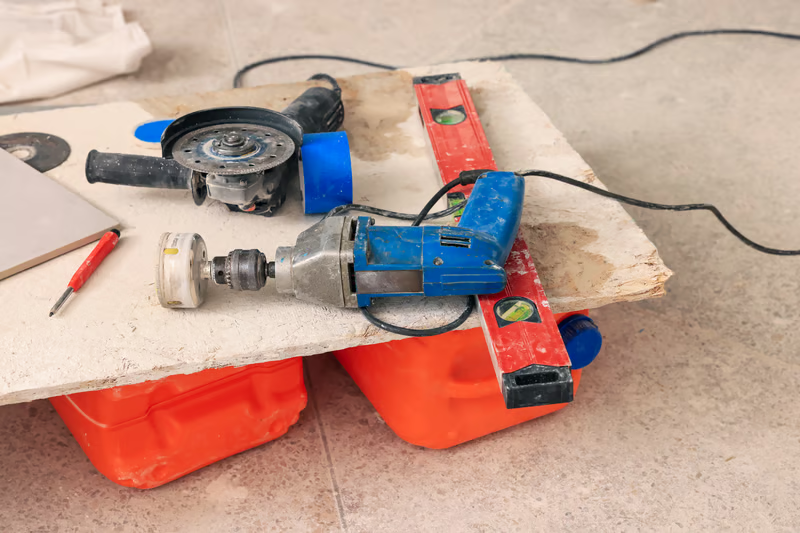
The equipment depends on the fabrication method, the sink design, and the shape of the opening. Common tools include:
-
Bridge saw: Used to make straight, controlled cuts in stone slabs.
-
CNC machine: Uses computer-guided movement to cut or shape the opening according to a programmed design.
-
Diamond cutting tools: Help cut hard stone and shape the opening.
-
Stone routers and edge tools: Used to shape and finish the edges.
-
Polishing equipment: Helps create a smooth finish on exposed granite edges.
-
Measuring and marking tools: Used to transfer the sink dimensions and layout to the slab.
Many professional fabrication operations use water during cutting and grinding to help control dust and cool the tools. OSHA and NIOSH identify respirable crystalline silica as a serious hazard in countertop fabrication and recommend effective dust-control methods, including wet processes and suitable ventilation.
What Affects the Accuracy of Granite Sink Cutout Measurements?
Accurate measurements are essential because the sink must fit the opening and work with the surrounding countertop and cabinets.
Several factors affect the final dimensions:
Sink Style and Manufacturer Specifications
Different sinks have different installation requirements. An undermount sink, for example, may require a specific opening size and edge reveal. A drop-in sink needs an opening that allows its rim to rest securely on the countertop.
Always use the specifications for the exact sink model rather than estimating the opening from its overall dimensions.
Countertop Thickness
Granite countertops are available in different thicknesses. Thickness can affect the edge profile, support requirements, and mounting details around the sink.
Distance from Countertop Edges
The opening must leave enough granite around the sink. The required amount depends on the countertop layout, stone condition, sink design, and installation requirements.
Faucet and Accessory Placement
The fabricator may also need to account for faucet holes, soap dispensers, water filters, or other accessories. Their positions should be planned before the granite is cut.
Natural Stone Characteristics
Granite is a natural material, and its pattern, mineral distribution, and existing imperfections can vary. The fabricator should inspect the slab and plan the opening to avoid problematic areas where possible.
Common Mistakes to Avoid During Granite Sink Cutouts
Poor planning or inaccurate cutting can cause installation problems. Some common mistakes include:
-
Measuring the sink incorrectly: Using its outside dimensions instead of the manufacturer’s required cutout dimensions can produce an opening that is too large or too small.
-
Ignoring the sink installation style: Undermount and drop-in sinks do not use identical opening details.
-
Placing the opening too close to an edge: This can leave insufficient granite around the sink.
-
Overlooking faucet and accessory holes: These should be included in the layout before fabrication.
-
Leaving rough or damaged edges: Poorly finished edges can affect the appearance and may make installation more difficult.
-
Cutting without proper dust controls: Stone cutting and grinding can release hazardous silica dust. Suitable controls are essential.
Careful planning, accurate measurements, and appropriate fabrication methods help reduce these problems.
Can You Cut a Sink Hole in Granite After Installation?
It may be possible to modify a granite countertop after installation, but the work is more difficult and requires careful assessment. The installer must consider the existing countertop position, cabinet support, nearby walls, plumbing, and the location of the proposed opening.
On-site cutting and grinding can also create silica dust and may expose nearby cabinets, flooring, and other surfaces to damage. For these reasons, a new sink opening is generally best planned and completed during countertop fabrication whenever possible.
If a change is necessary after installation, have a qualified stone professional inspect the countertop and determine whether the modification is practical.
How to Protect Granite Around the Sink
The area around a sink is exposed to water, cleaning products, dishes, and everyday use. Proper installation and routine care can help keep the granite in good condition.
Consider these practices:
-
Wipe up standing water and spills instead of allowing them to remain around the sink.
-
Use a cleaner suitable for natural stone.
-
Avoid abrasive pads that may scratch or dull the finish.
-
Do not place excessive weight on unsupported sections of granite.
-
Check the sink’s seal and mounting area periodically for signs of deterioration.
-
Follow the fabricator’s recommendations for cleaning and maintenance.
If the granite around the sink has developed chips, cracks, or visible surface damage, the appropriate repair depends on the type and extent of the problem. Learn more about Granite Countertop Restoration for information about restoring damaged granite surfaces.
Why Professional Granite Sink Cutouts Matter
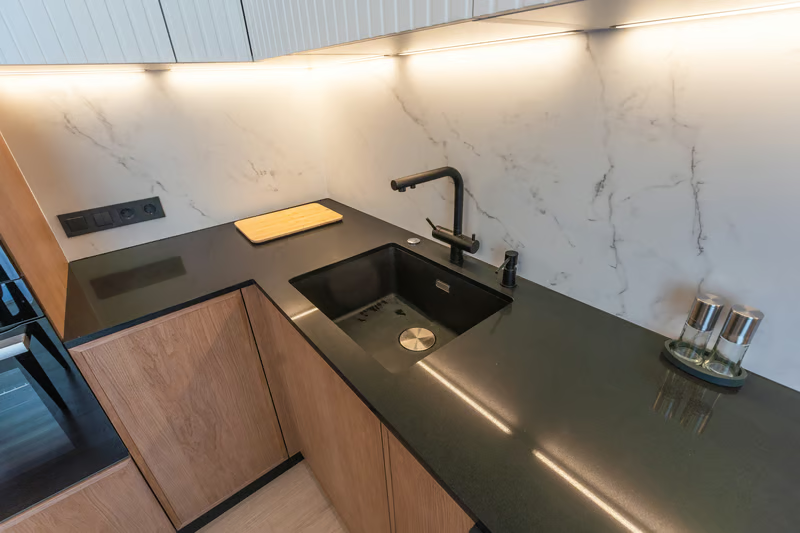
A sink opening needs to match the sink specifications and the countertop layout. Cutting granite also requires suitable equipment, controlled handling, and proper dust management.
Professional fabrication can help ensure that:
-
The opening matches the sink manufacturer’s requirements.
-
The sink is positioned correctly within the countertop.
-
Exposed edges are shaped and finished appropriately.
-
The surrounding granite is inspected before installation.
-
Cutting and finishing work is performed with suitable safety controls.
The exact process varies with the sink type, stone slab, countertop design, and fabrication equipment.
Conclusion
Granite sink cutouts are made by confirming the sink specifications, measuring and marking the slab, cutting the opening with specialized equipment, finishing the edges, and checking the fit before installation. Accurate measurements are important because the opening must support the chosen sink style and fit the countertop layout.
If you are planning a granite countertop project, Contact us today at S F Marble & Granite to discuss your countertop requirements and learn more about your options.
Frequently Asked Questions
1. How long does it take to cut a sink hole in granite?
The time depends on the sink design, granite thickness, cutting method, and fabrication setup. The full countertop preparation process also includes measuring, shaping, polishing, and inspection.
2. Can granite be cut for an undermount sink?
Yes. Granite can be cut for an undermount sink. The opening is prepared to the required dimensions, and the exposed edges are usually finished because they remain visible after installation.
3. Are sink cutouts made before or after granite countertop installation?
Sink cutouts are generally made during countertop fabrication before installation. This allows the fabricator to work with the slab in a controlled setting and prepare the opening before the countertop is fitted.
4. Does every sink need a different granite cutout?
No. Some sinks may use similar opening dimensions, but the cutout should always be checked against the specifications for the exact sink model and installation style.
5. Can a granite sink cutout be made larger?
In some cases, an existing opening can be enlarged, but the feasibility depends on the countertop layout, remaining stone, sink dimensions, and access to the work area. A stone professional should inspect it before any modification.
6. Are granite sink cutout edges polished?
Exposed edges, particularly around undermount sinks, are commonly smoothed and polished. The required finish depends on the sink style and the countertop design.
7. Does cutting granite create dust?
Yes. Cutting and grinding granite can release respirable crystalline silica dust, which can cause serious lung disease if inhaled. Professional fabrication operations need effective dust controls, such as suitable wet methods and ventilation.
8. What should I provide before a fabricator cuts my granite countertop?
Provide the sink’s exact model information and installation specifications. If available, share the manufacturer’s cutout template as well. This helps the fabricator confirm the opening dimensions, mounting style, and accessory locations before cutting.