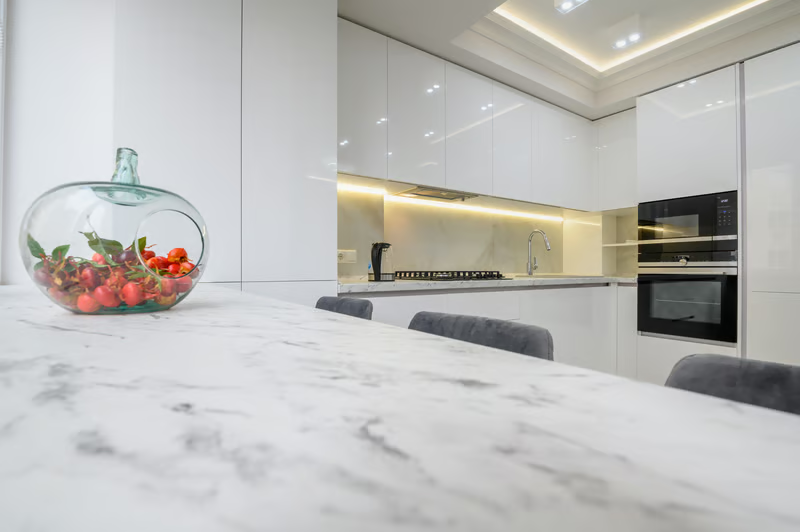
Granite countertops are popular in kitchens because of their natural patterns, durability, and polished appearance. However, even well-maintained granite can begin to look cloudy, streaky, or dull over time. If your countertop no longer reflects light the way it once did, you may wonder what went wrong.
What causes granite countertops to lose their shine? Common reasons include soap residue, hard-water deposits, unsuitable cleaning products, surface scratches, stains, and wear to the original polished finish. In some cases, the problem is only a layer of residue that can be removed with proper cleaning. In others, the stone may need professional polishing or restoration.
Understanding the reason behind the dull appearance is the first step toward choosing the right treatment. This guide explains the common causes, how to identify them, and practical ways to maintain or restore the appearance of granite countertops.
What Makes Granite Countertops Look Dull?
Granite gets its glossy appearance from a polished surface created during stone processing. The shine comes from the smooth finish, not simply from applying a cleaning product or sealer.
When something covers, scratches, stains, or damages this surface, the countertop may appear less reflective. The following issues are among the most common reasons.
1. Soap and Cleaning Product Residue
Using too much dish soap or cleaning solution can leave a thin film on granite. This residue may create streaks, cloudy patches, or a greasy appearance, especially when the countertop is not rinsed properly.
Some household cleaners also contain ingredients that leave buildup after repeated use. Applying more cleaner to remove the haze may make the problem worse.
What to do: Clean the surface with a suitable pH-neutral stone cleaner or a small amount of mild dishwashing detergent diluted in warm water. Rinse thoroughly with clean water and dry with a soft microfiber cloth.
2. Hard-Water Mineral Deposits
Hard water contains dissolved minerals, particularly calcium and magnesium. When water droplets dry on a countertop, they can leave visible spots or mineral deposits.
These marks commonly appear around sinks, faucets, and areas where water frequently splashes. Over time, repeated deposits can make the surface look cloudy or less glossy.
What to do: Wipe water spills promptly and dry the countertop after cleaning. For stubborn mineral deposits, use a product specifically approved for the particular stone. Avoid using vinegar or acidic household remedies without confirming that they are suitable for the stone.
3. Scratches and Surface Abrasion
Although granite is a hard natural stone, its polished finish can still be affected by abrasive materials. Sand, dirt, rough cleaning pads, and certain scouring powders may cause fine scratches.
These scratches scatter reflected light instead of allowing it to reflect evenly. As a result, frequently used areas may appear less shiny than the surrounding surface.
What to do: Avoid abrasive cleaning tools and use soft cloths or non-scratch sponges. Use cutting boards instead of preparing food directly on the countertop, and wipe away loose grit before cleaning.
Minor surface wear may require professional assessment if routine cleaning does not improve the appearance.
4. Stains and Absorbed Spills
Granite is relatively resistant to staining, but it is not completely stain-proof. Some varieties are more absorbent than others, and unprotected or insufficiently protected surfaces may absorb oil, grease, coffee, wine, and other substances.
An absorbed spill can create a dark or discolored area that makes the countertop appear uneven or dull.
What to do: Blot spills promptly rather than spreading them across the surface. Use a suitable stone cleaner for routine cleaning. If a stain remains, identify the substance before choosing a stain-removal treatment. A professional stone specialist can recommend an appropriate method for stubborn stains.
5. Improper Cleaning Products
Not every household cleaning product is suitable for natural stone. Products containing strong chemicals, abrasive ingredients, or unsuitable acids may affect certain stone surfaces or leave residues.
Granite is generally more resistant to common household acids than marble. However, some granite varieties contain minerals that may be sensitive to certain chemicals. Products containing hydrofluoric acid are particularly harmful to silicate minerals found in granite.
What to do: Choose cleaners labeled as safe for natural stone or granite. Avoid abrasive powders, harsh chemicals, and unverified cleaning mixtures. Always follow the product manufacturer’s instructions.
6. Wear or Damage to the Polished Finish
A granite countertop may lose some of its original gloss after years of regular use, cleaning, and physical wear. High-use areas around sinks, cooking spaces, and food preparation zones may show changes more clearly.
If the surface remains dull after proper cleaning, the issue may involve the finish itself rather than dirt or residue.
What to do: Have the countertop assessed by a qualified stone restoration professional. Depending on the condition, the surface may need professional honing and polishing to restore a more uniform appearance.
How to Restore Shine to Granite Countertops
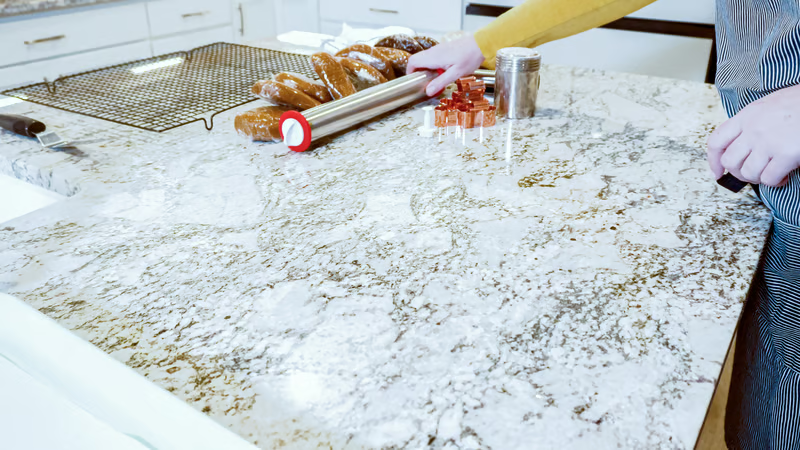
Before attempting to restore shine, identify whether the dull appearance comes from residue, mineral deposits, staining, scratches, or damage to the polished finish. Different problems require different treatments.
Here are practical steps to consider:
- Remove loose dirt: Wipe away crumbs, dust, and grit using a soft microfiber cloth.
- Clean with a suitable product: Use a pH-neutral stone cleaner or another cleaner approved for granite.
- Rinse the surface: Remove cleaning residue with clean water and a soft cloth.
- Dry completely: Use a clean microfiber towel to prevent water spots and streaks.
- Inspect the countertop: Check whether the cloudy appearance has disappeared or whether scratches, stains, or dull patches remain.
- Seek professional polishing when needed: If the polished finish is damaged, contact a stone restoration professional rather than applying random shine-enhancing products.
Avoid using furniture polish, wax, or cooking oil as a shortcut to make granite glossy. These products may create temporary shine but can leave buildup and attract dirt.
How to Maintain the Shine of Granite Countertops
Regular care can help preserve the appearance of polished granite and reduce the likelihood of buildup, stains, and scratches.
Consider following these maintenance practices:
- Clean spills promptly: Wipe away coffee, cooking oil, juice, and other spills before they have time to penetrate the stone.
- Use appropriate cleaners: Choose products designed for natural stone and follow the manufacturer’s directions.
- Avoid abrasive materials: Use soft microfiber cloths and non-scratch cleaning tools.
- Rinse and dry after cleaning: Removing cleaner residue helps prevent streaks and cloudy buildup.
- Use cutting boards: Keep knives and food preparation tools away from the stone surface.
- Protect the countertop: Use coasters under drinks and trivets or heat-resistant mats for hot cookware.
- Check the surface periodically: Look for stains, changes in water absorption, scratches, or areas that need professional attention.
If you also have natural stone flooring, cleaning methods should be selected according to the specific material. For additional guidance, read our article on How to Clean Marble Floors the Right Way.
Does Sealing Granite Restore Its Shine?
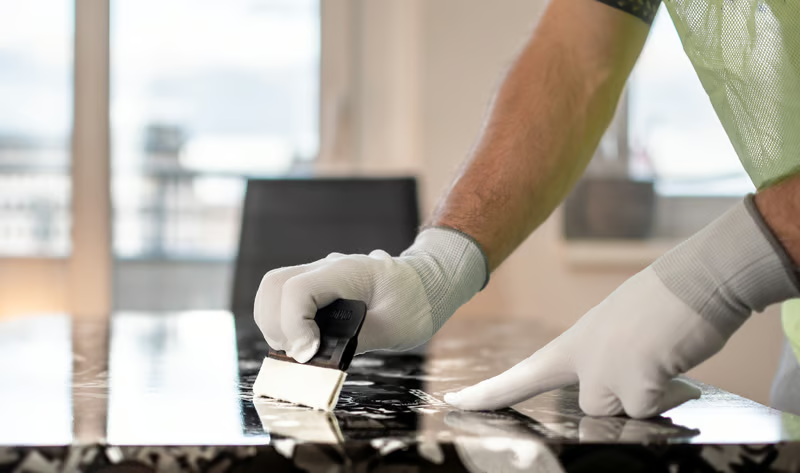
No. Sealing granite does not normally restore its original polish or make a dull surface glossy.
A penetrating stone sealer works by reducing the absorption of liquids, helping the stone resist certain stains. It does not repair scratches, remove mineral deposits, or replace a damaged polished finish.
Not every granite countertop requires sealing. The need depends on the particular stone, its porosity, and the manufacturer’s or stone professional’s recommendations. If sealing is appropriate, use a product specifically intended for natural stone and follow its instructions.
If your countertop looks dull, identify the cause before applying another layer of sealer. A cleaning issue and a polishing issue require different solutions.
When Should You Consider Professional Granite Restoration?
Professional restoration may be appropriate when ordinary cleaning no longer improves the countertop’s appearance.
Consider consulting a stone restoration specialist if:
- Large areas remain cloudy after proper cleaning.
- The polished finish has visible scratches or worn patches.
- Stubborn stains remain despite appropriate cleaning.
- Certain areas look noticeably different from the rest of the countertop.
- Previous cleaning or restoration attempts have made the surface look worse.
A professional can inspect the stone, identify the condition of the finish, and determine whether cleaning, stain treatment, honing, or polishing is suitable.
How S F Marble & Granite Relates to Granite Countertop Care
Granite countertops are an important part of many kitchen designs because they combine natural stone patterns with a durable surface. Understanding their cleaning and maintenance requirements can help homeowners protect their appearance and make informed decisions about stone care.
S F Marble & Granite is a relevant resource for readers exploring marble and granite surfaces for residential projects. Homeowners should consider the stone type, finish, maintenance requirements, and suitability of each material when planning a countertop or other natural stone application.
With appropriate cleaning habits and regular care, homeowners can help maintain the natural appearance of their granite countertops. Contact us today to explore natural stone options and discuss your granite or marble project.
Conclusion
Granite countertops can lose their shine for several reasons, including cleaning residue, hard-water deposits, scratches, stains, and wear to the polished finish. However, a dull appearance does not always mean the stone is permanently damaged.
Start by cleaning the countertop with a suitable stone-safe product, rinsing it properly, and drying it with a soft cloth. If the surface remains cloudy or uneven, professional assessment may help identify whether polishing or another treatment is necessary.
Frequently Asked Questions About Granite Countertop Shine
1. Why do granite countertops lose their shine?
Granite countertops may look dull because of soap residue, hard-water deposits, scratches, stains, unsuitable cleaning products, or wear to the polished finish. Identifying the cause helps determine the correct solution.
2. Can I make my granite countertops shiny again?
Yes, in many cases. Cleaning away residue and mineral deposits may improve the appearance. If the polished finish is scratched or worn, professional honing or polishing may be necessary.
3. Does vinegar make granite countertops dull?
Vinegar is not recommended as a routine granite cleaner. Although granite is generally more acid-resistant than marble, some granite varieties contain acid-sensitive minerals. A stone-safe cleaner is a safer choice.
4. Does granite sealer make countertops shiny?
No. Most penetrating granite sealers are designed to reduce liquid absorption and help resist staining. They do not restore a damaged polished finish or create a glossy surface.
5. How often should granite countertops be polished?
There is no universal polishing schedule. The need depends on the stone, its finish, daily use, and maintenance. Granite countertops do not need routine professional polishing simply because time has passed.
6. What is the best cleaner for shiny granite countertops?
A pH-neutral cleaner formulated for natural stone is a suitable choice for routine maintenance. Follow the product instructions, rinse the surface when recommended, and dry it with a soft microfiber cloth.