Marble is available in several finishes, and each one changes how the stone looks and feels. Some finishes create a glossy, reflective surface, while others produce a matte appearance or a more noticeable texture. Choosing the right finish can affect the appearance, maintenance needs, and suitability of marble for different areas of your home.
If you are considering marble for countertops, flooring, bathroom walls, or other surfaces, understanding the different types of marble finishes can help you make a more informed choice. The most common options include polished, honed, brushed, leathered, and tumbled finishes.
What Are Marble Finishes?
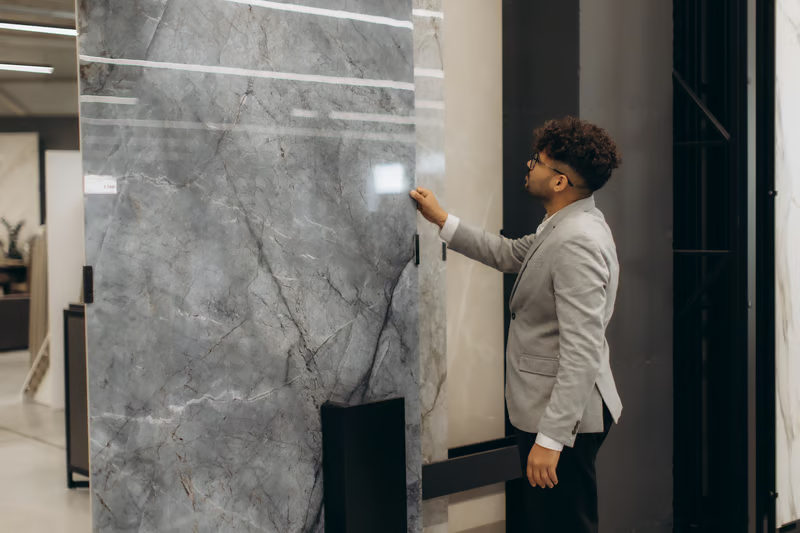
Marble finishes are surface treatments used to change the appearance and texture of natural marble. These treatments can make the stone glossy, smooth, matte, or textured.
A finish does not change the marble’s basic identity, but it can influence how its natural veining and colors appear. It can also affect how visible everyday marks are and how the surface feels underfoot or to the touch.
The right finish depends on the intended application, the look you prefer, and the amount of maintenance you are prepared to provide.
Types of Marble Finishes
Marble can be finished in several ways, depending on the desired appearance and intended use. The most familiar options are polished, honed, brushed, tumbled, and leathered. Their exact appearance can vary with the marble type and the finishing method used.
1. Polished Marble Finish
A polished marble finish has a glossy, reflective surface that brings out the stone’s natural colors and veining. It is created by grinding and buffing the marble with progressively finer abrasives until the surface develops a shine.
Key characteristics:
- Smooth, glossy appearance.
- Makes natural veining and color variations more noticeable.
- Reflects light and can make a room feel brighter.
- Shows etching, scratches, and water marks more visibly in some conditions.
Common applications: Polished marble is often used for countertops, bathroom vanities, wall panels, fireplace surrounds, and interior flooring. Because a polished surface can become slippery when wet, consider the specific floor location and its slip-resistance requirements before choosing it.
2. Honed Marble Finish
A honed marble finish has a smooth, matte or satin-like surface with little to no reflection. It is produced by grinding the stone but stopping before it reaches the glossy appearance of polished marble.
Key characteristics:
- Smooth surface without a strong shine.
- Creates a softer, more understated appearance.
- Usually makes small scratches and etching less noticeable than a polished finish.
- May show stains more readily if the stone is not properly protected.
Common applications: Honed marble is used for kitchen countertops, bathroom floors, shower walls, and other interior surfaces. It is a popular option for people who prefer a natural, low-gloss appearance.
Keep in mind that matte does not automatically mean slip-proof. The actual slip resistance depends on the stone, surface texture, installation, and conditions where it is used.
3. Brushed Marble Finish
A brushed marble finish has a lightly textured surface created by using abrasive brushes on the stone. This process gives marble a slightly weathered or aged appearance while retaining much of its natural character.
Key characteristics:
- Lightly textured surface.
- Usually has a low-sheen or matte appearance.
- Gives marble a rustic, natural look.
- Texture can make some everyday marks less noticeable, but may require more attention during cleaning.
Common applications: Brushed marble is used for flooring, bathroom surfaces, wall cladding, and decorative features. Its textured appearance can complement traditional, rustic, and natural interior designs.
4. Tumbled Marble Finish
Tumbled marble has an aged appearance with softened edges and a naturally worn surface. The stone pieces are placed in a rotating drum with abrasive materials, which gradually soften their corners and create a weathered look.
Key characteristics:
- Rounded or softened tile edges.
- A slightly rough, aged surface.
- Natural variations in texture and appearance.
- Can have small pits and irregularities.
Common applications: Tumbled marble is often used for backsplashes, bathroom walls, flooring, and decorative tile patterns. It works particularly well in spaces designed around rustic, Mediterranean, or traditional styles.
5. Leathered Marble Finish
A leathered marble finish has a soft, textured surface with a subtle sheen. It is generally created using specialized brushes that work across the stone’s surface, producing a tactile appearance that follows some of its natural variations.
Key characteristics:
- Soft, slightly textured feel.
- Low-sheen appearance rather than a mirror-like shine.
- Can make fingerprints and some surface marks less noticeable.
- Textured areas may need extra attention during cleaning.
Common applications: Leathered stone finishes are often seen on countertops, kitchen islands, bathroom vanities, and decorative surfaces. However, availability and the final texture depend on the type of marble and the fabricator’s finishing process.
6. Sandblasted Marble Finish
A sandblasted marble finish is created by directing abrasive material against the stone’s surface to produce a fine, textured appearance. It reduces the glossy look and gives the marble a more uniform matte texture.
Key characteristics:
- Matte, lightly rough surface.
- Less reflective than polished marble.
- Can soften the appearance of the stone’s natural pattern.
- May collect dirt more easily than a smooth surface, depending on the texture.
Common applications: Sandblasted marble may be used for wall cladding, decorative features, and selected flooring projects. Before using it in a wet or outdoor area, confirm that the particular stone and finished surface meet the project’s performance requirements.
Note: Finish names and techniques can vary among stone suppliers and fabricators. Ask to see a physical sample of the actual marble before making a final selection.
Comparison of Different Marble Finishes
Each marble finish has a different appearance and surface texture. The following table provides a quick comparison to help you understand their main differences.
| Marble finish | Appearance | Surface texture |
|---|---|---|
| Polished | Glossy and reflective | Very smooth |
| Honed | Matte or satin | Smooth |
| Brushed | Natural and weathered | Lightly textured |
| Tumbled | Aged and rustic | Uneven with softened edges |
| Leathered | Subtle, low-sheen | Softly textured |
| Sandblasted | Matte and understated | Fine, rough texture |
The best option depends on where the marble will be installed, how the surface will be used, and the appearance you want to achieve.
How to Choose the Right Marble Finish
Selecting a marble finish involves more than choosing between a shiny or matte surface. Consider the following factors before making your decision.
1. Consider the Location
Think about where you plan to install the marble. A polished finish may suit a decorative wall or vanity, while a honed or textured option may better match the appearance you want for certain floors. Wet areas need particular attention because no finish should be assumed to provide adequate slip resistance without checking its suitability.
2. Think About Maintenance
Different finishes can make everyday marks more or less noticeable. Polished marble can show etching and scratches clearly, while textured finishes may conceal some marks but can be harder to clean. Ask about suitable cleaning products and sealing requirements for the specific stone.
3. Match the Finish to Your Interior Design
Your preferred interior style can help narrow down the choices. Polished marble often complements formal and classic spaces, while honed and brushed finishes work well in designs that favor a softer, more natural appearance. Tumbled marble can add an aged character to traditional interiors.
4. Check a Physical Sample
Photos do not always show the exact texture, color, or reflection of a stone finish. Ask your supplier or fabricator for a sample so you can inspect it under the lighting conditions of your project. If possible, compare more than one finish of the same marble.
Marble Finish Maintenance Tips
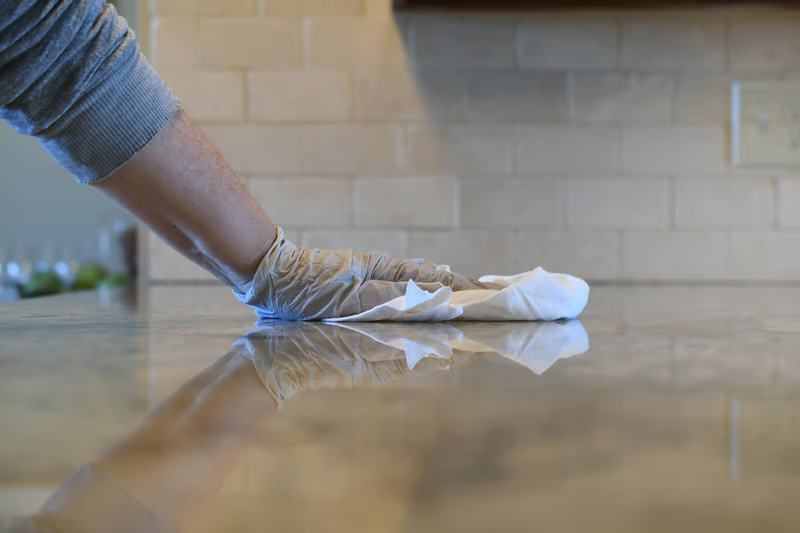
Proper care helps preserve the appearance of marble, regardless of the finish you choose. Although cleaning requirements can vary, these general practices are useful:
- Use a stone-safe cleaner: Choose a cleaner specifically suitable for natural marble.
- Avoid acidic products: Vinegar, lemon juice, and other acidic cleaners can damage marble by causing etching.
- Wipe spills promptly: Clean up liquids such as coffee, wine, and cooking oils before they have time to penetrate the stone.
- Use soft cleaning materials: Microfiber cloths and non-abrasive cleaning tools help avoid unnecessary surface damage.
- Follow sealing recommendations: Some marble surfaces benefit from an appropriate impregnating sealer. The need and frequency depend on the stone, finish, and intended use.
- Avoid harsh chemicals: Strong cleaning products and abrasive tools can affect the stone’s surface.
For additional guidance, follow the recommendations provided by your stone supplier or a qualified stone-care professional. To learn more about marble polishing, read our guide on What Are the Types of Polishing Marble?.
How S F Marble & Granite Can Help With Your Marble Project
Choosing the right marble involves considering its color, pattern, finish, and intended application. S F Marble & Granite focuses on marble and granite surfaces for residential projects, including countertops, flooring, and other interior applications.
Understanding the differences between marble finishes can help homeowners select a surface that matches their design preferences and project requirements. Whether you prefer the glossy appearance of polished marble or the natural texture of a brushed finish, it is helpful to compare available options before making a decision.
Contact us today to discuss your marble or granite project and explore suitable options for your space.
Conclusion
Understanding the different types of marble finishes makes it easier to choose a surface that matches your home’s style and practical needs. Polished marble offers a glossy appearance, honed marble provides a smooth matte look, and brushed marble creates a lightly textured surface. Tumbled, leathered, and sandblasted finishes offer additional choices for different design preferences.
Before making a decision, consider the installation area, maintenance requirements, and surface performance. Comparing physical samples can also help you see how each finish looks and feels before selecting marble for your project.
Frequently Asked Questions About Marble Finishes
1. What is the most common marble finish?
Polished and honed finishes are among the most common choices for marble. Polished marble has a glossy surface, while honed marble offers a smooth, matte appearance.
2. Which marble finish is best for flooring?
The best finish depends on the location and its use. Honed and textured finishes are often considered for flooring, but the actual slip resistance of the selected stone should be checked, especially in wet areas.
3. Is honed marble better than polished marble?
Neither finish is always better. Honed marble has a matte appearance and can make minor etching less noticeable, while polished marble provides a glossy surface that highlights natural veining.
4. Does brushed marble require special maintenance?
Brushed marble generally needs regular cleaning with products suitable for natural stone. Its texture may hold dirt in surface variations, so gentle brushing with an appropriate cleaning tool can help.
5. Can marble finishes be changed after installation?
In some cases, an existing marble surface can be refinished or polished by a qualified stone-care professional. However, the available options depend on the stone’s condition, thickness, and existing treatment.
6. Does the marble finish affect its durability?
A surface finish does not change the basic composition or hardness of the marble. However, it can affect how visible scratches, etching, and everyday wear appear on the surface.