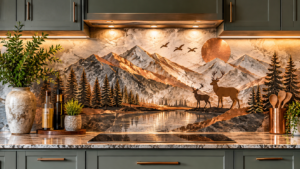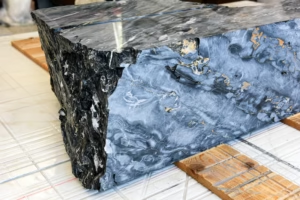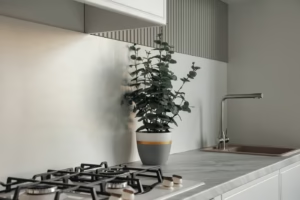
Granite is available in a wide range of natural colors, making it a popular choice for kitchen countertops, bathroom vanities, flooring, and other surfaces. The main colors of granite include white, black, gray, brown, beige, red, blue, and green. Its exact appearance depends on the minerals present in the stone, how they are distributed, and the natural patterns formed during its creation.
If you are choosing granite for your home, understanding its color options can help you select a stone that complements your cabinets, flooring, walls, and overall interior design. This guide explains the common colors of granite, what gives them their appearance, and what to consider before making a selection.
What Gives Granite Its Natural Color?
Granite is an igneous rock formed when molten magma cools slowly beneath the Earth’s surface. Its mineral composition determines its color, texture, and pattern.
The main minerals that influence granite’s appearance include:
-
Quartz: Usually clear, white, or gray, contributing to the lighter areas of granite.
-
Feldspar: Often white, pink, or reddish, and responsible for many of granite’s lighter and warmer shades.
-
Mica: Commonly black or brown, appearing as small reflective flakes.
-
Amphibole: Typically dark green or black, adding darker areas to some granite varieties.
The amount and combination of these minerals create the different colors and patterns found in natural granite. Even slabs sold under the same color name can look different because each piece has its own mineral distribution.
What Are the Main Colors of Granite?
Granite comes in several natural shades, from light neutrals to deep, dramatic colors. The following are some of the most common granite color options used in residential interiors.
1. White Granite
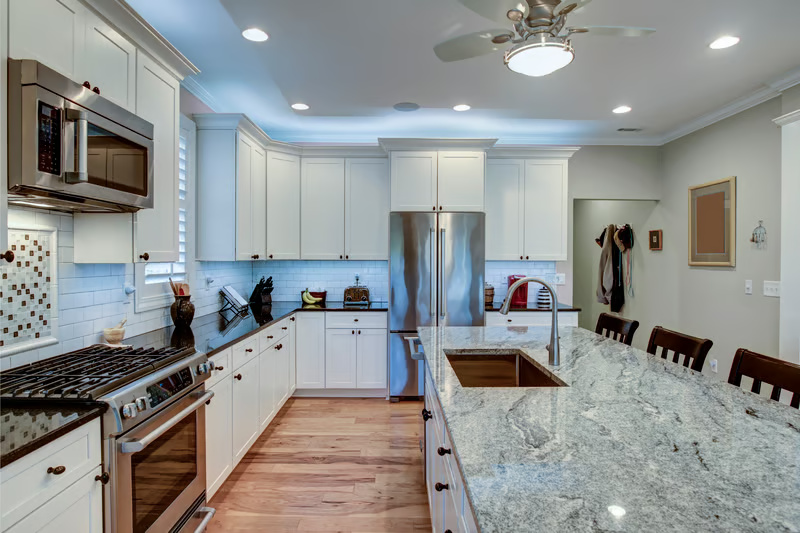
White granite is a popular option for homeowners who want a bright, open appearance. It commonly contains a white or light-colored background with gray, black, beige, or subtle pink mineral patterns.
Common features:
-
Creates a light and spacious appearance.
-
Complements white, gray, wood, and dark-colored cabinets.
-
May contain small dark mineral specks or flowing patterns.
-
Works well in kitchens, bathrooms, and other interior spaces.
White granite can be a good choice for both traditional and modern designs. However, the pattern and background color vary from slab to slab, so it is helpful to inspect the actual stone before purchasing.
2. Black Granite
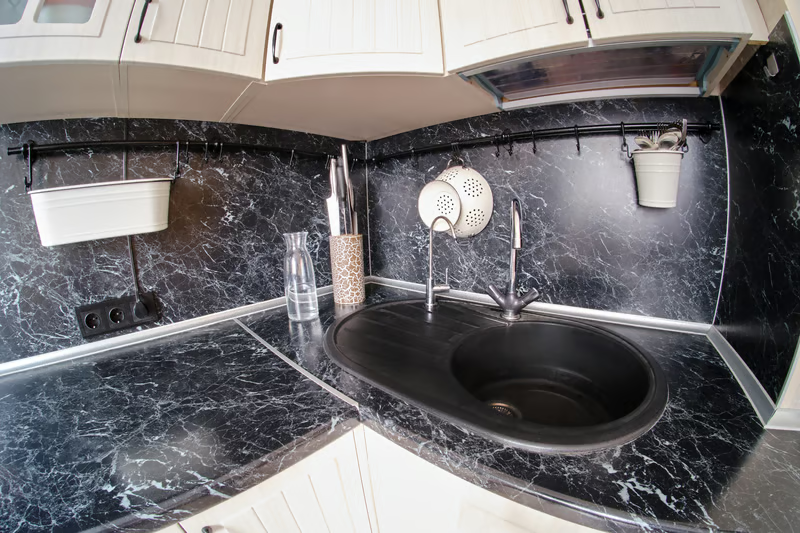
Black granite offers a bold appearance and can create a strong contrast with lighter cabinets and walls. Some varieties have a consistent dark background, while others contain white, gray, gold, or silver-colored mineral details.
Common features:
-
Creates a dramatic and sophisticated look.
-
Pairs well with white, cream, and natural wood cabinets.
-
Can make a strong visual statement in kitchens and bathrooms.
-
May have a polished, honed, or leathered finish, depending on the stone.
Black granite is often selected for kitchen countertops, islands, and bathroom vanities. Keep in mind that dust, water spots, and fingerprints may be more noticeable on some dark polished surfaces.
3. Gray Granite
Gray granite is a versatile option that fits many interior styles. Its appearance can range from pale silver-gray to deep charcoal, with white, black, or occasional beige mineral patterns.
Common features:
-
Works with both light and dark cabinetry.
-
Offers a neutral appearance without looking completely white or black.
-
Can complement stainless steel appliances.
-
Is suitable for contemporary and traditional interiors.
Gray granite is useful when you want a balanced countertop color that does not dominate the rest of the kitchen design.
4. Brown Granite
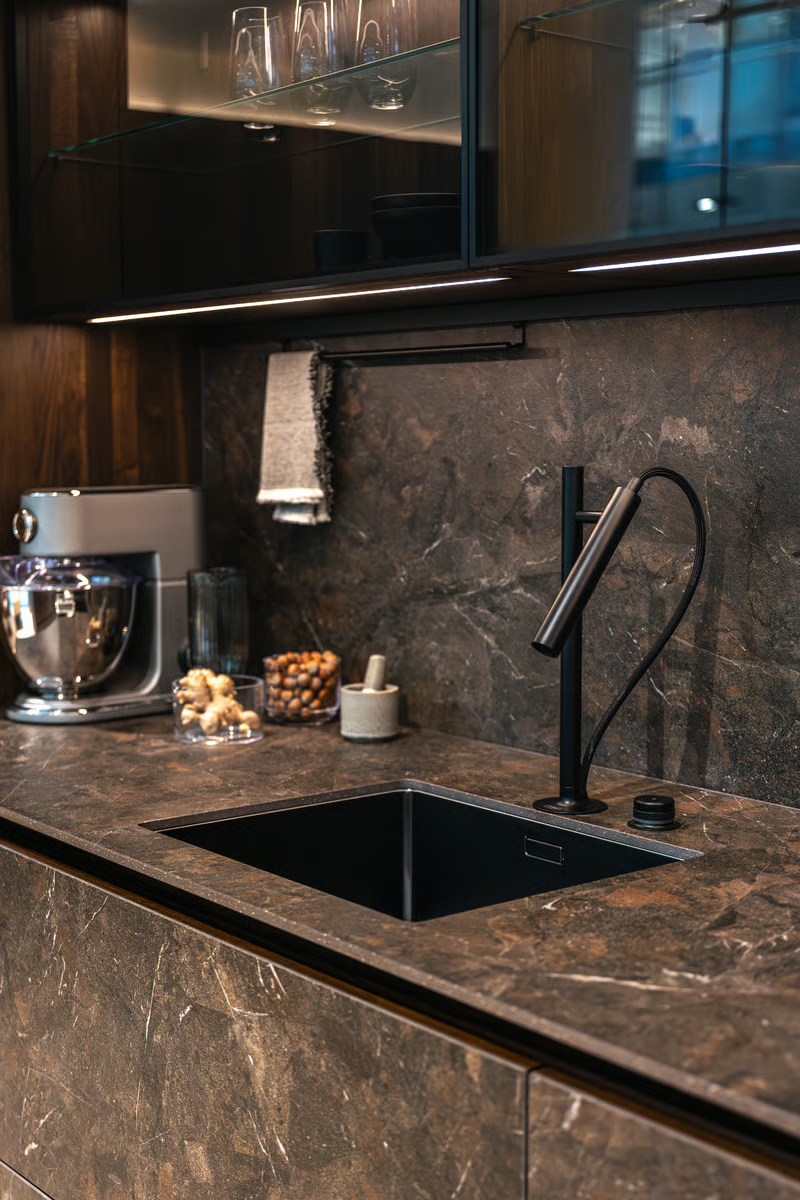
Brown granite contains warm shades that can range from light tan and caramel to deep chocolate brown. Some varieties include black, gold, cream, or reddish mineral details.
Common features:
-
Adds warmth to kitchens and bathrooms.
-
Complements wooden cabinets and beige interiors.
-
Can create a natural, earthy appearance.
-
Is available in both subtle and highly patterned designs.
Brown granite can work particularly well in spaces with warm-colored flooring, wood cabinetry, or cream walls.
5. Beige Granite
Beige granite is a neutral choice for homeowners who prefer warm, understated colors. It often contains cream, brown, gray, or black mineral patterns.
Common features:
-
Creates a soft and welcoming appearance.
-
Coordinates with cream, white, brown, and wood finishes.
-
Can suit traditional and transitional interiors.
-
Offers a warmer alternative to white or gray granite.
Because beige granite comes in different shades and patterns, compare the slab with your cabinet and flooring samples before making a final decision.
6. Red Granite
Red granite gets its color mainly from feldspar minerals. Its appearance can range from light pinkish-red to deep burgundy or reddish brown, often mixed with black, gray, or white grains.
Common features:
-
Adds a noticeable pop of color.
-
Works with neutral cabinets and simple interior designs.
-
Often has a distinctive mineral pattern.
-
Can become the main visual feature of a countertop or island.
Red granite is a more noticeable choice than neutral shades. It is worth checking how its color looks under your kitchen’s natural and artificial lighting.
7. Blue Granite
Blue granite is often chosen for its distinctive appearance. Depending on the stone, it may include blue, gray, silver, black, or white patterns.
Common features:
-
Provides a distinctive look for countertops and islands.
-
Can complement white, gray, and dark cabinetry.
-
May feature flowing patterns or reflective mineral details.
-
Works well when the countertop is intended to stand out.
Blue-colored stones sold commercially as granite can vary in mineral composition. Some may not meet the strict geological definition of granite, even though the stone trade uses the term more broadly.
8. Green Granite
Green granite ranges from soft sage and olive shades to deeper forest-green tones. Its appearance may include black, white, gray, or lighter green patterns.
Common features:
-
Brings a natural color into interior spaces.
-
Can complement white, cream, and wood cabinets.
-
Offers an alternative to common neutral countertop colors.
-
Is available in different patterns and finishes.
As with blue varieties, some commercially marketed green granite may be classified differently by geologists. Confirm the stone’s actual material and care requirements with the supplier.
Common Colors of Granite at a Glance
The following table provides a quick comparison of common granite colors and the interior styles they can complement.
| Granite color | Typical appearance | Cabinet colors that may complement it |
|---|---|---|
| White | White background with gray or dark specks | White, gray, navy, wood |
| Black | Deep black with subtle or contrasting patterns | White, cream, natural wood |
| Gray | Light silver to charcoal with mixed minerals | White, black, blue, wood |
| Brown | Tan, caramel, or chocolate with mixed patterns | Cream, beige, white, wood |
| Beige | Warm cream with brown or gray details | White, brown, cream |
| Red | Pinkish red to deep red with mineral grains | White, cream, dark wood |
| Blue | Blue-gray or blue tones with contrasting patterns | White, gray, navy |
| Green | Sage, olive, or deep green with mixed minerals | Cream, white, natural wood |
These are general design suggestions. The best combination depends on the exact slab pattern, cabinet finish, lighting, and other materials in the room.
How to Choose the Right Granite Color for Your Home

Choosing granite involves more than selecting a color you like. The countertop should complement the other materials in the room and suit your design preferences.
Consider these factors before making your selection:
1. Match the Granite With Your Cabinets
Your cabinet color can influence how the granite looks in the room.
-
White granite can complement dark, navy, gray, or white cabinets.
-
Black granite creates contrast with white or cream cabinetry.
-
Brown and beige granite work well with natural wood finishes.
-
Gray granite can coordinate with both light and dark cabinets.
If possible, compare a granite sample with your actual cabinet finish before making a decision.
2. Consider Your Flooring and Wall Colors
Your countertop should work with the flooring and wall finishes rather than compete with them. For example, warm beige granite may complement wood or tan flooring, while gray granite can coordinate with cool-toned tiles.
If your flooring has a noticeable pattern, consider granite with a simpler design. This can help create a more balanced appearance.
3. Check the Granite Pattern
Granite slabs have different natural patterns. Some feature small, evenly distributed mineral grains, while others have larger crystals, contrasting spots, or flowing patterns.
Consider whether you prefer:
-
A consistent appearance with subtle mineral details.
-
A speckled pattern with visible mineral grains.
-
A dramatic pattern with noticeable color variations.
The pattern can affect the overall appearance just as much as the background color.
4. View the Actual Slab
Natural granite is not manufactured in identical color batches. Two slabs with the same commercial name may have noticeable differences in shade, pattern, and mineral distribution.
For this reason, do not rely only on a small sample or an online photograph. Whenever possible, inspect the actual slab under lighting similar to the room where it will be installed.
5. Think About Maintenance and Surface Finish
Granite’s care requirements depend on the specific stone, its porosity, and the finish. Some granite surfaces may require periodic sealing, while others may need less frequent treatment.
The finish also affects its appearance:
-
Polished: Creates a glossy surface that highlights the stone’s colors and patterns.
-
Honed: Provides a smooth, matte appearance.
-
Leathered: Offers a textured finish with a softer sheen.
Ask the stone supplier or fabricator about the recommended cleaning, sealing, and maintenance requirements for the specific granite you are considering.
Does Granite Color Affect Its Price?
Granite pricing can vary depending on several factors, including the stone’s origin, rarity, availability, thickness, slab size, pattern, and fabrication requirements.
A less common color or distinctive pattern may cost more than a widely available variety. However, color alone does not determine the price. Two granite slabs with similar colors can have different prices because of their quality, source, and availability.
When comparing granite with another countertop material, consider the overall material and installation costs. You can also read our guide on Which Is More Expensive Granite or Quartz? to understand the factors that influence their prices.
How Natural Granite Colors Can Vary
One important thing to understand about granite is that natural stone does not have a perfectly uniform appearance. Its color comes from the minerals present in the rock, and their proportions can vary.
This means that:
-
A white granite slab may contain more gray or black mineral details than another slab with the same name.
-
Brown granite can range from light tan to deep chocolate shades.
-
Gray granite may contain silver, white, or darker mineral patterns.
-
Different slabs from the same commercial variety may not look exactly alike.
There is also a difference between geological and commercial stone terminology. In the stone industry, the word granite is sometimes used for several hard, crystalline stones that may not be classified as granite by geologists. For example, some products sold as black granite may be diabase, diorite, or gabbro. This is why confirming the actual stone type with your supplier is useful.
Conclusion
The main colors of granite include white, black, gray, brown, beige, red, blue, and green. Each option offers a different appearance, allowing homeowners to choose a countertop that complements their cabinets, flooring, and interior style.
Before selecting a granite color, compare the actual slabs, consider their natural patterns, and ask about maintenance requirements. At S F Marble & Granite, exploring different granite options can help homeowners make informed decisions about the appearance and material of their countertops.
Contact us today to discuss your granite countertop options and find a style that suits your home.
Frequently Asked Questions About Granite Colors
1. What is the most common color of granite?
White, gray, black, and brown are among the commonly available granite colors. Their popularity and availability can vary by supplier and region.
2. Which granite color is best for kitchen countertops?
The best color depends on your kitchen design and personal preference. White and gray granite offer neutral appearances, while black and brown granite can create stronger contrast or warmer surroundings.
3. Does granite come in natural colors?
Yes. Granite gets its natural colors from minerals such as feldspar, quartz, mica, and amphibole. Their proportions and distribution create different shades and patterns.
4. Is all black granite real granite?
No. Some stones sold commercially as black granite are geologically classified as other rock types, such as diabase, diorite, or gabbro. The natural stone industry sometimes uses commercial classifications that are broader than geological definitions.
5. Can two granite slabs have different colors?
Yes. Natural granite varies in mineral composition and pattern. Even slabs sold under the same commercial name may have differences in shade, grain size, and mineral distribution. Viewing the actual slab is recommended before selection.