Marble is a popular material for flooring, countertops, wall coverings, and interior decoration. However, not every marble-looking surface comes directly from a natural stone quarry. Some products are manufactured by combining crushed marble particles with binding materials to create a solid, uniform surface. These products are commonly described as compressed marble or agglomerated marble.
Compressed marble is a manufactured stone product made by combining marble fragments, chips, or powder with a binding material and processing the mixture into slabs or tiles. Unlike natural marble, which forms through geological processes, compressed marble is produced in a factory under controlled manufacturing conditions.
Understanding what compressed marble is, how it is manufactured, and how it differs from natural marble can help homeowners make informed decisions when selecting materials for their properties. This guide from S F Marble & Granite explains its composition, applications, benefits, limitations, and maintenance requirements.
What Is Compressed Marble?
Compressed marble is an engineered stone material manufactured using crushed natural marble, marble chips, or marble powder combined with a binding agent. Depending on the product, the binder may consist of polyester resin, hydraulic cement, or another suitable material.
During manufacturing, the stone particles and binder are mixed, placed into molds, compacted, and cured to create solid blocks or slabs. These products can then be processed into tiles, flooring materials, and decorative surfaces.
Compressed marble is also commonly associated with terms such as agglomerated marble, reconstituted marble, and artificial marble. However, product terminology can vary between manufacturers, so buyers should check the actual material composition before purchasing.
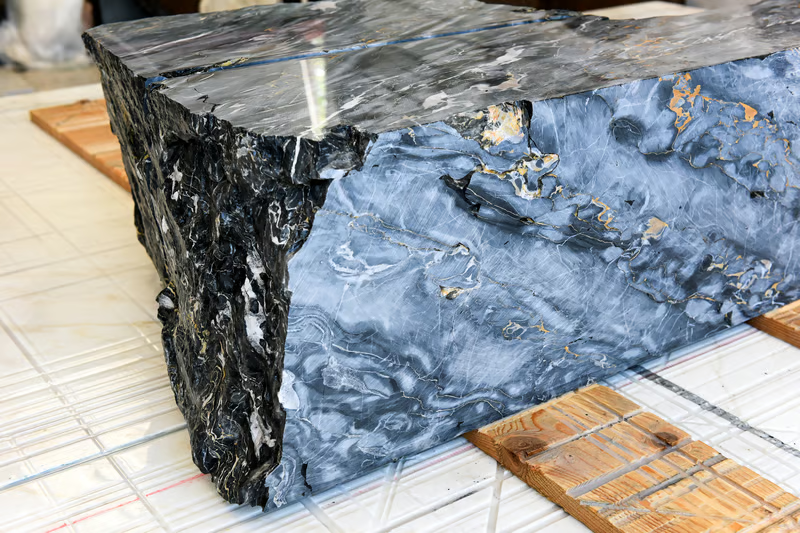
Unlike natural marble, compressed marble does not come from a single quarried block. Its appearance and physical characteristics depend on the stone particles, binder, pigments, and manufacturing process used.
You Can Read About Marble Countertops Pros and Cons.
How Is Compressed Marble Manufactured?
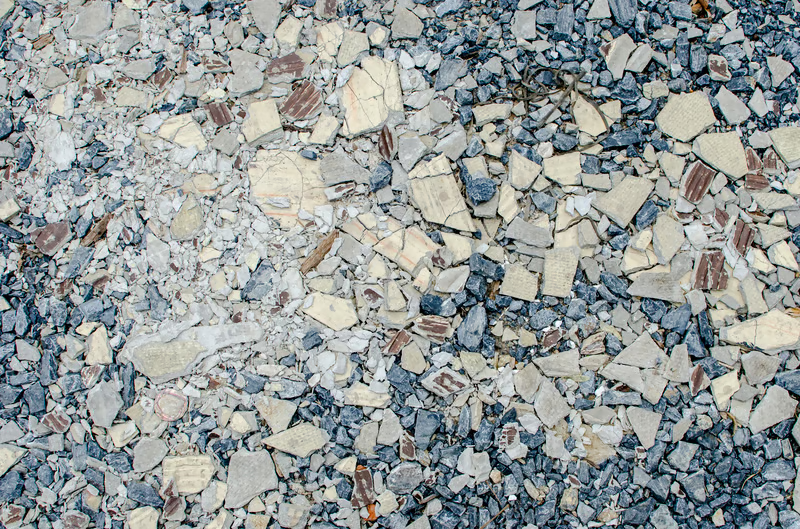
Compressed marble is produced through an industrial manufacturing process that combines natural stone particles with binding materials. Although individual manufacturers may use different techniques, the general process involves several stages.
1. Collecting and Preparing Marble Particles
The process begins with natural marble fragments, chips, or powder. These materials may come from marble processing operations or other suitable stone sources.
The particles are sorted and prepared to achieve the required size distribution and appearance. Different particle sizes can create different surface patterns and textures.
2. Mixing Stone Aggregates With a Binder
The prepared marble particles are mixed with a binding material. Common binders include polyester resin and hydraulic cement.
The binder holds the stone particles together and helps create a solid composite material. Pigments and other additives may also be introduced to achieve particular colors or product characteristics.
3. Molding and Compaction
The mixture is placed into molds or manufacturing equipment and compacted to create a uniform structure.
Depending on the production method, manufacturers may use vibration, pressure, or vacuum-assisted processes to reduce air pockets and improve material consistency.
4. Curing and Hardening
After compaction, the material undergoes curing. This allows the binding agent to harden and hold the marble particles together.
The curing conditions depend on the type of binder and the manufacturer’s production process.
5. Cutting, Polishing, and Finishing
Once the material has hardened, the blocks or slabs are cut into the required dimensions. Manufacturers may then grind, polish, or apply other surface finishes.
The finished products can be supplied as flooring tiles, slabs, and other decorative building materials.
What Is Agglomerate Stone?
Agglomerate stone is a broad category of manufactured stone products made by combining natural stone aggregates with a binding material.
The aggregates may include marble, granite, quartz, and other suitable stone materials. Depending on the product, the binding agent may be resin, hydraulic cement, or a combination of materials.
The finished product is manufactured in a factory and can be supplied in different forms, including slabs, tiles, and cut-to-size pieces.
Compressed marble is generally a marble-based type of agglomerated stone. The main difference is that agglomerate stone describes a broader material category, while compressed marble specifically refers to a manufactured product based on marble particles.
For example, a manufacturer may produce agglomerated stone using marble aggregates for flooring or quartz aggregates for other applications. These materials belong to the broader agglomerated stone category but have different compositions and properties.
What Is Compressed Marble Flooring?
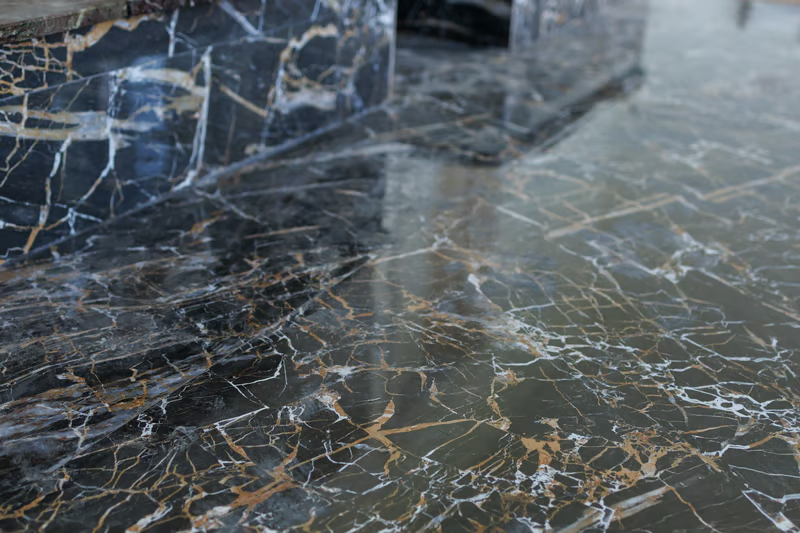
Compressed marble flooring is a manufactured flooring material made from marble particles combined with a suitable binder. The mixture is compacted and processed into tiles or other flooring formats.
It is designed to provide a marble-based appearance with more controlled patterns and manufacturing consistency than many natural marble products.
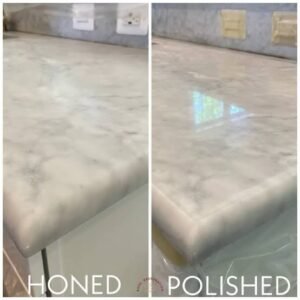
Compressed marble flooring is available in different colors, patterns, sizes, and surface finishes. Depending on the manufacturer, it may feature a polished, honed, or textured appearance.
When choosing natural stone for your home, understanding which is better for flooring, granite or marble? can help you select a material that suits your style, durability expectations, and maintenance needs.
Where Is Compressed Marble Flooring Used?
Compressed marble flooring can be considered for several interior applications, including:
- Living rooms: Its marble-based appearance can complement different interior design styles.
- Bedrooms: Selected products can provide a decorative and coordinated flooring finish.
- Hallways: Suitable flooring products can create a consistent appearance in frequently used interior spaces.
- Commercial interiors: Certain products may be appropriate for offices, reception areas, and other commercial environments.
- Decorative spaces: Different colors and patterns can be used to complement interior design features.
Before choosing compressed marble flooring, check the manufacturer’s specifications for abrasion resistance, water absorption, slip resistance, and suitability for the intended location. Not every product is appropriate for every flooring application.
Compressed Marble vs Natural Marble: What Is the Difference?
Compressed marble and natural marble may have similar appearances, but they are different materials. Their composition, manufacturing processes, patterns, and maintenance requirements can vary.
Natural marble is a metamorphic rock formed when limestone or dolostone undergoes heat and pressure over geological periods. Compressed marble, on the other hand, is manufactured by combining marble particles with binding materials.
Here is a comparison of their main characteristics:
| Feature | Compressed Marble | Natural Marble |
|---|---|---|
| Composition | Marble particles and binding materials | Naturally formed metamorphic rock |
| Manufacturing | Factory-produced | Extracted from natural stone deposits |
| Appearance | Can have controlled or repeated patterns | Natural veining and mineral variations |
| Color options | May include added pigments | Depends on natural mineral composition |
| Pattern consistency | Often more uniform | Each slab may have unique patterns |
| Material structure | Composite material | Natural stone |
| Maintenance | Depends on binder and surface finish | Depends on stone characteristics and finish |
| Applications | Flooring and decorative surfaces | Flooring, countertops, walls, and other stone applications |
Which Material Should You Choose?
The right choice depends on the project’s requirements, appearance preferences, maintenance expectations, and budget.
Choose compressed marble when you prefer a manufactured marble-based product with a particular pattern or appearance. It may also be worth considering when consistent colors and designs are important.
Natural marble may be more suitable when you appreciate naturally formed veining, individual slab variations, and the characteristics of genuine quarried stone.
Before making a decision, compare the technical specifications, installation requirements, and long-term maintenance needs of the actual products rather than relying on appearance alone.
What Are the Advantages of Compressed Marble?
Compressed marble offers several potential benefits depending on its composition and manufacturing quality.
1. Consistent Appearance
Because compressed marble is manufactured using selected stone particles, pigments, and binders, producers can create more controlled colors and patterns. This can be useful for projects requiring a coordinated appearance across multiple tiles.
2. Different Design Options
Manufacturers can combine different marble particle sizes, colors, and pigments to create various surface designs. This provides options for homeowners who want a particular decorative appearance.
3. Use of Marble Processing By-Products
Some manufacturers use marble fragments and particles generated during natural stone processing. This can provide another use for suitable stone materials that might otherwise become waste.
4. Multiple Product Formats
Compressed marble can be manufactured into slabs, tiles, and other shapes. This makes it suitable for different decorative and interior applications, depending on the product specifications.
What Are the Disadvantages of Compressed Marble?
Although compressed marble has several useful characteristics, it also has limitations that buyers should understand.
1. It Is Not Natural Marble
Compressed marble is a manufactured composite, not a solid piece of naturally quarried marble. Buyers looking for genuine natural stone with unique geological patterns may prefer natural marble.
2. Properties Depend on the Binder
The performance of compressed marble depends on the type and quantity of binding material, stone composition, and manufacturing quality. Products made with different binders may respond differently to moisture, heat, and cleaning chemicals.
3. Repair and Maintenance Requirements Can Vary
Some compressed marble products may require specialized cleaning products or repair materials. The appropriate maintenance method depends on the binder and surface finish.
4. Not Every Product Is Suitable for Every Application
A product designed for decorative wall coverings may not be suitable for flooring or kitchen countertops. Buyers should verify the intended application and technical specifications before installation.
How Do You Maintain Compressed Marble?
Proper maintenance helps preserve the appearance and condition of compressed marble surfaces. Since different products may use different binders and finishes, always follow the manufacturer’s care instructions.
Here are some general maintenance recommendations:
- Clean regularly: Remove dust and loose dirt using a soft cloth, microfiber mop, or suitable cleaning equipment.
- Use appropriate cleaners: Choose a pH-neutral cleaner approved for the particular product.
- Avoid harsh chemicals: Do not use acidic cleaners, abrasive powders, or strong chemicals unless the manufacturer confirms they are suitable.
- Clean spills promptly: Remove liquids and food spills to reduce the possibility of staining.
- Prevent surface damage: Use suitable protective pads beneath furniture and avoid dragging heavy objects across the surface.
- Follow product-specific instructions: Ask the supplier whether the material requires sealing or any special protective treatment.
Remember that a maintenance method suitable for natural marble may not automatically be appropriate for every compressed marble product.
What Should You Check Before Buying Compressed Marble?

Before purchasing compressed marble for a renovation or construction project, evaluate more than its color and surface appearance.
Consider these factors:
- Material composition: Ask whether the product contains polyester resin, cement, or another binder.
- Intended application: Confirm whether it is manufactured for flooring, wall coverings, countertops, or another purpose.
- Water absorption: Review the manufacturer’s test results, especially for bathrooms and other moisture-prone areas.
- Surface resistance: Check abrasion, scratch, and impact resistance according to the intended use.
- Slip resistance: For flooring, review the product’s slip-resistance rating and suitability for wet areas.
- Installation requirements: Confirm the recommended adhesive, substrate preparation, joint spacing, and installation method.
- Warranty and maintenance: Review the warranty conditions and recommended cleaning procedures.
Requesting a sample and technical product sheet can help you compare different options before committing to a purchase.
Conclusion: Is Compressed Marble the Right Choice?
Compressed marble is a manufactured stone product created by combining marble particles with binding materials to produce slabs or tiles. It is often associated with agglomerated marble and can be used in flooring, wall coverings, and other decorative applications.
Its controlled appearance and different design options make it worth considering for certain interior projects. However, it is important to understand that compressed marble is not the same as natural marble. Its performance depends on the materials, binder, manufacturing process, and intended application.
At S F Marble & Granite, understanding the differences between natural and manufactured stone products can help homeowners make more informed decisions about their surfaces. Before selecting a material, compare its composition, technical specifications, appearance, and maintenance requirements to find an option that suits your project.
Contact Us today for further information.
Frequently Asked Questions About Compressed Marble
1. Is compressed marble real marble?
Compressed marble contains natural marble particles or fragments combined with binding materials. However, it is a manufactured product rather than a solid piece of naturally quarried marble.
2. Is compressed marble the same as agglomerated marble?
Compressed marble and agglomerated marble are closely related terms. Agglomerated marble generally refers to marble particles combined with a binding agent to create a manufactured stone product. Terminology may vary between manufacturers.
3. What is compressed marble flooring?
Compressed marble flooring is a manufactured flooring material made from marble particles and binding materials. It is processed into tiles or slabs and comes in different colors, patterns, and finishes.
4. Is compressed marble better than natural marble?
Neither material is automatically better. Compressed marble offers more controlled patterns and manufactured designs, while natural marble provides unique geological veining and natural stone characteristics. The right choice depends on the intended application, appearance, and maintenance requirements.
5. Is compressed marble suitable for bathrooms?
Some compressed marble products are suitable for bathroom applications, but suitability depends on water absorption, surface finish, slip resistance, and manufacturer specifications. Always check the product’s technical information before installation.
6. Does compressed marble need sealing?
Sealing requirements depend on the product’s composition and surface finish. Some products may require protective treatment, while others may not. Follow the manufacturer’s recommendations rather than assuming all compressed marble needs sealing.
7. What is the difference between agglomerate stone and natural stone?
Agglomerate stone is manufactured by combining natural stone particles or aggregates with a binding material. Natural stone is extracted from geological deposits and is not manufactured by combining separate stone particles with a binder.
8. How do you clean compressed marble?
Use a soft cloth or microfiber mop with a manufacturer-approved, pH-neutral cleaner. Avoid harsh chemicals and abrasive cleaning products unless the manufacturer confirms they are safe for the particular surface.