Choosing between honed and polished marble can affect the appearance, maintenance, and everyday use of your countertops or floors. Both finishes offer the natural beauty of marble, but they create different looks and can show wear in different ways.
Honed marble is often the better choice for homeowners who prefer a matte appearance and want minor etch marks to be less noticeable. Polished marble is better for those who prefer a glossy finish that highlights the stone’s colors and veining. Neither finish is completely resistant to stains, scratches, or acid damage.
Understanding the difference between honed and polished marble can help you choose a finish that suits your room, lifestyle, and maintenance preferences. S F Marble & Granite can be your resource for exploring marble surfaces and comparing finishes before making a decision.
What Does Honed Marble Mean?
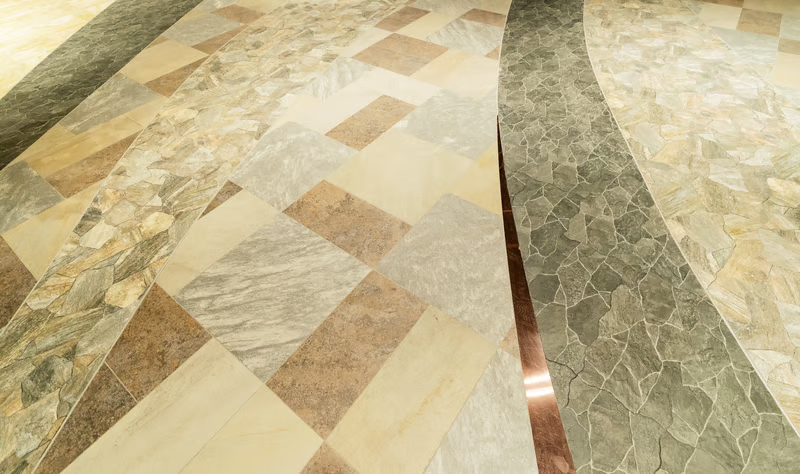
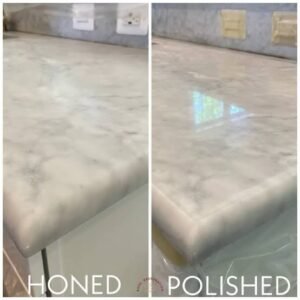
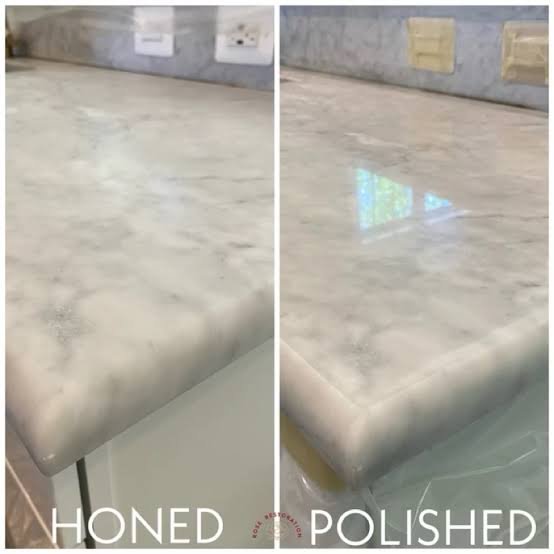
Honed marble is natural marble finished to create a smooth, matte or low-sheen surface rather than a glossy shine. During fabrication, the stone is ground with progressively finer abrasives, but the process stops before the high polish is achieved.
The result is a softer, more understated appearance that works well in modern, traditional, and minimalist interiors.
Honed marble is commonly considered for:
Kitchen countertops and islands
Bathroom vanities
Bathroom floors
Shower walls and other interior surfaces
Decorative fireplace surrounds
One advantage of a honed finish is that small etch marks and minor changes in surface appearance may be less noticeable than they are on glossy marble. However, honed marble can absorb liquids more readily depending on the specific stone and treatment, so sealing and appropriate cleaning remain important.
What Is Polished Marble?
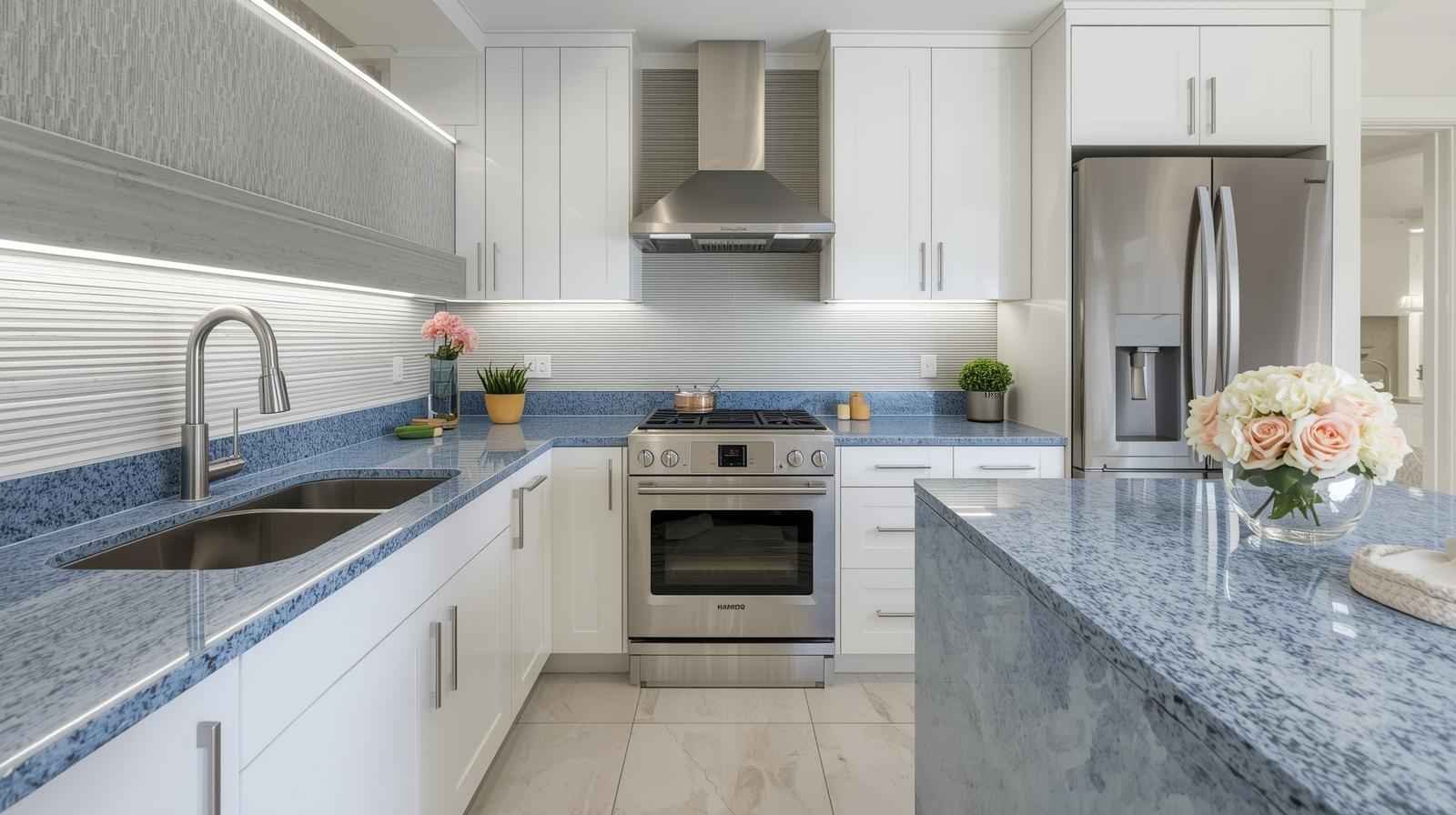
Polished marble has a smooth, glossy surface created through additional grinding and polishing. The reflective finish gives the stone a luxurious appearance and can make its natural colors and veins look deeper and more pronounced.
Polished marble is a popular choice for homeowners who want a bright, elegant interior with a reflective stone surface.
Common applications include:
Kitchen backsplashes
Bathroom walls and vanities
Decorative fireplace surrounds
Entryways and selected interior floors
Tabletops and other decorative surfaces
Polished marble can be easier to wipe clean because its surface is generally less absorbent than the same stone with a honed finish. However, this does not make it stain-proof or acid-proof. Etching from acidic liquids can be particularly visible against a glossy surface.
For flooring, especially in bathrooms and other wet areas, confirm that the specific finish meets the project’s slip-resistance requirements.
Honed vs. Polished Marble: What Is the Difference?
The main difference is the level of shine. Honed marble has a matte or satin-like appearance, while polished marble has a reflective gloss. That difference also affects how the stone looks under lighting and how easily certain marks can be noticed.
| Feature | Honed marble | Polished marble |
|---|---|---|
| Appearance | Matte or soft satin | Glossy and reflective |
| Color and veining | Often appears softer | Often looks deeper and more defined |
| Minor etch marks | Usually less noticeable | Often more noticeable |
| Stain sensitivity | May absorb liquids more readily | Generally less absorbent |
| Slip considerations | May offer better traction, depending on finish | Can be slippery when wet |
| Cleaning | Requires stone-safe products | Requires stone-safe products |
| Best suited for | Understated, natural-looking interiors | Glossy, formal, or dramatic interiors |
These differences are general rather than universal. The marble variety, surface treatment, sealer, installation, and surrounding lighting can all influence the final result.
If you are exploring other natural stone options for your home, read our guide to
Unlocking the Beauty of Travertine Tile to learn more about its appearance and design possibilities.
Is Honed Marble Better for Kitchen Countertops?
Honed marble can be a practical choice for kitchen countertops if you prefer a natural, understated finish and do not want every minor etch mark to stand out.
Kitchen surfaces regularly encounter food, beverages, cooking oils, and cleaning products. Marble is sensitive to acids, including lemon juice, vinegar, and some common household cleaners. These substances can react with the stone and leave dull marks known as etching.
On polished marble, an etched area interrupts the glossy reflection and can be easy to spot. On honed marble, the same type of damage may blend into the matte surface more effectively.
However, honed marble is not damage-proof. Its surface may be more susceptible to visible staining, depending on the stone and its treatment.
To care for either finish:
Wipe up spills promptly, especially acidic liquids and oils.
Use a pH-neutral cleaner formulated for natural stone.
Avoid vinegar, lemon-based cleaners, and abrasive cleaning products.
Use cutting boards and coasters to reduce everyday wear.
Ask a qualified stone professional whether a penetrating sealer is appropriate and when it should be reapplied.
If you love marble but want a countertop that looks forgiving during everyday kitchen use, honed marble is worth considering. If you prefer a shiny, high-contrast appearance and are comfortable managing visible etching, polished marble may be the better match.
Is Honed Marble Better for Bathroom Floors?
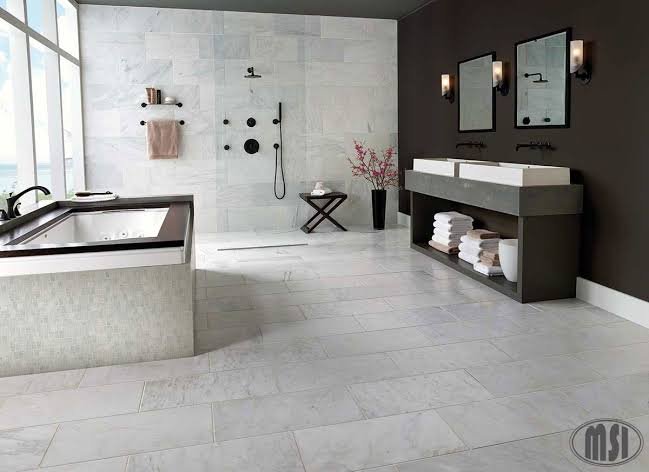
Honed marble is often considered for bathroom floors because it has less surface shine and may provide better traction than polished marble. It can also create a calm, spa-like appearance.
However, a honed finish does not automatically make a marble floor slip-resistant. Actual traction depends on the stone, the finish’s texture, the tile size, the installation, and whether the surface is wet or contaminated with soap.
Before selecting marble for a bathroom floor or shower, ask your supplier or installer to confirm that the specific product is suitable for the intended wet area.
For bathroom walls, decorative surrounds, and vanity tops, either finish may work well. The best choice depends on the look you want and how much maintenance you are prepared to manage.
Can You Polish Honed Marble?
Yes, honed marble can generally be polished to create a glossier finish. Professional stone restoration specialists use suitable abrasives and polishing methods to change the surface finish.
The process may involve:
Inspecting the marble to identify its condition, existing treatments, and any damage.
Preparing and cleaning the surface.
Using appropriate abrasives to refine the stone.
Applying the necessary polishing process to achieve the desired sheen.
Cleaning the surface and checking the consistency of the finish.
The exact procedure depends on the marble variety, the condition of the surface, and the required level of gloss.
If your honed marble has scratches, stains, or etch marks, those problems may need to be addressed before polishing. A professional assessment is advisable for large countertops, floors, or surfaces with uneven wear.
Keep in mind that polishing changes the appearance, not the stone’s underlying sensitivity to acids. A polished marble surface can still etch when exposed to acidic substances.
Which Marble Finish Is Easier to Maintain?
Neither honed nor polished marble is maintenance-free. The easier option depends on which kinds of marks bother you most and how you use the surface.
Honed marble can be more forgiving when it comes to the appearance of minor etching and everyday surface wear. However, some honed stones may absorb spills more readily, making stain prevention important.
Polished marble generally has lower absorbency than the same stone in a honed finish, but its reflective surface can make dull spots and fine scratches more noticeable.
For both finishes, follow these basic care practices:
Clean regularly with a suitable pH-neutral stone cleaner.
Blot spills rather than allowing liquids to sit on the surface.
Avoid acidic cleaners and products not approved for marble.
Dry surfaces after cleaning to reduce residue and water spotting.
Have the stone assessed if you notice persistent stains, significant etching, or deep scratches.
A sealer can help reduce liquid absorption and staining when appropriate for the stone. It will not prevent acid etching, eliminate the need for cleaning, or make marble completely stain-proof.
If you are also comparing different countertop materials for your home, consider your budget, intended use, and maintenance expectations before selecting a surface.
How to Choose Between Honed and Polished Marble
Before making your final decision, consider these four factors.
1. Your preferred appearance: Choose honed marble for a soft, matte look. Choose polished marble if you want shine and more pronounced visual contrast.
2. Where the marble will be installed: Honed finishes are often considered for floors and busy kitchen surfaces, while polished finishes are popular for decorative walls and vanities. Check suitability for wet areas separately.
3. Your tolerance for visible marks: If dull etch marks against a glossy background would bother you, honed marble may be more forgiving visually. Neither finish prevents the damage itself.
4. Your cleaning habits: Both finishes require prompt spill cleanup and marble-safe products. Consider how frequently the surface will encounter food, cosmetics, oils, and household cleaners.
Whenever possible, compare honed and polished samples of the same marble variety under the lighting conditions of your room. This makes it easier to judge the finish itself rather than confusing differences in color or veining with differences in sheen.
Why Does Your Marble Finish Matter?
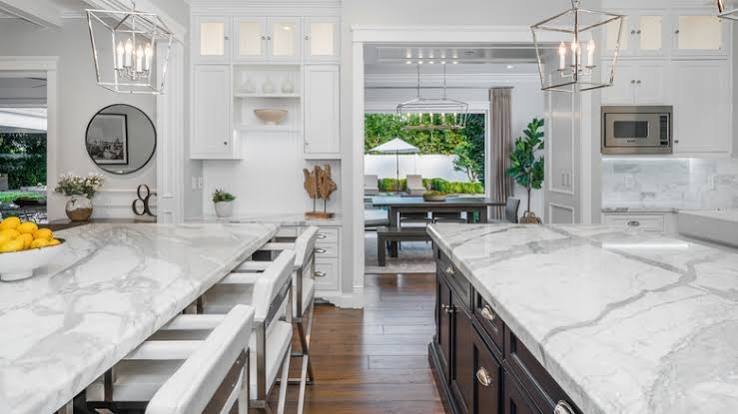
Choosing the right marble finish can make a significant difference in the appearance and maintenance of your home. If you are comparing honed vs polished marble, the best option depends on where the stone will be installed and the look you prefer. Honed marble has a smooth, matte finish that creates a subtle, natural appearance, while polished marble features a glossy surface that highlights the stone’s colors and veining. Both finishes have advantages and limitations. Understanding the difference between honed and polished marble can help you choose the right option for kitchen countertops, bathroom vanities, and flooring. S F Marble & Granite can help homeowners explore marble finishes and select an option that suits their design preferences and everyday needs.
Final Thoughts
So, is honed marble better than polished? Honed marble is often the better choice for a softer appearance and less noticeable etching, while polished marble is ideal for homeowners who prefer a glossy finish and more pronounced veining.
Neither option is universally superior. Your decision should reflect the location, expected use, appearance, and maintenance requirements of the stone.
Before choosing a finish for your next countertop, vanity, or flooring project, compare samples and discuss the practical differences with a qualified stone professional. S F Marble & Granite can be included naturally in your research as you explore marble options for your home.
Contact Us today to explore quality marble options and find the perfect finish for your home.
Frequently Asked Questions
1. Is honed marble better than polished marble?
Honed marble is often better for homeowners who prefer a matte finish and want minor etch marks to be less noticeable. Polished marble is a better choice if you prefer a glossy surface that highlights the stone’s natural colors and veining.
2. What does honed marble mean?
Honed marble is natural marble finished to create a smooth, matte or low-sheen surface. Unlike polished marble, it does not have a high-gloss shine.
3. Can you polish honed marble?
Yes, honed marble can generally be polished to achieve a glossy finish. A stone restoration professional can assess the surface and determine the appropriate polishing method.
4. Is honed marble easier to maintain than polished marble?
Not necessarily. Honed marble may conceal minor etching more effectively, but some honed surfaces absorb liquids more readily. Polished marble is generally less absorbent, although scratches and etch marks can be more noticeable.
5. Does honed marble stain more easily than polished marble?
Honed marble may be more susceptible to liquid absorption than the same stone with a polished finish. Both finishes can stain, so prompt spill cleanup, suitable stone cleaners, and appropriate sealing are important.
6. Is honed marble better for kitchen countertops?
Honed marble can be a good option for kitchen countertops because its matte appearance may make minor etch marks less noticeable. However, it still requires careful maintenance to reduce staining and acid damage.
7. Is polished marble slippery when wet?
Polished marble can be slippery when wet, particularly on floors. Actual slip resistance depends on the stone, surface finish, tile size, and installation conditions. Choose flooring specifically suited to the intended wet area.
8. Does honed marble need to be sealed?
Honed marble may benefit from a suitable penetrating sealer, depending on the stone and its intended use. Sealing can reduce liquid absorption, but it does not prevent acid etching or make marble completely stain-proof.