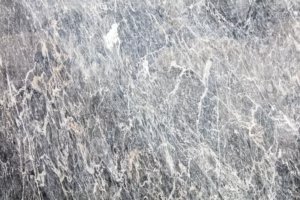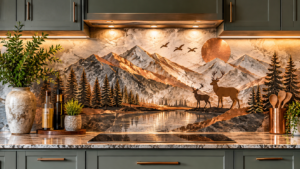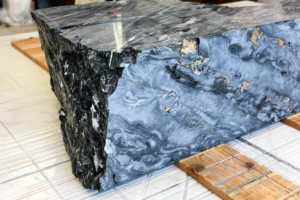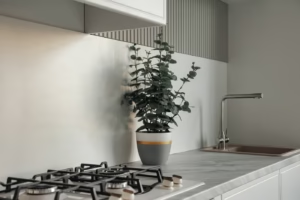
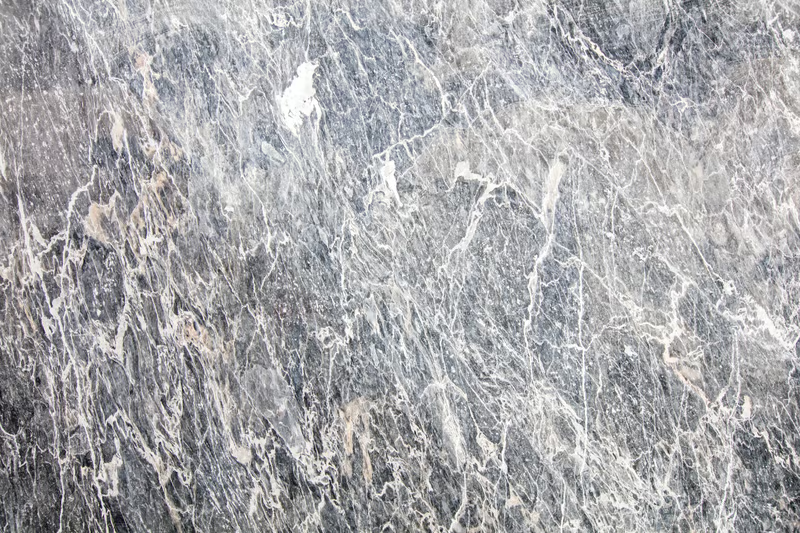
Marble is available in several surface finishes, each offering a different appearance and feel. While polished marble is known for its glossy surface, other finishes provide a more natural and textured look. Brushed marble is one such option, often chosen for its subtle texture and gently aged appearance.
What is brushed marble? Brushed marble is natural marble treated with abrasive brushes to create a slightly textured, worn-looking surface. This finishing process reduces the stone’s shine and gives it a soft, natural appearance while preserving its original patterns and veining.
A brushed marble finish can be used in different interior and exterior applications, including flooring, bathrooms, walls, and selected outdoor spaces. Understanding its characteristics, benefits, and maintenance requirements can help homeowners decide whether this finish is suitable for their projects.
What Is a Brushed Marble Finish?
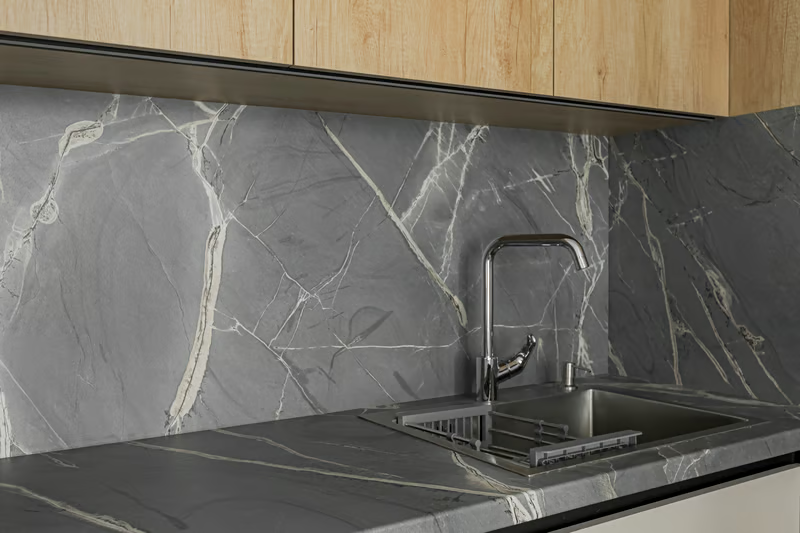
A brushed marble finish is a surface treatment that gives natural marble a gently textured and weathered appearance. It is created by passing specialized abrasive brushes over the stone’s surface. These brushes gradually work on the softer areas of the marble, producing a subtle texture.
Unlike polished marble, which reflects light and has a glossy appearance, brushed marble has a softer finish with less reflection. Its surface may feel slightly uneven or textured, depending on the brushing technique and the type of marble.
This finish also highlights the natural characteristics of the stone, including its veins, mineral variations, and color patterns. As a result, brushed marble offers a more relaxed and rustic appearance without losing the natural beauty of marble.
How Is Brushed Marble Made?
Creating brushed marble involves specialized tools and surface-finishing techniques. The process is designed to develop a consistent texture while maintaining the natural characteristics of the stone.
The general process includes the following steps:
- Selecting the marble: A suitable marble slab or tile is selected according to its natural characteristics, color, and intended application.
- Preparing the surface: The marble is cleaned and prepared to remove dust, residue, and other surface contaminants.
- Applying abrasive brushes: Specialized rotary brushes with abrasive materials are used to work across the marble surface. The brushing process creates a slightly worn and textured appearance.
- Adjusting the texture: The brushing intensity and abrasive tools determine how pronounced the final texture will be.
- Cleaning and inspection: The finished marble is cleaned and inspected to ensure the desired appearance and surface quality.
The final result depends on the marble variety, its mineral composition, and the finishing technique. Different brushing methods can produce slightly different levels of texture and sheen.
What Does Brushed Marble Texture Look Like?
Brushed marble has a distinctive surface that combines natural stone patterns with a subtle texture. It does not have the mirror-like appearance of polished marble or the completely smooth feel associated with a typical honed finish.
Its main visual and physical characteristics include:
- Soft appearance: The surface has a low-shine or matte appearance rather than a highly reflective finish.
- Natural texture: Brushing creates slight surface variations that can be noticed through touch.
- Visible veining: Natural marble veins and color variations remain visible, although their appearance may look softer than on polished marble.
- Aged character: The surface can resemble naturally weathered stone, making it suitable for rustic and traditional designs.
- Subtle variations: The final texture and appearance may differ depending on the marble type and brushing process.
These characteristics make brushed marble an option for homeowners who prefer natural-looking stone surfaces over highly polished finishes.
Benefits of Brushed Marble
Brushed marble offers several benefits for residential and commercial projects. Its combination of natural appearance and textured surface makes it suitable for different design preferences.
1. Natural and Attractive Appearance
One of the main benefits of brushed marble is its understated appearance. The brushing process reduces the glossy reflection and creates a more natural-looking surface.
It works particularly well in spaces where homeowners want marble to complement other materials rather than become an overly shiny focal point.
2. Subtle Surface Texture
Brushed marble has a slightly textured surface that provides a different experience from smooth marble finishes. This texture can offer additional traction compared with polished marble in certain applications.
However, the actual slip resistance depends on the stone, the degree of brushing, installation conditions, and whether the surface becomes wet. A brushed finish should not automatically be considered slip-proof.
3. Helps Conceal Minor Surface Marks
The natural variations and texture of brushed marble can make some minor scratches, fingerprints, and everyday marks less noticeable than on a glossy polished surface.
This does not mean the stone is scratch-proof or resistant to damage. It simply has a surface appearance that may be more forgiving of certain signs of everyday use.
4. Suitable for Different Design Styles
Brushed marble works with several interior design styles, including rustic, traditional, Mediterranean, and contemporary spaces.
Its soft appearance can complement natural wood, neutral-colored cabinets, textured walls, and other natural materials.
5. Versatile Applications
Depending on the marble variety and its technical suitability, a brushed finish can be used for flooring, wall applications, bathroom surfaces, and selected outdoor installations.
Choosing the right stone and finish for the intended environment is important for long-term performance.
Where Can Brushed Marble Be Used?
Brushed marble can be incorporated into different areas of a home or commercial property. Its textured appearance makes it particularly suitable for projects that require a natural stone finish.
Marble Flooring
Brushed marble flooring provides a softer alternative to glossy marble floors. Its textured appearance can complement entryways, hallways, living areas, and other interior spaces.
For flooring exposed to moisture or heavy foot traffic, the stone’s slip performance and suitability should be evaluated before installation.
Bathroom Walls and Floors
Brushed marble can add natural character to bathroom interiors. It can be used for wall cladding, decorative surfaces, and appropriately selected floor applications.
The finish can also complement other bathroom materials, creating a coordinated and understated appearance.
For more inspiration, explore our guide to Marble Bathroom Ideas.
Kitchen Applications
Brushed marble can be considered for selected kitchen surfaces, including backsplashes and decorative wall features. Some homeowners also choose textured stone finishes for countertops.
However, marble is sensitive to acidic substances and can develop etching from common kitchen ingredients. Proper sealing and suitable cleaning practices are important for protecting marble surfaces.
Outdoor Spaces
Certain brushed marble products may be suitable for patios, walkways, and other outdoor applications.
Before choosing marble for an exterior project, consider weather exposure, water absorption, surface slip performance, and the manufacturer’s installation recommendations.
Brushed Marble vs. Honed Marble
Brushed and honed marble are two different surface finishes that offer alternatives to glossy polished marble. Although both generally have less shine, their textures and finishing methods are different.
| Feature | Brushed Marble | Honed Marble |
|---|---|---|
| Surface texture | Slightly textured | Smooth and flat |
| Appearance | Weathered and natural | Soft and understated |
| Shine | Low or subtle sheen | Matte or satin |
| Finishing method | Abrasive brushing | Grinding with progressively finer abrasives |
| Surface feel | Slightly uneven | Smooth to the touch |
| Common applications | Floors, walls, selected outdoor areas | Floors, bathrooms, countertops, and walls |
Which one should you choose?
Brushed marble may be a suitable choice if you prefer a naturally textured surface with an aged appearance. Honed marble is generally better suited to projects where you want a smooth, non-glossy finish.
The right option depends on your design preferences, intended application, maintenance expectations, and the performance requirements of the space.
How to Clean and Maintain Brushed Marble
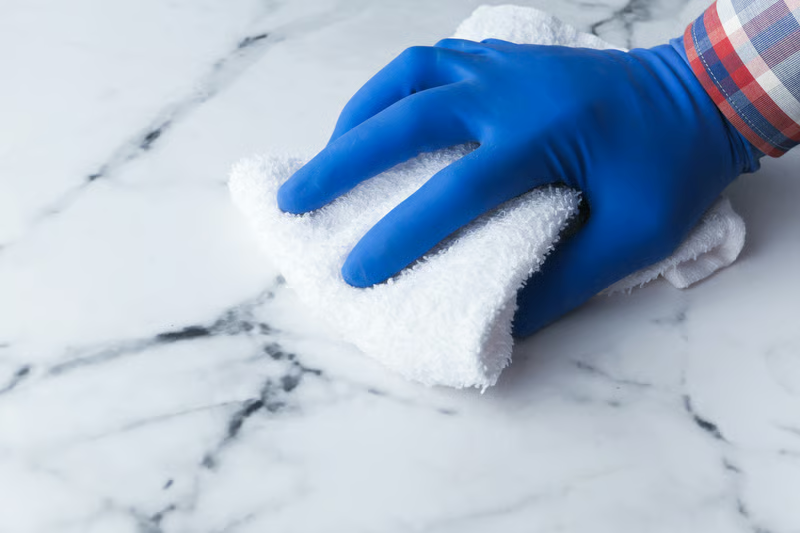
Although brushed marble has a textured surface, it still requires proper cleaning and maintenance. Dirt and debris may collect in its small surface variations, so using appropriate cleaning methods is important.
Here are some practical maintenance tips:
- Clean regularly: Remove loose dust and dirt using a soft microfiber cloth or suitable dust mop.
- Use a pH-neutral cleaner: Choose a cleaning product specifically recommended for natural marble.
- Avoid acidic products: Do not use vinegar, lemon juice, or acidic household cleaners because they can etch marble.
- Avoid harsh scrubbing: Use soft cleaning tools instead of abrasive pads or stiff brushes that may damage the finish.
- Wipe spills promptly: Clean spills as soon as possible to reduce the risk of staining or surface damage.
- Check the sealer: Ask a stone care professional whether the marble requires sealing and when it should be reapplied.
Regular maintenance helps preserve the stone’s appearance and reduces the likelihood of avoidable surface damage.
Is Brushed Marble the Right Choice for Your Project?
Brushed marble is worth considering if you prefer natural stone with a subtle texture and a less reflective appearance. Its weathered look can work well in traditional, rustic, and contemporary spaces.
However, it is important to consider both appearance and practical requirements before making a decision. Brushed surfaces can require more attention during cleaning because dirt may collect in textured areas. Their suitability for wet floors and outdoor spaces also depends on the actual stone and tested slip performance.
Before purchasing, examine a physical sample to understand its texture, color, and finish. You should also discuss the intended application, sealing requirements, and maintenance recommendations with a qualified stone professional.
At S F Marble & Granite, we help homeowners explore natural stone options that complement their design preferences and project requirements. Whether you are considering brushed marble for flooring, bathroom surfaces, or decorative features, choosing the right stone finish is important for achieving the desired look and long-term performance. Our goal is to help you make informed decisions when selecting marble and granite materials for your home. Contact us today to discuss your next marble or granite project and explore suitable options for your space.
Conclusion
Brushed marble is a natural stone finish created through an abrasive brushing process that gives marble a slightly textured and weathered appearance. It offers an alternative to glossy polished and smooth honed surfaces while maintaining the natural patterns and character of marble.
Its benefits include a subtle appearance, distinctive texture, and the ability to make certain everyday surface marks less noticeable. However, proper cleaning, maintenance, and careful application selection are essential for preserving its condition.
Whether you are considering marble flooring, bathroom surfaces, or decorative stone features, understanding the differences between brushed and other marble finishes can help you make a more informed decision.
Frequently Asked Questions About Brushed Marble
1. Is brushed marble slippery?
Brushed marble may provide more surface texture and traction than polished marble, but its slip resistance varies according to the stone, brushing technique, and surface conditions. Always check the suitability of the actual product for wet or high-traffic areas.
2. Is brushed marble better than polished marble?
Neither finish is universally better. Brushed marble offers a natural, textured appearance, while polished marble provides a smooth, glossy surface. The right choice depends on the intended application and desired appearance.
3. Does brushed marble need to be sealed?
Brushed marble may benefit from sealing, depending on the stone’s porosity and intended use. A suitable impregnating sealer can help reduce the absorption of staining substances, but it does not make marble completely stain-proof.
4. Is brushed marble difficult to clean?
Brushed marble can require more attention than smooth marble because dirt and debris may collect in its textured areas. Regular dust removal and cleaning with a pH-neutral stone cleaner help maintain its appearance.
5. Can brushed marble be used in bathrooms?
Yes. Brushed marble can be used for bathroom walls, floors, and decorative surfaces when the selected stone and finish are suitable for the application. For wet floors, verify the actual product’s slip performance before installation.
6. What is the difference between brushed and leathered marble?
Both finishes can create a textured, low-reflection appearance. However, the terms are not consistently standardized across the stone industry. Their exact appearance and texture depend on the fabrication process and supplier’s finishing specifications.