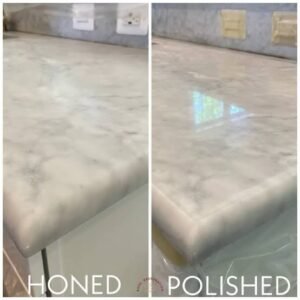

Marble can have a glossy, reflective finish or a smooth, matte appearance, depending on how its surface is treated. If you are wondering what the types of polishing marble are, it helps to understand the difference between polished, honed, and leathered finishes, along with techniques such as buffing, sanding, and resurfacing.
Each method serves a different purpose. Some improve shine, while others smooth the stone, reduce the appearance of minor imperfections, or restore a worn surface. Choosing the right approach depends on the marble’s condition, its existing finish, and where it is installed.
In this guide, S F Marble & Granite explains the main marble finishes, how polishing techniques work, and how to maintain marble countertops and floors.
What Are the Three Main Types of Marble Finishes?
The three commonly discussed marble finishes are polished, honed, and leathered. These describe the appearance and texture of the finished stone rather than three identical polishing methods.
1. Polished Marble
Polished marble has a glossy, reflective surface that brings out the stone’s veining and color. Abrasive polishing processes create a smooth finish that is popular for bathroom vanities, countertops, walls, and formal interior spaces.
Best for: Homeowners who prefer a bright, elegant, reflective appearance.
Consideration: Polished marble can show etching from acidic substances, such as lemon juice or vinegar, even when the surface is properly maintained.
2. Honed Marble
Honed marble has a matte or satin-like finish with little to no reflection. The surface is mechanically processed to achieve a smooth, less glossy appearance.
Best for: Contemporary kitchens, bathroom floors, and interiors where a softer look is preferred.
Consideration: Honed marble can still stain and etch. It may also show certain spills or marks differently from polished marble.
3. Leathered Marble
Leathered marble has a textured, low-sheen surface created through specialized mechanical finishing. Its subtle texture emphasizes the stone’s natural character.
Best for: Decorative countertops, feature surfaces, and interiors that benefit from a more tactile appearance.
Consideration: Its texture may require extra attention during cleaning, depending on how pronounced the surface texture is.
These finishes are not interchangeable. Polished and honed finishes are widely used for marble, while leathered finishes are more commonly associated with granite and other stones. Leathering is available for some marble products, but availability and suitability depend on the stone.
What Are the Main Marble Polishing Techniques?
Marble finishes describe how the stone looks, while polishing techniques describe how its surface is treated. The following methods can help improve the appearance of marble, depending on its condition and the finish you want.
1. Buffing Marble
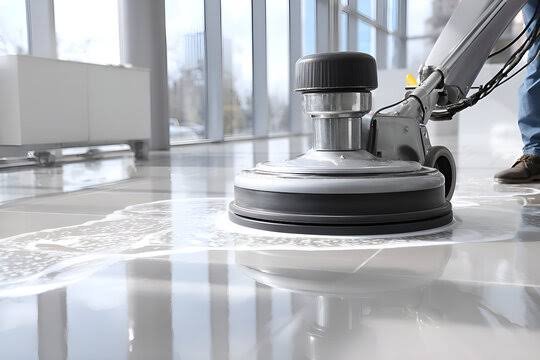
Buffing uses a suitable polishing pad, machine, and sometimes a marble-compatible polishing compound to improve the surface’s shine. It is often used when marble looks slightly dull or needs light finishing work.
If you are learning how to buff marble countertops, start by cleaning the surface with a pH-neutral stone cleaner and removing any grit. Use only a product and pad designed for the specific marble finish, following the manufacturer’s directions.
Buffing may improve light dullness, but it will not necessarily repair deep scratches, chips, or acid etching. Those problems may require professional refinishing.
2. Sanding Marble
Sanding marble involves using suitable abrasive materials to smooth the stone or reduce surface imperfections. In professional stone restoration, progressively finer abrasives may be used to prepare a surface for honing or polishing.
The process requires care because aggressive sanding can remove too much material, create uneven patches, or change the existing finish. Ordinary wood-sanding methods are not automatically suitable for natural stone.
For countertops, floors, or valuable marble installations, professional assessment is advisable before attempting abrasive repairs.
3. Marble Resurfacing
Resurfacing marble means restoring a worn, scratched, etched, or uneven surface through an appropriate refinishing process. Depending on the damage, this can involve grinding, honing, and polishing.
For example, a marble floor that has lost its original gloss in high-traffic areas may need more than routine buffing. A restoration professional can assess whether light refinishing is sufficient or whether deeper surface work is necessary.
Resurfacing is generally more extensive than routine cleaning or polishing. The appropriate method depends on the depth of the damage, the marble’s thickness, and the desired final appearance.
How to Make Marble Shine?
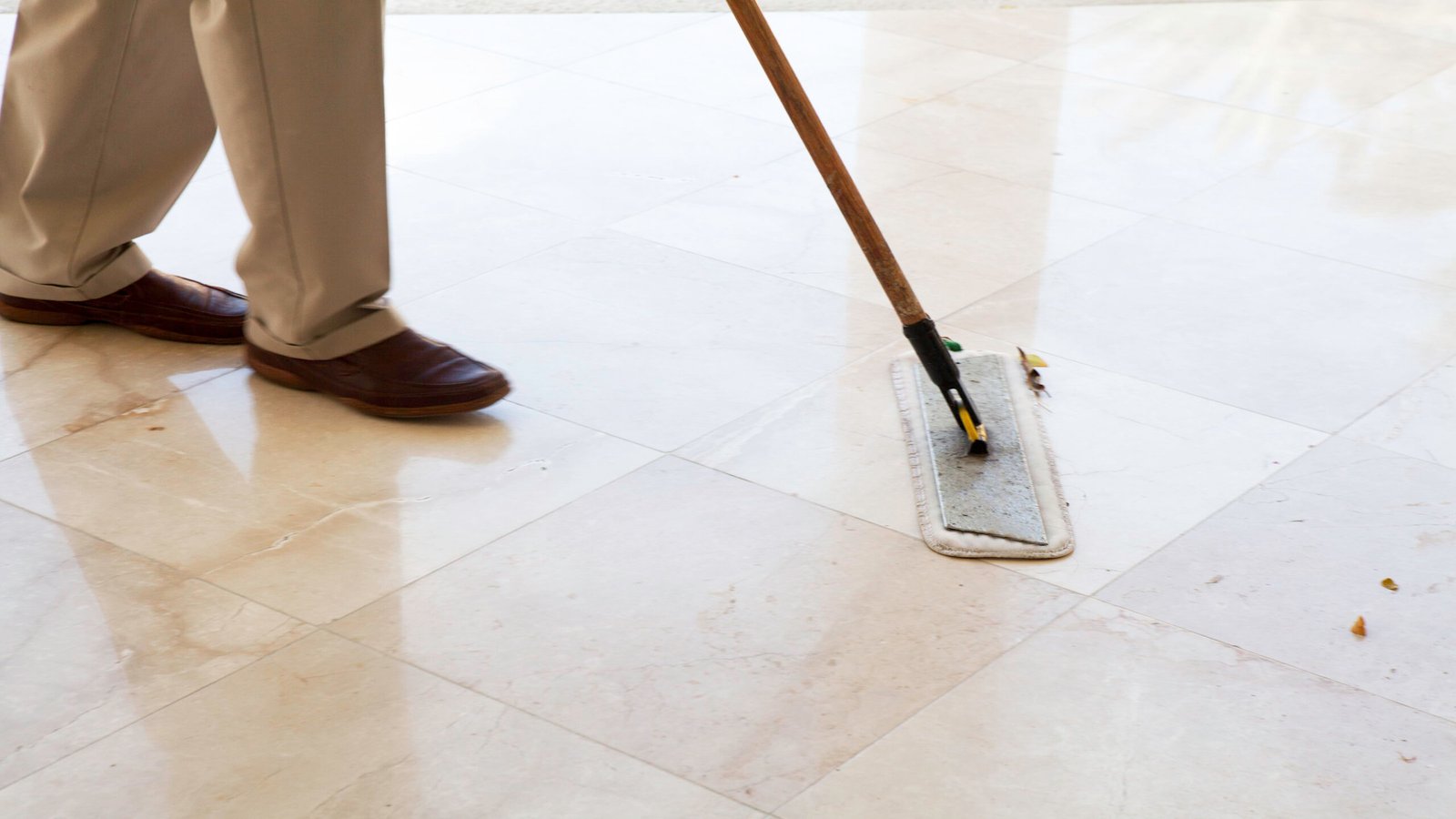
If your marble has lost its shine, identify the cause before choosing a treatment. Dust, cleaner residue, scratches, and chemical etching can all affect the surface, but they require different solutions.
Follow these steps to care for marble and determine whether polishing is needed.
- Remove loose dirt. Wipe the surface with a soft microfiber cloth to prevent grit from scratching the stone.
- Clean with a suitable product. Use a pH-neutral cleaner formulated for natural stone. Avoid vinegar, lemon juice, and acidic household cleaners.
- Rinse and dry. Remove cleaner residue according to the product directions, then dry the marble with a clean, soft cloth.
- Inspect the surface. Look for dull patches, scratches, stains, or etch marks. A stain is not the same as etching, which changes the surface itself.
- Choose the appropriate treatment. Light residue may need only cleaning. Minor etching may respond to a suitable marble polishing product, while deeper damage may require professional honing or resurfacing.
The Natural Stone Institute recommends non-acidic cleaning products for acid-sensitive stones and advises contacting a stone professional when scratches or etching require refinishing.
Important: Do not assume that a shiny surface is properly sealed or stain-proof. Polishing and sealing serve different purposes, and not every marble surface requires the same sealing schedule. Follow the stone supplier’s and sealer manufacturer’s recommendations.
Which Marble Polishing Method Should You Choose?
The best method depends on what you want to fix.
| Marble condition | Potentially suitable approach |
|---|---|
| Surface looks dull because of residue | Clean with a marble-safe cleaner |
| Light loss of gloss | Appropriate buffing or polishing |
| Minor surface imperfections | Professional assessment for suitable abrasive treatment |
| Deep scratches or uneven areas | Professional honing or resurfacing |
| Acid etching or dull patches | Marble-specific refinishing or repolishing |
| Desired matte finish instead of gloss | Honing rather than high-gloss polishing |
These are general guidelines, not a guarantee that a particular treatment will fix every surface. Marble varieties, previous treatments, and the severity of the damage can affect the result.
Common Marble Polishing Mistakes to Avoid
Even well-intentioned cleaning can damage marble if the wrong products or methods are used.
- Using vinegar or lemon juice: Acidic products can etch marble and leave dull marks.
- Using abrasive household cleaners: Scouring powders and unsuitable pads may scratch or alter the finish.
- Applying wax without checking compatibility: Some products can leave residue or create maintenance problems.
- Trying to remove deep scratches with aggressive sanding: Excessive material removal can create unevenness and make repairs more difficult.
- Ignoring the cause of dullness: A stain, etch mark, and worn polish may look similar but require different treatments.
For additional guidance on maintaining marble surfaces, read our related guide: How to Polish Marble Floors.
How to Maintain Polished Marble
Regular care helps preserve marble’s appearance and reduces the need for intensive restoration.
- Wipe spills promptly, particularly citrus juice, wine, and other acidic substances.
- Use coasters under drinks and cutting boards during food preparation.
- Clean with a pH-neutral natural-stone cleaner and a soft cloth.
- Use mats at entrances to reduce the grit tracked onto marble floors.
- Avoid harsh chemicals and abrasive tools unless a stone-care professional confirms they are suitable.
- Ask your stone supplier whether your specific marble would benefit from an impregnating sealer.
Sealers can improve resistance to staining, but they do not make marble stain-proof or prevent acid etching.
How S F Marble & Granite Can Help With Your Marble Project
Choosing the right marble finish is an important part of planning a kitchen, bathroom, or other interior project. SF Marble & Granite focuses on marble and granite surfaces, helping homeowners explore stone options that suit their design preferences and intended use. When planning a marble installation or restoration, consider the stone’s natural characteristics, the finish you prefer, and the maintenance it will require. Contact the company to discuss your project and determine which options may be suitable for your space.
For Further Information Contact Us today
Conclusion
The right marble treatment depends on the surface’s condition and the finish you want. Buffing can improve light dullness, sanding can prepare a surface for further treatment, and resurfacing can address more extensive wear or damage. Polished, honed, and leathered finishes offer different appearances, so consider both the look and intended use before selecting one.
For persistent dullness, deep scratches, or widespread etching, consult a qualified stone-restoration professional. With suitable cleaning products and regular care, marble countertops and floors can retain their natural character for years.
Frequently Asked Questions
1. What are the three types of polishing marble?
Polished, honed, and leathered are three commonly discussed marble finishes. Polished marble is glossy, honed marble is matte or satin-like, and leathered marble has a textured, low-sheen surface. They are finishes rather than three interchangeable polishing methods.
2. How often should marble be polished?
There is no single schedule for every marble surface. The frequency depends on foot traffic, daily use, cleaning practices, and the existing finish. Polish or refinish the surface when its condition calls for it rather than following an arbitrary timetable.
3. How do you buff marble countertops?
Clean the countertop with a marble-safe cleaner, allow it to dry, and use a compatible polishing pad or product according to its instructions. If the surface has deep scratches, etching, or uneven patches, consult a professional instead of relying on buffing alone.
4. Can sanding marble remove scratches?
Sanding with suitable abrasives may reduce certain surface scratches, but the result depends on their depth and the stone’s condition. Deep scratches may require professional restoration, and improper sanding can damage the finish.
5. Can you restore the shine to dull marble?
Yes, in many cases. Cleaning may be enough when residue causes the dull appearance. Etching, worn polish, and deeper scratches may require polishing or professional refinishing.