Marble floors do not need professional polishing on a fixed schedule. The frequency depends on foot traffic, daily cleaning habits, the type of marble finish, and how quickly the surface develops scratches, dullness, or visible wear. In a busy commercial building, marble may need professional attention more frequently than flooring in a lightly used residential room.
For most homeowners, the best approach is to monitor the floor’s condition rather than arrange polishing simply because a certain amount of time has passed. Regular cleaning and proper maintenance can help preserve the finish and reduce the need for frequent professional restoration.
Understanding how often to polish marble floors, which factors affect polishing frequency, and when to call a professional can help you protect the appearance of your marble flooring.
How Often Should You Polish Marble Floors?
There is no universal schedule for professional marble floor polishing. Some floors retain their shine for years with proper care, while others develop dull areas and surface damage much sooner.
The following table provides a practical way to assess different flooring conditions. These are general maintenance considerations, not fixed industry-prescribed intervals.
| Marble floor condition | Recommended approach |
|---|---|
| Lightly used residential floors | Inspect periodically and polish when the finish becomes dull or damaged |
| Busy residential areas | Monitor entryways, hallways, and kitchens more frequently |
| Commercial floors | Arrange regular professional inspections because of heavier foot traffic |
| Floors with visible scratches or etching | Request a professional assessment rather than waiting for a scheduled polish |
| Neglected or heavily damaged floors | Consider professional restoration, which may require honing and polishing |
A professional assessment helps determine whether the floor needs light polishing, honing, or more extensive restoration.
Factors That Affect Marble Floor Polishing Frequency
Several factors determine how quickly marble floors lose their shine. Understanding them can help you decide when professional maintenance is necessary.
1. Foot Traffic
Foot traffic is one of the main factors affecting marble floor condition. Every time someone walks across a marble surface, small particles of dirt and grit can cause abrasion.
For example:
-
Entryways experience frequent foot traffic from people entering and leaving the home.
-
Hallways receive repeated daily use.
-
Living rooms may experience moderate foot traffic.
-
Guest rooms and less frequently used areas generally receive less wear.
Commercial buildings, hotels, shopping centers, and office entrances may require more frequent attention because of continuous use.
2. Cleaning and Maintenance Habits
Regular cleaning helps prevent dirt and abrasive particles from damaging the marble surface.
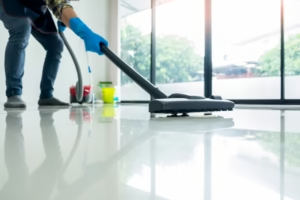
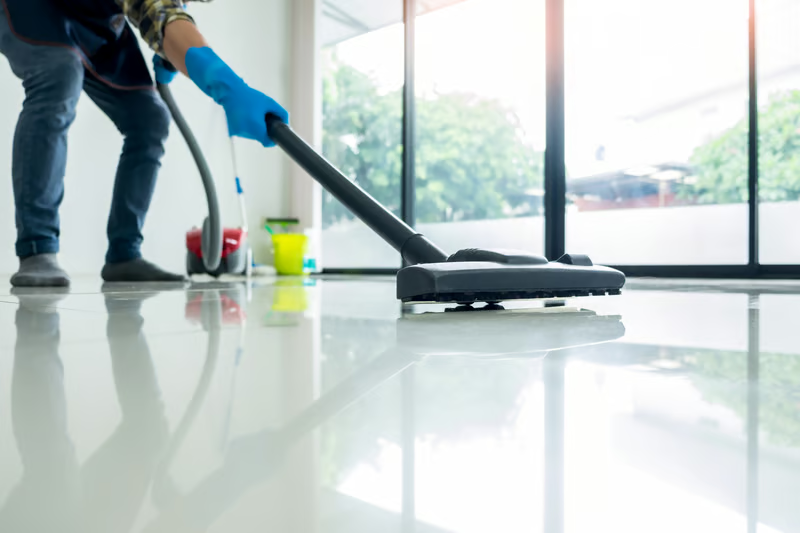
Dry dust mopping removes loose dirt before it can scratch the floor. Damp mopping with a pH-neutral stone cleaner helps remove everyday dirt without exposing the marble to unsuitable cleaning chemicals.
Avoid using vinegar, lemon juice, acidic bathroom cleaners, or abrasive cleaning products. Marble contains calcium carbonate, which can react with acids and develop dull spots called etching.
3. Type of Marble Finish
The original finish also affects how often a floor may need professional attention.
-
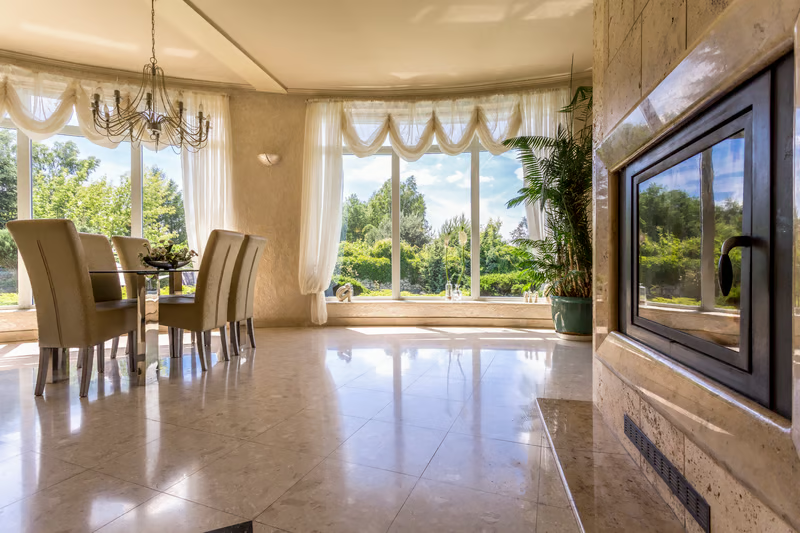
Polished marble: Has a glossy, reflective surface. Scratches and dull spots can be more noticeable.
-
Honed marble: Has a smooth, matte or satin appearance. It generally makes minor surface imperfections less noticeable.
-
Textured marble: Has a less reflective surface and may require different cleaning and maintenance methods.
You Can Read About What Are the Types of Polishing Marble?
4. Placement of Marble Flooring
The location of marble flooring can influence its maintenance needs.
For example, marble installed near exterior entrances may collect more dirt, sand, and moisture than marble in a bedroom. Kitchen flooring may also experience food spills and frequent cleaning.
Consider the following areas:
-
Entryways: More exposed to dirt and outdoor particles.
-
Kitchens: Exposed to spills, food residue, and regular foot traffic.
-
Bathrooms: Exposed to moisture and personal care products.
-
Living rooms: Usually experience varying levels of daily use.
These differences make it important to assess each area separately rather than applying the same polishing schedule throughout the property.
5. Quality of Previous Polishing Work
The quality of previous restoration work can also influence how long the finish lasts.
Proper surface preparation, suitable polishing abrasives, appropriate equipment, and correct finishing techniques all matter. If the marble was not restored properly, scratches, uneven areas, or dull patches may remain visible.
Professional maintenance should address the actual condition of the stone rather than simply applying a product to make the surface look shiny.
Signs Marble Floors Need Polishing
You do not have to wait until your entire marble floor becomes dull before considering professional polishing. Certain changes indicate that the surface may need attention.
Here are some common signs to look for.
1. Loss of Shine
One of the easiest signs to recognize is a noticeable reduction in the floor’s original shine.
Polished marble reflects light, so a floor that once looked glossy may begin to appear flat or cloudy. If regular cleaning does not improve its appearance, professional polishing may help restore the finish.
2. Visible Scratches
Small scratches can develop when dirt, sand, and other abrasive particles move across the marble surface.
If scratches become noticeable under normal lighting, the floor may need professional attention. Deeper scratches may require honing or grinding before polishing.
3. Dull or Cloudy Spots
Dull patches can develop when marble comes into contact with acidic substances or experiences surface abrasion.
These spots may look different from ordinary dirt because cleaning alone does not remove the damage. Acid-related dull spots are called etching and may require professional refinishing.
4. Uneven Appearance
Some areas of marble flooring may look shinier than others. This often happens in places that receive different amounts of foot traffic.
For example, a hallway may have a dull walking path while the areas along the walls retain their original appearance.
5. Worn Traffic Areas
Frequently used areas can gradually lose their original finish. You may notice that entryways, hallways, and kitchen floors look different from less frequently used sections.
A professional can determine whether localized restoration or polishing of a larger area is more appropriate.
What Happens During Professional Marble Floor Polishing?
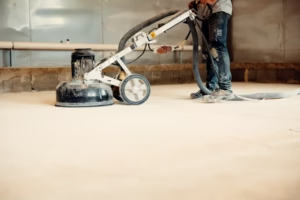
Professional marble floor polishing involves specialized equipment and abrasive materials to improve the stone’s surface appearance.
The exact process depends on the marble’s condition and the type of finish required.
Step 1: Inspection and Surface Assessment
The professional examines the floor to identify scratches, etching, stains, cracks, and uneven areas.
This inspection helps determine whether the floor needs polishing alone or more extensive restoration.
Step 2: Cleaning the Marble Surface
The floor is cleaned to remove dirt, dust, and residue that could interfere with the restoration process.
Proper cleaning also helps the professional identify damage that may not have been visible beneath the dirt.
Step 3: Honing or Grinding, If Needed
If the marble has deep scratches, etching, or uneven surfaces, the professional may need to use diamond abrasives to remove a thin layer of stone and create a more uniform surface.
Honing generally produces a smooth matte or satin finish, while grinding is used for more significant surface correction.
Not every polishing project requires grinding or extensive honing.
Step 4: Polishing the Surface
After the necessary preparation, progressively finer abrasives or suitable polishing compounds are used to create the desired finish.
For polished marble, this process produces a smoother, more reflective surface.
Step 5: Final Cleaning and Inspection
The floor is cleaned to remove remaining polishing residue. The professional then checks the surface for consistent appearance and any remaining imperfections.
The final result depends on the marble type, original condition, and restoration method.
How to Maintain Marble Floors Between Professional Polishing

Proper everyday maintenance can help preserve the marble finish and reduce unnecessary restoration work.
Follow these practical tips:
-
Dust mop regularly: Remove dirt and sand before they scratch the surface.
-
Use a pH-neutral cleaner: Choose cleaning products specifically suitable for natural stone.
-
Clean spills quickly: Blot spills instead of allowing liquids to remain on the marble.
-
Use entrance mats: Place mats near exterior doors to reduce the amount of dirt brought indoors.
-
Protect furniture: Use felt pads beneath furniture legs to reduce scratching.
-
Avoid acidic cleaners: Never use vinegar, lemon juice, or other acidic products on marble.
-
Inspect high-traffic areas: Check entryways and hallways for dullness, scratches, and other signs of wear.
Professional Marble Polishing vs. Regular Cleaning
Regular cleaning and professional polishing serve different purposes. Cleaning removes dirt and everyday residue, while polishing improves the appearance and finish of the marble surface.
| Feature | Regular cleaning | Professional polishing |
|---|---|---|
| Main purpose | Remove dirt and residue | Restore or improve surface finish |
| Frequency | Regularly | As needed, based on condition |
| Equipment | Mop and suitable stone cleaner | Professional polishing machines and abrasives |
| Removes deep scratches | No | May require honing or grinding first |
| Restores gloss | Not usually | Yes, when the marble is suitable for a polished finish |
| Suitable for | Everyday maintenance | Dull, worn, or damaged marble surfaces |
Cleaning should remain part of your regular maintenance routine, even after professional polishing. A polished floor can lose its appearance more quickly if dirt, grit, and unsuitable cleaning products are allowed to damage the surface.
When to Professionally Polish Marble Floors
The right time to arrange professional polishing depends on the visible condition of your marble floor.
Consider contacting a stone restoration professional when:
-
Your marble has lost much of its original shine.
-
Scratches are visible across frequently used areas.
-
Dull spots remain after proper cleaning.
-
Acidic substances have caused etching.
-
Different sections of the floor have noticeably different finishes.
-
Regular maintenance no longer produces the desired appearance.
Avoid scheduling extensive restoration when the floor only needs routine cleaning or minor maintenance. A professional inspection can help identify the least aggressive method that will achieve the desired result.
How S F Marble & Granite Relates to Marble Flooring
Marble flooring requires appropriate material selection, installation, cleaning, and surface maintenance to preserve its appearance. Understanding the differences between cleaning, honing, grinding, and polishing can help property owners make informed decisions about their stone floors.
S F Marble & Granite focuses on marble and granite-related information, helping readers understand natural stone materials and their care requirements. Before arranging professional restoration, homeowners should discuss the floor’s condition, desired finish, and suitable treatment methods with a qualified stone care professional.
For expert guidance on choosing the right marble, granite, or tile for your project, Contact us today.
Conclusion
Marble floors do not need professional polishing according to a strict yearly schedule. Their maintenance requirements depend on foot traffic, cleaning habits, marble finish, and the amount of surface damage.
Regular cleaning, entrance mats, and suitable stone care products can help preserve the original finish. However, when you notice persistent dullness, scratches, etching, or uneven shine, professional polishing may be necessary.
The best approach is to inspect your marble floors regularly and arrange professional restoration when their condition requires it.
If your marble floors have lost their shine or developed visible scratches, Contact us today at S F Marble & Granite to learn more about marble flooring and suitable stone care options.
Frequently Asked Questions
1. How often should marble floors be professionally polished?
There is no fixed polishing schedule for every marble floor. The frequency depends on foot traffic, cleaning practices, marble type, and visible surface wear.
2. Can marble floors lose their shine over time?
Yes, marble floors can lose their shine because of foot traffic, abrasive dirt, scratches, and chemical exposure.
3. Does regular cleaning prevent marble from becoming dull?
Regular cleaning helps prevent dirt and abrasive particles from damaging marble. However, it cannot reverse existing scratches, etching, or surface wear.
4. How do I know if my marble floor needs polishing?
Common signs include reduced shine, visible scratches, dull patches, and uneven surface appearance. Persistent damage may require professional honing or polishing.
5. Is professional marble polishing necessary for residential floors?
Not always. Residential marble floors with proper maintenance may retain their finish for years. Professional polishing becomes necessary when the surface develops noticeable wear or damage.
6. Does honing remove scratches from marble floors?
Yes, professional honing can remove many surface scratches and imperfections by using abrasive materials. Deeper damage may require grinding before honing and polishing.
7. Can I restore marble floor shine without professional polishing?
Minor surface dullness may sometimes improve with suitable marble maintenance products. However, deep scratches, etching, and uneven surfaces generally require professional restoration.
8. Does foot traffic affect marble polishing frequency?
Yes, areas with frequent foot traffic generally experience more surface abrasion than less-used areas. Entryways, hallways, and commercial floors may need more frequent attention.