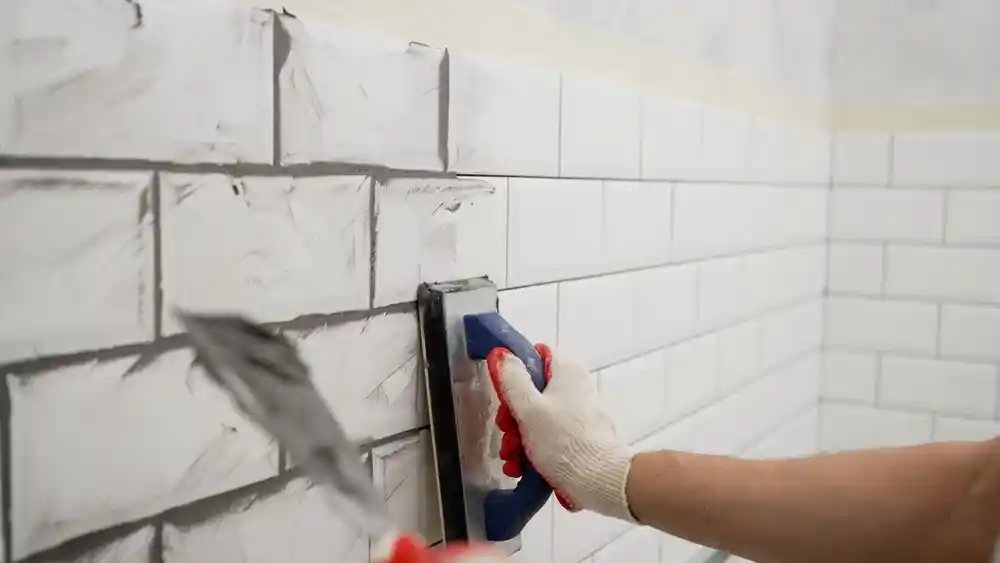
Bathroom renovations often focus on aesthetics, but one small element can make or break the durability of your tiles: bathroom tile grout. Many homeowners overlook the importance of selecting the right grout, only to face water damage, mold, or tile loosening. At SF Marble & Granite Inc, we help homeowners in Lowell, MA choose the best grout that combines both protection and style.
When planning a new bathroom or repairing worn-out grout, knowing the differences between grout types, how to repair cracked grout, and best installation practices ensures long-term results. Proper grouting of bathroom surfaces extends the life of your tiles and prevents costly repairs like broken grout or water damage.
What Is Bathroom Tile Grout & Why Is It Important?
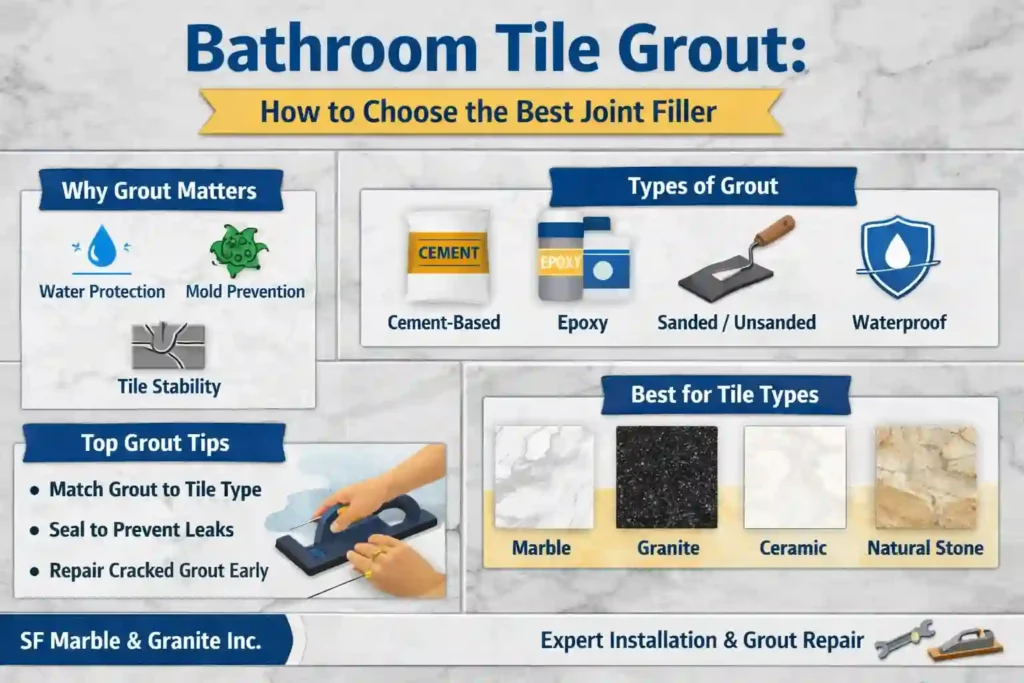
Bathroom tile grout is the filler between tiles that seals gaps and adds structural support. It does more than just fill spaces; it acts as a protective barrier against moisture, dirt, and mold.
Tiles alone do not protect bathroom floors and walls from water exposure. Using the wrong grout can lead to how to fix cracked grout on tile floor problems, discoloration, or tile loosening. At SF Marble & Granite Inc, we ensure the right type of grout is used for marble, granite, or ceramic tiles, combining durability with aesthetics.
Why Choosing the Right Joint Filler Matters in Bathrooms
Bathrooms are high-moisture areas, and the wrong grout can compromise tile longevity. Consider:
- Water exposure: Frequent contact requires grout that is mold-resistant and waterproof.
- Cleaning chemicals: Harsh cleaners can deteriorate some grouts faster.
- Common issues from wrong grout:
- Water seepage
- Mold & mildew buildup
- Tile loosening
Knowing how to fix grout on tile early helps prevent more extensive repairs later. Using high-quality waterproof tile grout is a proactive solution for long-lasting results.
Types of Grout for Bathroom Tiles (Comparison-Based)
Different types of grout serve different needs:
- Cement-Based Grout: Traditional, easy to apply, ideal for dry areas.
- Epoxy Grout: Highly durable, stain-resistant, and waterproof, perfect for shower floors.
- Sanded vs Unsanded Grout: Sanded for wide joints (>1/8”), unsanded for narrow joints (<1/8”).
- Waterproof Tile Grout: Provides superior protection in wet zones, reducing mold growth and maintenance needs.
Proper understanding of these options allows homeowners to make informed choices and avoid frequent repair grout work.
Best Grout for Different Bathroom Tile Materials
Selecting grout also depends on the tile material:
- Marble Bathroom Tiles: Use a non-acidic, color-matched grout to prevent etching and staining.
- Granite Bathroom Tiles: Epoxy or waterproof grouts work best.
- Ceramic & Porcelain Tiles: Cement-based or waterproof grout enhances durability.
- Natural Stone Tiles: Choose flexible grout to accommodate expansion and contraction.
Correct grout selection is especially crucial for projects like Marble Floor Installation in Lowell, MA, where durability and aesthetics matter most.
Key Factors for Selecting the Right Grout for Bathroom Tiles
Type of the Tile
Different materials absorb moisture differently. Matching grout type prevents cracking or water seepage.
Joint Width
Narrow joints (<1/8”) require unsanded grout; wider joints need sanded grout.
Durability
High-traffic areas like floors need tougher, stain-resistant grout.
Moisture Resistance
Shower floors and walls benefit from waterproof tile grout to reduce mold and mildew risks.
Color Selection
Light grout highlights tile patterns, while dark grout hides stains. Color also affects maintenance over time.
Common Bathroom Tile Grout Mistakes to Avoid
- Choosing the wrong grout for your tile type
- Skipping sealing, leading to stains and mold
- Using floor grout on walls reduces flexibility
- Using acidic grout on marble or granite can cause damage
Avoiding these mistakes can prevent frequent how to repair cracked grout jobs and maintain the beauty of your bathroom surfaces.
You may also read: How Much Does Pool Tile Cost in 2026?
Signs Your Bathroom Grout Needs Repair or Replacement
Even properly installed grout can fail over time. Watch for:
- Cracked or crumbling grout lines
- Mold or discoloration
- Water leakage under tiles
- Loose or hollow-sounding tiles
Timely broken grout repair can save you from larger, costly renovations.
Grout vs Sealant | What’s the Difference?
- Grout: Fills gaps between tiles and provides structural support.
- Sealant: Protects edges and corners from water intrusion, commonly silicone-based.
Understanding this distinction helps with how to fix grout on tile issues and ensures long-term protection.
When DIY Grouting Is Risky
While small repairs may be DIY-friendly, professional help is recommended for:
- Heavy marble or granite tiles
- Wet areas requiring waterproof tile grout
- Ensuring proper application for long-term durability
Professionals reduce the risk of repeated repair grout tasks and guarantee a polished finish.
Professional Bathroom Tile & Grout Services for Long-Lasting Results
Working with experts like SF Marble & Granite Inc ensures:
- Marble Floor Installation in Lowell, MA with precise grout lines
- Granite tile installation & repair
- Backsplash installation
- Moisture-resistant grout systems for wet zones
Proper professional installation enhances durability, reduces maintenance, and keeps your bathroom tiles pristine.
Final Thoughts
Selecting the right bathroom tile grout is essential for durability, water protection, and aesthetics. Proper choice minimizes costly repairs, reduces maintenance, and keeps your bathroom tiles looking pristine. For residents in Lowell, MA, relying on SF Marble & Granite Inc ensures professional results for Marble Floor Installation in Lowell, MA, and expert grout application.
Contact us today to learn more about our professional bathroom tile and grout services, including how to fix grout on tile, broken grout repair, and installation of waterproof tile grout for long-lasting results.
FAQs
- What is the best grout for bathroom floors?
Epoxy or waterproof grouts are ideal for wet areas. Cement-based grout works for dry zones. - How do I repair cracked grout in my bathroom?
Remove the damaged grout, clean the joint, and apply matching grout. Following how to fix cracked grout on tile floor ensures a seamless finish. - Is sealing grout necessary?
Yes. Sealing prevents water damage, mold, and stains, extending the life of your tiles. - Can I use the same grout for walls and floors?
Not always. Floor grout needs durability for weight and traffic; wall grout is less rigid. - How often should bathroom grout be replaced?
Typically, every 5–10 years, depending on wear, water exposure, and maintenance. Early signs like cracks or mold indicate replacement is needed.