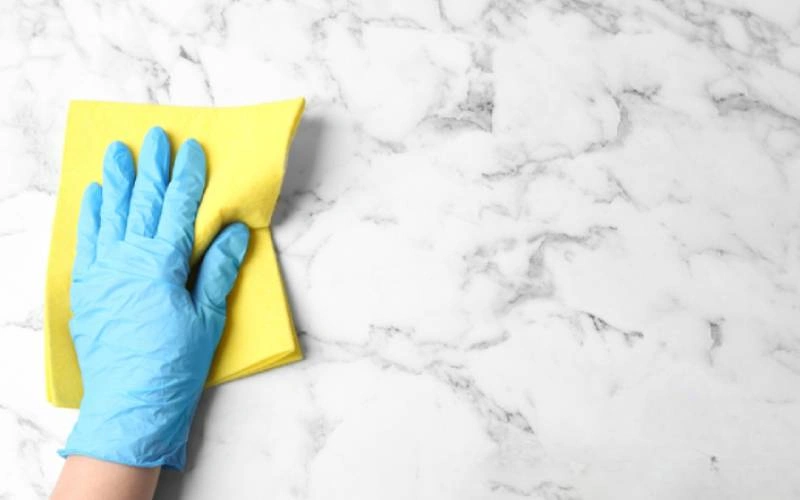
For light surface scratches, a marble-safe polishing product may help restore the finish when used according to its instructions. Deeper scratches, extensive dullness, and pitted marble may require professional honing, polishing, or restoration. Using the wrong abrasive or household cleaner can make the damage worse.
In this guide, S F Marble & Granite explains how to identify marble surface damage, choose an appropriate repair method, and prevent future scratches.
What Causes Scratches on Marble?
Marble is a natural stone made primarily of calcite, which is relatively soft compared with many other countertop materials. Although marble can last for many years with proper care, its surface can become scratched or dulled.
Common causes include:
-
Abrasive cleaning tools: Rough scouring pads, abrasive powders, and unsuitable brushes can damage polished marble.
-
Dirt and grit: Sand and other hard particles trapped under shoes, cleaning cloths, or objects can leave scratches.
-
Moving heavy objects: Dragging furniture, appliances, or decorative items across marble can scratch the surface.
-
Kitchen activities: Knives, cookware, and other hard objects can mark marble countertops.
-
Incorrect cleaning products: Acidic substances such as lemon juice and vinegar can etch marble. Etching is chemical damage rather than a physical scratch, but it can leave a similar dull or damaged appearance.
Identifying the cause helps you select the right treatment instead of using a polishing method that may not address the actual problem.
Does Marble Scratch Easily?
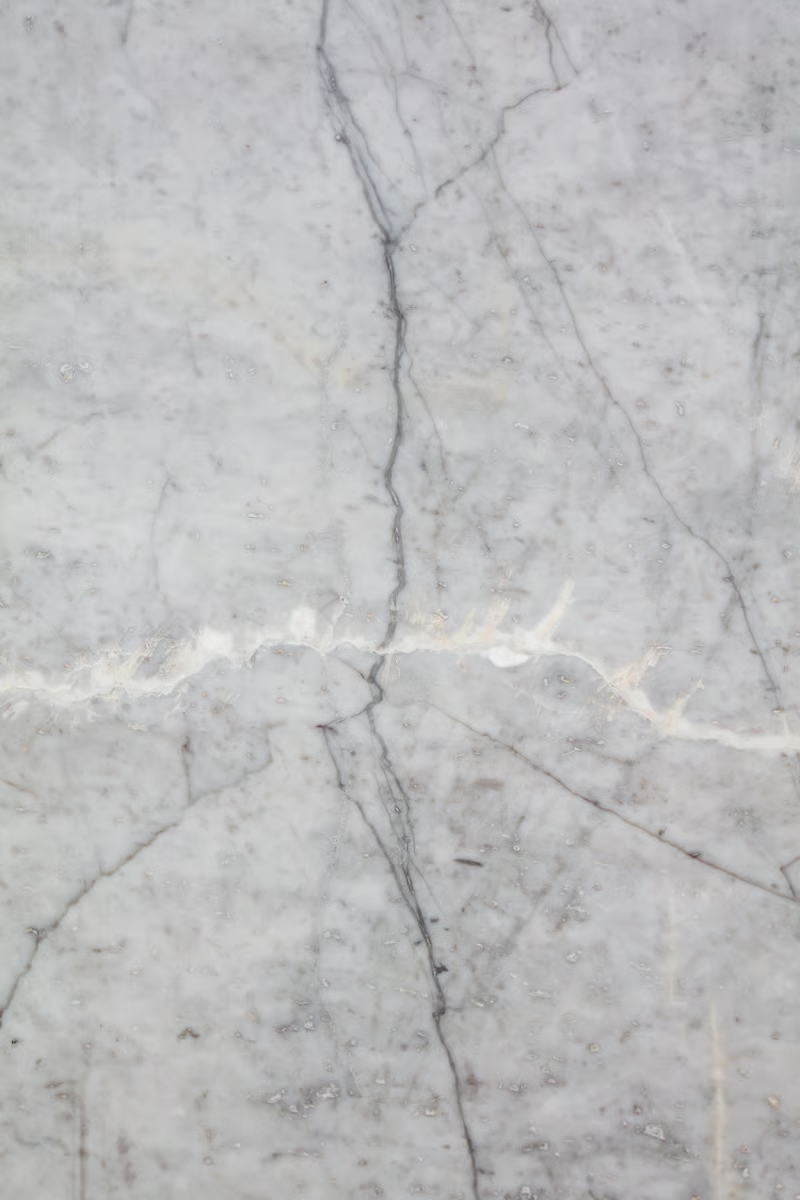
Yes, marble can scratch more easily than harder countertop materials because its main mineral, calcite, has relatively low hardness. However, the likelihood of visible damage depends on the marble’s finish, how the surface is used, and how it is maintained.
Polished marble can show scratches and dull spots clearly because its reflective surface makes changes in the finish more noticeable. Honed marble has a matte appearance, so minor marks may be less obvious, although it can still scratch.
You can reduce the risk of damage by using cutting boards, lifting objects instead of dragging them, removing grit promptly, and cleaning with a pH-neutral cleaner formulated for natural stone.
Marble does not need to be avoided simply because it can scratch. Understanding its care requirements helps you decide whether it is suitable for your kitchen, bathroom, flooring, or other application.
You Can Read About What Type of Rock Is Marble?
How to Identify Marble Scratches, Etching, and Pitting
Before you try to repair marble, examine the damaged area under good lighting. Different types of surface damage require different treatments.
1. Scratches
Scratches are physical marks or grooves in the marble surface. Depending on their depth and the finish, they may appear as fine lines, visible cuts, or rough marks.
2. Etching
Etching creates dull, cloudy, or rough-looking patches when acidic substances react with marble. The damage affects the finish and may resemble a scratch, but it is not the same as a physical groove.
3. Pitted Marble
Pitting refers to small holes or cavities in the stone surface. It is different from a simple scratch and may require filling, honing, or other professional restoration, depending on the depth and condition of the marble.
The Natural Stone Institute distinguishes minor surface scratches from deeper scratches and nicks, which may require professional repair and repolishing. It also explains that acidic products can etch calcareous stones such as marble.
How to Get Scratches Out of Marble
The safest way to remove a scratch depends on how deep it is and whether the marble has a polished or honed finish. Follow these steps to assess the damage before choosing a repair method.
Step 1: Clean the Marble Surface
Remove dust, grit, and debris before inspecting the scratch. Use a soft microfiber cloth, warm water, and a pH-neutral cleaner suitable for natural stone.
Avoid vinegar, lemon juice, acidic bathroom cleaners, scouring powders, and abrasive pads. These products can etch or scratch marble further. Rinse away any cleaner residue and dry the surface with a clean, soft cloth.
Step 2: Check the Depth of the Scratch
Look at the mark from different angles under good lighting. Determine whether it is a faint surface mark, a dull patch, a noticeable groove, or a small hole.
-
Light surface mark: A suitable marble polishing product may help if the mark is minor and the product is approved for your finish.
-
Dull or cloudy patch: Check whether it is etching rather than a scratch. Cleaning alone will not restore an etched finish.
-
Deep groove or chipped area: Professional honing or restoration may be needed to remove the damaged layer and refinish the stone.
-
Small holes or cavities: These are signs of pitting rather than ordinary surface scratches and may require a suitable stone repair compound.
Do not assume every mark can be removed by rubbing it with a cloth. A deep scratch may extend beyond the surface finish.
Step 3: Choose a Marble-Safe Repair Method
For minor damage, select a polishing product specifically intended for marble and compatible with its finish. Follow the manufacturer’s instructions and test the product on a small, inconspicuous area first.
Do not automatically use a metal pad, sandpaper, or a power tool. Even when a particular abrasive method is recommended for a specific stone problem, it may not be suitable for every marble finish or color.
For deep scratches, chips, widespread etching, or pitting, consult a qualified stone restoration professional. The repair may involve honing, polishing, filling, or a combination of treatments.
Step 4: Check the Finish After Repair
After using an approved product, remove residue according to the instructions and inspect the surface under the same lighting as before.
Look for remaining scratches, uneven shine, cloudy patches, or visible differences between the repaired area and the surrounding marble. If the finish appears inconsistent or the scratch remains visible, stop rather than repeatedly applying abrasive products.
A professional can assess whether the surface needs localized repair or refinishing across a larger area.
How to Fix Marble Scratches Based on Their Severity
Not every scratch needs the same treatment. Use this comparison to decide on the next step.
| Type of damage | Recommended approach |
|---|---|
| Light surface scratch | Inspect the finish and consider a marble-safe polishing product approved for that surface. |
| Dull, cloudy patch | Determine whether acid etching has damaged the finish; suitable polishing or professional refinishing may be necessary. |
| Deep scratch or nick | Seek professional honing and repolishing. |
| Pitted marble | Have the cavities assessed for appropriate filling and surface restoration. |
| Multiple scratches or uneven shine | Consider professional restoration to achieve a more consistent finish. |
The Natural Stone Institute recommends professional repair and repolishing for deeper scratches and nicks.
How to Get Rid of Scratches on Marble Without Causing More Damage

If you want to restore marble at home, careful product selection matters more than aggressive scrubbing. These precautions can help protect the surface.
-
Use products made for marble. A product intended for ceramic tile, granite, or general-purpose cleaning may not be suitable for marble.
-
Avoid acidic cleaners. Vinegar and lemon-based cleaners can etch marble, even when they remove dirt effectively from other surfaces.
-
Do not use abrasive powders indiscriminately. Their particles can alter the finish or create additional marks.
-
Avoid untested DIY sanding methods. Sandpaper and power tools can remove material unevenly, especially on polished countertops.
-
Test products first. Try any approved treatment on a hidden area and check for changes in color or shine.
-
Know when to stop. If the damage is deep or the surface becomes patchy, further DIY work may make professional restoration more difficult.
The goal is to restore the marble without creating a larger area of damage.
How to Repair Pitted Marble
Pitted marble has small cavities rather than just thin surface lines. These imperfections may develop from existing stone defects, wear, or surface damage. Their cause and depth determine the appropriate repair.
For pitted countertops, floors, or other marble installations, a restoration professional may:
-
Examine the pits and determine whether the surrounding stone is stable.
-
Clean and prepare the damaged area.
-
Use a compatible stone repair filler when appropriate.
-
Hone or polish the repaired area to match the surrounding finish as closely as possible.
The right filler and finishing method depend on the marble’s color, pattern, finish, and location. A repaired pit may remain slightly visible, especially on marble with pronounced veining or contrasting colors.
Avoid filling cavities with ordinary household glue, general-purpose caulk, or an unsuitable filler. These materials may not bond properly or produce a finish that matches the stone.
If pitting appears alongside cracks, loose pieces, or recurring deterioration, have the underlying cause assessed before cosmetic repairs are made.
When Should You Hire a Professional Marble Restoration Service?
Professional help is advisable when scratches are deep, the finish is uneven, or the damaged area covers a large part of the surface.
Consider a professional assessment if:
-
You can clearly feel a deep groove in the marble.
-
Several scratches appear across a polished countertop or floor.
-
Acid etching has left widespread dull patches.
-
The stone contains multiple pits, chips, or damaged edges.
-
Previous repair attempts have created uneven shine or visible marks.
-
You are unsure whether the surface needs polishing, honing, filling, or a different treatment.
A restoration specialist can assess the stone and recommend a method suited to its condition. This is particularly important for expensive countertops, large floor areas, and surfaces where a uniform finish matters.
For homeowners planning a new marble installation, it can also be useful to understand the budget involved. See How Much Do Marble Countertops Cost for related pricing information. The destination URL still needs to be added before publication.
How to Prevent Scratches on Marble
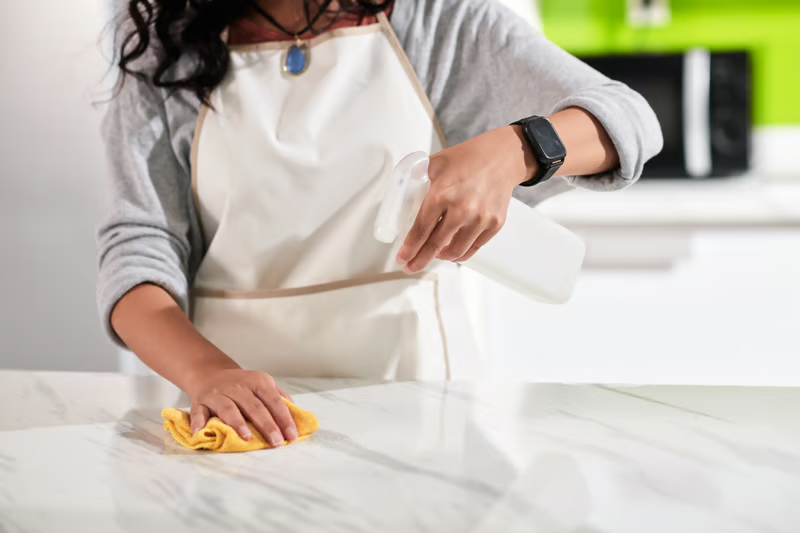
Preventive care can reduce surface damage and help marble retain its appearance.
-
Use cutting boards: Do not cut food directly on marble countertops.
-
Remove grit regularly: Sweep or dust-mop floors to prevent abrasive particles from being dragged across the surface.
-
Choose soft cleaning materials: Use a microfiber cloth or other suitable nonabrasive material.
-
Clean with a pH-neutral stone cleaner: Avoid acidic products and abrasive cleaning compounds.
-
Lift heavy objects: Do not drag appliances, furniture, or decorative items over marble.
-
Use protective mats and coasters: These help limit contact with grit and reduce exposure to potentially damaging spills.
-
Wipe spills promptly: Blot spills, rinse the area with water as appropriate, and dry it with a soft cloth.
-
Follow finish-specific care instructions: Polished and honed marble may need different maintenance products.
Remember that sealing and scratch repair serve different purposes. A suitable impregnating sealer can improve resistance to staining on some marble, but it does not make the stone scratch-proof or repair existing scratches. Check with your stone supplier about whether your particular marble needs sealing.
S F Marble & Granite covers the common causes of marble scratches, simple ways to identify surface damage, suitable repair methods, and tips to keep marble looking its best. The aim is to provide useful information in a clear, natural way while incorporating relevant keywords, answering frequently asked questions, and following SEO best practices.
Final Thoughts
Knowing how to get scratches out of marble starts with identifying the type of damage. Minor surface marks may respond to an appropriate polishing product, while deep scratches, etching, and pitted marble may require professional restoration.
Avoid aggressive DIY methods, use marble-safe cleaning products, and protect the surface from grit and hard objects. When damage is extensive or the finish is valuable, a qualified stone restoration professional can help determine the safest way to restore the marble.
S F Marble & Granite can be presented as the brand associated with this marble-care guide, but any specific restoration services or service-area claims should be verified before publication.
For further information Contact Us today
Frequently Asked Questions
1. How do you get scratches out of marble?
Clean the surface with a marble-safe cleaner, identify the depth and type of damage, and use a compatible polishing product only when appropriate. Deep scratches generally require professional honing and repolishing.
2. Does marble scratch easily?
Marble can scratch more readily than harder countertop materials because its primary mineral, calcite, has relatively low hardness. Using cutting boards, removing grit, and avoiding abrasive cleaners can reduce damage.
3. Can you fix marble scratches at home?
Some minor surface marks may respond to a suitable marble polishing product. Deep scratches, chips, and widespread finish damage are better handled by a stone restoration professional.
4. What is the difference between a marble scratch and an etch mark?
A scratch is physical damage that creates a mark or groove in the stone. An etch mark is a change in the surface caused by a chemical reaction, commonly from acidic substances. Both can affect the appearance of polished marble, but they may require different treatments.
5. Can pitted marble be repaired?
Yes, some pitted marble can be repaired by filling the cavities with a compatible stone repair material and refinishing the surface. The appropriate method depends on the depth, extent, and condition of the damage.
6. Does sealing marble prevent scratches?
No. A suitable sealer may reduce staining, but it does not make marble scratch-proof. Preventive cleaning and careful use are still necessary.
7. Should you use vinegar to clean scratched marble?
No. Vinegar is acidic and can etch marble, leaving dull or rough-looking patches. Use a pH-neutral cleaner formulated for natural stone instead.