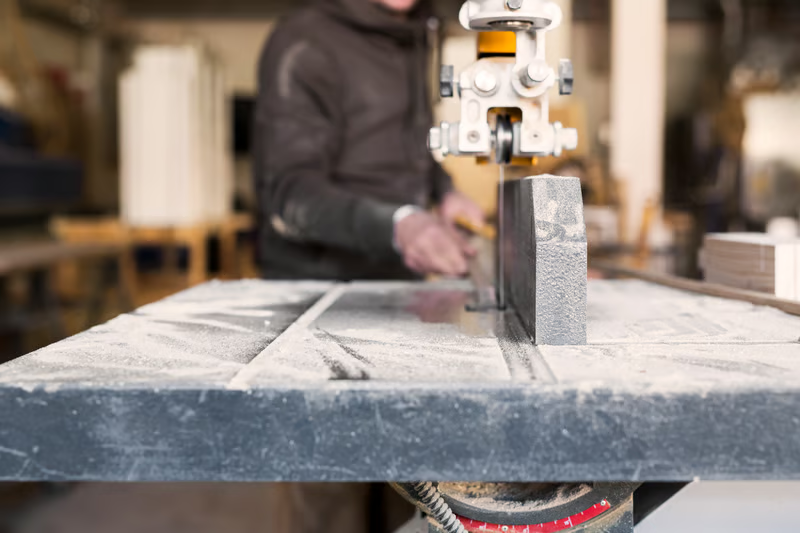
Stone can turn an ordinary countertop, bathroom vanity, or building feature into something special. But before stone is ready for use, it needs accurate measurements, careful cutting, and professional finishing.
If you are asking, “What does a stone fabrication do,” the answer is simple: stone fabrication transforms large slabs into finished pieces for homes and commercial spaces. Fabricators shape the material, polish edges, create openings, and prepare each piece for installation. S F Marble & Granite helps customers understand stone options and plan countertop projects that suit their space and design needs.
1. What Does a Stone Fabricator Do?
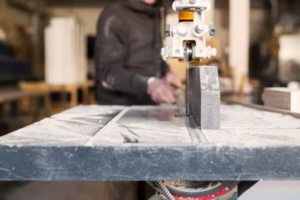
A stone fabricator turns raw or unfinished stone slabs into usable surfaces and custom features. The work often includes measuring, cutting, shaping edges, polishing, and preparing pieces for installation.
Fabricators work with materials such as granite, marble, quartzite, and engineered quartz. Each material has different properties, so the tools and methods must suit the stone.
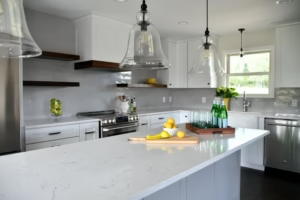
For example, a kitchen countertop may need a sink opening, a cooktop cutout, and polished edges. A bathroom vanity may require faucet holes and precise dimensions. A fireplace surround may need several pieces cut to fit the wall.
Fabricators also inspect slabs for visible flaws and plan cuts around the stone’s pattern. This helps create an attractive finish while reducing avoidable waste.
2. Which Materials Can Stone Fabricators Work With?
The right stone depends on your budget, preferred appearance, intended use, and maintenance expectations. Common materials include:
- Granite: A natural stone used for countertops, vanities, and other surfaces. Its patterns vary from slab to slab.
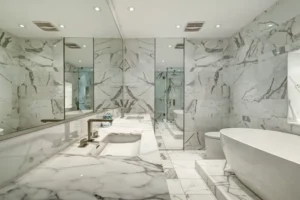
- Marble: Known for its distinctive veining, marble is popular for bathroom features, decorative surfaces, and selected kitchen applications. It can scratch or etch when exposed to certain substances.
- Quartzite: A natural stone available in varied colors and patterns. Its performance depends on the specific stone and proper care.
- Engineered quartz: A manufactured surface made from mineral materials and binding agents. It offers many consistent design options but needs protection from excessive heat.
- Limestone: Used for certain interior and architectural applications where its appearance and care requirements suit the project.
Before choosing a slab, discuss its thickness, finish, durability, and care needs with your fabricator. Not every material is suitable for every location, especially areas exposed to moisture, heat, or heavy use.
3. What Are the Main Steps in Stone Fabrication?
The fabrication process varies by project, but most jobs follow several key steps.
- Measure the space: The team checks the dimensions, corners, cabinets, and supporting surfaces.
- Select and plan the slab: The customer chooses the material, and the fabricator plans cuts around the pattern and project layout.
- Cut the stone: Specialized equipment cuts the slab to the required dimensions and forms openings where needed.
- Shape the edges: The fabricator creates the selected edge profile and finishes the exposed sides.
- Inspect the pieces: The team checks dimensions, surface quality, and the fit of adjoining sections.
- Prepare for installation: Finished pieces are packed and handled carefully for transport and placement.
Accurate measurements and clear plans are important. A small error can affect the fit around walls, sinks, cabinets, or other fixtures. Checking the details before cutting helps reduce avoidable delays and material waste.
4. Which Stone Fabrication Techniques Are Commonly Used?
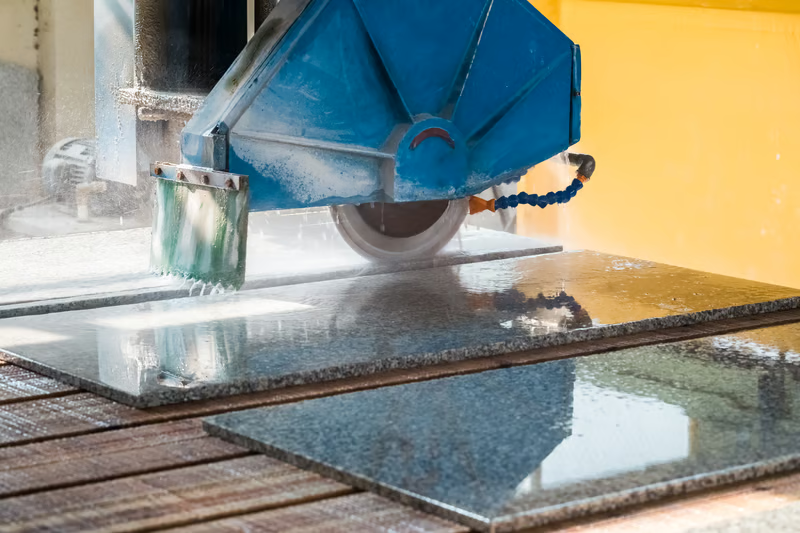
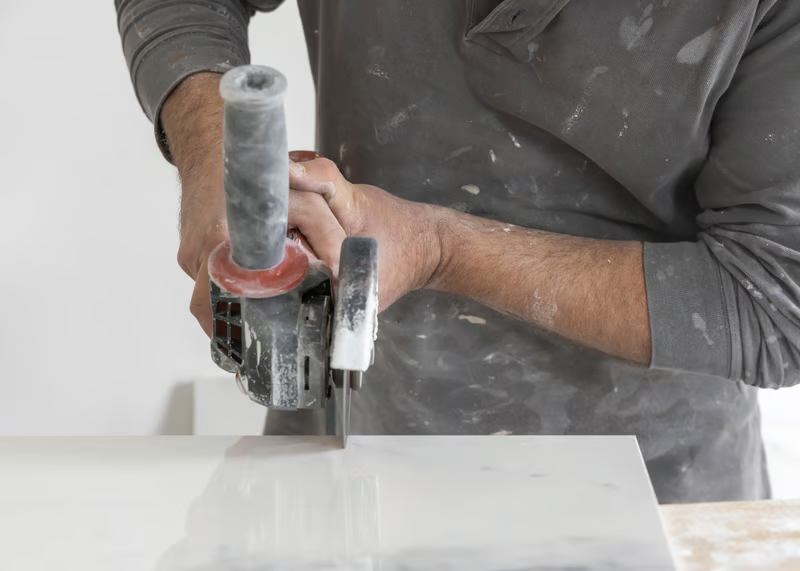
Fabricators use different methods to shape and finish stone according to the material and design. Common stone fabrication techniques include:
- Precision cutting: Produces pieces to the required size and shape.
- Edge profiling: Creates straight, rounded, or decorative countertop edges.
- Polishing: Gives a surface or edge a smooth, glossy finish.
- Honing: Produces a smooth, matte or low-sheen appearance.
- Cutout creation: Forms openings for sinks, cooktops, faucets, and other fixtures.
- Seam preparation: Shapes adjoining edges to help sections fit together neatly.
Some projects also need detailed shaping or careful pattern matching. For example, the veins on two adjoining marble or quartzite pieces may need to line up as closely as the slab allows.
Stone cutting also requires suitable safety controls. Cutting certain stone materials can release respirable crystalline silica, which can cause serious lung disease when inhaled. Professional shops should use appropriate dust-control measures and safe equipment practices.
5. What Stone Fabrication Services Can You Request?
Available stone fabrication services depend on the provider and the project’s needs. Many fabricators offer custom preparation for kitchens, bathrooms, commercial interiors, and decorative features.
Common services include:
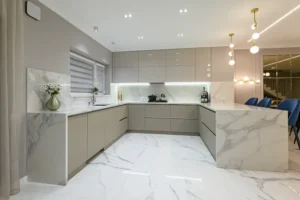
- Custom kitchen countertops and islands
- Bathroom vanity tops and backsplashes
- Waterfall countertop panels
- Sink, faucet, and cooktop openings
- Custom edge profiles and surface finishes
- Fireplace surrounds and selected wall features
- Measurement and templating
- Preparation for delivery and installation
- Repair or replacement work when the stone and damage allow it
Before approving an estimate, ask which tasks are included. Confirm whether measurements, cutouts, edge finishing, delivery, installation, and removal of old surfaces are part of the price.
A written estimate helps you compare providers and understand the project’s scope. It should also identify the selected material, finish, and important design details.
6. What Is Architectural Stone Fabrication?
Architectural stone fabrication involves preparing stone elements for buildings and designed spaces. These may include feature walls, reception desks, stair components, fireplace surrounds, wall cladding, and custom decorative details.
Architectural projects can require more planning than a simple countertop. They may involve large panels, repeated components, detailed drawings, or close alignment with other building materials.
The fabricator must review the project’s measurements, finish requirements, joint locations, and installation method. Pattern direction also matters when several pieces form one continuous visual feature.
For larger projects, communication between the fabricator, designer, contractor, and installer is essential. Reviewing the drawings and specifications before production can help prevent incorrect cuts, visible mismatches, and installation delays.
7. How Does Stone Fabrication for Commercial Projects Work?

Stone fabrication for commercial projects serves businesses such as hotels, restaurants, offices, retail stores, and other commercial properties. These jobs may include reception counters, restroom vanities, service counters, wall panels, or multiple matching surfaces.
Commercial projects often require careful coordination because several pieces may need to match in size, color, and finish. The team also needs to consider access, delivery, construction schedules, and how the surfaces will be used.
Key planning points include:
- Specifications: Confirm material, dimensions, thickness, finish, and approved drawings.
- Scheduling: Coordinate measurement, fabrication, delivery, and installation with other work on site.
- Durability: Choose a surface suited to expected traffic, cleaning, and daily use.
- Safe handling: Plan how heavy pieces will move through the building and reach the installation area.
- Quality checks: Inspect dimensions, edges, seams, and visible surfaces before installation.
A clear plan helps the owner, designer, contractor, and fabricator work toward the same result. Confirming details early can reduce unexpected changes and delays.
8. How Do You Choose the Right Stone Fabricator?
Choose a fabricator who understands your material, explains the process clearly, and provides a detailed estimate. Price matters, but workmanship, communication, and project planning matter too.
Ask these questions before hiring a provider:
- Do you have experience with my material? Ask about projects using the stone you want.
- Can I see examples of your work? Review edges, seams, cutouts, and overall finish.
- Who measures the site? Confirm who checks dimensions before fabrication begins.
- What does the quote include? Check for cutouts, finishing, delivery, and installation costs.
- How will seams and patterns be planned? Discuss the location of joints and the direction of visible veining.
- What happens if there is a fitting problem? Understand how errors or installation issues will be addressed.
You can also ask about safety practices and quality checks. Clear answers help you understand how the provider will manage your project from measurement to completion.
9. What Is the Difference Between Stone Fabrication and Installation?
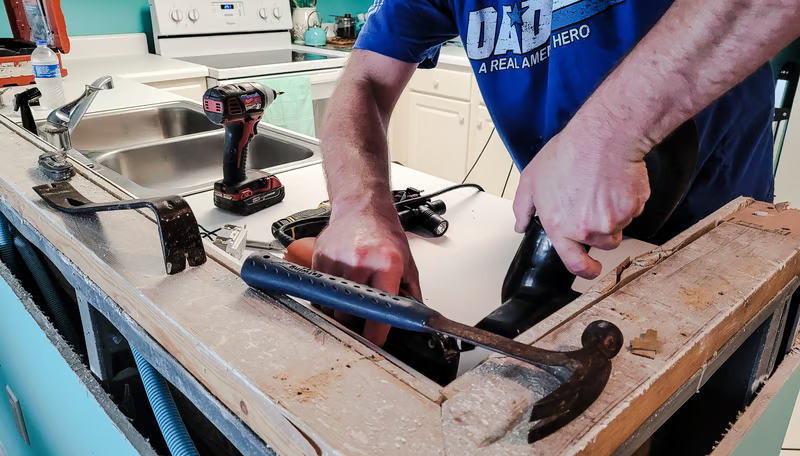
Fabrication prepares the stone, while installation places and secures the finished pieces in their final location. Some companies offer both services, but others focus on only one stage.
| Stone fabrication | Stone installation |
|---|---|
| Measures and plans the pieces | Checks the site and supporting surfaces |
| Cuts slabs to size | Positions the pieces in place |
| Shapes edges and creates openings | Aligns sections and checks the fit |
| Prepares adjoining edges | Joins and secures pieces using suitable methods |
| Inspects the finished pieces | Checks the completed installation |
Both stages affect the final result. Even a well-fabricated countertop can have problems if the cabinets lack proper support or the installation area has not been prepared correctly.
For more information about granite-specific preparation and shaping, read What Is Granite Fabrication?
10. What Should You Know Before Starting a Stone Fabrication Project?
Planning ahead helps you select suitable materials, set a realistic budget, and avoid preventable mistakes. Before fabrication begins, discuss these details with your provider:
- Purpose: Explain whether the stone is for a kitchen, bathroom, commercial counter, fireplace, or another feature.
- Measurements: Confirm when the site will be measured and when dimensions will be approved.
- Material and finish: Choose the stone, thickness, color, surface finish, and edge profile.
- Design details: Discuss cutouts, seams, backsplashes, and pattern direction.
- Budget and timing: Request a written estimate and ask about the expected schedule.
- Installation conditions: Check that cabinets, supports, and access routes are suitable for the finished pieces.
You Can Read About Most Expensive Marble
Do not assume every stone needs the same adhesive, support, sealant, or cleaning product. These requirements depend on the material and installation system. Follow the fabricator’s and manufacturer’s recommendations for care.
S F Marble & Granite project, focus on helping readers understand how professional fabrication affects the look, fit, and long-term use of stone surfaces. Explain the value of selecting suitable materials, checking measurements, and planning edge details before production. This practical guidance can help homeowners and business owners make informed choices when considering a custom stone project.
Final Thoughts
Stone fabrication turns slabs into finished countertops, vanities, wall features, and other custom pieces through careful measuring, cutting, shaping, and finishing. Understanding the process helps you choose the right material, compare estimates, and ask better questions before work begins.
S F Marble & Granite can help you explore stone options and plan your countertop project around your space, style, and practical needs. Contact us today to discuss your project and learn about your stone fabrication options.
Frequently Asked Questions
1. What does a stone fabricator do?
A stone fabricator cuts, shapes, and finishes stone slabs to create countertops, vanities, and custom building features.
2. How long does stone fabrication take?
Timing depends on the material, design complexity, measurements, and workload. Ask your fabricator for a project-specific schedule.
3. Which stone is best for kitchen countertops?
Granite, quartzite, and engineered quartz are popular options. The best choice depends on your budget, preferred look, heat exposure, and maintenance needs.
4. Is stone fabrication different from stone installation?
Yes. Fabrication prepares the stone pieces, while installation positions and secures them in the intended space.
5. Can stone fabricators create custom edges and cutouts?
Yes. Fabricators can create suitable edge profiles and openings for sinks, cooktops, and other fixtures based on the material and design.