If you’re bored of your old sink and are looking for a change, you’ve come to the correct place. Picking for a new sink may seem like a simple thing, but think about how much time you spend standing in front of it. Washing dishes, washing vegetables, filling pans. It’s the workhorse of your kitchen, and most people don’t give it a thot until it begins chipping, staining or looking weary next to a new countertop.
First, the short answer: Granite kitchen sinks are either made of solid, natural stone or a granite composite blend of crushed granite and resin. The composite version is what most homeowners are installing today because it resists scratches, heat and stains far better than stainless steel or porcelain. This manual will lead you via the types, colors, installation options, actual costs and the care regimen that keeps one looking sharp for decades. I’ll also point out areas where the marketing tends to over-promise, so you know what you’re really getting.
What Is a Granite Kitchen Sink?
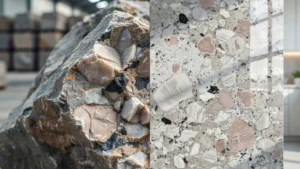
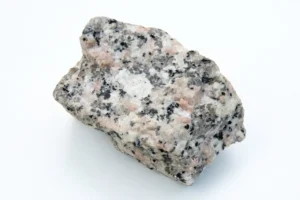
A granite kitchen sink is a basin made from natural granite stone or, more commonly, granite composite, a material formed by mixing roughly 80 percent crushed granite with acrylic or polyester resin under high pressure. This process creates a dense, non-porous surface that resists scratches, heat, and everyday stains better than stainless steel.
Most sinks sold as “granite” today are composite, not solid stone. Solid granite basins exist, but they’re heavy, expensive, and rare outside custom fabrication shops. When a supplier or contractor mentions a granite sink, they almost always mean the composite version, and that distinction matters when you’re comparing prices later in this guide.
Types of Granite Kitchen Sinks
There are two types of Granite kitchen sinks that are
Single Basin Granite Kitchen Sinks
Upgrade your kitchen with the simplicity and efficiency of single basin granite sinks. Perfect for smaller spaces, these sinks offer a sleek and minimalistic design while maintaining the durability characteristic of granite. Explore the ease of use and contemporary charm that comes with a single basin sink, making it an ideal choice for modern kitchens.
Double Basin Granite Sinks
For those with larger households or avid home cooks, double basin granite sinks provide practicality without compromising style. Benefit from the convenience of multitasking, whether it’s washing dishes on one side or preparing food on the other. Our collection offers various design options, ensuring a seamless integration of functionality and aesthetics in your kitchen.
Colors and Finishes of Granite Kitchen Sinks
Colors and finishes plays vital role in adding elegance and touch to granite kitchen sinks. Here are some of the most important colors
White Granite Kitchen Sinks
Elevate the brightness and cleanliness of your kitchen with our white granite sinks. The pristine elegance of white granite adds a timeless touch to any culinary space. These sinks are not only visually appealing but also remarkably resilient, resisting stains and maintaining their lustrous finish with minimal effort. Dive into the sophistication of white granite, bringing a sense of purity and modernity to your kitchen.
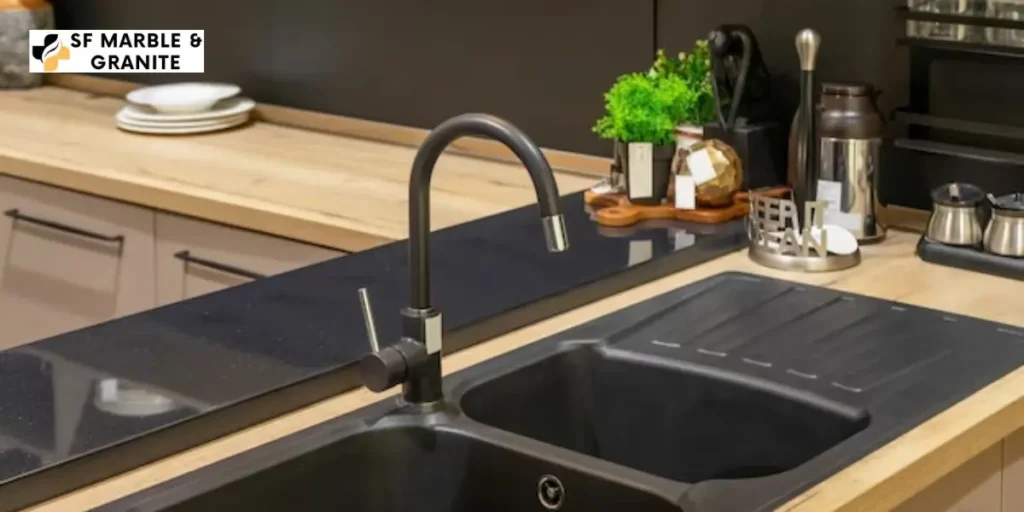
Black Granite Kitchen Sinks
Explore the bold and contemporary vibes of our black granite kitchen sinks. Designed to make a statement, these sinks seamlessly blend style with practicality. The dark, sleek finish not only complements a variety of kitchen designs but also conceals everyday wear and tear. Embrace the chic allure of black granite, adding a touch of luxury to your culinary haven.
Installation Options – Elevating Your Granite Kitchen Design
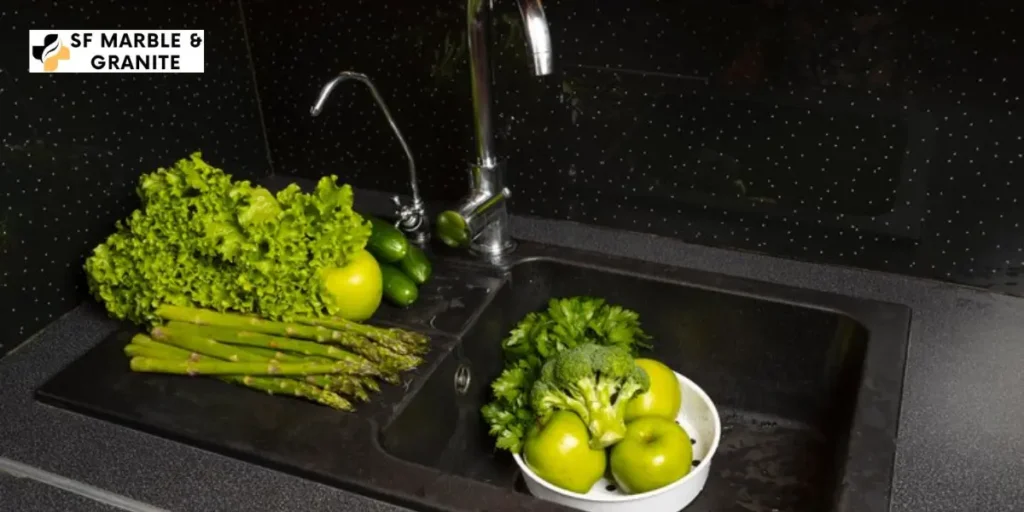
The mounting method affects both appearance and cleaning. It also affects how the countertop cutout must be prepared.
Undermount Installation
An undermount sink sits below the countertop. The countertop edge remains visible around the sink opening.
This creates a clean transition from counter to basin. Crumbs and water can also be swept directly into the sink without catching on a raised rim.
Undermount installation works especially well with solid-surface materials such as granite, quartz, and marble because the countertop edge around the opening can be finished. BLANCO notes that the exposed edge needs a properly finished cutout for undermount installation.
Top-Mount or Drop-In Installation
A top-mount sink sits into an opening in the countertop, with the rim resting on top.
This method can be simpler for some remodeling projects because the countertop supports the sink around its perimeter. It can also work well when replacing an existing sink with compatible dimensions.
The visible rim creates a different look from an undermount sink, so the choice often comes down to both installation conditions and design preference.
Dual-Mount Installation
Some composite sinks are designed for more than one mounting method. A dual-mount sink gives homeowners greater flexibility when planning a kitchen remodel.
Always check the manufacturer’s installation instructions. The sink’s design, countertop material, cabinet dimensions, and support system all affect whether a particular mounting method is suitable.
Sink Size and Cabinet Fit
A common mistake is choosing a sink based only on the outside dimensions.
The minimum cabinet size, bowl dimensions, cutout size, faucet-hole configuration, drain location, and countertop thickness also matter. Manufacturer specifications should be checked before ordering.
For example, a current Franke granite composite specification lists a minimum cabinet size for one model, showing why cabinet measurements should be part of the buying process.
Granite Kitchen Sinks Undermount: Streamlined Elegance
For a modern and streamlined look, choose our undermount granite sinks. Installed beneath the countertop, these sinks create a seamless flow in your kitchen, emphasizing clean lines and a sophisticated aesthetic. Experience the added benefit of easy countertops installation with no raised edges. SF Marble and Granite Inc offers a range of undermount options, allowing you to achieve both elegance and functionality in your kitchen space.
Granite Kitchen Sinks vs Other Sink Materials
Comparing a granite sink against the alternatives makes the decision easier, since most homeowners are choosing between three or four materials at most.
Stainless steel is the budget-friendly default. It’s lightweight, easy to install, and widely available, but it dents, scratches, and gets noisy when water hits it. Granite composite weighs more, sits quieter, and holds up to knife nicks and dropped pots in a way steel simply can’t match.
Fireclay sinks, the classic farmhouse apron style, offer a glossy, glazed finish that’s tough against stains but can chip if you drop something heavy on the rim. Granite composite handles impact better because the color runs through the material instead of sitting in a thin glaze layer.
Porcelain and enameled cast iron sinks look elegant when new, but they chip and stain over time, especially near the drain. Granite composite resists that kind of wear for a much longer stretch, which is part of why remodelers keep recommending it for busy households.
Tips for Maintenance and Longevity – Keeping Your Granite Kitchen Sinks Gleaming
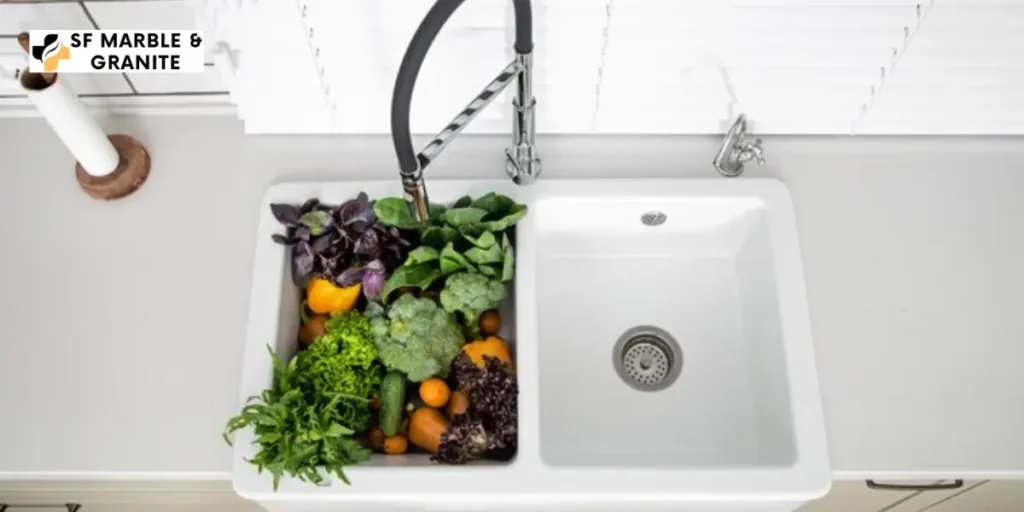
Maintaining the longevity and pristine appearance of your granite kitchen sinks is essential for a lasting investment. Follow these expert tips from SF Marble and Granite Inc to ensure your sink stands the test of time.
Gentle Cleaning
Use a mild dish soap and a soft cloth for daily cleaning. Avoid harsh chemicals or abrasive materials that can damage the granite’s finish.
Avoid Hot Pots and Pans
While granite is heat-resistant, placing extremely hot items directly on the surface can cause thermal shock. Use trivets or hot pads to protect your sink from high temperatures.
Regular Sealing
Depending on usage, consider replacing your granite sink periodically to maintain its water and stain resistance. Follow the manufacturer’s guidelines for sealing products.
Prevent Scratches
Though granite is durable, it’s not scratch-proof. Avoid using steel wool or abrasive pads. Instead, opt for a soft sponge or cloth to clean and wipe down the sink.
Proper Drain Maintenance
Prevent clogs and ensure proper drainage by regularly cleaning the sink’s drain. Use a non-abrasive brush or a mix of baking soda and vinegar for an eco-friendly solution.
By incorporating these simple yet effective tips into your kitchen routine, you’ll not only maintain the beauty of your granite sink but also extend its lifespan, ensuring years of functionality and style.
Cost of Granite Kitchen Sinks
A granite composite kitchen sink typically costs between 200 and 700 dollars for the sink alone, depending on size, bowl configuration, and brand, while professional installation adds another 200 to 600 dollars. Undermount and farmhouse styles usually land at the higher end because of the extra labor and countertop work involved.
Price depends on a handful of factors. Brand reputation plays a role, since established names like Blanco and Franke charge a premium for warranty coverage and consistent quality control. Size and bowl count matter too; a double-bowl sink costs more than a single-bowl model of similar quality. Installation type is the biggest swing factor, since undermount and farmhouse setups need more skilled labor than a simple drop-in swap.
Choosing the Right Granite Sink for Your Home
Start with your countertop material, since that decision narrows your installation options fast. If you already have or plan to install natural stone counters, an undermount granite sink design gives you the cleanest transition and the easiest daily cleanup.
Next, think about how your household actually cooks. A single large basin suits someone who washes big stockpots and baking sheets. A double bowl works better if you’re constantly juggling dishes, produce rinsing, and food prep at the same time. Neither option is wrong, but matching the sink to your routine matters more than matching it to a photo you saw online.
Color should come last, not first. Pick the finish that fits your maintenance tolerance before you pick the one that looks best in a showroom, since you’ll be looking at, and cleaning, this surface every single day for years.
Conclusion
In concluding our exploration of granite kitchen sinks, we hope this guide has been a valuable resource in navigating the diverse options available. From the practicality of single basin sinks to the sophistication of black granite, your choice reflects your unique style. As you embark on this kitchen upgrade journey, remember that SF Marble and Granite Inc is your trusted partner, offering top-tier quality and a commitment to enduring elegance.
Ready to transform your kitchen with our premium granite sinks? Contact us today! Reach out via email at sfmarbleandgranite@gmail.com or give us a call at 978-459-582. Visit our showroom at 755 Dutton St, Lowell, MA 01851, and let our experts guide you towards the perfect granite sink that seamlessly blends style and durability. Elevate your kitchen with SF Marble and Granite Inc where excellence meets innovation.
FAQs
How do I clean and maintain my granite sink?
For daily cleaning, use a mild dish soap and a soft cloth. Avoid abrasive materials and harsh chemicals. Periodic resealing, as per manufacturer guidelines, helps maintain water and stain resistance.
Are granite sinks prone to scratches or stains?
While granite is durable, it’s not scratch-proof. Avoid abrasive pads and use a soft sponge or cloth. Stains can be prevented with prompt cleaning and regular sealing.
Can I install an undermount sink myself?
Undermount sinks require careful installation. We recommend consulting a professional to ensure proper fit and secure installation for a seamless and elegant look.
What makes SF Marble’s granite sinks stand out?
SF Marble and Granite Inc offers a curated collection of granite sinks, combining style and durability. Our commitment to quality, diverse design options, and personalized service set us apart in the industry.
Do white granite sinks require special maintenance?
White granite sinks maintain their pristine appearance with regular cleaning using mild dish soap. Avoid leaving acidic substances on the surface, and periodic resealing helps preserve their bright finish.