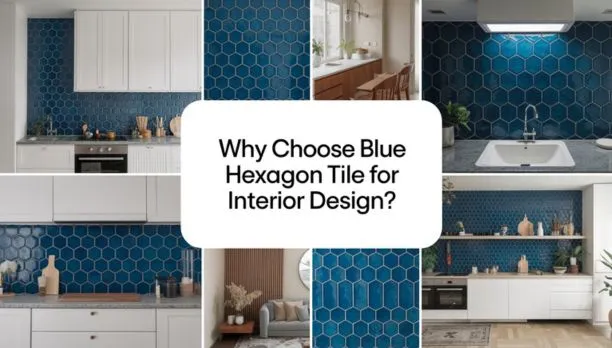
Blue hexagon tile offers a distinctive way to add color, pattern, and visual interest to a home. Its six-sided shape creates a geometric look that works in modern, traditional, coastal, and contemporary interiors. From deep navy finishes to soft, pale blue shades, this tile can suit different rooms and design preferences.
A blue hexagon tile can be used on bathroom floors, shower walls, kitchen backsplashes, and other suitable interior surfaces. The right choice depends on the tile material, finish, size, intended location, and the overall color scheme. Before selecting a design, consider slip resistance, maintenance, grout color, and the manufacturer’s installation recommendations.
In this guide, we will explore popular blue hexagon tile styles, color combinations, practical applications, and tips for choosing a tile that looks attractive and performs well over time.
What Is Blue Hexagon Tile?

Blue hexagon tile is a six-sided tile available in different shades of blue, sizes, materials, and finishes. Its geometric shape creates a repeating pattern that can make a surface more visually interesting than a standard square or rectangular tile.
Depending on the product, blue hexagon tiles may be made from porcelain, ceramic, natural stone, or other tile materials. Each material has different characteristics, so it is important to check the product specifications before choosing one for a specific area.
For example, porcelain tiles are often selected for floors and wet areas because suitable products can offer low water absorption. Ceramic tiles are available in many decorative colors and finishes, while natural stone requires care appropriate to the particular stone.
Blue hexagon tile can create several different effects:
-
Subtle and calming: Pale blue tiles with white or light gray grout.
-
Bold and dramatic: Deep navy tiles with contrasting white fixtures.
-
Fresh and decorative: Blue-and-white geometric patterns.
-
Modern and colorful: Bright blue tiles paired with neutral surfaces.
The hexagonal shape provides a recognizable pattern, while the shade of blue helps determine whether the finished space feels light, dramatic, traditional, or contemporary.
Popular Blue Hexagon Tile Styles
Navy Blue Hexagon Tile
Design direction: Deep color and strong contrast.
Navy blue hexagon tile is a suitable option for homeowners who want a rich, defined color. Its darker appearance can create contrast against white cabinetry, light countertops, brushed metal fixtures, and pale walls.
In a bathroom, navy tiles can create a striking floor or feature wall. In a kitchen, they may work well as a backsplash behind white or light-colored cabinets. Navy can also complement warm wood finishes, which help balance the coolness of blue.
Before selecting a dark tile for a small room, consider the lighting. A dark surface may make a space feel more enclosed when combined with limited natural light and other dark finishes. Lighter walls, mirrors, and carefully planned lighting can help balance the design.
Light Blue Hexagon Tile
Design direction: Soft, airy, and understated.
Light blue hexagon tile is ideal for interiors where a gentle color is preferred over a strong contrast. It pairs naturally with white, cream, light gray, and pale wood tones.
This shade can work particularly well in bathrooms, laundry rooms, and kitchens. A light blue backsplash can add color without overpowering the cabinetry, while a light blue shower wall can create a calm, spa-inspired appearance.
The grout color also affects the final look. White or similarly colored grout creates a more blended surface, while gray grout makes the hexagonal outlines more visible.
White and Blue Hexagon Tile
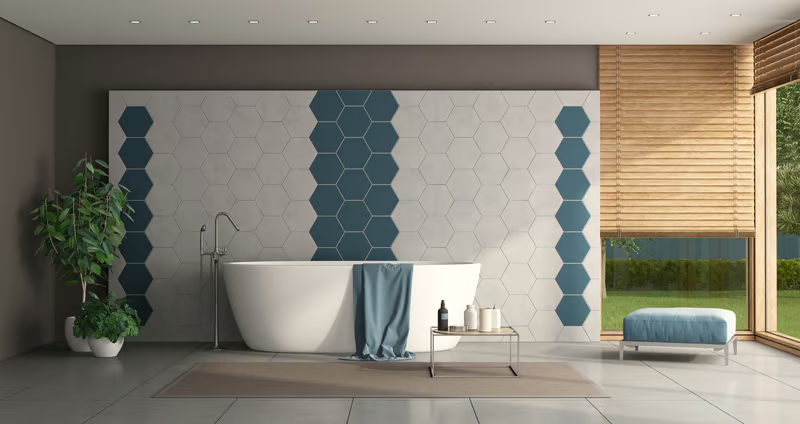
Design direction: Pattern, contrast, and visual interest.
White and blue hexagon tile combines two colors to create a fresh, decorative surface. Depending on the product, the pattern may feature alternating blue and white tiles, blue geometric motifs on white backgrounds, or a mixture of different shades.
This combination is useful when you want a patterned floor or backsplash without introducing several unrelated colors. It can complement white cabinets, simple bathroom fixtures, natural wood, and neutral countertops.
For a balanced result, let the patterned tile serve as the main decorative feature. Pairing it with plain walls and uncomplicated finishes helps prevent the room from looking too busy.
Where Can You Use Blue Hexagon Tile?
The best application depends on the tile’s intended use, water absorption, slip resistance, finish, and installation requirements.
Blue Hexagon Tile Floor
A blue hexagon tile floor can add personality to bathrooms, entryways, laundry rooms, and other suitable spaces. Smaller hexagonal tiles create more grout joints, which can provide additional visual texture and may influence underfoot traction. However, grout joints alone do not establish that a floor is slip-resistant.
For bathroom and other wet-area flooring, check the manufacturer’s slip-resistance information and confirm that the product is rated for the intended application. A polished tile that looks attractive on a wall may not be appropriate for a wet floor.
Consider these design combinations:
-
Navy blue flooring with white walls and fixtures.
-
Light blue flooring with cream or light gray surfaces.
-
Blue-and-white flooring with simple cabinetry.
-
Blue hexagon tiles with natural wood accents for warmth.
The size of the tile also matters. Smaller hexagons create a more detailed pattern, while larger hexagons produce a bolder geometric appearance.
Bathroom Walls and Shower Areas
Blue hexagon tile can serve as a shower feature wall, vanity backsplash, or decorative accent. Dark blue creates a dramatic backdrop, while light blue offers a softer appearance.
For shower installations, the tile is only one part of the system. Proper waterproofing, substrate preparation, grout selection, and installation are essential to help protect the underlying structure from moisture.
Confirm that the selected tile and installation materials are suitable for the specific shower application.
Before choosing blue hexagon tiles for your bathroom, learn about the benefits and drawbacks of marble flooring in our guide: Is Marble Tile Good for a Bathroom Floor?
Kitchen Backsplashes
A blue hexagon tile backsplash can introduce color into a kitchen without requiring a major change to cabinets or countertops. Navy blue works well with white cabinetry and light stone surfaces, while pale blue can complement cream cabinets and warm wood.
White and blue patterns are another option when you want a decorative backsplash. For easier visual balance, choose countertops and cabinet finishes that do not compete heavily with the tile pattern.
You Can Read About How to Choose the Perfect Backsplash for Black Countertops?
Laundry Rooms and Entryways
Laundry rooms and entryways are practical places to introduce a geometric tile design. Blue hexagons can add character to otherwise simple spaces, especially when combined with neutral paint colors and understated storage.
For entryways, consider how much dirt, moisture, and outdoor debris the floor will encounter. Choose a product designed for the expected traffic and cleaning conditions.
How to Choose the Right Shade of Blue
The best shade depends on the atmosphere you want to create, the amount of natural light in the room, and the finishes already present.
| Tile color | Design effect |
Colors that pair well |
|---|---|---|
| Navy blue | Bold and dramatic | White, warm wood, brass, light gray |
| Light blue | Soft and calming | Cream, white, pale gray |
| Bright blue | Energetic and eye-catching | White, charcoal, natural wood |
| Cloud blue | Gentle and muted | Beige, ivory, light wood |
| White and blue | Decorative and fresh | White cabinets, neutral stone, gray |
Bright Blue Hexagon Tile
Bright blue hexagon tile can become the focal point of a room. Its saturated color works well in a small backsplash, a shower accent, or a decorative niche.
Because bright blue attracts attention, combine it with neutral finishes to maintain balance. White walls and simple cabinetry allow the tile to stand out without making the room feel overcrowded.
Lighting can affect how bright blue appears. View a sample under the room’s actual lighting before purchasing a large quantity.
Cloud Blue Hexagon Tile
Cloud blue hexagon tile generally refers to a soft, muted blue shade, although the exact color may vary by manufacturer or product collection. It can suit interiors that need a hint of color without the intensity of navy or bright blue.
Try pairing cloud blue with warm white, beige, pale gray, or natural wood. These combinations can create a relaxed appearance in bathrooms, kitchens, and laundry areas.
Since color names are not standardized across tile manufacturers, compare actual samples rather than relying on the name alone.
How to Choose the Right Tile Material
Color and shape are important, but the material determines how the tile performs and how much maintenance it may need.
| Material | Potential advantages | What to consider |
|---|---|---|
| Porcelain | Many styles are suitable for floors and wet areas | Verify the product’s rating and finish |
| Ceramic | Available in numerous colors and decorative designs | Confirm whether it is suitable for the intended floor or wall |
| Natural stone | Offers natural variation and texture | May require sealing and stone-specific care |
Porcelain and ceramic are common choices for blue hexagon designs. Natural stone can also be an option, but its suitability depends on the particular stone and finish.
Do not assume that every tile is appropriate for every surface. A wall tile may not be rated for flooring, and a product suitable for a dry room may not meet the requirements of a shower floor.
Tips for Installing Blue Hexagon Tile
Good preparation helps the finished pattern look consistent and reduces avoidable installation problems.
-
Measure the area carefully. Calculate the square footage and account for cuts, corners, and pattern alignment. Purchase extra tile for cutting and future repairs, with the amount based on the layout and product.
-
Prepare the surface. The substrate should be clean, stable, and suitable for the tile installation. Wet areas also require an appropriate waterproofing system.
-
Plan the layout. Dry-lay several sheets or individual tiles before installation. This helps identify awkward cuts and keeps the hexagonal pattern visually balanced.
-
Select compatible grout. Grout color affects how clearly the individual hexagons stand out. Follow the tile and grout manufacturers’ recommendations.
-
Use suitable installation materials. Choose the mortar, grout, and other materials according to the tile type, substrate, and location.
-
Allow proper curing. Follow product instructions before grouting, cleaning, or exposing the installation to water.
Hexagonal tiles can be more challenging to align than larger rectangular tiles because small inconsistencies may interrupt the repeating pattern. For complex layouts, shower floors, or extensive installations, an experienced tile installer can help achieve a consistent finish.
How to Maintain Blue Hexagon Tile
Maintenance depends on the tile material, grout, and location. Regular cleaning helps preserve the appearance of the surface, but different products may require different care.
-
Clean regularly: Use a cleaner suitable for the tile and grout.
-
Wipe away spills: Prompt cleaning helps prevent residue and discoloration.
-
Avoid unsuitable chemicals: Strong acids or abrasive products may damage certain tiles, grout, or natural stone.
-
Inspect grout lines: Repair deteriorated grout or sealant as appropriate for the installation.
-
Follow care instructions: Use the manufacturer’s recommendations for cleaning and sealing.
Porcelain and ceramic tiles often have straightforward cleaning requirements, but grout may need additional attention. Natural stone may require a stone-safe cleaner and periodic sealing, depending on its characteristics.
For shower areas, adequate ventilation and routine removal of moisture can also help keep the installation cleaner.
Common Mistakes to Avoid
Before choosing blue hexagon tile, watch out for a few common problems.
Choosing by color alone: A beautiful tile may not be suitable for the intended floor or wet area. Check its technical specifications first.
Ignoring grout color: Contrasting grout emphasizes the geometric pattern, while a matching shade creates a more uniform appearance. Decide which effect you prefer before installation.
Using too many competing patterns: A patterned blue-and-white tile may work best with simpler surrounding finishes.
Skipping sample testing: Tile colors can look different under showroom lighting and at home. Review samples in the actual room.
Underestimating installation complexity: Hexagonal layouts require careful spacing and alignment. Include professional labor in your budget when comparing options.
S F Marble & Granite offers elegant stone and countertop solutions to enhance the beauty and functionality of your space. From timeless natural stone to stylish blue hexagon tile, the right materials can transform your kitchen, bathroom, backsplash, or flooring into a beautiful and inviting space. Whether you prefer deep navy tones or soft, light blue designs, explore options that complement your style and project needs. Contact us today to learn more and find inspiration for your next renovation.
Final Thoughts
Blue hexagon tile combines geometric detail with a versatile range of colors, making it an option for bathrooms, kitchen backsplashes, shower walls, and suitable flooring. Navy blue creates contrast, light blue offers a softer appearance, and white-and-blue combinations introduce decorative patterns.
Before making a final choice, compare tile samples, review the product’s technical specifications, and consider the grout, surrounding finishes, cleaning requirements, and installation conditions. These details will help you select a design that suits both your space and your practical needs.
S F Marble & Granite can use this topic to help readers explore tile and natural-stone design options alongside other countertop and stone-care information. Confirm the company’s specific tile products and services before making any service-related claims.
Frequently Asked Questions
1. Is blue hexagon tile suitable for bathroom floors?
Yes, provided the selected tile is rated for flooring and the intended wet-area conditions. Check its slip-resistance information and follow the installation requirements.
2. What color grout works best with blue hexagon tile?
White or light gray grout creates a soft, coordinated look. Dark gray grout emphasizes the individual hexagons, while a matching blue grout can create a more continuous appearance if a compatible product is available.
3. Does navy blue hexagon tile make a room look smaller?
It can make a room feel darker or more enclosed, particularly when natural light is limited. Lighter walls, mirrors, and balanced lighting can help offset that effect.
4. Is blue hexagon tile difficult to maintain?
Maintenance depends on the material and grout. Porcelain and ceramic are generally straightforward to clean, while natural stone may need additional care. Regular cleaning and suitable products help maintain the finish.
5. Can blue hexagon tile work with marble countertops?
Yes. Blue hexagon tile can complement marble countertops, especially when the blue shade works with the marble’s veining and undertones. Compare physical samples together before making a final decision.