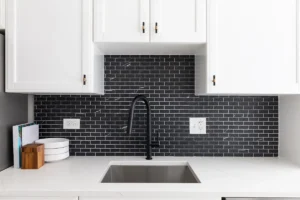
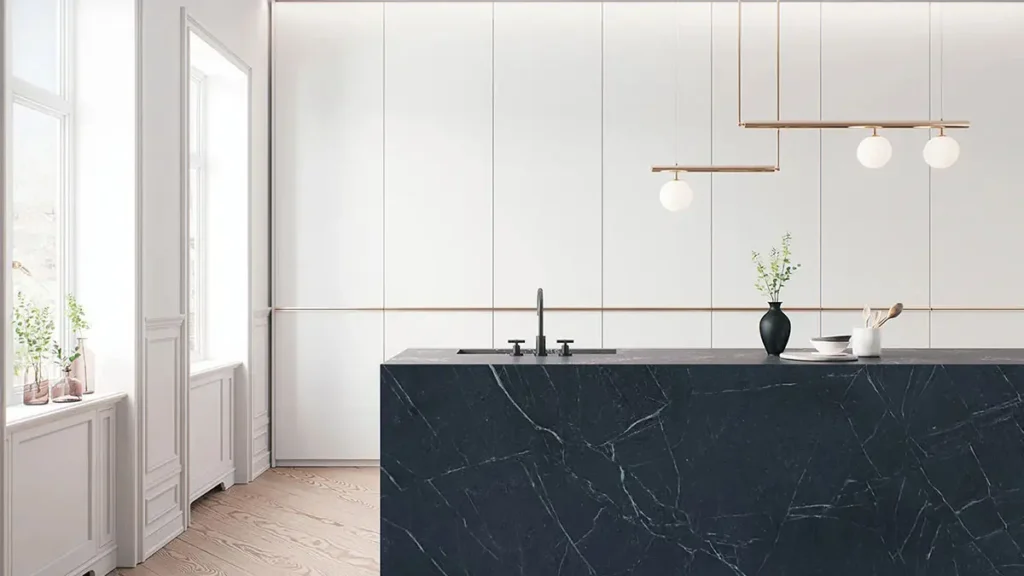
You’ve probably heard the word “soapstone” thrown around in kitchen renovation talks. But most people don’t really know what it is or why it’s been used for thousands of years. Here’s the short answer: soapstone is a soft, dense natural rock made mostly of talc. That’s what gives it that smooth, almost silky feel when you run your hand across it.
So, what are soapstones exactly, and why are designers and homeowners still choosing them today? They’re one of the most heat-resistant, low-maintenance natural stones available. Unlike granite or marble, soapstone doesn’t need sealing. It’s a practical choice that also looks stunning.
The Basics: What Soapstone Actually Is
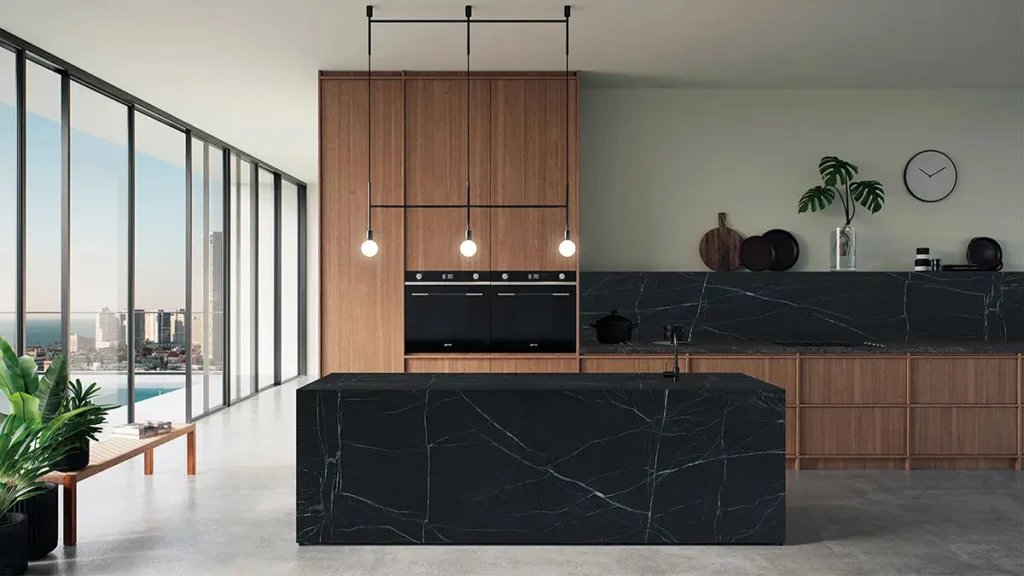
Soapstone is a metamorphic rock. That means it forms deep inside the Earth under extreme heat and pressure over millions of years.
Its main ingredient is talc. Talc is the softest mineral on the Mohs hardness scale, sitting at just 1. That’s why soapstone feels smooth and slightly waxy, almost like a dry bar of soap. That’s actually where the name comes from.
When people ask what is soapstone made of, the answer goes beyond just talk. It also contains chlorite, amphiboles, magnesite, and sometimes dolomite or quartz. The exact mix depends on where the stone was formed. More talc means softer stone. More quartz or chlorite means harder, denser stone.
Soapstone typically ranks between 1 and 4 on the Mohs scale depending on its composition. Varieties used for countertops are usually on the denser end, around 2.5 to 4.
Where Soapstone Comes From
Soapstone deposits exist across several continents. The biggest sources today are Brazil, Finland, India, and the United States (mainly Virginia and Vermont).
Brazil is by far the largest exporter. Brazilian soapstone tends to be denser and comes in a wider range of colors, which makes it popular for countertops and sinks.
Virginia and Vermont have been producing soapstone for over 300 years. American quarried stone is known for its consistent quality and deep gray tones. Many historic American buildings used local soapstone in their original construction.
Each quarry produces stone with a slightly different mineral blend. That’s why two slabs from different regions can look and feel different, even if both are labeled “soapstone.”
Black Soapstone and Color Development
One of the most interesting things about soapstone is how it changes color over time.
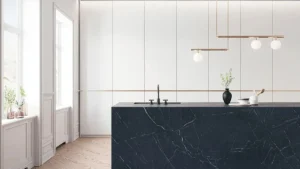
Fresh out of the quarry, most soapstone looks light gray or greenish-gray. But when you apply mineral oil, it turns a rich, dark charcoal or near-black color. That’s what most people picture when they think of a soapstone countertop.
Black soapstone gets its deep tone from higher concentrations of chlorite and other dark minerals. The oiling process saturates the stone and brings out that darkness right away. Over years of natural use, the stone develops that color on its own even without oil.
Some homeowners love watching their countertop slowly darken. Others prefer to oil it right away for a uniform, dark look from day one. Both approaches work. The stone ages gracefully either way.
Green Soapstone: The Warmer Alternative
Not all soapstone is gray or black. Green soapstone is a real category, and it’s gaining attention.
The green color comes from higher chlorite content in the stone. It ranges from a soft sage tone to a deeper olive or forest green. When oiled, green soapstone deepens and takes on warm, earthy tones.
Soapstone meaning in design terms often points to warmth, naturalness, and a handcrafted feel. Green varieties lean into that aesthetic more than gray ones do.
Green soapstone works especially well in kitchens with warm wood tones, farmhouse styles, or spaces that lean into a natural, organic look. It’s less common than gray, which also makes it stand out.
Heat Resistance: Why Soapstone Handles Fire Like No Other
This is where soapstone really pulls ahead of other countertop materials.
Soapstone is non-porous and has an extremely high heat resistance. You can place a hot pan directly on it without damaging the surface. The stone won’t crack, discolor, or absorb heat in a way that causes stress fractures. That’s a major reason it’s been used in fireplace surrounds, wood stoves, and laboratory countertops for centuries.
In Scandinavian countries, soapstone has been used in wood-burning stoves for hundreds of years. The stone absorbs heat slowly and releases it gradually, keeping rooms warm long after the fire dies down.
This thermal mass quality also makes soapstone ideal around ovens, ranges, and baking areas in modern kitchens. It won’t scorch like wood or crack like some ceramic tiles.
Soapstone Through History and Around the World
Soapstone what is it in a historical context? The answer is impressive.
Humans have been carving and using soapstone for at least 10,000 years. Archaeologists have found soapstone tools, bowls, and figurines in ancient Native American sites, Norse Viking settlements, West African kingdoms, and South Asian civilizations.
In Brazil, it’s called pedra-sabão, which literally means “soap stone.” Entire colonial-era churches in the state of Minas Gerais were built with it. The famous sculptor Aleijadinho used soapstone for his detailed religious statues in the 18th century because of how easy it was to carve.
In the American South, early settlers used soapstone for cooking slabs and fireplace surrounds. It was the material of choice for laboratory benches well into the 20th century because it resists chemicals, heat, and bacteria.
This long track record matters. Define soapstone and you’re also defining a material with centuries of proven real-world performance.
What Makes Soapstone Different from Other Materials
Here’s how soapstone stacks up against the most common alternatives.
Compared to granite, soapstone is softer and easier to scratch. But it also doesn’t need sealing, won’t stain from oils or acids, and has natural antibacterial properties. Granite requires annual sealing and can absorb liquids over time.
Compared to marble, soapstone is far more durable in practical daily use. Marble etches easily from acidic foods like lemon juice or wine. Soapstone doesn’t etch at all.
Compared to quartz, soapstone is 100% natural with no resins or binders. Quartz is engineered and more uniform. Soapstone is unique, with natural variation in veining and color.
Compared to concrete, soapstone requires far less maintenance. Concrete countertops can crack and need regular sealing. Soapstone is nearly maintenance-free.
The softness is the main trade-off. Soapstone scratches more easily than granite or quartz. But here’s the thing: those scratches can be sanded out. You can sand a soapstone countertop back to smooth, which you absolutely cannot do with granite.
Soapstone Applications Throughout Your Home
Soapstone isn’t just for kitchens. Here’s where people use it most.
Countertops: The most popular application. Works great for kitchens and bathrooms. The non-porous surface means it’s naturally hygienic and easy to clean.
Sinks: Soapstone sinks are carved from solid slabs. They’re seamless, beautiful, and incredibly durable. Because the material doesn’t stain or harbor bacteria, they’re practical for both kitchen and bathroom use.
Fireplace Surrounds: Soapstone handles high heat without cracking or discoloring. It’s a natural fit for fireplaces and wood stoves. Many Scandinavian wood-burning stoves are built entirely from soapstone.
Flooring: Used in some historic and high-end spaces. Softer than other stone flooring, so it works better in low-traffic decorative areas.
Backsplashes: Pairs beautifully with soapstone countertops or as a standalone feature with other countertop materials.
Laboratory Counters: Still used today in schools and research facilities because it resists chemicals, heat, and staining.
Art and Carving: Artists love soapstone for sculpture because it’s soft enough to carve with basic tools but durable once finished.
Soapstone Countertops: Pros and Cons Summary
Let’s be direct about what you’re getting.
What works in your favor:
No sealing required, ever. The stone is non-porous from day one. Hot pots go directly on the surface without a trivet. Acids and oils don’t stain or etch it. Scratches can be sanded out at home. It develops a natural patina over time that many people find beautiful.
What to know going in:
Soapstone scratches more easily than granite or quartz. It’s softer, so sharp objects leave marks. Not every fabricator knows how to work with it properly. Color variation between slabs can be significant, so selecting in person matters. It costs more than many engineered stone options.
The scratching concern is the one that stops most buyers. But experienced soapstone owners often say it becomes a non-issue quickly. Light scratches blend in. Deeper ones sand out with fine grit sandpaper in minutes. Over time, the surface develops an even patina that hides most marks naturally.
You can read about: How Much Does It Cost to Install Countertops
Why Stone Pricing Isn’t One-Size-Fits-All
Soapstone pricing varies more than most buyers expect.
The stone itself ranges from about $70 to $150 per square foot installed, depending on origin, thickness, and fabricator. Brazilian stone tends to cost less than domestic Virginia or Vermont soapstone. Thicker slabs cost more. Custom edge profiles add to the price.
The quarry matters. Rarer colors like deep green or heavily veined gray command premium prices. High-talc varieties used for art and carving cost less than the denser, chlorite-rich varieties used for countertops.
Fabrication skill also affects price. Soapstone is softer than granite, which means it requires experienced hands during cutting and installation. A fabricator who works with it regularly will produce cleaner edges and fewer stress fractures during installation.
Always get quotes from multiple fabricators. Always ask specifically about their soapstone experience.
Who Should Choose Soapstone, And Who Shouldn’t
Soapstone is a great fit if you want a natural stone that requires minimal upkeep. It’s ideal for serious cooks who place hot pots on counters, families who don’t want to seal stone every year, and anyone who values a material that ages gracefully rather than staying perfectly uniform.
It’s not the best choice if you want an extremely hard surface that resists all scratches. If you’re bothered by marks and patina, soapstone will frustrate you. And if your budget is tight, engineered quartz often gives you more surface area for less money.
The people who love soapstone tend to really love it. There’s a strong community of soapstone owners online who share care tips and before-and-after photos. That loyalty says something about the material’s long-term appeal.
How to Evaluate Soapstone Quality
When you’re shopping for slabs, a few things matter.
First, scratch the back of the slab with your fingernail. Softer stone scratches easily. Denser stone resists. For countertops, you want denser stone with lower talc content.
Second, look at the thickness. Kitchen countertops should be at least 1.25 inches thick, preferably 1.5 inches. Thinner slabs flex under weight and can crack at the sink cutout.
Third, check for veining consistency. Soapstone always has some natural variation, but dramatic color differences between slabs can look patchy once installed. Select slabs in person and lay them out together before committing.
Fourth, ask about the quarry and region of origin. Brazilian stone from Minas Gerais has a well-established reputation. American stone from Virginia and Vermont is also proven. Be cautious of vague answers about origin.
Fifth, ask the fabricator how many soapstone jobs they’ve done. Inexperienced fabricators sometimes crack slabs during cutting because they don’t adjust their tools and technique for the softer material.
Care and Maintenance
Soapstone requires almost no maintenance compared to other natural stones.
You never need to seal it. The stone is non-porous, so liquids and bacteria can’t penetrate the surface.
The main ongoing care step is oiling. Apply food-grade mineral oil once a month for the first year. Use a clean cloth, rub it into the surface, and wipe off the excess after 10 minutes. This deepens the color and keeps the surface looking even.
After the first year, oil every few months or when the stone starts looking lighter or dry. Some owners stop oiling entirely after a few years once the stone has developed a consistent patina.
For scratches: rub fine grit sandpaper (220 grit works well) across the scratch in a circular motion. Then reapply mineral oil to the spot. The scratch disappears quickly.
For cleaning: soap and water is all you need. Soapstone resists bacteria naturally. You don’t need special cleaners or harsh chemicals.
Conclusion
Soapstone is one of the most practical and beautiful natural materials you can bring into your home. It handles heat, resists staining, and ages beautifully without demanding much from you in return.
If you’re still asking what are soapstones and whether they’re right for your project, the honest answer is that they work best for homeowners who want a natural stone with real character and minimal upkeep.
At SF Marble & Granite, we work with clients across Massachusetts to help them select and install natural stone that fits their lifestyle and budget. If you’re exploring options and want expert guidance on Countertop Installation in Lowell, MA, our team is here to walk you through every step. We’ll help you compare materials, review slabs in person, and ensure your installation is done right the first time.
Frequently Asked Questions
Is soapstone a good countertop material?
Yes, for the right homeowner. It’s heat-resistant, non-porous, and never needs sealing. It scratches more easily than granite, but those scratches can be sanded out at home.
What is a soapstone made of?
Primarily talc, along with chlorite, magnesite, amphiboles, and sometimes quartz or dolomite. The exact composition varies by quarry and region.
Does soapstone stain?
No. It’s non-porous, which means liquids can’t penetrate the surface. Oils, wine, and acidic foods won’t stain or etch it.
How do you maintain soapstone?
Apply food-grade mineral oil monthly for the first year, then every few months after that. For scratches, light sanding with 220-grit sandpaper followed by oiling does the job.
What is soapstone used for?
Countertops, sinks, fireplace surrounds, flooring, backsplashes, laboratory benches, and sculpture. It’s been used for practical and artistic purposes for thousands of years.
Does soapstone scratch easily?
More easily than granite or quartz, yes. But the scratches are easy to remove with sandpaper. Over time, most soapstone surfaces develop an even patina that naturally minimizes the appearance of marks.