A backsplash can change the look of your kitchen or bathroom while protecting the wall from water, grease, and stains. How to Install Backsplash depends on the material, wall surface, adhesive, and layout you choose. With the right preparation, you can create a clean and durable finish.
S F Marble & Granite can help you choose and install backsplash materials that suit your countertop and room design. This guide explains the process from surface preparation to final sealing, so you know what each step involves.
1. What Do You Need Before Installing a Backsplash?
Good preparation makes the installation easier and helps prevent uneven tiles or weak bonds. Gather your materials and tools before starting.
Materials
- Backsplash tiles or sheets
- Tile adhesive or thin-set mortar
- Grout
- Tile spacers
- Caulk
- Grout sealer, when required
- Tile edge trim, if needed
Tools
- Tape measure
- Level
- Pencil
- Notched trowel
- Tile cutter or wet saw
- Rubber grout float
- Grout sponge
- Bucket
- Utility knife
- Safety glasses and gloves
Choose an adhesive that matches your backsplash material and wall surface. Always follow the product instructions for mixing, application, and curing.
2. How Do You Prepare the Wall for a Backsplash?
The wall must be clean, dry, flat, and structurally sound before you begin. Dust, grease, loose paint, or moisture can prevent proper adhesion.
Start by removing outlet covers and cleaning the wall thoroughly. Repair holes, cracks, or loose sections before installation.
Use a level to check the wall. If the surface has major uneven areas, correct them before applying adhesive.
For painted walls, check that the paint is firmly attached. Remove peeling paint and lightly prepare glossy surfaces according to the adhesive manufacturer’s instructions.
3. How Do You Measure and Plan the Backsplash?
Measure the width and height of the installation area before cutting any material. Record each measurement separately because walls are not always perfectly square.
Plan your layout before spreading adhesive. This helps you avoid small, awkward pieces at visible edges.
For a tiled backsplash, mark a level starting line rather than assuming the countertop is perfectly level. Dry-fit several tiles to see how the pattern will finish at corners and edges.
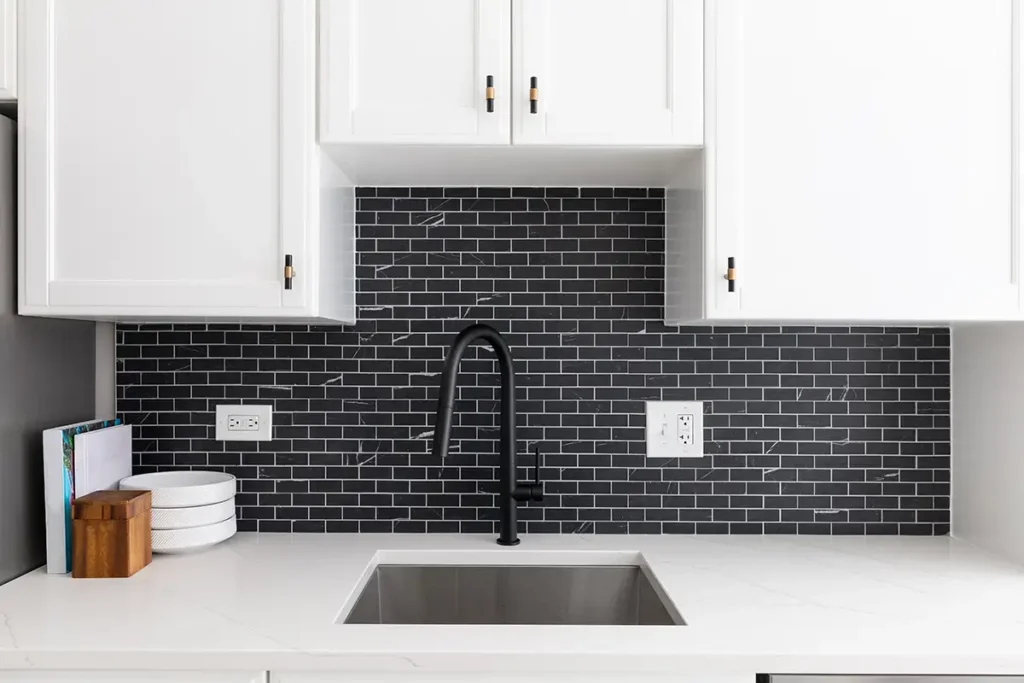
If you are using subway tiles for kitchen backsplash, decide whether you want a traditional running-bond pattern or another layout before installation.
4. How Do You Cut Backsplash Tiles?
Accurate cuts give your backsplash a professional appearance. Measure each piece carefully and mark the cutting line before using your tile cutter or saw.
Wear eye protection when cutting tile. Keep your fingers away from the cutting path and follow the tool manufacturer’s safety instructions.
Tips for cleaner cuts
- Measure twice before cutting.
- Account for grout joints.
- Cut outlet openings carefully.
- Keep finished edges facing outward.
- Save difficult cuts for areas that will be less visible.
For natural stone, use equipment designed for the material. Stone can chip if you use the wrong blade or cutting method.
5. How Do You Apply Adhesive to the Wall?
Once your layout is ready, apply the recommended adhesive to a manageable section of the wall. Spread it evenly with the correct notched trowel.
Hold the trowel at a consistent angle so the adhesive ridges remain even. Avoid covering more wall than you can tile before the adhesive begins to set.
Press each tile firmly into place with a slight sliding motion. Use spacers to maintain consistent joints between tiles.
Remove excess adhesive from the tile faces and joints before it hardens. This makes grouting much easier later.
6. How Do You Install Backsplash Around Outlets and Corners?
Outlets, switches, cabinets, and corners require careful measuring. Turn off electrical power before removing outlet covers or working around electrical boxes.
Measure from the surrounding tiles rather than guessing the opening size. Leave the required clearance around the electrical box based on the installation requirements.
Corners can be finished with matching tile pieces, trim, or another suitable edge treatment. Keep the layout balanced so narrow pieces do not become the main visual feature.
Do not force tiles into tight spaces. Make clean cuts and maintain the planned joint spacing.
7. How Do You Install a Backsplash on a Vanity?
The same basic process works for many bathroom vanity backsplashes, but moisture protection becomes especially important.

When learning how to attach backsplash to vanity, first make sure the vanity and wall are stable. Clean the surface and check that it can support the selected backsplash material.
Apply the appropriate adhesive and press the backsplash into position. Keep the piece level and allow the recommended curing time.
Use a suitable caulk where the backsplash meets the countertop or vanity surface. This joint helps keep water from entering the gap.
You May Also Read This How to Install Backlit Backsplash?
8. How Long Should Backsplash Adhesive and Grout Cure?
Curing time depends on the adhesive, grout, tile material, temperature, humidity, and product instructions. Do not rush the next stage.
After the adhesive has cured as directed, remove spacers and prepare the joints for grout.
Apply grout with a rubber float, working it firmly into the joints. Remove excess grout from the tile surface with a damp sponge.
Once the grout reaches the required cure stage, apply sealer when the product and material call for it.
| Installation Stage | What to Check |
|---|---|
| Wall preparation | Clean, dry, flat surface |
| Adhesive | Correct product and coverage |
| Tile placement | Level rows and consistent spacing |
| Grouting | Fully filled, clean joints |
| Caulking | Sealed changes of plane |
| Final check | No loose tiles or open gaps |
Always follow the specific curing instructions printed on the products you use.
9. What Backsplash Materials Can You Install?
Backsplashes are available in many materials, including ceramic, porcelain, glass, natural stone, and metal-style products.
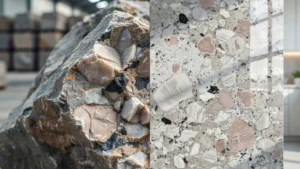
Ceramic and porcelain tiles offer many patterns and sizes. Natural stone can provide unique colors and veining, but some materials require additional care.
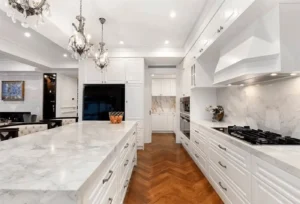
A white back splash can make a room feel clean and bright, while darker materials can create stronger contrast against light cabinets or countertops.
Faux tin backsplash panels can also create a decorative metal appearance. These products may have different installation requirements from traditional tile, so follow the manufacturer’s instructions.
The best material depends on your wall, countertop, moisture exposure, maintenance needs, and design preferences.
10. What Are the Most Common Backsplash Installation Mistakes?
Many backsplash problems start before the first tile is installed. Careful preparation can prevent most common issues.
Common mistakes include:
- Installing over a dirty wall
- Skipping layout planning
- Starting without a level reference line
- Using the wrong adhesive
- Applying too much adhesive
- Ignoring grout joint spacing
- Making inaccurate cuts
- Rushing the curing process
- Forgetting to seal required materials
- Using grout instead of flexible caulk at movement joints
Another common mistake is failing to check the countertop and wall relationship. A small difference in level can become obvious across a long backsplash run.
If the project involves natural stone, complex cuts, plumbing fixtures, or difficult surfaces, professional installation can reduce the chance of costly mistakes.
At S F Marble & Granite, we provide professional countertop and stone services for residential and commercial projects. Our team works with materials such as granite, marble, and other natural stone options to create durable and attractive surfaces. Whether you are planning a kitchen backsplash, countertop installation, or stone upgrade, we focus on proper material selection, accurate installation, and a clean finished look. Contact S F Marble & Granite today to discuss your project and find the right solution for your space.
Final Thoughts
Installing a backsplash requires careful measuring, proper wall preparation, accurate cutting, and the right adhesive. Take your time with the layout because small errors can affect the entire finished area.
S F Marble & Granite provides countertop and stone services that can complement your backsplash project. Whether you are updating a kitchen or bathroom, proper material selection and installation help create a clean, lasting finish.
If you need help choosing the right stone or planning your project, Contact us today.
FAQs
Is backsplash hard to install?
No. Basic backsplash installation is manageable when the wall is prepared properly and the layout is planned before installation.
Can you install backsplash directly over drywall?
Yes, when the drywall is sound, clean, dry, and suitable for the selected adhesive and backsplash material.
Should backsplash go behind the countertop?
Yes. The backsplash is normally installed above the countertop, with the lower joint properly sealed against moisture.
How thick should backsplash adhesive be?
Adhesive thickness depends on the product and tile, so follow the manufacturer’s recommended trowel size and application method.
Do you grout between the backsplash and countertop?
No. Use an appropriate flexible caulk at the countertop-to-backsplash joint because these surfaces can move slightly.