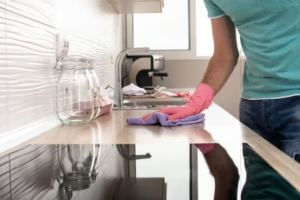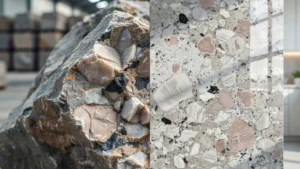
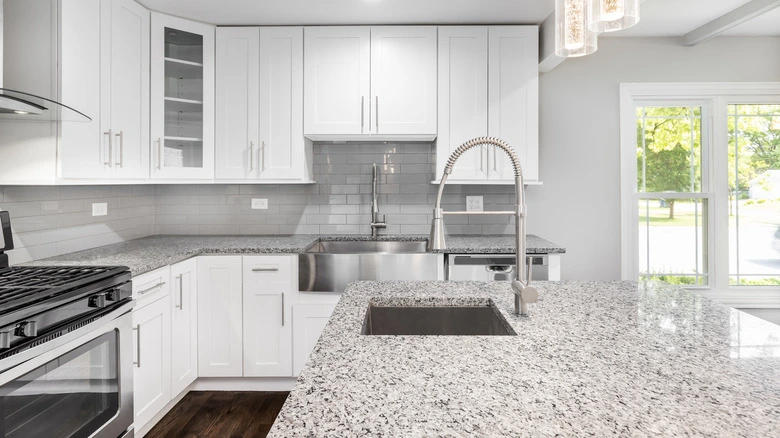
Granite looks tough, but it is actually porous. Water, oil, and juice can seep in and stain it over time. That is why sealing matters. Most granite countertops need resealing once a year. Some need it every 2 to 3 years. Others need it every 6 months. It all depends on the stone and how much you use it.
If you are wondering how often do you reseal granite countertops in your kitchen or bathroom, the short answer is: test it once a year and seal when needed. This guide walks you through everything you need to know.
Why Granite Countertops Need Sealing
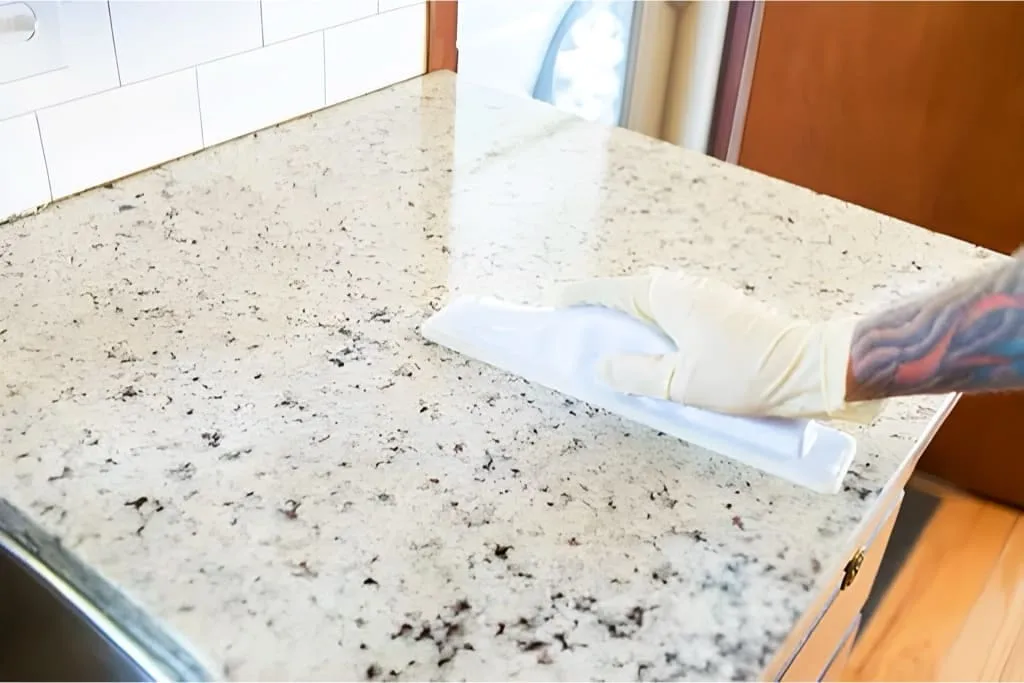
Granite is a natural stone. That means it has tiny pores running through it. These pores absorb liquids if left unprotected.
Think about coffee, red wine, olive oil, or lemon juice sitting on your counter. Without a sealer, those liquids soak in fast. Stains form. Bacteria can also settle into the pores.
A sealer fills those tiny gaps. It creates a barrier on the surface. Liquids bead up instead of soaking in. That means easier cleanup and a longer-lasting counter.
Sealing does not make granite bulletproof. But it does buy you time when spills happen.
How Often Should Granite Be Resealed?
This is the most common question homeowners ask. Here is a simple breakdown.
| Granite Color / Type | How Often to Seal |
| Light-colored granite | Every 6 to 12 months |
| Dark-colored granite | Every 1 to 3 years |
| High-porosity granite | Every 6 months |
| Low-porosity granite | Every 2 to 3 years |
| Polished finish | Every 12 months |
| Honed or matte finish | Every 6 months |
How often should granite be sealed really comes down to the stone itself. Light granites like Kashmir White or Colonial White are very porous. They absorb liquids fast. Dark granites like Absolute Black are denser and need sealing less often.
As a general rule: seal your granite countertops once a year. Then do the water test (explained below) every few months to see if it is time sooner.
Signs Your Granite Countertop Needs Resealing
Do not wait for a stain to tell you. Watch for these signs instead.
Water soaks in instead of beading up. This is the clearest sign. When sealer wears off, water no longer sits on top. It absorbs quickly.
The surface looks dull or dry. Sealed granite has a subtle sheen. When the sealer breaks down, the surface can look flat or chalky.
Stains appear after spills. If you notice rings or dark spots after a spill, the sealer is gone in that area.
The counter feels rough. A properly sealed granite surface feels smooth. Roughness can mean the sealer has worn away.
Any one of these signs means it is time to reseal granite countertops before the damage gets worse.
Simple Water Test for Granite Sealer
This is the easiest way to check if your granite still has protection. You do not need any special tools.
Here is how to do it:
- Pour a few tablespoons of water onto the granite surface.
- Wait 10 to 15 minutes.
- Check the water.
If the water still beads up after 15 minutes, the sealer is working fine. No action needed.
If the water soaks in within a few minutes, the sealer is thin or gone. Time to reseal.
If the water soaks in immediately, the sealer is completely worn off. Reseal right away.
Run this test every 3 to 6 months. It takes less than 20 minutes and can save you from expensive repairs.
What Affects How Often Granite Needs Sealing?
Several things change how fast a sealer wears down. Knowing these helps you plan better.
Color and Porosity of the Stone
Lighter granite is more porous. It needs sealing more often. Darker granite is denser and holds up longer between sealings.
How Much You Use the Counter
A kitchen counter used 3 times a day wears through sealer faster than a bathroom vanity used once. High-traffic surfaces need more frequent resealing granite counters.
Cleaning Products You Use
Harsh cleaners, bleach, and acidic products break down sealer fast. Stick to pH-neutral stone cleaners. Avoid vinegar, ammonia, or citrus-based cleaners on granite.
Type of Finish
Honed and leathered finishes are more porous than polished finishes. They absorb liquids faster and need more frequent sealing.
Quality of the Sealer Used
Cheap sealers wear off in months. Premium penetrating sealers from brands like Miracle Sealants, Aqua Mix, or StoneTech can last 1 to 3 years.
Steps to Resealing Granite Countertops
Resealing is not hard. Here is the full process step by step.
Step 1: Clean the Surface Thoroughly
Use a stone-safe cleaner or mild dish soap. Wipe away all grease, residue, and debris. Let the surface dry fully. Any moisture will block the sealer from absorbing.
Step 2: Choose the Right Sealer
Use a penetrating or impregnating sealer made for natural stone. These soak into the pores instead of sitting on top. Topical sealers wear off much faster and can look cloudy over time.
Step 3: Apply the Sealer
Pour a small amount onto the granite or spray it on. Use a clean cloth or applicator pad to spread it evenly. Work in sections so it does not dry before you spread it.
Step 4: Let It Absorb
Let the sealer sit for 10 to 20 minutes. You may see it soak in. Some areas may absorb faster than others.
Step 5: Wipe Off the Excess
Do not let sealer dry on the surface. Before it gets tacky, buff off the extra with a clean dry cloth. Dried sealer leaves hazy streaks.
Step 6: Apply a Second Coat (If Needed)
For very porous granite, apply a second coat after the first one dries. Wait 20 to 30 minutes between coats.
Step 7: Let It Cure
Avoid water on the surface for at least 24 hours. Full cure time is usually 48 to 72 hours depending on the product.
That is the full process for how to seal granite countertops properly. Following each step matters. Skipping the drying time is the most common mistake.
You can read about: Types of Granite Countertops
How Long Does Granite Sealing Take?
The actual application takes about 30 to 45 minutes for a standard kitchen counter. Drying and cure time adds another 24 to 72 hours.
Plan to keep the counter dry during that window. Do not cook heavy meals the same day. Cover the surface if needed to avoid accidental splashes.
Professional sealing takes about the same time but with better tools and commercial-grade products that last longer.
Can You Reseal Granite Countertops Yourself?
Yes, and most homeowners do. DIY resealing works well if you follow the steps correctly. The products are widely available at home improvement stores and online.
What you need:
- Penetrating granite sealer
- Stone-safe cleaner
- Clean cloths or applicator pads
- Gloves
The whole job costs $20 to $60 in materials for a typical kitchen.
The main risk with DIY is applying too much sealer or not buffing it off in time. That leaves white haze on the surface. If that happens, use a sealer remover or call a professional to fix it.
For most homeowners, DIY resealing works perfectly fine. But if your granite has stains, etching, or visible damage, hire a stone care professional before sealing. Sealing over damage locks it in.
What Happens if You Don’t Reseal Granite Countertops?
Skipping sealer does not ruin granite overnight. But over time, the damage adds up.
Staining. Oils, wine, and juice soak into the pores permanently. Some stains can be pulled out with poultice, but deep stains may be permanent.
Bacterial growth. Open pores trap food particles and bacteria. This is a health concern in kitchens.
Etching. Acids from citrus or vinegar react with minerals in granite. This creates dull spots that cannot be fixed with sealer. They need professional polishing.
Higher repair costs. Fixing stained or etched granite costs far more than a $30 bottle of sealer.
Resealing granite counters is cheap maintenance. Ignoring it is an expensive mistake.
Best Tips to Keep Granite Protected Longer
These habits extend the life of your sealer and keep your counters looking great.
- Wipe spills immediately. Do not let anything sit on granite, even water.
- Use coasters and trivets. Heat and moisture from glasses and pots wear down sealer.
- Use cutting boards. Never cut directly on granite. It scratches the surface and damages the sealer.
- Clean with the right products. Use pH-neutral cleaners only. Avoid anything acidic or alkaline.
- Dry the surface after cleaning. Standing water is the number one cause of sealer breakdown.
- Reseal after heavy use periods. After a holiday season or big gathering, run the water test.
Small habits make a big difference. Most granite problems come from poor daily care, not bad stone.
How Often Do You Reseal Granite Countertops in Different Areas?
Location in your home changes how often the job is needed.
Kitchen counters take the most abuse. Cooking oils, acidic foods, and constant use mean resealing every 6 to 12 months for most kitchens.
Bathroom vanities see less contact with harsh substances. Resealing every 1 to 2 years is usually enough.
Outdoor granite faces sun, rain, and temperature swings. Reseal every 6 months or use a sealer rated for outdoor stone.
Low-use areas like a bar top or laundry room counter may only need resealing every 2 to 3 years.
Final Thoughts
Knowing how often do you reseal granite countertops is not complicated once you understand your stone. Test it regularly, watch for the signs, and reseal when needed. Most kitchens need it once a year. Some need it more. Some less.
If you notice cracks or chips along with staining, you may need more than just a sealer. For professional help or Granite Countertop Repair in Lowell, MA, our team at SF Marble & Granite is ready to assist. We help homeowners keep their kitchens in top shape with expert care and advice.
Frequently Asked Questions
How often do you reseal granite countertops in a kitchen?
Most kitchen granite needs resealing once a year. High-use kitchens with light-colored granite may need it every 6 months. Do the water test every few months to stay ahead of it.
What is the best sealer for granite countertops?
Penetrating or impregnating sealers work best. Brands like Miracle Sealants 511, Aqua Mix Sealer’s Choice Gold, and StoneTech BulletProof are popular choices among stone care professionals.
How long does granite sealer last?
Most consumer sealers last 1 to 2 years. Professional-grade sealers can last 3 to 5 years. The actual lifespan depends on usage, cleaning habits, and the porosity of your granite.
Can I use any sealer on granite?
No. Use only sealers made for natural stone. Products with bleach, ammonia, or harsh chemicals can break down granite’s minerals and damage the surface.
Is resealing granite countertops a DIY job?
Yes, for most homeowners. Follow the steps carefully, use the right product, and buff off excess sealer before it dries. If the granite has damage or deep stains, call a professional first.
How do I know if my granite is sealed already?
Do the water test. Pour a small amount of water on the surface and wait 15 minutes. If it beads up, the sealer is working. If it soaks in, the sealer is gone.
Does all granite need sealing?
Most granite does, but not all. Very dense, low-porosity granite may not need sealing at all. Your stone supplier or a stone care pro can tell you for sure. When in doubt, seal it.