What Is White Marble Flooring?
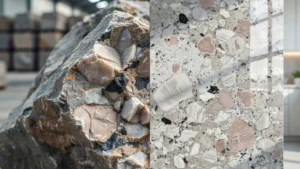
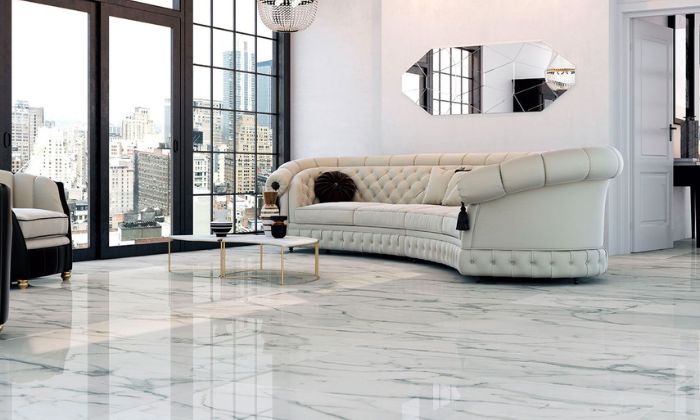
White marble flooring is floor covering made from natural marble slabs or tiles with a light, near-white base and visible veining in gray, gold, or beige. It’s quarried from stone deposits in places like Italy and Spain, then cut, polished or honed, and installed as floor tile in homes and businesses.
Marble forms deep underground when limestone gets exposed to heat and pressure over thousands of years. That process creates the veining pattern you see in every slab. No two pieces look exactly alike, which is part of the appeal for anyone chasing a one-of-a-kind look.
As a natural stone, marble sits lower on the Mohs hardness scale than granite or quartz, typically between 3 and 4. That’s soft enough to scratch if you’re not careful, but hard enough to handle normal foot traffic for decades with the right care.
Popular Types of White Marble for Flooring We Offer
Not every white marble looks or performs the same way. Here are the varieties homeowners ask for most, based on what we install week to week.
Carrara Marble
Carrara comes from Italy’s Tuscany region and has a soft white or gray base with fine, feathery veining. It’s the most budget-friendly white marble floor tile option and works well in almost any room style, from farmhouse to modern.
Calacatta Marble
Calacatta is quarried in the same general area as Carrara but carries bolder, thicker veining in gray or gold. It reads as more dramatic and costs more per slab, which is why it shows up often in luxury marble flooring projects.
Statuario Marble
Statuario has a bright white base with sharp gray veins and a premium price to match. Designers often reserve it for foyers and formal living rooms where the floor itself becomes a design statement.
Thassos and Volakas Marble
Thassos, quarried in Greece, is about as close to pure white as marble gets, with almost no veining. Volakas, also Greek, sits between Thassos and Carrara with a soft, uniform white tone. Both work well when you want a clean, minimal marble floor design.
Picking between these types usually comes down to two things: how bold you want the veining and how much you’re willing to spend per square foot. A slab with heavy movement, like Calacatta, draws the eye and works best as a focal point rather than a background. A quieter option like Thassos or Volakas blends into a room and lets furniture and light do more of the work.
It also helps to see slabs in person before you buy. Marble color and veining shift under different lighting, and a sample chip rarely tells the full story. Most reputable suppliers let you view full slabs or at least large-format samples before committing to a room’s worth of material.
How to Choose the Right Finish for Your Space
The finish you pick changes how a floor looks, feels, and performs day to day, so it deserves as much thought as the marble type itself.
Polished finish gives you a glossy, reflective surface that shows off veining and brightens a room. It looks sharp in living rooms and foyers but turns slick when wet, so it’s not the safest pick for bathrooms or busy kitchens.
Honed finish has a matte, soft look that hides small scratches better than a polished surface. It also grips better underfoot, which is why it’s the common choice for kitchens, bathrooms, and homes with young kids or older adults.
Brushed finish takes honing a step further with light texture, giving the best slip resistance of the three. It suits entryways, mudrooms, and any space where wet shoes or spills happen often.
Our White Marble Flooring Installation Services
Installing marble isn’t a weekend job, and it’s not one to hand off to just anyone. Our crews start with a site visit to check subfloor condition, moisture levels, and room layout before a single tile gets cut.
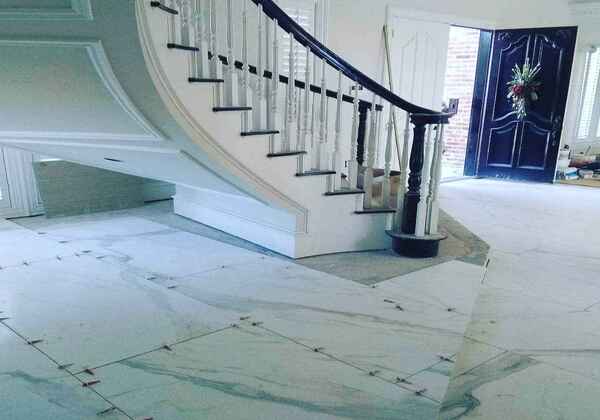
From there, we prep the subfloor, dry-lay the slabs to plan veining direction, then set each piece with the right mortar for stone. Once the floor is set, we grout, polish or hone the surface as needed, and apply a penetrating sealer before we hand the space back to you.
Skipping any of these steps is where DIY installs and low-cost contractors tend to go wrong. A floor that looks fine on day one can crack, stain, or shift within a year if the subfloor wasn’t prepped correctly.
Pros and Cons of White Marble Flooring
White marble floors bring real style to a room, but they also come with trade-offs worth knowing before you commit.
Pros:
- Natural veining means no two floors look identical
- Adds resale value in most markets, especially in kitchens and bathrooms
- Stays cool underfoot, which helps in warmer climates
- Polished finish reflects light and makes small rooms feel larger
Cons:
- Softer and more porous than granite or quartz, so it scratches and stains more easily
- Needs sealing every one to two years to hold up against spills
- Polished surfaces get slippery when wet, so bathrooms need a honed or brushed finish instead
- Acidic spills like wine, coffee, or citrus can etch the surface if left too long
None of these downsides rule marble out. They just mean going in with realistic expectations about maintenance, which we’ll cover further down.
White Marble Flooring Cost
White marble flooring cost typically runs from $8 to $25 per square foot for material, plus $5 to $15 per square foot for installation, depending on the marble type, slab size, and finish. Calacatta and Statuario sit at the higher end, while Carrara stays closer to the lower end of that range.
Beyond material and labor, budget for underlayment, sealing, and possible subfloor repair if your home has an older or uneven base. A 200-square-foot kitchen floor in mid-range Carrara, for example, often lands somewhere between $3,000 and $6,000 once installation and sealing are included.
Cost also shifts by region and by how much waste comes from cutting around odd angles or curves. Getting a written quote after an in-person measurement is the only reliable way to know your real number.
Where to Use White Marble Flooring
White marble floor tiles work in more rooms than most people assume, though a few spots deserve extra thought.
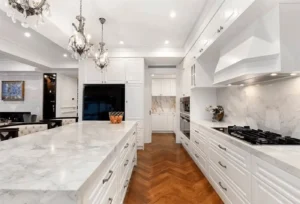
Living rooms and foyers handle marble well since foot traffic is steady but rarely wet, so a polished finish shows off the veining without a slip risk.
Kitchens benefit from marble’s cool surface and premium flooring look, though a honed finish and consistent sealing help fight staining from oil and acidic foods.
Bathrooms call for honed or brushed marble rather than polished, since wet floors and high-gloss stone are a bad mix underfoot.
Bedrooms and hallways work fine with any finish, since traffic is lighter and spills are rare.
Outdoor patios and pool decks are usually a poor match for marble, since freeze-thaw cycles and heavy sun exposure wear it down faster than porcelain or slate.
White Marble Flooring vs Other Options
Homeowners often compare white marble against porcelain tile, quartz, or engineered stone before deciding. Porcelain tile mimics the look of marble at a lower cost and with far less maintenance, but it lacks natural veining and the cool, dense feel underfoot. Quartz is harder and more stain-resistant than marble, though it doesn’t carry the same timeless elegance that comes from a genuinely natural material.
If low upkeep is your top priority, porcelain or quartz may serve you better. If you want a floor with real depth and character that ages with a home rather than against it, marble still holds its place.
Maintenance & Cleaning Guide
Marble floors reward routine care and punish neglect, so a simple habit goes a long way.
Daily care: Sweep or dust-mop to clear grit that scratches the polished finish over time. Wipe spills right away, especially wine, coffee, or citrus juice, since acids etch marble fast.
Cleaning products: Stick to pH-neutral cleaners made for natural stone. Skip vinegar, lemon, or generic all-purpose sprays, since acidic cleaners dull the shine and eat into the surface.
Sealing schedule: Reseal every one to two years, or sooner in high-traffic kitchens and entryways. A quick water-bead test tells you when it’s time: if water soaks in instead of beading up, the seal has worn thin.
Long-term protection: Use felt pads under furniture, keep rugs at entry points, and avoid dragging heavy items across the floor. These small habits protect floor durability far more than any one-time treatment ever could.
Transform Your Space with White Marble Flooring in Lowell
Elevate your home’s elegance with our expert Marble Floor Installation in Lowell. At SF Marble & Granite Inc., we specialize in crafting timeless white marble floors that blend luxury with durability. Our meticulous installation process ensures each tile is perfectly placed, enhancing the natural beauty of the stone. Whether you’re renovating your kitchen, bathroom, or living area, our white marble flooring solutions add a touch of sophistication to any space. Trust our experienced team to deliver quality craftsmanship and transform your home with the enduring charm of white marble.
Why Choose SF Marble & Granite for White Marble Flooring Installation and Repair?
SF Marble & Granite are dedicated to delivering top-notch craftsmanship and ensuring customer satisfaction in every project. With years of experience in marble installation and repair, our skilled team focuses on precision and attention to detail at every step.
We use only the finest natural stones, ensuring that your floors are crafted from high-quality white marble tiles, and our advanced tools and materials guarantee their durability.
Customer satisfaction is our top priority, and we back our work with a satisfaction guarantee, whether installing new floors or restoring worn-out ones. Additionally, we offer competitive pricing, making luxurious marble flooring more affordable without compromising on quality.
Contact Us for White Marble Flooring Installation and Repair
Ready to transform your space with stunning white marble flooring? Contact Us today to schedule a consultation or request a free quote. Our team is here to assist you with every aspect of your marble flooring project.
FAQs
How long does white marble flooring installation take?
Installation time varies depending on the size and complexity of the space, but most projects take about 2–5 days.
Can all types of damage to white marble floors be repaired?
Yes, most damages such as chips, cracks, and scratches can be expertly repaired by our team.
What’s the best way to clean white marble flooring?
Use a soft mop and a pH-neutral cleaner to avoid damage to the marble’s surface. Avoid using acidic or harsh chemicals.
Is white marble good for flooring?
Yes, white marble floors are durable, timeless, and enhance the aesthetic appeal of any space.
Is white marble floor expensive?
While white marble floors can be more expensive than other materials, they are a worthwhile investment due to their luxurious appeal and durability.