
Stone flooring can give a room a solid, natural feel while standing up to daily foot traffic when the right stone, finish, and installation method are chosen. The key isn’t simply picking a color you like. You need to match the stone to the room, moisture level, traffic, cleaning habits, and the people using the space.
If you’re comparing flooring options for a kitchen, bathroom, hallway, bedroom, or living room, this guide will help you make a practical choice. You’ll learn which natural stones work best, what finishes mean, how much care they need, where problems can occur, and what to ask before installation. For homes used by older adults or anyone who needs steady footing, floor texture and wet-surface grip deserve extra attention.
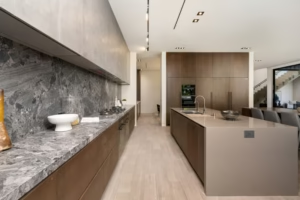
Why Choose Stone Floor Tiles for Your Kitchen?

Natural stone creates a dense, impact-resistant surface that stands up to heavy foot traffic, dropped items, and daily spills without cracking. When paired with a textured finish, it provides superior traction underfoot, reducing slip hazards in areas where liquids frequently hit the floor.
Kitchens demand materials that handle real-world accidents. Between spilled drinks, hot pans, and constant movement, surface durability is non-negotiable. Natural options like slate, granite, and dense limestone resist heavy wear far better than basic vinyl or laminate.
Safety is another major factor. Polished surfaces can become slick when wet, but choosing a honed, brushed, or tumbled finish provides micro-texture underfoot. That added grip offers extra peace of mind for households with seniors or family members navigating mobility challenges.
Impact Strength: Dense mineral composition prevents chipping from dropped cookware.
Thermal Mass: Stone retains ambient temperature naturally and works seamlessly over radiant heating systems.
Long-Term Value: Proper installation creates a floor that lasts decades without needing replacement.
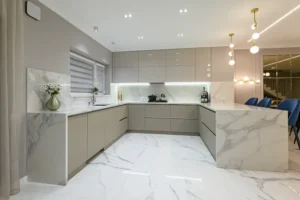
variety. From black stone tile flooring to white stone tile flooring, there are options to suit any kitchen design. Grey stone floor tiles and blue stone floor tiles can add a modern touch, while natural stone tile offers a classic look. For those who prefer a more budget-friendly option, stone look vinyl flooring and luxury vinyl tile flooring stone look are excellent alternatives that mimic the appearance of natural stone.
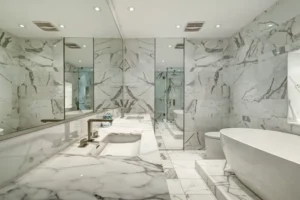
Enhancing Your Bathroom with Stone Floor Tiles
Bathroom floor stone tiles resist water penetration and surface degradation when properly sealed, creating a hygienic, slip-resistant environment. Natural stone handles daily humidity changes effortlessly, preventing mold growth within the tile body while giving walk-in showers and main bath spaces a clean, secure foundation.
Bathrooms require surface materials that prioritize hygiene and moisture control. Moisture left unchecked leads to slick surfaces and mildew growth inside subfloors. Natural materials with low porosity—or porous stones treated with deep-penetrating sealers—keep water sitting safely on top where it can be wiped away.
Using stone bathroom floors in curbless or walk-in shower layouts removes trip hazards, allowing for smooth, level transitions across the room. Honed travertine and textured slate are especially popular for these setups because their surface profile offers natural grip, even when soapy water is present.
Key Benefits of Stone Bathroom Floors
Seamless Transitions: Allows level flooring designs from the bedroom directly into curbless showers.
Hygienic Surface: Sealed stone prevents water from soaking into the material, resisting mold and allergen buildup.
Radiant Heat Support: Stone conducts heat evenly, eliminating cold morning floors when paired with underfloor heating elements.
The Beauty and Flexibility of Stone Floor Tiles
Every slab cut from a quarry carries unique veining, color shifts, and textural characteristics. That variation means your space gets a one-of-a-kind look rather than a repeating factory print.
Flexibility extends beyond visuals to physical adaptation. Natural materials work across traditional, rustic, and modern layouts without feeling out of place.
Slate: Offers deep charcoal, rust, and sage tones with a layered cleft texture that naturally grips feet.
Travertine: Known for warm beige, walnut, and cream hues with a smooth yet matte honed feel.
Limestone: Delivers soft, muted earth tones that create a calm, light-reflecting room atmosphere.
Granite: Extremely hard mineral structure with speckled patterns, perfect for maximum scratch resistance.
Easy Tips for Maintaining Stone Floor Tiles Looking Great

Maintaining tiles is relatively simple. Regular sweeping and mopping with a pH-neutral cleaner will keep your tiles looking their best. It’s important to seal natural stone tile to protect it from stains and moisture. For stone look vinyl flooring and porcelain tile, occasional cleaning with mild soap and water is sufficient.
Installation Considerations and Subfloor Preparation
Stone Floor Tiles are heavier than standard ceramic options or vinyl planks, making subfloor prep critical. Deflection—the vertical movement of a floor structure under load—must be minimal to prevent grout cracking or tile breakage over time.
Subfloor Inspection: Ensure plywood or concrete subfloors meet rigid load-bearing standards before tile placement.
Cement Backer Board Installation: Adds a stable, moisture-resistant layer over wooden joists.
Uncoupling Membranes: Installing a crack-isolation membrane allows the subfloor to expand and contract without transferring tension up into the stone.
Flexible Mortar Application: High-polymer thin-set mortars ensure a strong bond that accommodates minor structural shifts.
Final Thoughts
Investing in stone floor tiles transforms your living spaces into safe, beautiful, and lasting environments. By matching the right stone finish to your accessibility needs and sticking to a simple cleaning routine, you create a home foundation that serves your family reliably for years to come. If you have questions about selecting materials or coordinating your next project, feel free to contact us to speak with a specialist.
Completing Your Home Renovation Project
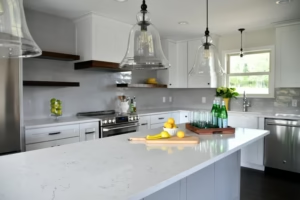
Upgrading your floors often inspires updates to adjacent surfaces like counters and backsplashes. Coordinating your horizontal floor planes with durable wall tiles or solid kitchen counters creates a clean, intentional design flow throughout your home.
If you’re extending your remodel beyond flooring to include heavy-duty stone counters in kitchen or prep areas, consider exploring professional Granite Countertop Installation in Lowell. Working with experienced local fabricators like SF Marble and Granite ensures your natural stone surfaces—from the floor up—are measured, cut, and sealed to highest industry standards.
FAQs
How often do stone floor tiles need to be sealed?
Most natural stone flooring needs sealing every 12 to 24 months, depending on foot traffic and moisture exposure. High-use areas like kitchens may benefit from annual sealing.
Are stone floor tiles cold underfoot?
Stone naturally conducts heat, meaning it feels cool to the touch in summer. When installed over electric or hydronic radiant heating systems, stone holds and radiates heat evenly across the entire room.
Can you fix a chipped stone tile without replacing it?
Yes. Minor chips can be repaired using a color-matched epoxy or acrylic filler resin. Once cured and buffed, the repair blends directly into the natural pattern of the stone.