Exploring White Carrara Marble Bathroom Ideas: Elevate Your Space with SF Marble And Granite Inc.
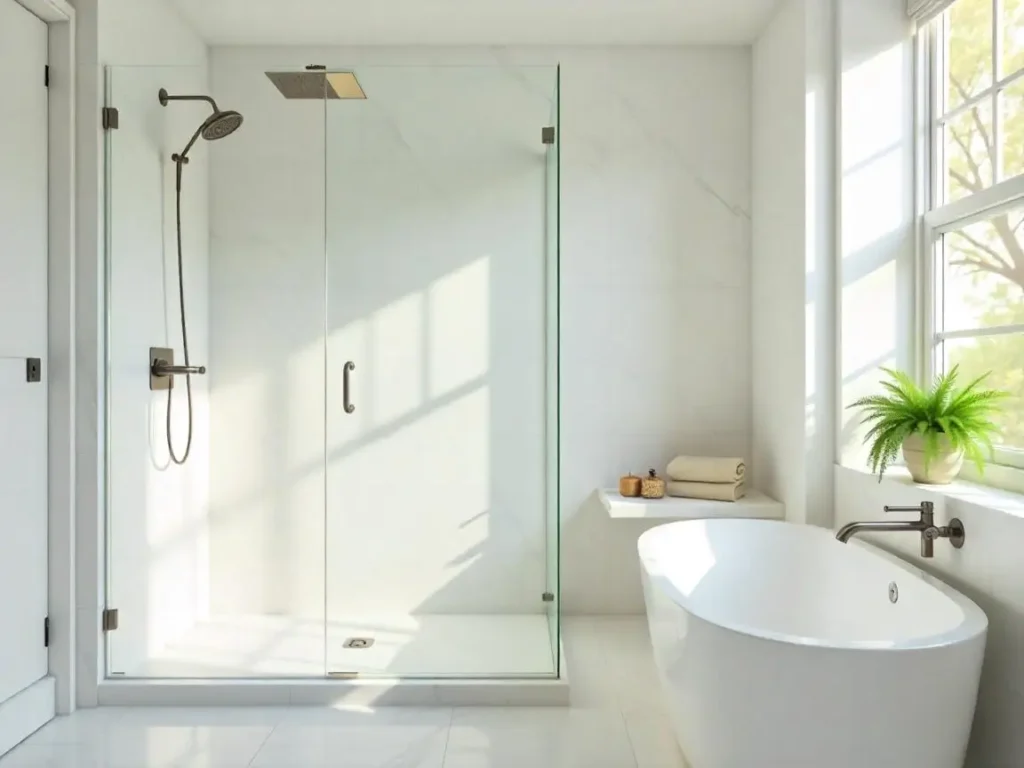
Exploring White Carrara Marble Bathroom Ideas Home Have you ever stepped into a space that instantly felt like a personal retreat? Our blog, featuring White Carrara Marble Bathroom Ideas, invites you to reimagine your bathroom with a harmonious blend of timeless luxury and contemporary comfort. The pristine white backdrop and subtle, artful gray veining create a serene canvas, perfectly setting the stage for elegant vanities and captivating shower walls. At SF Marble And Granite Inc., we combine passion and craftsmanship to help you transform your space into a warm, welcoming sanctuary that reflects both style and personality. The Elegance of White Carrara Marble White Carrara Marble is renowned worldwide for its timeless elegance and natural beauty. Quarried from the majestic mountains of Carrara, Italy, this exquisite stone has been a symbol of luxury and sophistication for centuries. Pristine White Aesthetic One of the defining characteristics of marble is its pristine white background. This pure, milky hue provides a canvas of unparalleled elegance, making it a top choice for designers and homeowners alike. Delicate Gray Veining What truly sets White Carrara Marble apart is the intricate gray veining that meanders through its surface. These veins, resembling delicate brushstrokes on a canvas, add a touch of artistry and depth to the marble’s appearance. No two slabs are identical, ensuring that your space is uniquely adorned. Timelessness and Endurance White Carrara Marble possesses a timeless quality that transcends trends and fads. Whether used in classical or contemporary settings, it retains its beauty, making it an enduring choice. Its ability to stand the test of time is a testament to both its physical durability and aesthetic appeal. Versatility in Design Designers and architects adore White Carrara Marble for its versatility. From bathroom countertops to kitchen islands, flooring, and wall cladding, it seamlessly integrates into various design styles. Whether you’re aiming for a minimalist, rustic, or opulent look, White Carrara Marble can adapt and enhance the overall aesthetics. A Touch of Luxury Incorporating White Carrara Marble into your living spaces elevates them to the realm of luxury. Whether used in a bathroom, kitchen, or even as a statement piece in your living room, it exudes opulence and refinement. Honoring Tradition Throughout history, White Carrara Marble has been used in iconic works of art and architecture, including Michelangelo’s “David” and the Pantheon’s grand columns in Rome. By choosing White Carrara Marble, you connect your space to this rich heritage, creating a sense of timelessness and sophistication. Why Choose White Carrara Marble for Your Bathroom? White Carrara Marble is a premier choice for bathroom design, and for several compelling reasons: Unparalleled Elegance and Timelessness White Carrara Marble embodies luxury and timelessness like no other. Its classic, pristine white surface with delicate gray veining creates an air of sophistication that transcends design trends. By choosing White Carrara Marble, you ensure that your bathroom remains visually captivating for years to come. Durability and Longevity A bathroom is a high-traffic area, and the materials you choose must withstand daily use. White Carrara Marble excels in durability and longevity. It is a robust stone that can handle the demands of a busy bathroom without losing its luster. With proper care, your White Carrara Marble bathroom will stay looking beautiful for generations. Versatile Design Options Designing with White Carrara Marble offers endless possibilities. Whether you prefer a traditional, contemporary, or eclectic bathroom style, this marble seamlessly integrates into various design aesthetics. You can use it for countertops, flooring, shower walls, or even as an accent piece. Its versatility allows you to express your unique taste and vision. Spa-Like Atmosphere Transform your bathroom into a luxurious spa-like retreat with White Carrara Marble. Its luminous surface and soothing color palette create a serene ambiance. Stepping into a bathroom adorned with White Carrara Marble is like entering a haven of relaxation and tranquility. Value Addition to Your Home Investing in White Carrara Marble for your bathroom not only enhances your daily living experience but also adds significant value to your home. Should you decide to sell in the future, a bathroom with White Carrara Marble can be a strong selling point, attracting potential buyers with its timeless appeal. Designing with White Carrara Marble White Carrara Marble offers a world of design opportunities, allowing you to transform your bathroom into a haven of elegance and sophistication. These are some important factors to think about:: Creating a Luxurious White Carrara Marble Bathroom A luxurious bathroom begins with the selection of the right materials, and White Carrara Marble is the epitome of luxury. Here’s how you can create a lavish White Carrara Marble bathroom: Flooring: Start by adorning your bathroom floor with large-format White Carrara Marble tiles. The smooth, cool surface underfoot provides a spa-like experience. Shower Walls: Extend the elegance into your shower area by using White Carrara Marble slabs or tiles on the walls. This creates a seamless and visually striking look. Freestanding Bathtub: Place a freestanding bathtub in the center of the bathroom. Its sculptural form contrasts beautifully with the marble surroundings. Fixtures: Choose fixtures in polished chrome or brushed nickel to complement the marble’s natural beauty. Lighting: Install soft, warm lighting fixtures that accentuate the marble’s veining and create a cozy atmosphere. Incorporating White Carrara Marble Tiles White Carrara Marble tiles are a versatile choice for adding a touch of luxury to your bathroom. Here are a few inventive ways to use them: Accent Wall: Designate one wall as an accent wall and cover it with White Carrara Marble tiles. This draws the eye and adds drama to the space. Shower Niche: Create a shower niche using White Carrara Marble tiles. It not only serves a practical purpose but also adds an element of style to your shower. Floor-to-Ceiling Elegance: Extend the use of White Carrara Marble tiles from the floor to the ceiling in your shower area for a cohesive and visually impactful design. White Carrara Marble Countertops: A Touch of Opulence Countertops are a focal point in any bathroom, and White