Managing an outdoor remodeling project can feel overwhelming when your primary goal is safety and comfort for your household. Choosing the right pool deck material requires balancing beauty with practical benefits like slip resistance and thermal protection. If you want a secure, resort-style backyard that stays cool on hot days, natural stone offers a reliable solution.
Choosing natural stone pavers around your pool ensures a secure, heat-resistant surface that protects sensitive feet and prevents dangerous slips. This guide explains how selecting premium stone makes your backyard safer and more accessible for every family member. Investing in these durable materials will transform your yard, which is why we suggest you Dive into Luxury: Elevate Your Pool with Travertine Pavers.
Is Travertine the Safest Choice for Family Pools?
Yes, travertine is one of the safest pool deck materials available. Its high slip resistance and natural cooling properties protect against accidental falls and painful thermal burns. These functional safety benefits make it a perfect choice for households with children, seniors, or individuals with physical mobility limitations.
To understand why this natural stone is so safe, we must look at its physical structure. Travertine is a porous stone formed in hot springs and limestone caves. These tiny natural pores and cavities are not defects. Instead, they act as miniature drainage channels that swallow water quickly.
When a stone has a tumbled finish, it maintains a highly textured surface. This texture remains stable even when soaked with splashed pool water. Testing shows that tumbled natural stone has a high coefficient of friction, meeting and exceeding local building safety codes.
For older family members or those using walking aids, a stable surface is essential. Poured concrete can crack and create hazardous uneven lips over time. Travertine pavers are separate units set over a prepared base. This modular design prevents large cracks and keeps the walking path flat, smooth, and accessible.
Key Benefits of Pool Travertine Pavers
Homeowners prioritize safety and durability over flashy trends. This natural stone delivers on those practical expectations through its unique physical characteristics.
Superior Thermal Performance
Standard concrete and dark brick act like heat sponges in the summer sun. They absorb solar radiation and can reach temperatures that blister bare skin. Travertine has a high solar reflectance index (SRI).
The light mineral composition of the stone reflects thermal energy instead of trapping it. Air circulates through the porous surface to dissipate heat rapidly. Your family can walk from the house to the water without shoes, even during July heatwaves.
Unmatched Durability and Lifespan
A pool deck must withstand heavy foot traffic, harsh sunlight, and constant exposure to pool chemicals. This stone has proven its durability over thousands of years in ancient historical monuments.
It resists fading from UV rays, meaning the soft colors will not wash out over time. With basic care, this hardscaping investment easily lasts for several decades.
Soft and Natural Textures
Many manufactured materials have sharp or rough surfaces that can irritate sensitive skin. Tumbled natural stone has soft, rounded edges.
It feels smooth and welcoming underfoot while providing a solid grip. This balance of safety and comfort is highly beneficial for family members with physical sensitivities.
Choosing the Perfect Pool Travertine Pavers
Selecting the right product involves understanding sizes, colors, and finishes that fit your specific requirements.
Understanding Stone Finishes
The finish of your stone dictates both its style and safety. There are three primary finishes available:
- Tumbled Finish: This is the absolute best choice for pool surrounds. The stone goes through a tumbling process with abrasive materials, rounding the edges and opening the natural pores. It provides the highest slip-resistance rating.
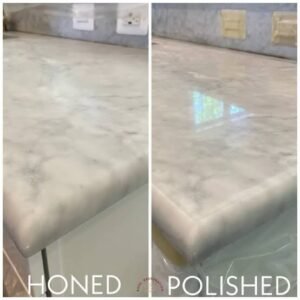
- Honed Finish: This surface is ground flat and smooth. While it offers a sleek look, it can become slick when wet. It is better suited for covered patios or indoor transition zones.
- Brushed Surface: This texture is achieved by brushing the stone with wire wheels. It offers a soft, semi-textured compromise between honed and tumbled styles.
Popular Color Palettes
Because this is a natural material, every single piece is unique. You will see gorgeous tonal variations and gentle veining across your deck.
- Ivory and Cream: These ultra-light shades reflect the most heat, keeping the surface cool.
- Silver and Grey: This palette blends light pewter, charcoal, and cool tan tones. It coordinates perfectly with modern architectural styles.
- Walnut and Noce: These deeper, earthy brown tones offer a warm, rustic appearance.
Layout Patterns for Visual Appeal
You can arrange your pavers in several layouts to match your home’s character.
The French pattern (also called the Versailles layout) uses four different sizes of interlocking rectangular and square stones. This classic layout breaks up long joint lines, making the space feel larger.
For modern homes, large-format tiles laid in a clean linear pattern create a sleek appearance. You should also use matching bullnose coping along the pool edge to provide a smooth, rounded safety border.
Travertine Grades and Saltwater Realities
Not all natural stones are harvested or processed equally. To protect your investment, you must understand stone grading and pool chemistry.
The Travertine Grading Scale
When shopping for materials, you will encounter three primary grades:
- Premium Select Grade: This grade offers the highest density with minimal large holes. The colors are highly consistent, and the tiles are cut with extreme dimensional precision.
- Standard Grade: This option has slightly more natural voids and moderate color variation. It is a durable, cost-effective choice for residential yards.
- Commercial Grade: This grade features large open holes, high color variation, and less precise cuts. It is not recommended for barefoot pool decks.
The Saltwater Pool Warning
Many modern homes use saltwater chlorinator systems. While gentle on skin, salt can damage porous natural stone through a process called salt-water spalling.
As pool water splashes onto the deck and evaporates, salt crystals lodge inside the stone’s pores. As these crystals grow, they can slowly crumble the stone from the inside out.
To prevent this issue, you must apply a high-quality penetrating sealer. This sealer fills the deep microscopic pores without making the surface slippery, blocking salt absorption.
Installation Process: Wet-Laid vs. Dry-Laid
A beautiful pool deck relies heavily on correct sub-base preparation and skilled stone setting. There are two main ways to install your pavers:
1.Determine the Installation Method:Choose between dry-laid or wet-laid paths.
Dry-laid uses a compacted gravel and sand base, which is flexible and easier to repair. Wet-laid involves mortaring the stone onto a poured concrete slab, offering maximum stability.
2.Prepare the Sub-Base:Excavation and compaction.
Excavate the soil and create a sloped grade away from the pool for proper drainage. Add a thick layer of crushed limestone base and compact it thoroughly with heavy machinery.
3.Lay the Pavers:Precision stone setting.
Place the pavers tightly in your chosen layout pattern. For light-colored stones, installers must use white thin-set or sand to prevent dark minerals from staining the stone from below.
4.Fill the Joints:Locking the stones in place.
Sweep polymeric sand or specialized joint sand into the gaps. Polymeric sand activates with water, binding the pavers together to prevent weed growth and insect nesting.
Maintenance and Care Tips
Keeping your natural stone deck looking pristine does not require hours of difficult labor. Following a simple routine protects the material from wear and weathering.
Regular Cleaning Routine
Sweep the deck weekly to remove leaves, dirt, and organic debris. Organic materials can break down and leave temporary brown stains if left damp.
Wash the stone with clean water from a garden hose. Avoid using high-pressure power washers, as intense pressure can open up the natural pores or strip away joint sand.
Sealing Cycles and Protection
Applying a penetrating sealer every two years is vital for maintaining your stone. This protective liquid sinks deep into the porous surface to block oil, grease, pool chemicals, and moisture.
Be sure to choose a breathable, water-based sealer. It prevents water from getting trapped inside the stone while keeping the slip-resistant texture intact.
Preventing Etching and Staining
Because this stone is a limestone, it is highly sensitive to acidic substances. Avoid using household vinegar, citrus cleansers, or harsh chemical cleaners.
If acidic pool chemicals or acidic drinks spill on the deck, rinse them immediately with water. Use only pH-neutral stone soaps for deep cleaning.
Connecting Your Outdoor Spaces with Interior Hardscaping
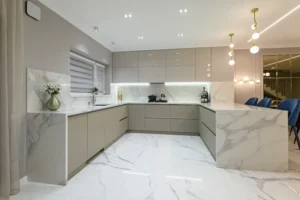
A cohesive home design connects your backyard oasis to your indoor living spaces. Many families who invest in outdoor stone also plan a kitchen remodeling project. Coordinating your pool deck with your indoor surfaces creates a seamless flow throughout your entire property.
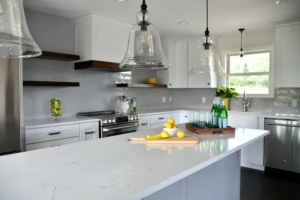
When designing a high-traffic kitchen, you need durable surfaces that can handle daily wear. Many homeowners find that Why Quartzite Countertops Are the Best Option for Your Kitchen because they offer incredible strength. Quartzite is a natural stone known for its extreme hardness, making it highly resistant to damage.
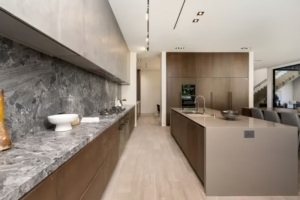
Integrating premium countertop material into your home design elevates both utility and aesthetic appeal. If your backyard pool deck features warm natural stone, matching it with luxury kitchen countertops creates design harmony.
Using a natural quartzite slab in your kitchen ensures your indoor surfaces are just as resilient as your outdoor pool pavers. If you want to explore these interior upgrades, understanding Why Quartzite Countertops Are the Best Option for Your Kitchen will help you choose materials that stand the test of time.
Quartzite kitchen countertops are highly sought after because they do not scratch or stain easily. This makes them ideal for busy family kitchens and meal prep areas.
Learning Why Quartzite Countertops Are the Best Option for Your Kitchen helps you invest in heat resistant countertops and scratch resistant countertops that require very little effort to keep clean. Connecting your outdoor pool tiles with beautiful natural stone countertops indoors is a smart way to increase your home’s long-term resale value.
Conclusion
In the grand tapestry of interior design, travertine slabs emerge as a cornerstone of enduring elegance and artistic expression. As we draw the curtains on this exploration of Travertine Slabs by SF Marble And Granite Inc, we reflect on the journey we’ve undertaken – a journey that has unveiled the remarkable potential of these natural treasures.
From the foundations of Durability and Longevity to the heights of Aesthetic Appeal, and the boundless realms of Versatile Usage, travertine slabs have showcased their prowess as more than just materials; they are a testament to the marriage of nature’s artistry and human ingenuity. Their ability to grace Flooring, adorn Kitchen Countertops, elevate Bathroom Vanities, and transform Accent Walls into focal points of distinction has been illuminated.
As guardians of these exquisite slabs, we’ve explored the crucial Consideration Factors and reveled in the diversity of Varieties Available, ensuring that each choice is an affirmation of your unique style. We’ve unveiled the secrets to maintaining their splendor through Cleaning Guidelines and Sealing Recommendations, allowing you to bask in the radiance of your travertine with confidence.
Moreover, SF Marble And Granite Inc has extended a hand, inviting you to embark on a journey to Transform Your Space. Our promise of Quality Travertine Slabs and Expert Interior Painting Services stands as a gateway to a world where sophistication meets functionality, and where your home’s appeal is elevated to new horizons.
FAQs
What is travertine?
Travertine is a natural stone formed by the accumulation of minerals in hot springs and limestone caves. It features unique patterns and colors, making it a popular choice for interior design.
Where can I use travertine slabs?
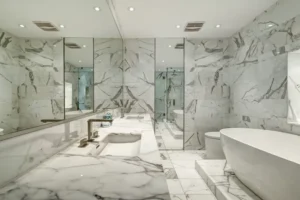
Travertine slabs are incredibly versatile. They can be used for flooring, kitchen countertops, bathroom vanities, shower walls, and even accent walls, adding a touch of elegance to various spaces.
How durable is travertine?
Travertine is known for its durability. With proper care and maintenance, it can withstand daily wear and tear, making it suitable for high-traffic areas.
How do I clean travertine slabs?
Regularly dust and dry mop to prevent scratching. Use a mild, pH-neutral stone cleaner or soap diluted in warm water for routine cleaning. Avoid abrasive materials that could damage the surface.
Do travertine slabs require sealing?
Yes, sealing is recommended to protect travertine from staining and moisture. New installations should be allowed to settle for a few weeks before sealing. Periodic resealing, typically every 1-2 years, helps maintain its integrity.
Can travertine slabs be used outdoors?
Yes, travertine slabs can be used outdoors, especially in covered patios, pool decks, and walkways. However, they should be sealed to protect against weathering and staining.