
Your travertine floor looked stunning the day it went in. Now it’s dull, pitted in a few spots, and the shine it used to have is gone. That’s not damage you have to live with, and it’s not a sign you need a full floor replacement either. Travertine floor restoration is the process of cleaning, repairing, honing, polishing, and sealing natural stone to bring back its original look and strength.
Here’s what we’ll cover: how to spot the warning signs, what actually happens during restoration, what it costs, and how to keep your floor looking sharp once it’s done. No fluff, no sales pitch, just the facts you need before you make a decision about your home.
Understanding Travertine Floors
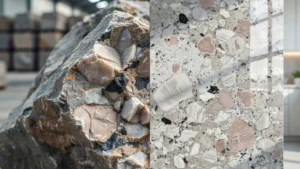
Travertine is a natural stone formed near mineral springs, and it’s full of tiny holes and pits from gas bubbles trapped during formation. That’s part of its charm, but it’s also why it needs more care than porcelain or ceramic tile. The stone is porous, so it absorbs liquids, oils, and acidic spills faster than most other flooring materials.
That porous structure is exactly why this kind of stone needs more attention than most other floors in your home. A sealed surface blocks moisture and stains. An unsealed or worn surface soaks everything up, and that leads to etching, discoloration, and weaker stone over time. Knowing this one detail explains almost every problem you’ll read about below.
Think of travertine a bit like a sponge dressed up in marble’s clothing. It looks solid and polished on top, but underneath, it’s full of tiny channels ready to soak up whatever touches it. That’s not a flaw. It’s just the nature of the stone, and once you understand it, every maintenance decision makes a lot more sense.
Signs Your Travertine Floors Need Restoration
Your travertine floor needs restoration if it shows a dull or hazy finish, visible pits and holes, cracked tiles, uneven texture, or water stains that won’t lift with regular cleaning. These signs point to worn sealant, surface erosion, or accumulated damage from years of foot traffic and cleaning products.
A dull finish is usually the first thing people notice. The stone loses its natural shine because the top layer has worn down or the sealer has failed. Pitting gets worse over time too, since dirt and grime settle into those tiny holes and make them more noticeable.
Cracks are a different story. They often start small, near grout lines or high-traffic areas like entryways and kitchens. Left alone, they widen and let moisture seep underneath, which can loosen tiles or cause staining you can’t clean away.
Discoloration is another sign people tend to overlook until it spreads. A yellowish tint near a kitchen sink or a gray haze near a shower drain usually points to trapped moisture under the sealant. Catching it early keeps the fix simple. Waiting it out usually turns a small patch job into a full-room project.
Common Causes of Travertine Floor Damage
Foot traffic wears down any floor, but travertine takes it harder because the surface is softer than granite or quartz. Sand and grit tracked in from outside act like sandpaper every time someone walks across the room. Over a few years, that friction dulls even a well-sealed floor.
Cleaning products cause more damage than most people realize. Vinegar, lemon juice, and other acidic cleaners eat into the calcium carbonate in the stone and leave permanent etch marks. Bleach and ammonia-based products aren’t much better, since they strip the sealant and leave the surface exposed.
Moisture is the third big factor. Spills that sit too long, leaky appliances near the kitchen, or humidity in bathrooms all push liquid into the stone’s pores. Once water gets under the surface, it can cause staining, mildew, or even cracks during freeze-thaw cycles in colder climates.
The Restoration Process
Restoring a travertine floor follows a fairly consistent sequence, though the exact steps depend on how much damage exists. First comes a full inspection, where a technician checks for cracks, missing sealant, and the depth of any pitting. This step decides how aggressive the rest of the process needs to be.
Next is deep cleaning, which strips away built-up grime, old wax, and residue from years of standard mopping. After that, technicians fill cracks and holes using a color-matched epoxy or resin so the surface sits flush again. This step alone fixes a lot of the unevenness that makes floors feel rough underfoot.
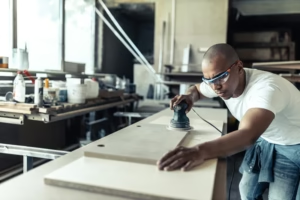
Honing comes after repairs. It’s a grinding process using progressively finer diamond pads that levels the surface and removes scratches or etching. Polishing follows honing, and it’s what actually brings back the shine, whether the homeowner wants a glossy finish or a softer matte look.
Sealing is the final and arguably most important step. A quality sealer soaks into the pores and blocks moisture, oil, and stains from getting back in. Skipping this step, or using a cheap sealer, is the fastest way to end up right back where you started within a year or two.
DIY vs Professional Restoration: What You Should Know
Small maintenance tasks, like routine mopping with a pH-neutral cleaner, are fine to handle on your own. But actual restoration work, especially honing and polishing, requires equipment most homeowners don’t own and a skill level that takes years to build. Get the pressure or grit wrong, and you can scratch the stone permanently.
DIY restoration kits sold online promise a quick fix, but they usually only address surface-level dullness. They don’t fix cracks, they don’t match sealant depth to your specific stone, and they can leave a blotchy or uneven finish if applied incorrectly. For minor scuffs, a kit might buy you time. For anything deeper, it’s a temporary patch at best.
Professional teams bring diamond grinding tools, color-matched fillers, and sealers rated for the exact porosity of travertine. They also know how to test a small area first, so the whole floor doesn’t end up with an inconsistent finish. That combination of the right tools and the right experience is hard to replicate with a weekend project.
Our Expertise in Travertine Floor Restoration
We’ve spent years working exclusively with natural stone, and travertine floor restoration makes up a large share of that experience. Every floor is different: different porosity, different wear patterns, different prior repairs that sometimes complicate the job. That variety is exactly what builds the judgment needed to get a consistent result every time.
Our technicians test sealant depth and stone hardness before touching a single tile, because guessing leads to uneven honing and wasted material. We also document before-and-after conditions on every job, which lets us track how a specific sealer or polish holds up over months and years. That kind of tracking is what separates a one-time fix from a floor that actually stays restored.
One recent project involved an entryway floor that a previous contractor had sealed with the wrong product entirely. The sealant trapped moisture instead of blocking it, and the stone had started clouding from underneath within a year. We stripped the old sealant, let the stone dry out fully, then rehoned and resealed with a breathable product suited to travertine’s structure. It’s a reminder that the product matters as much as the labor.
Benefits of Restoration
Restoring travertine costs a fraction of ripping out the floor and replacing it with new material. Full replacement means new tile, labor, disposal fees, and days without a usable floor. Restoration typically takes a day or two and preserves the stone you already paid for.
A restored floor is also safer to walk on. Cracks and pits create uneven surfaces that catch shoes, walkers, or wheelchair wheels, which matters a lot for households with older adults or anyone with mobility challenges. Leveling the surface through honing removes that tripping hazard along with the visual damage.
There’s a home value angle too. Natural stone floors are a selling point, but only when they look cared for. A dull, cracked travertine floor can actually hurt a home’s appeal during a sale, while a freshly restored one signals that the whole property has been maintained well.
How to Maintain Travertine Floors After Restoration
Once your floor is restored, the goal is to protect that work for as long as possible. Stick to pH-neutral stone cleaners and skip anything with vinegar, citrus, or bleach, since those break down sealant fast. A simple damp mop with the right cleaner, done a couple times a week, handles most day-to-day upkeep.
Resealing on a schedule matters more than people expect. Most sealers last one to three years depending on foot traffic and the product used, so mark a reminder on your calendar rather than waiting for visible damage to reappear. Place mats at entryways too, since that small habit cuts down on the grit that causes the most wear.
Is Travertine Right for Every Room in Your Home?
Not every room treats travertine the same way, and that’s worth knowing before you restore or install more of it. Kitchens and entryways see the heaviest traffic and the most spills, so they wear down faster and need resealing more often. Bathrooms bring constant humidity into the mix, which pushes moisture into the stone even with regular cleaning.
Bedrooms and living rooms tend to be easier on travertine, since foot traffic is lighter and spills are rare. If you’re restoring a whole home, it helps to set expectations room by room instead of assuming one sealer or one maintenance schedule fits everywhere equally. A bathroom floor might need attention every twelve to eighteen months, while a bedroom floor could go three years without trouble.
Outdoor travertine, often used on patios or around pools, faces a different set of problems entirely. Sun exposure, temperature swings, and standing water all speed up wear. If part of your restoration project includes an outdoor area, mention that clearly when you get quotes, since outdoor sealants differ from the ones used indoors.
Cost Considerations for Travertine Floor Restoration
Travertine floor restoration typically costs between $3 and $10 per square foot, depending on the level of damage, the size of the area, and whether honing, polishing, and sealing are all needed. Floors with deep cracks or heavy pitting land at the higher end, while floors that only need cleaning and resealing cost less.
Square footage is the biggest driver of total price, but it’s not the only one. A floor with old, failed sealant often needs more prep work before honing can even start. Location matters too, since labor rates and travel costs change the final number depending on where you live.
Our Expertise in Travertine Floor Restoration
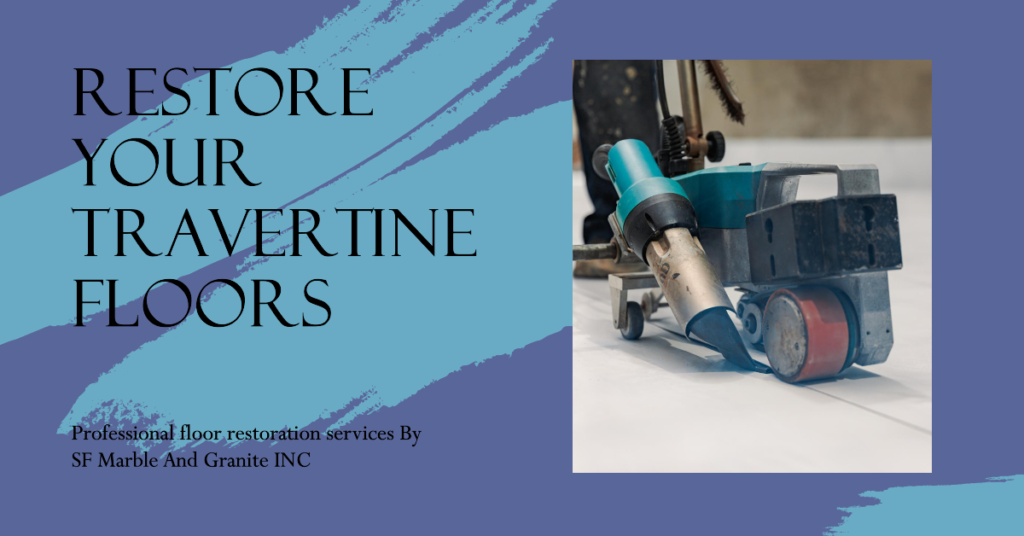
We’ve spent years working exclusively with natural stone, and travertine floor restoration makes up a large share of that experience. Every floor is different: different porosity, different wear patterns, different prior repairs that sometimes complicate the job. That variety is exactly what builds the judgment needed to get a consistent result every time.
Our technicians test sealant depth and stone hardness before touching a single tile, because guessing leads to uneven honing and wasted material. We also document before-and-after conditions on every job, which lets us track how a specific sealer or polish holds up over months and years. That kind of tracking is what separates a one-time fix from a floor that actually stays restored.
One recent project involved an entryway floor that a previous contractor had sealed with the wrong product entirely. The sealant trapped moisture instead of blocking it, and the stone had started clouding from underneath within a year. We stripped the old sealant, let the stone dry out fully, then rehoned and resealed with a breathable product suited to travertine’s structure. It’s a reminder that the product matters as much as the labor.
Conclusion
Travertine floor restoration is the key to unlocking the enduring beauty and elegance of your living spaces. With the expertise of SF Marble And Granite Inc, you can reclaim the original allure of your floors, making them a focal point that radiates sophistication and charm.
From addressing scratches and stains to creating a smooth, polished surface, the restoration process goes beyond mere aesthetics. It extends the life of your floors, enhances your property’s value, and contributes to a healthier environment for your loved ones.
By choosing restoration over replacement, you’re not only making a wise financial decision but also embracing sustainability and preserving the character of your home. Let your travertine floors tell a story of timelessness and grace, as they continue to captivate all who walk upon them.
If you’re ready to embark on this journey of transformation, reach out to SF Marble And Granite Inc to take the first step towards restoring your travertine floors to their former glory. Discover the difference that expert restoration can make and elevate your living spaces to new heights of beauty and elegance.
FAQs
How much does travertine floor restoration cost?
Most projects cost between $3 and $10 per square foot, with the final price depending on damage severity, floor size, and the specific services needed. A small bathroom with light wear might land near the bottom of that range, while a large kitchen with cracked tiles and failed sealant will cost more.
How long does travertine floor restoration take?
A standard travertine floor restoration takes one to two days for an average-sized room, though larger areas or floors with extensive damage can take longer. Drying time for sealant adds a few extra hours before the floor is safe to walk on again.
Can travertine floors be restored to look new?
Yes, travertine floors can be restored to look close to new through honing, polishing, and resealing, which remove surface damage and rebuild the original shine. Deep structural cracks may leave faint lines even after repair, but the overall appearance improves dramatically in nearly every case.
How often should travertine floors be resealed?
Travertine floors should generally be resealed every one to three years, depending on foot traffic, cleaning habits, and the quality of sealer used. High-traffic areas like entryways and kitchens often need resealing on the shorter end of that range.
Is travertine floor restoration worth it compared to replacement?
Restoration is worth it for most travertine floors, since it costs a fraction of full replacement and preserves stone that’s often no longer available in the exact same finish. Replacement only makes sense when structural damage runs deep into the subfloor or when a homeowner wants a completely different material.