
S F Marble & Granite

Marble and Granite

How to clean marble

How to clean marble – The complete guide to marble cleaning

Marble is a beautiful and elegant material often used for countertops, floors, fireplaces, and more. However, marble can stain or become dirty over time if not properly maintained. In this article, we will provide you with the complete guide on how to clean marble. We will share several effective methods to clean marble using common household items like baking soda and vinegar. Following the correct cleaning process is important to preserve the beauty of your marble surfaces for years to come. How to Clean Marble Stains One of the most common issues homeowners face with marble is stains. Marble is very porous, which means stains can soak deep into the surface if not addressed quickly. Here are some tips for how to clean marble stains: Following these tips on how to clean marble stains will help keep your marble looking new for years to come. Acting swiftly on spillages is key to preventing stubborn marks. How to Clean Marble Floors Marble floors require continuous maintenance to keep them looking pristine. Here are the best methods for how to clean marble floors properly: With regular sweeping, damp mopping, and occasional deep cleaning, your marble floors will maintain their elegance with minimal effort. Special care must be given to properly how to clean marble floors to prevent damage over time. How to Remove Stains from Marble with Baking Soda Baking soda is one of the most effective and safest methods for how to clean marble. As an abrasive yet gentle cleaning solution, it helps dissolve stains and restore radiance without scratching delicate stone surfaces. Here are some simple ways to use baking soda to remove common marks from marble: By taking advantage of baking soda’s low abrasiveness and absorption power, it safely removes a variety of common issues that diminish marble’s beauty through regular use. How to clean marble has never been simpler or more budget-friendly. How to Clean Unsealed Marble If your marble surfaces are unsealed, extra precaution should be taken when cleaning to avoid etching or wearing down the stone’s surface over time. Here are some tips for how to properly clean unsealed marble: Taking special care with cleaning technique while the marble remains unsealed is key to how to clean it without incurring damage over time. Regular routine care will keep it looking its best. How to Clean Marble With Baking Soda Baking soda is one of the most gentle and effective ways to clean marble surfaces without using harsh chemicals or abrasives that could scratch the delicate stone. Here are the basic steps for how to clean marble with baking soda: Proper how to clean marble with baking soda restores its radiance without risk of scratching or itching thanks to this kitchen staple’s mild cleaning action. Try it for safe, affordable routine care. How to Clean Marble With Vinegar Vinegar makes an effective natural cleaner for marble when used in moderation. Its acidity helps dissolve stubborn stains and mineral deposits left behind by hard water. Here is a step-by-step method for how to deep clean marble with vinegar: Be cautious not to overuse vinegar’s acidity, as prolonged exposure can dull marble over time. For how to clean marble deeply yet safely, try diluted white vinegar in moderation for its grease-cutting powers. Always do a patch test first. How to Protect Marble After Cleaning No matter which method you use for how to clean marble, it’s important to lock in your hard work with a protecting sealer or natural polish. Here are some product recommendations: Proper sealing is crucial as the final step in any marble cleaning process. It helps keep the elegant stone looking pristine with less maintenance required between thorough cleanings. Conclusion We hope this comprehensive guide provided all the information needed on how to properly clean marble. Following the methods outlined here using gentle, pH-neutral cleaners and homemade remedies like baking soda will allow you to safely maintain your marble’s pristine beauty for years to come. Feel free to reach out if you have any other questions. SF Marble Granite experts are happy to assist with specific stains or issues affecting your marble surfaces. Contact usEmail: sfmarbleangranite@gmail.comPhone: 978-459-582Address: 755 Dutton St. Lowell- 0185MA4 FAQs Can I use bleach to clean marble?  No, bleach is too harsh and will damage marble through etching over time from its high acidity. Natural cleaners are safest. What is the best way to remove mildew from marble?  Make a paste with 3 parts baking soda to 1 part hydrogen peroxide. Apply and let sit for 10 minutes before scrubbing and rinsing. The fizzing reaction helps eliminate mildew. How do I remove hard water stains from marble?  Mix a solution of 2 tbsp citric acid and 1 quart of warm water. Wet the stain and let sit for 5-10 minutes before scrubbing gently. This process may need to be repeated for stubborn deposits. Can marble surfaces be washed in the dishwasher?  It’s generally not recommended to wash real marble items in the dishwasher due to extreme temperature fluctuations and jet spray that can degrade the stone over many cycles. Hand washing is better. How often should marble be sealed?  Most experts recommend reapplying a fresh coat of sealer to polished marble surfaces like countertops every 1-2 years for optimal protection with regular cleaning and use. High traffic areas may need more frequent resealing.

How to clean marble – The complete guide to marble cleaning Read More »
How to Get Stains Out of Marble | Best Tips in 2025

How to Get Stains Out of Marble | Best Tips in 2025

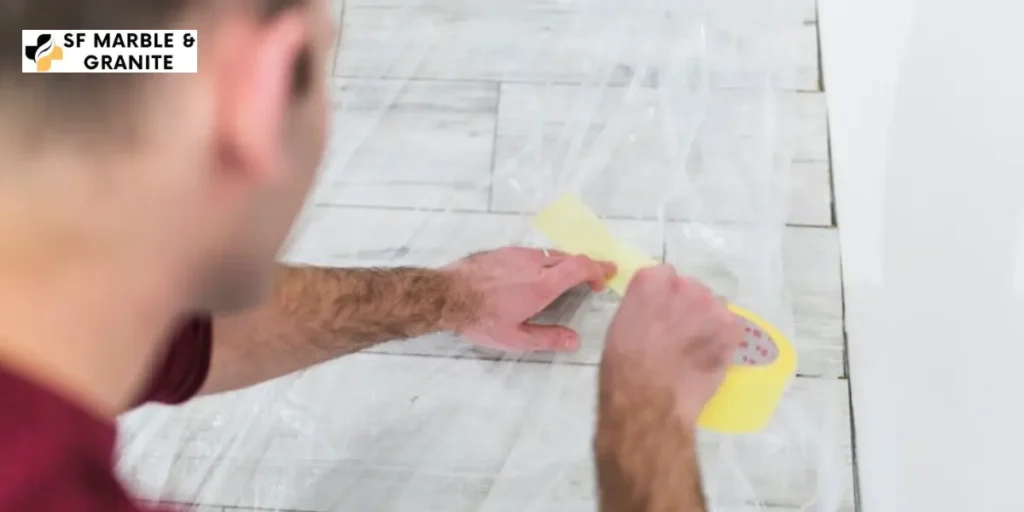
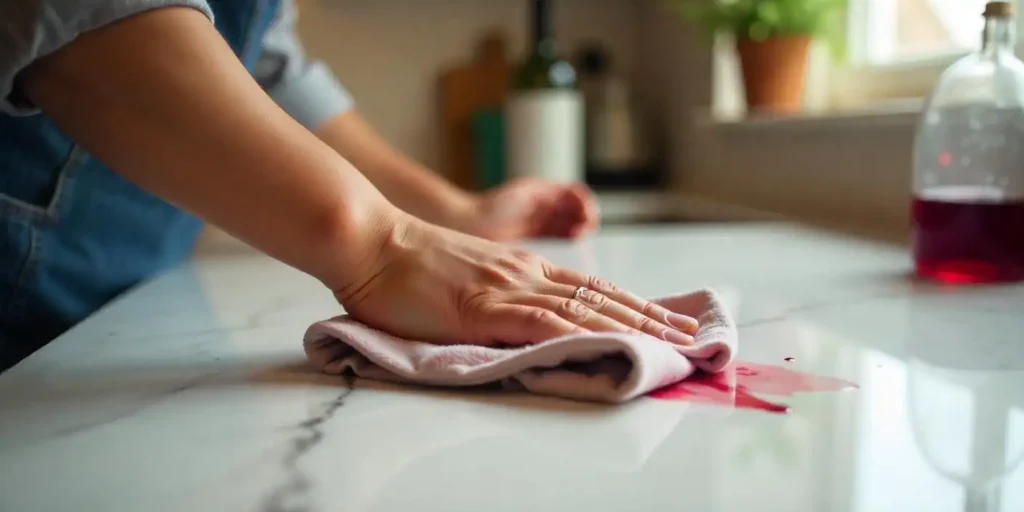
Marble has graced palaces, museums, and luxury homes for centuries its luminous veins and timeless allure turning ordinary spaces into works of art. Yet, for all its beauty, marble harbors a delicate secret: its porous surface is a magnet for stubborn stains. A spilled glass of red wine, a forgotten coffee cup, or a splash of olive oil can leave even the most pristine countertop looking dull and damaged. If you’ve ever wondered how to get stains out of marble without harming its natural elegance, you’re not alone. The good news? Those unsightly marks don’t have to be permanent. With the right techniques, you can rescue your marble from everyday accidents and restore its showstopping shine. This guide cuts through the confusion, offering step-by-step solutions for removing everything from oil splatters to water rings plus pro tips to prevent future stains. Whether you’re battling a fresh spill or a years-old blemish, you’ll learn how to tackle marble stains like a pro, ensuring your surfaces stay as breathtaking as the day they were installed.Let’s transform your marble from dull to dazzling no professional help required. Act Fast: Save Your Marble from Spills Before Stains Set In Marble’s delicate pores act like tiny sponges the longer a spill sits, the deeper it seeps. A single delay could turn a simple cleanup into a stubborn marble stain removal nightmare. Here’s how to stop stains in their tracks: 1. Blot, Don’t Rub Grab a soft microfiber cloth (no paper towels!) and gently press don’t scrub the spill. Rubbing pushes liquids deeper, making cleaning stained marble far harder. 2. Dampen, Don’t Drown Lightly dampen the cloth with pH-neutral water. Avoid soaking the area, as excess moisture can worsen the problem. 3. Skip the Harsh Stuff Vinegar, bleach, or generic sprays? Big mistake. Acidic or abrasive cleaners etch the surface, turning a small spill into a permanent scar. Pro Tip: For sticky spills (like syrup), mix a drop of dish soap with warm water. Test it on a hidden spot first! Nail this routine, and you’ll dodge 90% of stains no poultice required. 8 Marble Stains Decoded: Remove Them Like a Pro Most marble stains can be effectively lifted with a homemade poultice a thick, absorbent paste designed to draw out deep-set stains from the stone’s surface. By using the right ingredients, a poultice can break down and extract stubborn discoloration, restoring your marble’s natural beauty. In the following section, we’ll explore how to tackle different types of stains and the best techniques to remove them. Oil-Based Stains: The Sneaky Kitchen Culprits Causes: Cooking oil splatters, greasy fingers, lotions.Looks Like: Yellowish smudges or “wet spots” that won’t fade.Fix It Fast: Create a poultice with mineral spirits (1:1 ratio with baking soda). Let it sit for 24 hours to lift grease trapped in pores.Pro Tip: Blot excess oil with cornstarch first it absorbs residue before it sets! Organic Stains: Coffee Rings & Food Spills Causes: Coffee, tea, berries, or forgotten takeout containers.Looks Like: Dark brown rings or blotches.Fix It Fast: Mix 6% hydrogen peroxide + baking soda into a thick paste. Avoid on dark marble (may lighten color).Watch Out: Letting citrus sit causes both stains and etches wipe juice spills ASAP! Rust Stains: The Bathroom Saboteur Causes: Wet metal cans, shaving cream caps, or bathroom fixtures.Looks Like: Orange-brown streaks or speckles.Fix It Fast: Use a non-acidic rust remover (like RustOut). For deep stains, call a pro DIY scrubbing can scratch the stone. Water Stains: Hard Water’s Calling Card Causes: Mineral-heavy tap water, neglected water glasses.Looks Like: Cloudy white patches or “ghost” marks.Fix It Fast: Buff gently with Grade 0000 steel wool (yes, it’s safe!). Follow up with a marble polish to restore shine. Mold Stains: Bathroom’s Worst Enemy Causes: Humid showers, poor ventilation.Looks Like: Black/green splotches (often mistaken for “blue on marble sink”).Fix It Fast: Spray a mold-specific cleaner (like RMR-86) and let it penetrate for 10 mins. Never use bleach it feeds mold spores! Ink Stains: The Office Meets Marble Causes: Leaky pens, wine labels, kids’ art projects.Looks Like: Bold streaks in blue, red, or black.Fix It Fast: Dab with acetone (for non-porous marble) or hydrogen peroxide poultice. Blot, don’t rub ink spreads fast! Etch Marks: Acid Attacks Causes: Lemon juice, vinegar, or tomato sauce.Looks Like: Dull, faded patches (not a true stain).Fix It Fast: Polish with marble polishing powder (like Tenax). Key Difference: Etching removes stone layers; stains sit on top Paint Stains: DIY Gone Wrong Causes: Accidental drips, kids’ crafts.Looks Like: Color-matched splatters (latex, acrylic, etc.).Fix It Fast: For wet paint: Wipe with a microfiber cloth + warm water. For dried paint: Apply lacquer thinner with a cotton swab. Save Your Sanity: Large spills? Call a SF Marble & Granite experts. Final Tip: Bookmark this guide your marble will thank you later! How Do You Make a Marble Poultice? Your Secret Weapon Against Stains A poultice is the ultimate DIY solution for how to get stains out of marble it works like a magnet, pulling stains from deep within the stone’s pores. Whether you’re tackling oil splatters (remove oil stain from marble) or mysterious blue marks (removing blue on marble sink), this method is your go-to fix. How to Make & Apply a Poultice Step Action Details 1 Mix the Poultice Combine your solvent (e.g., 6% hydrogen peroxide for organic stains, mineral spirits for oil) with baking soda or powdered chalk. Aim for a thick, peanut butter-like paste. 2 Prep the Stain Clean the area with mild soap and water. Lightly dampen the stain this helps the poultice penetrate deeper. 3 Apply the Paste Spread the poultice ¼–½ inch thick over the stain, extending 1 inch beyond its edges. 4 Seal & Wait Cover with plastic wrap, tape the edges, and let it sit 24–48 hours. The longer it sits, the more stain it extracts! 5 Remove & Reveal Gently scrape off dried paste with a plastic spatula. Wipe residue with a damp microfiber cloth. Avoid metal tools they scratch! 6 Repeat if

How to Get Stains Out of Marble | Best Tips in 2025 Read More »

quartz vs granite countertops

Quartz vs Granite Countertops: A Comprehensive Comparison

Welcome to our comprehensive guide on quartz vs granite countertops! If you’re planning a kitchen renovation or simply exploring countertop options, you’ve come to the right place. In this article, we’ll delve into the key differences between quartz vs granite countertops, their pros and cons, and provide you with the information you need to make an informed decision for your home. At SF Marble And Granite Inc, we understand the importance of choosing the right countertop material for your kitchen. We’ve helped countless homeowners transform their kitchens with our high-quality quartz vs granite countertops. Our team is dedicated to providing exceptional customer service and ensuring that your countertop installation is seamless and stress-free. Whether you’re looking for durability, aesthetics, or both, we have the perfect countertop solution for you. Quartz Countertops Quartz countertops are a popular choice for kitchens and bathrooms due to their durability and low maintenance. They are made from a combination of natural quartz and resin, which makes them non-porous and resistant to stains and bacteria. This makes them an excellent choice for busy households or those who love to cook. Additionally, quartz countertops come in a wide range of colors and patterns, making them highly customizable to fit any design aesthetic. However, it’s important to note that quartz countertops are not heat resistant and can be damaged by hot pots and pans. Overall, quartz countertops are a great option for those looking for a durable and low-maintenance countertop material. Pros of Quartz Countertops Durability Quartz is generally highly resistant to scratches, and cracks. This makes them an excellent choice for high-traffic areas like kitchens and bathrooms. Low Maintenance Unlike other stone countertops, quartz countertops do not require sealing. They are non-porous, and resistant to stains and bacteria. This makes them easy to clean and maintain. Variety Quartz countertops come in a wide range of colors and patterns, allowing for greater customization and flexibility in design. Consistency Unlike natural stone countertops, which can have variations in color and pattern, quartz countertops are consistent in appearance. Cons of Quartz Countertops Heat Resistance Quartz countertops are not as heat resistant as natural stone countertops. Price Quartz countertops prices vary in different ranges depending on their types. Installation Quartz countertops are heavy and require professional installation. This can add to the overall cost of the project. Limited Repair Options If a quartz countertop is damaged, it can be difficult to repair. In some cases, the entire countertop may need to be replaced. Overall, quartz countertops are a durable and low-maintenance option for kitchens and bathrooms. However, they may not be suitable for those who frequently use hot pots and pans or are on a tight budget. Granite Countertops Granite countertops are becoming a popular choice for kitchens due to their natural beauty and durability. They are made from natural stone that is cut from granite slabs, giving each countertop a unique and one-of-a-kind appearance. Granite countertops are heat resistant, making them suitable for placing hot pots and pans directly on the surface. They are also highly durable and resistant to scratches, chips, and cracks. However, granite countertops are porous and require granite sealing to prevent stains and bacteria. Additionally, granite countertops can be more prone to chipping and cracking than other countertop materials. Overall, granite countertops are a beautiful and durable option for kitchens and bathrooms, but they may require more maintenance and care than other countertop materials. Pros of Granite Countertops Natural Beauty Granite countertops are made from natural stone, giving them a unique and one-of-a-kind appearance.  Durability Granite countertops are highly durable and resistant to scratches, chips, and cracks. This makes them an excellent choice for high-traffic areas like kitchens and bathrooms. Heat Resistance Granite countertops are heat resistant, making them suitable for placing hot pots and pans directly on the surface. Adds Value Granite countertops can add value to your home, making them a good investment for resale. Cons of Granite Countertops Porous Granite countertops are porous and require sealing to prevent stains and bacteria. Maintenance Granite countertops require regular maintenance and care to keep them looking their best. This includes sealing, cleaning, and resealing as needed. Price Granite countertops can be more expensive than other countertop materials, such as laminate or tile. Limited Repair Options If a granite countertop is damaged, it can be difficult to repair. In some cases, the entire countertop may need to be replaced. Overall, granite countertops are a beautiful and durable option for kitchens and bathrooms. However, they may require more maintenance and care than other countertop materials. Quartz vs Granite Countertops: A Side-by-Side Comparison When it comes to choosing between quartz vs granite countertops, there are several factors to consider. Here’s a side-by-side comparison to help you make an informed decision: Durability Quartz: Highly durable and resistant to scratches, chips, and cracks. Granite: Also durable, but may be more prone to chipping and cracking than quartz. Maintenance Quartz: Low maintenance and easy to clean. Does not require sealing. Granite: Requires sealing to prevent stains. Appearance Quartz: Comes in a wide range of colors and patterns. Highly customizable. Granite: Each slab has its own unique pattern and color variations. Natural and one-of-a-kind appearance. Heat Resistance Quartz: Not as heat resistant as granite. Can be damaged by hot pots and pans. Granite: Heat resistant. Price Quartz: Can be more expensive than granite. Granite: Generally less expensive than quartz. Overall, both quartz vs granite countertops have their own unique advantages and disadvantages. Consider your budget, maintenance preferences, and desired appearance when making your decision. Quartz vs Granite vs Marble: Which is Best? When it comes to selecting the ideal countertop material for your kitchen or bathroom, the choice between quartz, granite, and marble largely depends on your individual preferences and requirements. Here’s a detailed comparison of these three materials to assist you in making a well-informed decision: Durability Quartz: Highly durable and resistant to scratches, chips, and cracks. Granite: Also durable, but may be more prone to chipping and cracking than quartz.

Quartz vs Granite Countertops: A Comprehensive Comparison Read More »

Cultured marble

Cultured Marble: What You Need to Know About this Material

Home If you’re dreaming of a fresh, elegant upgrade that won’t break the bank, cultured marble is your answer blending marble dust with resins for a resilient surface that looks and feels like the real thing. From seamless shower surrounds to sleek kitchen counters, its versatility shines in both wet and dry areas, adapting to virtually any design vision. Guided by consistent manufacturing, you’ll avoid the veining surprises of natural stone and gain dependable color uniformity, simplifying choices and installations. In this guide, we’ll explore how cultured marble’s composition, cost benefits, and practical uses come together in a single material so you can make informed decisions for your home improvement projects. Ready to envision your next spa‑like retreat? Discover how cultured marble elevates a modern marble bathroom. What is Cultured Marble? Cultured marble is a man-made material that combines natural marble stone particles with synthetic materials, such as resins and pigments, to create a durable and aesthetically pleasing product. The process involves molding and casting to achieve a wide range of shapes and sizes, making it highly adaptable for different architectural and design needs. Unlike natural marble, which is quarried and then cut into slabs, it is manufactured in a controlled environment, allowing for consistency in color and pattern. Difference Between Real and Cultured Marble While natural marble is prized for its unique veining and organic patterns, it offers several distinct advantages. It is typically more affordable and easier to maintain than natural stone. It can mimic the look of high-end materials like marble and granite while offering greater flexibility in design and installation. Where to Use Cultured Marble? This type of marble finds widespread use in various residential and commercial applications: Shower Walls Cultured Marble shower walls provide a seamless and luxurious appearance, enhancing the aesthetic appeal of any bathroom. The material’s non-porous surface makes it resistant to mold and mildew, ideal for wet environments. White Cultured Marble in Bathroom Vanities This is a popular choice for bathroom vanities and countertops due to its clean and timeless appearance. It brightens up spaces and complements a wide range of interior styles. Shower Pan Cultured marble shower pan offers durability and ease of maintenance. Its smooth surface prevents water buildup and ensures long-lasting performance. Sink Cultured Marble sinks are integrated seamlessly into countertops, creating a sleek and unified look. They are available in various shapes and sizes to accommodate different design preferences. Cultured Marble Tub Surround Enhance your bathroom with a tub surround, which combines elegance with practicality. It provides a cohesive design element and simplifies cleaning and upkeep. What are the Benefits of Cultured Marble? Affordability It is more cost-effective than natural stone, making it an attractive option for budget-conscious projects without compromising on quality or style. Versatility With a wide range of colors, patterns, and textures available, it can complement any design scheme, from traditional to contemporary. Durability The combination of marble dust and resin creates a resilient surface that is resistant to scratches, stains, and chipping, ensuring longevity and ease of maintenance. Easy Installation This type of marble products are manufactured to precise measurements, facilitating straightforward installation processes and reducing labor costs. Daily Maintenance and Preventive Cleaning Tips Maintaining marble involves simple yet effective cleaning routines to preserve its beauty and durability over time. Here’s a guide to maintenance and preventive cleaning practices for cultured marble surfaces: Daily Maintenance Tips Regular Wiping Use a soft cloth or sponge and a mild, non-abrasive cleaner to wipe down its surfaces daily. This helps remove any dust, dirt, or residues that can accumulate. Avoid Abrasive Cleaners Harsh cleaners or abrasive materials like steel wool should be avoided as they can scratch the surface of marble. Dry Thoroughly After cleaning, ensure the surface is dried thoroughly with a clean cloth to prevent water spots and streaks. Preventive Cleaning Tips Routine Cleaning Regularly clean surfaces with a pH-neutral cleaner or a mild soap solution. This helps prevent the buildup of soap scum and mineral deposits. Stain Removal Address stains promptly using a non-abrasive cleaner suitable for marble. For tough stains, a mixture of baking soda and water can be gently rubbed onto the stain before rinsing. Avoid Harsh Chemicals Refrain from using acidic cleaners (eg vinegar or lemon juice) or abrasive cleaners (e.g scouring powders) on marble, as these can damage the surface. Cultured Marble Flooring: Seamless Style Meets Simple Installation Cultured Marble flooring blends style and strength with ease, making it a top pick for homeowners looking to upgrade on a budget. Its non‑porous, resilient surface resists stains and scratches, so it stays looking fresh with minimal upkeep. It also offers consistent color and pattern without the natural veining variations of real stone. Thanks to easy installation processes and precise manufacturing, your new floors go in quickly and fit perfectly to any space. For a flawless finish, trust our expert team at SF Marble & Granite Inc. for a professional Marble Floor Installation in Lowell that transforms your home. Contact Us for Installation Services If you’re interested in professional installation services for cultured marble products from SF Marble and Granite, please feel free to get in touch with us. You can contact us via email at sfmarbleangranite@gmail.com, visit us at 755 Dutton St., Lowell, MA 01854, or give us a call at 978-459-5823. Our team is ready to assist you in transforming your spaces with quality craftsmanship and expertise. FAQs  What is cultured marble?Cultured marble is a man‑made surface created by blending marble dust with resin and pigments, then molding it into slabs or shapes for floors, countertops. Where can I use cultured marble?You can install it in bathrooms for shower walls, vanity tops, and tub surrounds, in kitchens for backsplashes and countertops, and even on floors in low‑ to medium‑traffic areas. How do I clean cultured marble surfaces?Use a soft cloth with mild, non‑abrasive cleaner or warm water and dish soap; avoid acidic or abrasive products to prevent dulling or damage. Is cultured marble durable?Yes, its gel‑coat finish creates a

Cultured Marble: What You Need to Know About this Material Read More »

Blue Granite Countertops: Transform Your Kitchen Today

When it comes to choosing the perfect surface for your kitchen, blue granite countertops stand out as an elegant and timeless choice. Their unique colors and patterns can transform any space, creating a stunning focal point. With a variety of shades from light to dark blue these natural stones can complement a wide range of interior design styles. In this article, we’ll explore the various aspects of blue granite, from its benefits and aesthetic appeal to installation and maintenance considerations. What is Blue Granite? Blue granite is a type of granite that exhibits beautiful blue hues. This natural stone is formed from molten magma that cools and crystallizes over time, resulting in its durable structure. The blue coloring can come from various minerals present in the granite, including quartz and mica. Each slab of blue granite is unique, featuring different patterns and shades, ranging from deep navy to soft light blue. Some popular varieties include blue pearl granite, known for its shimmering speckles, and volga blue granite, which showcases dramatic veining. This versatility makes blue granite countertops an ideal choice for both modern and traditional kitchens. Benefits of Blue Granite Countertops Choosing blue granite countertops comes with several advantages: Durability and Strength Blue granite is highly valued for its exceptional durability and strength. Known for its robustness, granite resists chips and cracks, making it ideal for high-traffic areas like kitchens. Its ability to withstand heavy use ensures it remains functional and visually appealing over time. Whether you’re chopping vegetables or hosting a dinner party, blue granite countertops can handle daily wear and tear without compromising quality. This resilience makes it a reliable choice for both practical and aesthetic applications, ensuring that your surfaces remain beautiful and functional for years to come. Heat and Scratch Resistance Blue granite countertops boast excellent heat and scratch resistance, allowing you to place hot pots and pans directly on their surface without fear of damage. This durability is a result of the granite’s tough exterior, which effectively prevents scratches from knives and utensils. Consequently, these countertops maintain their pristine appearance over the years, making them a practical and aesthetically pleasing choice for any kitchen. Their resilience not only enhances their longevity but also reduces the need for frequent repairs or replacements, ensuring that your investment in blue granite countertops remains worthwhile. Low Maintenance Requirements Blue granite stands out for its low maintenance needs, making it an appealing choice for countertops. Unlike other materials that require regular sealing, granite typically only needs occasional maintenance. A straightforward cleaning routine with mild soap and water is usually enough to maintain its excellent condition. This simplicity not only saves time but also ensures your countertops remain beautiful and functional, making blue granite a practical option for busy kitchens where convenience and aesthetics are essential. Its durability and easy upkeep add to its allure, allowing homeowners to enjoy their countertops without extensive care. Aesthetic Appeal and Versatility in Design Blue granite countertops offer exceptional aesthetic appeal and versatility, making them a popular choice for kitchens. Their calming shades of blue create a serene environment, enhancing the cooking experience. These countertops harmonize effortlessly with different design styles, whether complemented by white cabinets, warm wood tones, or modern fixtures. The unique veining and patterns in blue granite add depth and character, ensuring that they remain a striking visual focal point in any kitchen. This blend of beauty and adaptability allows blue granite to elevate various interior designs while promoting a relaxing atmosphere for cooking and entertaining. Drawbacks of Blue Granite Countertops While blue granite countertops offer many advantages, there are a few drawbacks to consider. Higher Cost Blue granite, particularly exotic varieties such as Blue Bahia, tends to have a higher price point compared to other granite types. This increased cost is primarily attributed to the stone’s unique blue hues and its rarity. The vibrant coloration and distinctive patterns make these granites highly sought after, contributing to their status as a premium choice for countertops, flooring, and other applications. As a result, homeowners and designers looking for standout materials often find blue granite to be an investment worth making, despite its elevated price. Sealing Required Blue granite countertops, like other natural stones, require regular sealing to protect against stains. Sealing creates a barrier that prevents liquids from penetrating the stone’s surface, which can otherwise lead to discoloration or damage over time. If not sealed properly, spills from everyday items like wine, juice, or oil can seep into the granite, resulting in unsightly marks or permanent stains. To maintain the beauty and integrity of blue granite, homeowners should follow a sealing schedule, typically every six to twelve months, depending on usage and the specific type of granite. Regular maintenance ensures longevity and preserves the stone’s appearance. Complex to Install Granite countertops, known for their beauty and durability, can be complex to install due to their weight and density. The material’s heft requires careful handling, making DIY installations risky. Proper installation is crucial to ensure a secure fit and adequate support, preventing potential damage or issues later on. Professional installers possess the expertise and tools needed to handle granite effectively, ensuring precise measurements and alignment. This not only enhances the countertop’s aesthetic appeal but also guarantees long-term stability and functionality. Therefore, hiring professionals for granite countertop installation is highly recommended to achieve the best results. Popular Types of Blue Granite If you’re considering blue granite for your kitchen, several specific types are worth exploring: Blue Pearl Granite Countertop Blue Pearl Granite is an exquisite choice for countertops, characterized by its rich blue base adorned with shimmering metallic silver flecks. This striking combination offers a unique aesthetic, adding elegance and sophistication to any space, particularly modern kitchens. Its versatile color palette allows it to complement a variety of cabinet styles, whether light or dark, enhancing the overall design of the room. Durable and low-maintenance, Blue Pearl Granite is not only visually appealing but also practical, making it an ideal choice for those seeking a

Blue Granite Countertops: Transform Your Kitchen Today Read More »

can you paint marble

Can You Paint Marble? Expert Tips from SF Marble And Granite

Welcome to our blog post on the intriguing topic of can you paint marble? If you’ve ever wondered whether it’s possible to give your marble surfaces a fresh look with paint, you’re in the right place. We’ll explore the ins and outs of painting marble, from the feasibility of the process to the best techniques and materials to use. Whether you’re considering painting your marble fireplace, countertops, or even flooring, we’ve got you covered with expert advice and practical tips. At SF Marble And Granite Inc., we’re passionate about helping our customers enhance the beauty and functionality of their spaces. With years of experience in the marble and granite industry, we’ve seen firsthand the transformative power of painting marble. Our team of experts is here to guide you through the process, from choosing the right paint to achieving a durable and attractive finish. Whether you’re a DIY enthusiast or prefer to leave it to the professionals, we’re here to support you every step of the way. Can You Paint Marble? Yes, you can paint marble! Painting marble is a popular way to update the look of your surfaces without the cost and hassle of replacing them. Whether you want to refresh your marble countertops, fireplace, or flooring, painting can give you a fresh, new look. However, it’s important to note that painting marble requires careful preparation and the right materials to ensure a durable and attractive finish. In this blog post, we’ll explore the process of painting marble, including the best techniques and materials to use. We’ll also address common questions and concerns about painting marble and provide expert tips to help you achieve the best results. So if you’re considering painting your marble surfaces, read on to learn everything you need to know! How to Paint Marble? Painting marble can be a great way to update the look of your surfaces. However, it’s important to approach the process with care to ensure a durable and attractive finish. Here are some steps to follow when painting marble: Clean the Surface Before you start painting, it’s important to clean the marble surface thoroughly. Use a mild detergent and water to remove any dirt, grease, or grime. Rinse the surface with clean water and allow it to dry completely. Sand the Surface Next, you’ll need to sand the marble surface to create a rough texture that will help the paint adhere. Use a fine-grit sandpaper and sand in a circular motion until the surface feels slightly rough to the touch. Prime the Surface Once the surface is clean and sanded, apply a primer designed for use on marble surfaces. This will help the paint adhere and provide a smooth, even base for your paint. Choose the Right Paint When it comes to painting marble, it’s important to choose the right paint. Look for a paint that is specifically designed for use on marble surfaces. This will ensure that the paint adheres properly and provides a durable finish. Apply the Paint Once the primer is dry, you can begin applying the paint. Use a brush or roller to apply the paint in thin, even coats. Be sure to follow the manufacturer’s instructions for drying times and recoat intervals. Seal the Surface Once the paint is dry, it’s important to seal the surface to protect the paint and provide a durable finish. Look for a sealant designed for use on marble surfaces and apply it according to the manufacturer’s instructions. Maintain the Surface To keep your painted marble surfaces looking their best, it’s important to maintain them properly. Clean the surfaces regularly with a mild detergent and water, and avoid using abrasive cleaners or scrubbing pads that could damage the paint. By following these steps, you can achieve a beautiful, durable finish when painting marble surfaces. Whether you’re updating your countertops, fireplace, or flooring, painting marble can be a great way to give your space a fresh, new look. Can You Paint Marble Flooring? Yes, you can paint marble flooring. Painting marble flooring is a cost-effective way to update the look of your home without the expense of replacing the flooring. However, it’s essential to follow the correct steps to ensure a successful outcome. Here’s how to paint marble flooring: Prepare the Surface Start by cleaning the marble flooring thoroughly with a mild detergent and water. Rinse the surface with clean water and allow it to dry completely. Sand the surface lightly to remove any existing coatings or imperfections. Apply a primer designed for use on marble surfaces. Choose the Right Paint Select a high-quality paint suitable for use on marble flooring. Consider using a paint with a marble-like finish for a more authentic look. Choose a color that complements your home’s design. Apply the Paint Use a high-quality brush or roller to apply the paint evenly to the marble flooring. Allow the paint to dry completely between coats. Apply a clear sealant to protect the painted surface. Maintain the Flooring To keep your painted marble flooring looking its best, clean it regularly with a mild detergent and water. Avoid using harsh chemicals or abrasive cleaners, as these can damage the paint. Consider Professional Help If you’re unsure about painting your marble flooring yourself, consider hiring a professional. A professional painter can ensure a high-quality finish and provide expert advice on the best paint and techniques to use. By following these steps, you can paint your marble flooring and achieve a beautiful and long-lasting finish. If you have any questions or need assistance, don’t hesitate to contact SF Marble And Granite Inc for expert advice and guidance. Can You Paint Marble Countertops? Yes, you can paint marble countertops. Painting marble countertops is a cost-effective way to update the look of your kitchen or bathroom without the expense of replacing the countertops. However, it’s essential to follow the correct steps to ensure a successful outcome. Here’s how to paint marble countertops: Prepare the Surface Start by cleaning the marble countertops thoroughly with a mild

Can You Paint Marble? Expert Tips from SF Marble And Granite Read More »

how to seal marble tile

How to Seal Marble Tiles: Ultimate Guide for Pro Sealing

Marble tile exudes timeless elegance and sophistication, adding a touch of luxury to any space. In this comprehensive guide, we’ll delve into the essential steps of how to seal marble tile to preserve their beauty and integrity. From bathrooms to kitchen backsplashes, we’ll cover everything you need to know to ensure your marble surfaces remain pristine for years to come. At SF Marble And Granite inc, we understand the importance of proper marble care. With years of expertise in the industry, our team is dedicated to providing top-notch services and products to help you maintain the stunning allure of your marble tiles. From sealing to restoration, trust us to deliver exceptional results and keep your marble surfaces looking flawless. How to Seal Marble Tile? Learning how to seal marble tile is crucial skill for preserving marble beauty and longevity. Marble is a porous natural stone, which means it’s susceptible to staining and damage from liquids, oils, and acids. By applying a high-quality sealer, you create a protective barrier that helps repel spills and prevent penetration into the stone. This not only safeguards your marble tile against unsightly stains but also makes it easier to clean and maintain over time. Additionally, sealing marble tile helps prevent etching, a chemical reaction that can occur when acidic substances come into contact with the stone’s surface. Overall, sealing marble tile is essential for keeping your floors, countertops, and other surfaces looking pristine for years to come. How to Seal Marble Tile in Bathroom Clean Thoroughly Start by cleaning the marble tile surface with a pH-neutral cleaner and a soft cloth. Remove any dirt, grime, or soap residue to ensure proper adhesion of the sealer. Choose the Right Sealer  Select a high-quality marble sealer suitable for bathroom use. Look for a penetrating sealer specifically designed for natural stone to provide maximum protection against moisture and stains. Apply the Sealer Use a clean, dry cloth or a paintbrush to apply the sealer evenly onto the marble tile surface. Ensure complete coverage, but avoid over-saturation. Allow to Penetrate Let the sealer penetrate the marble tile for the recommended time specified on the product label. Which allows it to bond with stone and make a protective barrier. Wipe Off Excess After the designated time, gently wipe off any excess sealer from the surface using a clean, dry cloth. Be thorough but careful not to disturb the sealed surface. Allow to Cure Allow the sealed marble tile to cure for the recommended time before using the bathroom. This typically ranges from 24 to 48 hours, depending on the sealer used. Repeat if Necessary For optimal protection, consider applying a second coat of sealer following the same process after the initial coat has dried completely. Regular Maintenance To maintain the effectiveness of the sealer, clean the sealed marble tile regularly with a mild, pH-neutral cleaner and avoid using harsh chemicals or abrasive cleaners that could degrade the sealer over time. How to Seal Marble Tile Floor Prepare the Surface Before sealing, thoroughly clean the marble tile floor to remove any dirt, dust, or debris. Use a mild detergent and warm water, and allow the floor to dry completely. Select the Sealer Choose a penetrating sealer specifically formulated for marble tile floors. Opt for a high-quality sealer that provides long-lasting protection against stains, moisture, and wear. Apply the Sealer Pour a small amount of sealer onto the marble tile floor and spread it evenly using a clean, lint-free cloth or a paintbrush. Work in small sections to ensure thorough coverage. Allow Penetration Allow the sealer to penetrate the marble tile floor for the recommended time specified by the manufacturer. This typically ranges from 10 to 15 minutes. Wipe Off Excess After the designated time, use a clean, dry cloth to wipe off any excess sealer from the surface of the marble tile floor. Pay close attention to grout lines and edges. Repeat if Necessary Depending on the porosity of the marble tile and the level of protection desired, consider applying a second coat of sealer following the same process after the initial coat has dried completely. Allow to Cure Let the sealed marble tile floor dry completely before walking on it or placing any furniture. This usually takes 24 to 48 hours, depending on the sealer used and environmental conditions. Sealing Marble Tile Before Installation Clean the Tiles Start by cleaning the marble tiles thoroughly to remove any dust, dirt, or debris. Use a gentle cleaner and a soft cloth or sponge to ensure the surface is clean and free from contaminants. Allow to Dry Once cleaned, allow the marble tiles to dry completely before applying the sealer. This ensures that the sealer can penetrate the surface effectively. Select the Sealer Choose a high-quality penetrating sealer specifically designed for marble tiles. Look for a sealer that provides protection against stains, moisture, and other potential damage. Apply the Sealer Use a clean, dry cloth or a paintbrush to apply the sealer evenly onto the surface of the marble tiles. Ensure complete coverage, but avoid over-saturation. Allow to Penetrate Let the sealer penetrate the marble tiles for the recommended time specified by the manufacturer. Wipe Off Excess After the designated time, gently wipe off any excess sealer from the surface of the marble tiles using a clean, dry cloth. Be thorough but careful not to disturb the sealed surface. Allow to Cure Allow the sealed marble tiles to cure for the recommended time before installing them. This typically ranges from 24 to 48 hours, depending on the sealer used and environmental conditions. How to Seal Marble Tile Backsplash How to seal marble tile backsplash easily and effectively, it’s crucial to ensure cleaning before applying the sealer. Any lingering dirt, grease, or residue can hinder the sealer’s ability to bond with the surface, potentially compromising its effectiveness. Once the surface is clean, it’s essential to allow ample time for the backsplash to dry completely. Moisture trapped beneath the sealer can cause issues such

How to Seal Marble Tiles: Ultimate Guide for Pro Sealing Read More »

how to seal marble

How to Seal Marble: Expert Tips for Lasting Shine

Are you looking to preserve the beauty of your marble surfaces for years to come? In this comprehensive guide, we’ll walk you through the essential steps of how to seal marble effectively. From understanding the importance of sealing to selecting the right sealant and mastering the sealing process, you’ll gain valuable insights to keep your marble looking pristine. At SF Marble And Granite Inc, we understand the significance of maintaining your marble surfaces. With our expertise and top-notch sealants, we’re committed to helping you achieve lasting protection and shine for your marble countertops, floors, backsplashes, and more. Trust us to deliver superior results and preserve the elegance of your marble investments. Understanding the Importance of Sealing Marble How to Seal marble is essential step to safeguard its natural beauty and durability. Marble is a porous material prone to staining and etching from spills, moisture, and everyday use. By sealing marble, you create a protective barrier that prevents liquids and contaminants from penetrating the surface, reducing the risk of permanent damage. Without proper sealing, marble is susceptible to discoloration, etching, and dullness over time. Sealing not only enhances the appearance of marble but also prolongs its lifespan, ensuring that your surfaces remain vibrant and elegant for years to come. Whether it’s countertops, floors, or backsplashes, sealing marble is a crucial step in preserving its timeless allure. How to Seal Marble Surface Before sealing your marble surface, it’s essential to ensure it’s clean and free of any dirt, grime, or residue. Start by thoroughly cleaning the surface with a gentle marble cleaner or a solution of mild dish soap and water. Use a soft cloth or sponge to wipe away any debris, paying special attention to areas with stubborn stains or buildup. Once the surface is clean, allow it to dry completely before proceeding with the sealing process. This ensures that the sealant can adhere properly to the marble without any moisture trapped underneath. Take care to ventilate the area during drying to speed up the process and prevent any lingering moisture. Inspect the marble surface for any existing damage, such as scratches or chips, and address them accordingly before sealing. Repairing any imperfections ensures a smooth and even application of the sealant, resulting in a flawless finish. By properly preparing your marble surface for sealing, you set the foundation for long-lasting protection and beauty. Follow these steps diligently to maximize the effectiveness of the sealing process and enjoy the stunning results for years to come. Selecting the Right Sealant for Your Marble Choosing the correct sealant is crucial to ensure optimal protection and longevity for your marble surfaces. When selecting a sealant, consider factors such as the type of marble, its location, and the level of protection required. For interior marble surfaces such as countertops and floors, opt for a penetrating sealant. Penetrating sealants penetrate the pores of the marble, creating a protective barrier without altering its natural appearance. Look for sealants specifically designed for use on marble to ensure compatibility and effectiveness. For exterior marble surfaces or areas prone to heavy moisture exposure, such as showers or outdoor patios, consider a topical sealant. Topical sealants form a protective layer on the surface of the marble, providing enhanced resistance against water, stains, and UV damage. Be sure to choose a sealant formulated for outdoor use and suitable for marble surfaces. Additionally, consider the durability and longevity of the sealant. Look for products with long-lasting protection and easy maintenance to minimize the need for frequent reapplication. Read product reviews and consult with experts to find the best sealant for your specific marble needs. By selecting the right sealant for your marble, you can ensure maximum protection and maintain the natural beauty of your surfaces for years to come. Take the time to research and choose wisely to achieve the best results for your marble investments. Step-by-Step Guide: How to Seal Marble How to seal marble is a straightforward process that can be easily accomplished with the right tools and techniques. Follow these simple steps to seal your marble surfaces effectively: Clean the Surface Begin by thoroughly cleaning the marble surface with a mild cleaner or a solution of dish soap and water. Use a soft cloth or sponge to remove any dirt, grime, or residue. Pay special attention to areas with stains or buildup, ensuring the surface is clean and dry before proceeding. Test the Sealant Before applying the sealant to the entire surface, it’s essential to test it in a small, inconspicuous area of the marble. This allows you to ensure compatibility and assess the results before proceeding with the sealing process. Apply the Sealant Once you’ve selected a suitable sealant and conducted a test patch, it’s time to apply the sealant to the marble surface. Use a clean, dry cloth or applicator pad to evenly distribute the sealant in small, overlapping strokes. Work in sections to ensure thorough coverage and avoid missing any areas. Allow for Drying Time After applying the sealant, allow it to dry completely. This typically involves letting the sealant sit undisturbed for a specified period to allow it to penetrate the marble and create a protective barrier. Buff and Polish Once the sealant has dried, use a clean, dry cloth to buff the surface gently. This helps to remove any excess sealant and achieve a smooth, glossy finish. For added shine, consider using a marble polish or buffing compound to enhance the appearance of the sealed surface. By following these step-by-step instructions, you can effectively seal your marble surfaces to protect them from stains, moisture, and other damage while enhancing their natural beauty. With proper care and maintenance, your sealed marble will remain elegant and pristine for years to come. Conclusion In conclusion, how to seal marble is an essential step in preserving its beauty and longevity. By understanding the importance of sealing, properly preparing the surface, selecting the right sealant, and following a step-by-step sealing process, you can protect your marble surfaces from stains,

How to Seal Marble: Expert Tips for Lasting Shine Read More »

carrara marble

Carrara Marble Insights for Timeless Beauty and Elegance

In the world of interior design, Carrara Marble stands as an enduring symbol of elegance and sophistication. In this blog post, we delve into the captivating allure of Carrara Marble, exploring its unique characteristics, applications, and the factors that set it apart. Uncover the secrets to incorporating this timeless beauty into your living spaces. At SF Marble And Granite Inc, we specialize in curating exceptional marble experiences. Our commitment to quality and expertise in Marble make us your trusted partner in elevating your home aesthetics. Join us as we navigate the exquisite world of Marble, where luxury meets longevity. What is Carrara Marble? Marble, originating from the quarries of Carrara, Italy, is a pristine natural stone celebrated for its timeless elegance. Characterized by a predominantly white background adorned with delicate veining, Carrara Marble has been a hallmark of luxury and sophistication for centuries. This exquisite marble variety belongs to the metamorphic rock family and is primarily composed of calcite, lending it a luminous and polished appearance. What sets Carrara type Marble apart is not just its aesthetic appeal but also its versatility. From statues and sculptures in ancient Roman times to modern-day countertops and floorings, Marble continues to captivate with its enduring charm. As a symbol of refined taste and opulence, Carrara type Marble has found its way into upscale homes, hotels, and prestigious monuments globally. Its distinctive veining patterns, ranging from subtle to more pronounced, add a touch of natural artistry to any space. Join us as we explore the allure and applications of Carrara type Marble, guiding you through the journey of integrating this timeless beauty into your surroundings. Carrara Marble vs White Marble: Navigating Aesthetic Choices When it comes to marble selections, the debate between Carrara type Marble and White Marble often takes center stage. While both exude a pristine, luxurious appeal, they boast distinct characteristics that cater to diverse design preferences. Carrara Marble Renowned for its origin in Carrara, Italy, this marble variety showcases a soft, grayish-blue veining against a predominantly white canvas. Carrara type Marble’s veining tends to be more subtle, creating an elegant and sophisticated look. This option is favored for those seeking a classic, timeless aesthetic with a touch of European allure. White Marble On the other hand, the category of “White Marble” encompasses a broader spectrum of stones with varying characteristics. Some may feature subtle veining, while others display bolder patterns. White Marble, in general, offers a pristine, minimalist look that can brighten and open up spaces, making it a versatile choice for various design schemes. Carrara Marble Countertops: Timeless Elegance for Your Kitchen Carrara Marble countertops stand as a pinnacle of sophistication, transforming kitchens into spaces of timeless beauty. Sourced from the iconic quarries of Carrara, Italy, this marble variety brings a classic and refined touch to culinary spaces. Elegance in Every Vein The hallmark of Carrara white Marble countertops lies in their subtle, grayish-blue veining that dances across the pristine white surface. This unique pattern not only adds a visual feast but also infuses a sense of artistry into your kitchen. Whether you opt for a honed or polished finish, Carrara Marble countertops radiate understated opulence. Versatility in Design Beyond aesthetics, Carrara type Marble countertops offer versatility in design. Their neutral color palette effortlessly complements various cabinetry styles, creating a harmonious blend in both modern and traditional kitchens. The durability of Carrara type Marble ensures that your countertops not only look stunning but also withstand the demands of daily use. SF Marble And Granite Inc Expertise At SF Marble And Granite Inc, we bring our expertise to the forefront, guiding you through the selection and installation process. Elevate your kitchen aesthetics with our carefully curated Marble countertops, each slab a testament to quality, craftsmanship, and enduring beauty. Discover the perfect marriage of elegance and functionality with Marble countertops from SF Marble And Granite Inc. Exploring Prices: Luxury Within Reach Delving into the world of Carrara, understanding the pricing dynamics unveils a fascinating journey where luxury meets affordability. The allure of Carrara Marble is not only in its timeless beauty but also in its accessibility, making it a favored choice for those seeking sophistication without compromising on budget. Factors Influencing Prices Carrara Marble prices are influenced by various factors, including the grade of the marble, rarity of specific veining patterns, and the intricacy of extraction. While higher grades with more pronounced veining may command a premium, Carrara Marble’s overall affordability remains a distinguishing feature. Transparent Pricing Approach At SF Marble And Granite Inc, we pride ourselves on transparency. Our pricing structure for Carrara Marble is straightforward, ensuring that you receive the finest quality without any hidden costs. Navigate the options confidently, knowing that the Carrara type Marble you choose aligns with your budget and vision. Luxury That Fits Your Budget With its classic elegance, proves that luxury doesn’t have to come at an exorbitant cost. Whether you’re envisioning a Carrara type Marble countertop, flooring, or an artistic accent, SF Marble And Granite Inc invites you to explore a range of options that effortlessly blend opulence with affordability. Conclusion In conclusion, Carrara Marble emerges as not just a stone but a timeless expression of elegance and refinement. From its origin in Carrara, Italy, to gracing the countertops and artistic creations worldwide, the allure of Carrara Marble remains unmatched. As you embark on your journey with this exquisite marble, may its subtle veining and classic charm bring enduring beauty to your living spaces. Explore the possibilities, and let Carrara become the signature element in your pursuit of sophisticated design. Connect with us at SF Marble And Granite Inc to turn your Marble dreams into reality. Whether it’s envisioning the perfect countertop or seeking advice on artistic applications, our team is here to assist you. Visit our showroom at 755 Dutton St., Lowell, MA, or contact us at 978-459-582 or email at sfmarbleangranite@gmail.com. Elevate your space with the timeless beauty of Marble – where luxury meets expertise at SF Marble And Granite Inc.

Carrara Marble Insights for Timeless Beauty and Elegance Read More »

carrara marble countertops

Carrara Marble Countertops: Elevate Your Kitchen Elegance

Welcome to our Carrara Marble Countertops guide, where we delve into the elegance and functionality these countertops bring to your kitchen. In this post, we’ll explore the timeless allure of Carrara marble, discussing its unique veining, durability, and aesthetic appeal. Whether you’re considering a kitchen remodel or simply upgrading your countertops, this guide provides essential insights to help you make an informed decision. Now, let’s talk about SF Marble and Granite Inc. As your trusted partner in craftsmanship, SF Marble and Granite Inc. brings you quality Carrara marble countertops that seamlessly blend classic elegance with modern functionality. With competitive pricing and a commitment to delivering top-notch products, SF Marble and Granite Inc. is your go-to destination for elevating your kitchen aesthetics. Explore our range and discover why homeowners choose us for their Carrara marble countertop needs. Why Choose Carrara Marble Countertops? When it comes to selecting the perfect material for your kitchen countertops installation, Carrara marble stands out for several compelling reasons. First and foremost, Carrara marble boasts a timeless and classic elegance that can elevate the overall aesthetics of your kitchen. The distinctive gray and white veining patterns create a luxurious and sophisticated look that never goes out of style. Beyond its visual appeal, Carrara marble is renowned for its durability. It can withstand the daily demands of a busy kitchen, making it a practical choice for those seeking both style and resilience. The natural beauty of Carrara marble adds a touch of uniqueness to every countertop, as each slab has its own one-of-a-kind veining patterns. In summary, Carrara countertops offer a perfect blend of enduring style, durability, and individuality, making them an excellent choice for homeowners who value both aesthetics and practicality in their kitchen spaces. Carrara Marble Countertops Pros and Cons Pros Timeless Aesthetics Carrara marble countertops exude timeless elegance, providing a classic and sophisticated look to any kitchen. Unique Veining Each slab of Carrara marble is distinct, featuring unique gray and white veining patterns that add a touch of individuality to your countertops. Durability While marble is generally softer than granite, Carrara marble is still durable and can withstand the normal wear and tear of a kitchen environment. Cool Temperature Carrara marble tends to stay cool, making it an excellent choice for baking and working with pastry. Cons Susceptibility to Staining Marble, including Carrara, is porous, making it prone to stains if spills are not promptly cleaned. Regular sealing can mitigate this issue. Maintenance Carrara marble requires regular maintenance, including sealing and careful cleaning, to preserve its beauty and prevent damage. Scratches While durable, Carrara marble can develop scratches over time, especially if subjected to sharp objects or heavy impacts. Cost Carrara marble can be relatively expensive, and its installation may require professional expertise, contributing to overall costs. In conclusion, Carrara countertops offer a timeless and visually stunning option for your kitchen, but it’s essential to weigh the pros and cons to determine if they align with your lifestyle and maintenance preferences. Carrara Marble Countertops Price Factors When considering Carrara countertops for your kitchen, understanding the pricing factors is crucial for making an informed decision. Here are key elements that influence the cost: Quality of Marble The quality of Carrara marble varies, impacting its price. High-grade marble with fewer imperfections will generally cost more than lower-quality options. Size and Thickness The dimensions and thickness of the Carrara marble slab directly affect the overall cost. Larger or thicker slabs often come with a higher price tag. Edge Profiles The choice of edge profiles, such as beveled or bullnose, can influence the overall aesthetics and cost of your Carrara marble countertops. Finish Options Different finishes, like polished or honed, can impact the final cost. Polished surfaces tend to be slightly more expensive due to the additional labor involved. Installation Costs Professional installation is crucial for Carrara marble countertops. Installation costs can vary based on the complexity of the job and the expertise of the installer. Understanding these factors allows you to tailor your Carrara marble countertop choice to fit your budget and preferences. Whether you’re aiming for a luxurious kitchen upgrade or a more budget-friendly option, careful consideration of these price factors ensures a well-informed decision. Maintaining Carrara Marble Countertops Carrara marble countertops add a touch of timeless elegance to your kitchen, but proper maintenance is essential to preserve their beauty. Here are some easy care tips to ensure your Carrara marble countertops stay in top condition: Regular Sealing Carrara marble is porous, making it susceptible to stains. Apply a high-quality, natural stone sealer regularly to protect the surface and prevent liquids from penetrating. Prompt Cleaning Wipe up spills immediately to prevent staining. Use a soft, damp cloth or sponge with a mild, pH-balanced cleaner to clean the surface regularly. Avoid harsh chemicals that could damage the marble. Avoid Acidic Substances Acidic substances like lemon juice, vinegar, or harsh cleaning agents can etch the surface of Carrara marble. Be cautious and use pH-neutral cleaners to maintain its pristine appearance. Use Cutting Boards While Carrara marble is durable, it can be scratched by sharp objects. Always use cutting boards to protect the surface from scratches and potential damage. Prevent Heat Damage Avoid placing hot pans or pots directly on the Carrara marble surface, as it can lead to discoloration or damage. By incorporating these simple maintenance practices into your routine, you can enjoy the beauty of Carrara marble countertops for years to come. Remember, proactive care is key to preserving the elegance and durability of this classic material. Conclusion In conclusion, Carrara marble countertops offer a harmonious blend of timeless beauty and practicality for your kitchen. From their unique veining patterns to their durability, these countertops stand as a testament to elegance. By weighing the pros and cons, understanding price factors, and adopting proper maintenance, you’re well-equipped to make a choice that aligns with both your style and lifestyle. For personalized assistance and to explore our exquisite range of Carrara marble countertops, contact SF Marble and Granite Inc.

Carrara Marble Countertops: Elevate Your Kitchen Elegance Read More »

Scroll to Top