It’s not your fault the wine stain is on your marble counter. Marble is naturally porous and without a sealer it will soak up spills as a paper towel soaks up water. Short version: Clean tile, apply penetrating sealer with soft cloth, wait, then wipe off excess. That’s the simple remedy and it works for a floor, or a backsplash or a bathroom wall.
We’ll discuss sealing marble tile in every area of a home, from bathroom floors that are always subject to damp, to backsplashes that see grease splatter every nite. You’ll learn which sealer is good for each project, how long to wait before using the area again, and the faults that can turn a successful sealing work into a lost afternoon. By the end you’ll know how to seal marble tile like a stone contractor, not merely brush a bottle of sealer across a counter top and hope for the best.
How to Seal Marble Tile?
Before starting, gather a few basics. A penetrating (impregnating) sealer made for natural stone, a soft lint-free cloth, a pH-neutral stone cleaner, and a small foam brush for edges and grout lines. Skip anything labeled for grout only or for ceramic tile, since those formulas aren’t built for stone’s pore structure.
A spray bottle for even application helps too, along with painter’s tape if you’re sealing a backsplash near a painted wall. None of this needs to be expensive. A quart of quality sealer usually covers 200 to 400 square feet, which is more than enough for most kitchens or bathrooms.
How to Seal Marble Tile in Bathroom
Clean Thoroughly
Start by cleaning the marble tile surface with a pH-neutral cleaner and a soft cloth. Remove any dirt, grime, or soap residue to ensure proper adhesion of the sealer.
Choose the Right Sealer
Select a high-quality marble sealer suitable for bathroom use. Look for a penetrating sealer specifically designed for natural stone to provide maximum protection against moisture and stains.
Apply the Sealer
Use a clean, dry cloth or a paintbrush to apply the sealer evenly onto the marble tile surface. Ensure complete coverage, but avoid over-saturation.
Allow to Penetrate
Let the sealer penetrate the marble tile for the recommended time specified on the product label. Which allows it to bond with stone and make a protective barrier.
Wipe Off Excess
After the designated time, gently wipe off any excess sealer from the surface using a clean, dry cloth. Be thorough but careful not to disturb the sealed surface.
Allow to Cure
Allow the sealed marble tile to cure for the recommended time before using the bathroom. This typically ranges from 24 to 48 hours, depending on the sealer used.
Repeat if Necessary
For optimal protection, consider applying a second coat of sealer following the same process after the initial coat has dried completely.
Regular Maintenance
To maintain the effectiveness of the sealer, clean the sealed marble tile regularly with a mild, pH-neutral cleaner and avoid using harsh chemicals or abrasive cleaners that could degrade the sealer over time.
How to Seal Marble Tile Floor
Prepare the Surface
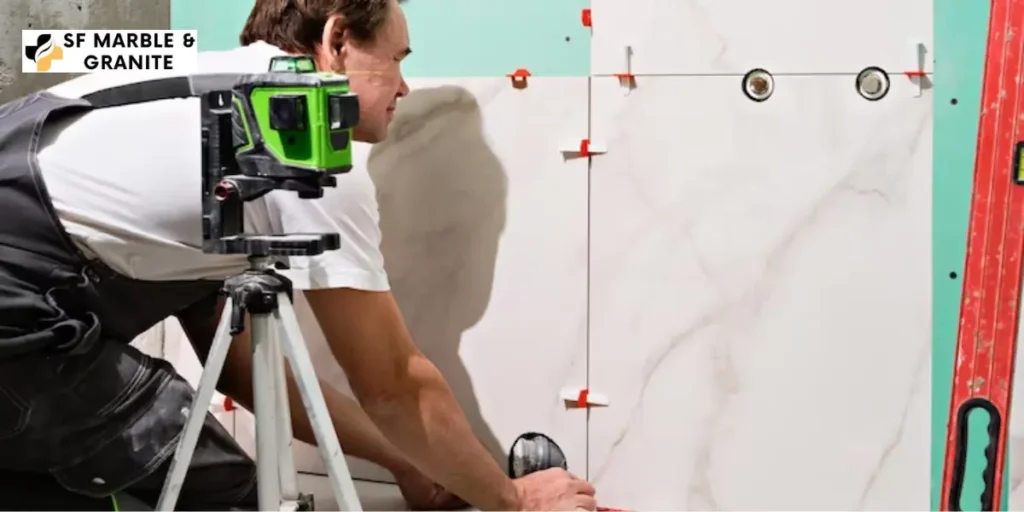
Before sealing, thoroughly clean the marble tile floor to remove any dirt, dust, or debris. Use a mild detergent and warm water, and allow the floor to dry completely.
Select the Sealer
Choose a penetrating sealer specifically formulated for marble tile floors. Opt for a high-quality sealer that provides long-lasting protection against stains, moisture, and wear.
Apply the Sealer
Pour a small amount of sealer onto the marble tile floor and spread it evenly using a clean, lint-free cloth or a paintbrush. Work in small sections to ensure thorough coverage.
Allow Penetration
Allow the sealer to penetrate the marble tile floor for the recommended time specified by the manufacturer. This typically ranges from 10 to 15 minutes.
Wipe Off Excess
After the designated time, use a clean, dry cloth to wipe off any excess sealer from the surface of the marble tile floor. Pay close attention to grout lines and edges.
Repeat if Necessary
Depending on the porosity of the marble tile and the level of protection desired, consider applying a second coat of sealer following the same process after the initial coat has dried completely.
Allow to Cure
Let the sealed marble tile floor dry completely before walking on it or placing any furniture. This usually takes 24 to 48 hours, depending on the sealer used and environmental conditions.
Sealing Marble Tile Before Installation
Clean the Tiles
Start by cleaning the marble tiles thoroughly to remove any dust, dirt, or debris. Use a gentle cleaner and a soft cloth or sponge to ensure the surface is clean and free from contaminants.
Allow to Dry
Once cleaned, allow the marble tiles to dry completely before applying the sealer. This ensures that the sealer can penetrate the surface effectively.
Select the Sealer
Choose a high-quality penetrating sealer specifically designed for marble tiles. Look for a sealer that provides protection against stains, moisture, and other potential damage.
Apply the Sealer
Use a clean, dry cloth or a paintbrush to apply the sealer evenly onto the surface of the marble tiles. Ensure complete coverage, but avoid over-saturation.
Allow to Penetrate
Let the sealer penetrate the marble tiles for the recommended time specified by the manufacturer.
Wipe Off Excess
After the designated time, gently wipe off any excess sealer from the surface of the marble tiles using a clean, dry cloth. Be thorough but careful not to disturb the sealed surface.
Allow to Cure
Allow the sealed marble tiles to cure for the recommended time before installing them. This typically ranges from 24 to 48 hours, depending on the sealer used and environmental conditions.
Sealing Marble Tile Before Installation
Sealing before installation, sometimes called pre-sealing, protects marble from grout haze and adhesive stains before they ever have a chance to set in. Grout contains pigments and moisture that can seep into unsealed stone during installation, leaving faint discoloration around every joint. This step matters most with honed or polished marble, since both finishes are more absorbent than tumbled or textured stone.
Apply a coat of penetrating sealer to the back and edges of each tile, along with the front face, before setting them in place. Let each tile dry per the manufacturer’s instructions, which usually runs an hour or two, before applying thinset. Once the tiles are grouted and fully cured, typically after 48 to 72 hours, a final sealing coat goes over the entire surface to lock everything in.
Skipping this step is one of the most common regrets homeowners mention after a marble installation. It’s a lot easier to wipe excess sealer off a tile before it’s grouted than to try to lift grout haze out of stone months later.
How to Seal Marble Tile Backsplash
A backsplash faces grease, tomato sauce, citrus juice, and heat from the stove, all of which are rough on unsealed marble. Clean the surface with a gentle degreaser first, since cooking residue can sit in the stone’s pores even when the tile looks clean. Rinse well and give it time to dry, especially around the edges near the countertop where moisture tends to linger.
Apply the sealer in light layers rather than one heavy coat, since backsplashes are viewed up close and any streaking will be obvious. Use a foam brush to get into the grout lines and around outlet cutouts, areas that get skipped when people rush the job. Wipe the surface with a dry cloth after the absorption window to avoid a hazy finish that catches light differently across the tile.
Give the backsplash at least a day before cooking anything greasy or acidic nearby. This one step in how to seal marble tiles is often the one people skip because a backsplash doesn’t get walked on, but splashed food and boiling pots hit it just as hard as feet hit a floor.
Common Mistakes When Sealing Marble Tile
A few habits ruin sealing jobs more often than any product flaw does. Sealing over a wet or dirty surface traps moisture and grime under the sealer, which can cause cloudy spots or poor bonding. Applying too much sealer at once is another common issue, since excess product pools on the surface and dries into a sticky, uneven film instead of soaking in.
Rushing the wait time is the third big mistake. Walking on a floor or using a countertop before the sealer fully cures can smear the coating and leave weak spots that fail early. Using the wrong type of sealer, like a topical acrylic on a heavily used kitchen floor, also leads to peeling within months instead of the year or more a good penetrating sealer should last.
Skipping test patches trips people up too. Testing a small hidden area first, like under a cabinet edge or in a closet, shows how the sealer affects the stone’s color before it’s applied everywhere. Some sealers darken marble slightly, and that’s much better to notice on a two-inch patch than across an entire kitchen floor.
Conclusion
In conclusion, sealing marble tile is an essential step to protect its beauty and durability. Whether you’re sealing marble tile floors, backsplashes, or bathroom surfaces, following the proper techniques can ensure long-lasting results. From thorough cleaning to selecting the right sealer and allowing for adequate curing time, each step plays a crucial role in maintaining the integrity of your marble surfaces. By investing time and effort in understanding how to seal marble tile , you can enjoy their elegance for years to come without worrying about stains or damage.
For expert assistance on how to seal marble tile or any other marble and granite needs, contact SF Marble And Granite inc today. Our experienced team is dedicated to providing top-notch services and products to help you maintain the stunning allure of your marble surfaces. Reach out to us via email at sfmarbleangranite@gmail.com or visit our location at 755 Dutton St. Lowell, MA 01851. You can also contact us at 978-459-5825. Let us help you enhance the beauty and longevity of your marble tiles with our professional expertise.
FAQs
What is the best sealer for marble tile?
The best sealer for marble tile is a penetrating sealer specifically formulated for natural stone. Look for a high-quality product that offers protection against stains, moisture, and other potential damage.
How often should marble tile be sealed?
Marble tile should be sealed regularly to maintain its protective barrier. Depending on the level of use and environmental factors, it’s generally recommended to reseal marble tile every 1-3 years.
How to seal marble tile myself, or should I hire a professional?
While it is possible to seal marble tile yourself, hiring a professional can ensure optimal results. Professionals have the expertise and specialized equipment to apply the sealer evenly and effectively, minimizing the risk of errors.
Will sealing marble tile change its appearance?
In most cases, sealing marble tile will not significantly alter its appearance. However, it may enhance the natural colors and veining of the marble, giving it a slightly richer appearance.
How long does it take for the sealer to dry on marble tile?
The drying time for sealer on marble tile varies depending on the type of sealer used and environmental conditions. Generally, it takes 24 to 48 hours for the sealer to fully cure and dry before the marble tile can be used or walked on.