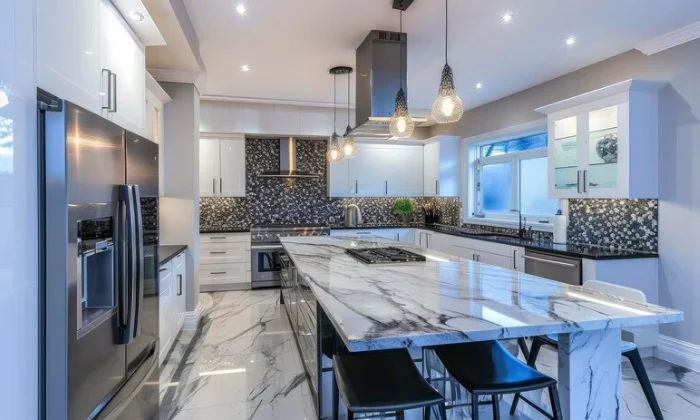
High Quality Granite Kitchen Countertops for Your Home
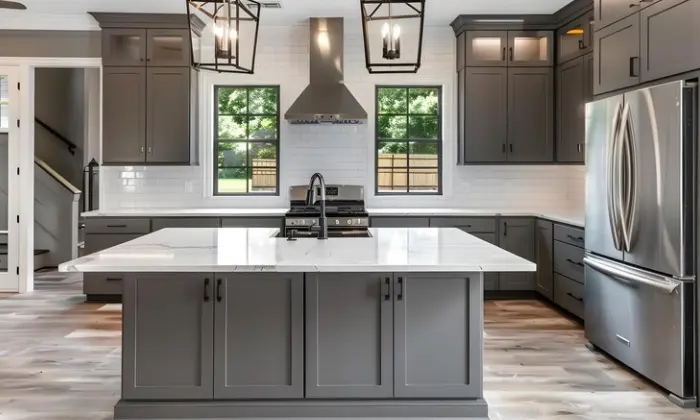
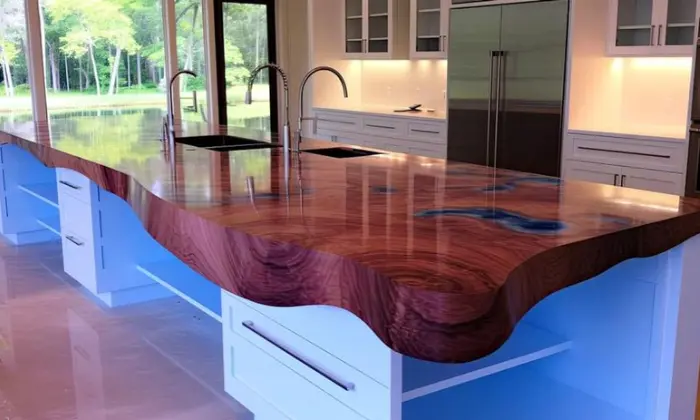
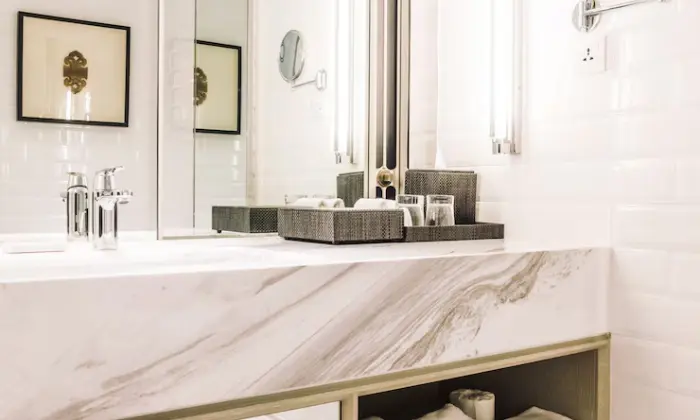
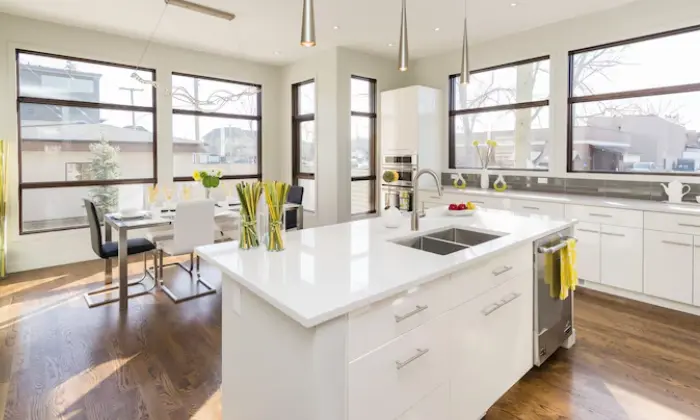
Granite kitchen countertops are a top choice for homeowners looking to blend style, durability, and functionality in their cooking space. Known for their natural beauty and exceptional strength, granite countertops add a luxurious feel to any kitchen. With a variety of granite designs for kitchens available today, choosing the right countertop can enhance both the look and value of your home. This article explores the best ideas for granite kitchen countertops, highlighting their benefits, popular color options, and design tips. Benefits of Granite Kitchen Countertops Granite kitchen countertops come with several advantages that make them ideal for busy kitchens. Durability and Strength Granite countertops are highly valued for their durability and strength. Known for its hardness, granite resists scratches and withstands high temperatures, allowing hot pots and pans to be placed directly on its surface without damage. This resilience makes granite a practical, long-lasting choice for kitchen countertops, ensuring they maintain their look and functionality over time. Aesthetic Appeal Granite’s aesthetic appeal lies in its diverse colors and patterns, making it perfect for creating unique, custom kitchen designs. Whether you choose sleek black or classic white granite, the natural veining and textures provide a distinctive, one of a kind look that enhances your kitchen’s style. Its versatile appearance allows it to fit seamlessly with various design themes, adding an elegant, organic touch to the space. Each granite countertop is unique, ensuring your kitchen has a natural beauty that stands out. Increased Home Value Upgrading to granite kitchen countertops can significantly enhance your home’s resale value. Many homebuyers prioritize high-quality features in a kitchen, and granite is particularly appealing due to its luxurious look and durability. The presence of granite countertops often signifies a well-maintained home, making it more attractive in the competitive real estate market. As a result, investing in these countertops not only elevates the aesthetic appeal of your kitchen but also serves as a smart financial decision that can yield a higher return when selling your home. Low Maintenance Granite kitchen surfaces are low maintenance, making them a popular choice for homeowners. When properly sealed, granite countertops resist stains, allowing them to maintain their beauty with minimal effort. Routine cleaning is straightforward and can be accomplished with just a mild soap and water solution. This ease of maintenance not only preserves the appearance of the countertops but also saves time, making granite a practical option for busy kitchens. Overall, the combination of stain resistance and simple cleaning methods contributes to the appeal of granite surfaces in modern kitchens. Popular Color Options for Granite Kitchen Countertops Granite comes in various colors, each offering its own unique charm. Here are some popular granite kitchen countertop colors that can transform your cooking space: Black Granite Kitchen Countertops Black granite countertops are a classic and elegant choice that enhances the overall aesthetics of any kitchen. Their deep, rich color provides a stunning contrast against lighter cabinetry, making them suitable for both modern and traditional styles. The durability and natural beauty of black granite ensure that it not only looks sophisticated but also withstands the demands of daily use. With various patterns and finishes available, black granite can seamlessly integrate into any kitchen design, offering a luxurious look that remains timeless and versatile. Choosing black granite countertops elevates the kitchen’s visual appeal and functionality. White Granite Kitchen Countertops White granite kitchen countertops are an ideal choice for homeowners seeking a bright and spacious atmosphere. Their light color enhances natural light, creating an open and inviting environment. This versatile stone complements a wide range of design styles, from rustic charm to sleek contemporary aesthetics. In addition to its aesthetic appeal, white granite offers durability and resistance to heat and scratches, making it a practical option for busy kitchens. Whether used as a focal point or a subtle accent, white granite countertops can transform any kitchen into a stylish and functional space. Grey Granite Kitchen Countertops Grey granite kitchen countertops feature a versatile neutral hue that complements various kitchen styles, from modern to traditional. Their understated elegance enhances the overall aesthetic without overpowering other design elements. The subtle texture and natural patterns found in grey granite add visual interest while maintaining a sleek appearance. This type of countertop is especially suited for minimalist and industrial kitchens, where simplicity and functionality are key. Additionally, grey granite is durable and resistant to heat and scratches, making it a practical choice for daily use while contributing to a sophisticated and timeless kitchen environment. Blue Granite Kitchen Countertops Blue granite kitchen countertops are a stunning choice that infuses vibrancy and character into any kitchen. Available in a spectrum of shades from deep navy to soft azure, blue granite creates a striking focal point. Its unique patterns and colors can complement various design styles, making it versatile for both modern and traditional kitchens. Beyond aesthetics, blue granite is durable and resistant to heat and scratches, ensuring it withstands the rigors of daily use. By choosing blue granite, homeowners can achieve a stylish and functional space that reflects their personal taste and enhances the overall kitchen decor. Brown Granite Kitchen Countertops Brown granite kitchen countertops offer a warm, earthy aesthetic that beautifully complements wooden cabinetry. This natural stone adds a cozy and inviting touch to the kitchen, creating a seamless connection between the cooking space and the rest of the home. The rich, varied tones of brown granite enhance the overall warmth of the kitchen, making it a perfect choice for those looking to establish a welcoming environment. Additionally, brown granite is durable and easy to maintain, ensuring that it not only looks great but also withstands the rigors of daily use, making it both a practical and stylish choice for any kitchen. Granite Kitchen Countertop Design Ideas Choosing the right design for granite kitchen countertops can elevate your kitchen’s style. Here are some popular ideas: Granite Countertop Patterns Granite countertops feature a diverse array of patterns, ranging from delicate veins to striking speckled designs. The choice of pattern
High Quality Granite Kitchen Countertops for Your Home Read More »