
S F Marble & Granite

Marble Floor Installation

honed vs polished marble

Honed vs Polished Marble: Which is Right for Your Home?

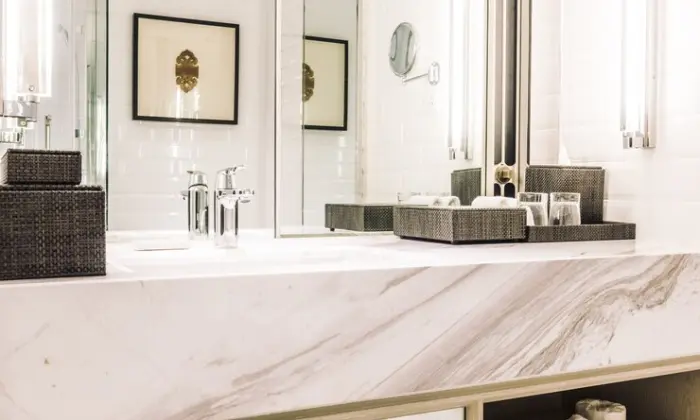
Home Honed vs Polished Marble: Which is Right for Your Home? When choosing the perfect marble finish for your home, it’s crucial to understand the differences between honed vs polished marble. Each finish offers unique aesthetics and functionality, making them suitable for different areas and purposes within your home. This comprehensive guide will delve into the nuances of honed marble vs polished, helping you decide which is the best fit for your needs. At SF Marble and Granite Inc., we pride ourselves on offering expert guidance and a wide selection of high-quality marble. Whether you’re looking for marble honed vs polished, honed marble for a contemporary touch or polished marble for a luxurious shine, our team is here to help you achieve the perfect finish for your home. What is Honed Marble? Honed marble is marble that has undergone a grinding process to achieve a smooth but matte finish. Unlike its polished counterpart, honed marble lacks a glossy shine, which makes it less reflective and more subdued. This type of marble finish is particularly popular for high-traffic areas due to its ability to mask scratches and etches better than polished marble. Why Honed Marble has a Matte Look; While Polished has a Shiny Look? The primary difference between honed vs polished marble lies in their appearance and texture. Honed marble has a matte finish, which gives it a more natural and understated look. On the other hand, polished marble features a high-gloss finish, offering a shiny and reflective surface that enhances the stone’s natural veining and color variations. Aesthetic Appeal Honed Marble The matte finish of honed marble provides a subtle elegance, making it an excellent choice for spaces where a less reflective surface is desired. Its soft appearance can create a cozy and inviting atmosphere, perfect for living rooms, bedrooms, and bathrooms. Polished Marble The polished finish gives the marble a glossy shine, making it a striking feature in any room. This highly reflective surface can brighten up spaces and highlight the intricate details of the marble’s natural patterns. Polished marble is often used in formal areas such as entryways, dining rooms, and kitchens where a sophisticated look is preferred. Honed vs Polished Marble Countertops When it comes to kitchen countertops, the choice between polished vs honed marble depends on your aesthetic preferences and countertops installation needs. Honed Marble Countertops Honed marble countertops are a great choice for kitchens due to their durability and ability to hide scratches and etches. The matte finish of honed marble makes it less slippery when wet, which is an added safety benefit in a busy kitchen. Additionally, honed marble surfaces are less likely to show fingerprints and smudges, making them easier to maintain on a daily basis. Polished Marble Countertops Polished marble countertops, with their glossy shine, are perfect for those who want a luxurious and high-end look in their kitchen. The polished surface of this type of marble is highly reflective, adding brightness and an elegant touch to the space. However, polished marble is more susceptible to stains and etches, so it requires more careful maintenance to keep it looking pristine. Maintenance and Care of Honed vs Polished Marble Durability and Practicality Both polished vs honed marble marble are durable options for various applications in the home. However, their practicality can differ based on where they are used. High Traffic Areas Honed marble is ideal for high traffic areas such as hallways, foyers, and staircases. The matte finish of honed marble is less likely to show wear and tear, making it a practical choice for spaces that experience a lot of foot traffic. The non-slip nature of honed marble also makes it safer for these areas. Low Traffic Areas Polished marble is better suited for low traffic areas or spaces where the aesthetic appeal is a priority. The glossy shine of polished marble can create a stunning visual impact in formal living rooms, dining rooms, and decorative accents. However, it’s essential to be mindful of the potential for scratches and stains in these areas. What is the Cost of Honed vs Polished Marble? The cost of honed vs polished marble can vary depending on the type of marble, its quality, and the finish. Generally, honed marble can be slightly more expensive than polished marble due to the additional labor involved in achieving the matte finish. However, the price difference is often minimal and should not be the sole deciding factor when choosing between the two finishes. Choosing the Right Finish for Your Home When deciding between honed vs polished marble for your home, consider the following factors: Aesthetic Preferences Functional Needs Maintenance Considerations Final Thoughts on Honed vs Polished Marble Both marble honed vs polished have their own set of advantages and can enhance the beauty of your home in different ways. By understanding the characteristics, benefits, and maintenance requirements of each finish, you can make an informed decision that aligns with your aesthetic preferences and functional needs. Whether you choose the subtle elegance of honed marble or the striking shine of polished marble, both options are sure to add timeless beauty and value to your home. Enhance Your Kitchen with Light Granite Countertops At SF Marble & Granite Inc., we bring over a decade of experience to every project. Our premium light granite countertops offer a perfect blend of beauty, durability, and versatility designed to elevate any kitchen style, whether modern, traditional, or rustic. We stand by our commitment to quality craftsmanship and meticulous installation. Plus, explore our Marble Floor Installation in Lowell service to complete your home’s makeover with expert care. Trust our friendly team to transform your kitchen into a space you’ll love for years to come. Conclusion In the debate of honed vs polished marble, there is no definitive answer as to which is better. It ultimately depends on your personal preferences, the specific application, and how much maintenance you are willing to commit to. By weighing the pros and cons of marble honed vs polished and

Honed vs Polished Marble: Which is Right for Your Home? Read More »

Fantasy brown marble

Fantasy Brown Marble: What Type of Stone is It?

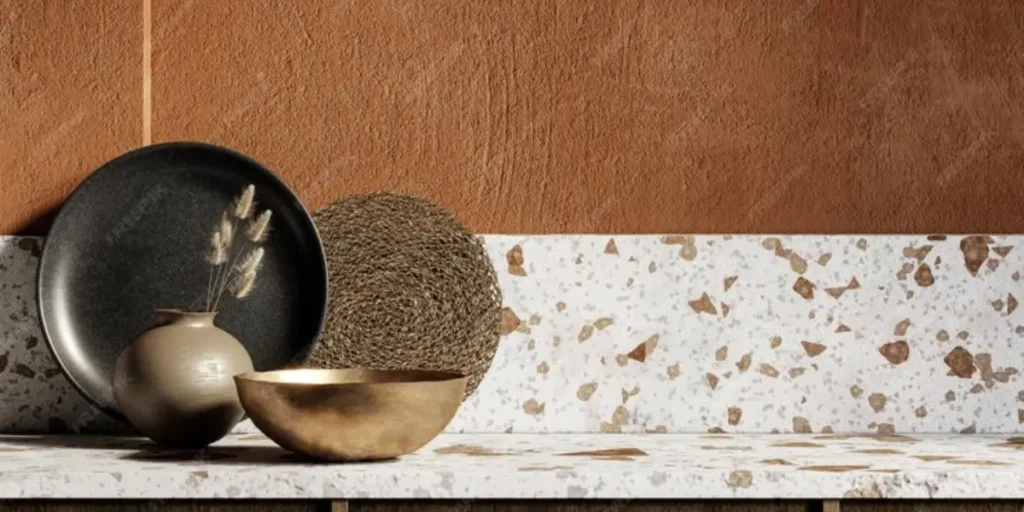
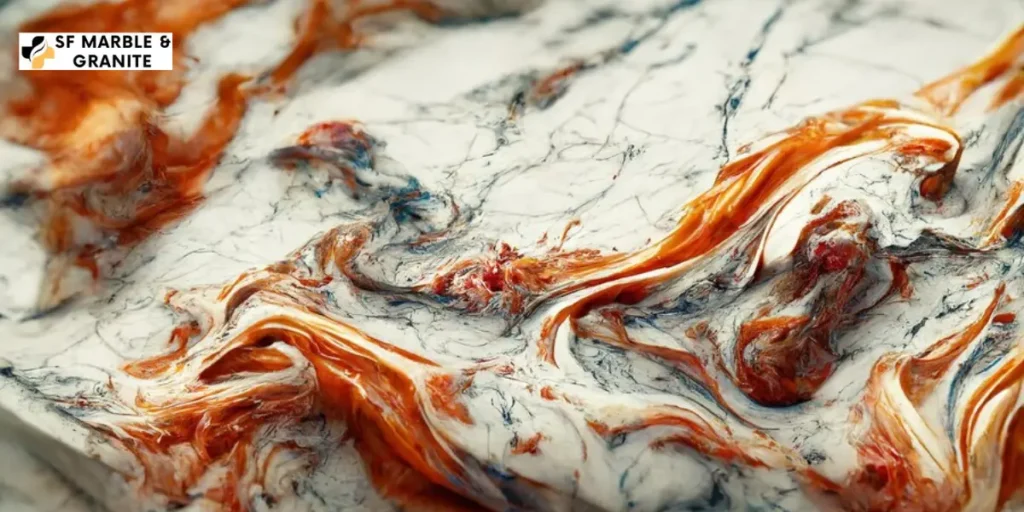
Home Fantasy Brown Marble: What Type of Stone is It? When designing luxury kitchens and bathrooms, one natural stone draws admiration like no other – Fantasy Brown Marble. With its unique swirling patterns and warm undertones, It adds unparalleled natural beauty to any space. But what exactly makes this stone so special? In this comprehensive guide, we’ll explore everything you want to know about Fantasy Brown Marble, from its formation history to working qualities to design applications. By the end, you’ll gain a thorough understanding of why this elegant material is such a coveted choice for high-end countertops, vanities, and more. What is Fantasy Brown Marble? At its most basic, Fantasy Brown Marble is a type of metamorphic rock formed from limestone or dolostone through geological heating and pressure. What makes it unique compared to other marbles is its dramatic veining and coloring. Marble Fantasy Brown contains swirls of rich browns, grays and burgundies within a soft cream matrix. No two slabs are exactly alike as each stone showcases its own distinct pattern and hues. It has a translucent to opaque appearance and a refined, luxurious texture. The Formation of Fantasy Brown Marble It originated as limestone or dolostone seabed sediment deposited over 350 million years ago during the Paleozoic era. As these carbonate sediments were buried deeper within the Earth’s crust over eons of geological activity, they underwent metamorphism – intense heat and pressure transforming them into the metamorphic rock now known as Fantasy Brown Marble. The swirling patterns visible within the stone were formed as minerals like calcite, dolomite and iron oxides recrystallized during metamorphism. Today, the world’s finest deposits of Marble Fantasy Brown are sourced from sites in Turkey, Iran and Tajikistan. Some of the Uses of Brown Fantasy Marble Thanks to its unique beauty and durability, It has become the material of choice for the most luxurious homes and high-end remodeling projects. Here are some of its premier applications: Kitchen countertops The subtle warmth and luxurious veining of Fantasy Brown Marble makes it ideal for creating a gourmet kitchen island or large slab. Its non-porous polishable surface provides ultimate resistance to stains and scratches. Bathroom vanities From freestanding vessel sinks to multi-bowl vanity tops, Brown Fantasy Marble lends spa-like opulence to bathrooms. Its soft veining pairs beautifully with suites in earthy neutrals. Fireplace surrounds Used for the facing of fireplaces, Fantasy Brown Marble’s heat resistance maintains its integrity for years while adding designer elegance. Flooring For extremely high-traffic commercial spaces or a grand entryway, polished Fantasy Brown Marble slabs make an unforgettable luxury flooring option. Fantasy Brown Marble Countertops Smaller cut-to-size Marble Fantasy Brown slabs can be used as table surfaces, desk tops, bar tops and more to tie together a design scheme. As one of the most beautiful natural stones available, It allows imagination and budgets to dictate its creative applications. Its lasting beauty and durability stand the test of time for luxury living. How to Identifying Fantasy Brown Marble? Now that we understand its geological origins and properties, how can you ensure the stone you’re considering is the real thing? Here are some distinguishing characteristics of quality Brown Fantasy Marble: Understanding these authentic qualities will ensure any chosen meets the highest standards for luxury projects and lengthy natural stone installations. Its incomparable beauty and uniqueness deserve only the real thing. Sealing and Installing Fantasy Brown Marble Properly sealing and installing Fantasy Brown Marble is essential to protecting its integrity and maximizing its lifespan for generations of enjoyment and value. Here are some expert tips: With the right care from industry professionals using state-of-the-art methods and products, Fantasy Marble installations stand up beautifully for a lifetime of enjoyment. Its inherent luxury remains on full display. Enhance Your Kitchen and Bathroom with Fantasy Brown Marble Looking to transform your space with stunning natural stone? Our skilled craftsmen bring your vision to life with precision and care. From Fantasy Brown Marble countertops that make your kitchen and bathroom shine to professional Marble Floor Installation in Lowell, we handle every step with the attention to detail your home deserves. We don’t just install stone we create lasting beauty you’ll enjoy for years. Our team ensures proper sealing, perfect cuts, and seamless finishing that protects your investment while showcasing the natural elegance of premium materials. Conclusion Thanks to its extraordinary formation process deep within the Earth, Fantasy Brown Marble stands apart as one of the most unique and sought-after natural stones in the world. Its intricate veining patterns, subtle warm colors and wonderfully smooth texture lend unparalleled character and beauty to the most elegant interior spaces.  For assistance selecting and installing, contact us, located at 755 Dutton St. in Lowell, MA. As a trusted stone specialist for over 15 years, we can ensure your project meets the highest quality standards. Reach their skilled professionals by calling 978-459-5821 or emailing sfmarbleangranite@gmail.com to discuss your specific design needs. FAQs Is Fantasy Brown Marble actually marble?  While marketed as marble, Fantasy Brown is technically closer to a quartzite-marble hybrid. This explains its exceptional durability compared to typical marbles, giving you the beauty of marble with better performance for busy areas like kitchens. How often should I seal Fantasy Brown Marble?  For optimal protection, we recommend resealing your Fantasy Brown surfaces annually. However, high-traffic areas might benefit from more frequent sealing. A simple water droplet test can help if water no longer beads on the surface, it’s time to reseal. Can I use Fantasy Brown in a shower?  Absolutely! With proper installation and regular sealing, Fantasy Brown makes a stunning shower surface. Just remember to use a high-quality penetrating sealer and maintain it regularly to prevent water absorption. How do I clean Fantasy Brown countertops?  Daily cleaning is simple just use warm water with a small amount of pH-neutral stone cleaner. Avoid acidic cleaners like vinegar or citrus-based products that can etch the surface. Wipe up spills quickly, especially acidic substances like wine or tomato sauce. What colors pair well with Fantasy

Fantasy Brown Marble: What Type of Stone is It? Read More »

how to remove tile flooring

How to Remove Tile Flooring: Ultimate Guide 2025

Home How to Remove Tile Flooring: Ultimate Guide 2025 Are you tired of staring at that outdated tile flooring in your home? You’re not alone. Many homeowners find themselves in the same predicament, unsure of where to start when it comes to removing those stubborn tiles. Luckily, you’ve stumbled upon the ultimate guide that will take you through the step-by-step process of tile removal with ease. From preparing your workspace to choosing the right tools, we’ve got you covered. At SF Marble And Granite Inc, we understand the importance of quality craftsmanship and attention to detail. With years of experience in the industry, our team is dedicated to providing top-notch services that exceed your expectations. Whether you’re looking to revamp your home or tackle a renovation project, you can trust us to deliver exceptional results. Let’s dive into the world of tile removal together and transform your space into something truly remarkable. Preparing for Tile Removal Before you embark on the journey of tile removal, it’s crucial to prepare your workspace adequately. Safety should be your top priority, so be sure to gather the necessary safety gear including gloves, goggles, and a dust mask. Clear the area of any obstacles and protect surrounding surfaces to prevent damage during the removal process. Additionally, ensure proper ventilation to minimize exposure to dust and debris. Taking these precautionary measures will not only keep you safe but also make the tile removal process smoother and more efficient. Tools and Materials Needed To successfully remove tile flooring, you’ll need the right tools and materials at your disposal. Here’s a checklist to ensure you’re well-equipped for the task: Tools Materials Having these tools and materials on hand will make the tile removal process more manageable and ensure a successful outcome. Step-by-Step Guide for Tile Removal Removing Grout Start by removing the grout surrounding the tiles. Use a grout removal tool or a utility knife to carefully scrape out the grout. Work in small sections, applying gentle pressure to avoid damaging the tiles. Take your time with this step to ensure thorough grout removal. Breaking and Removing Tiles Once the grout has been removed, it’s time to start breaking and removing the tiles. Begin at a corner or edge of the tile and use a hammer and chisel or a pry bar to gently break the tile away from the surface. Work your way across the floor, breaking and removing tiles one at a time. Use a floor scraper or putty knife to remove any remaining adhesive or mortar from the subfloor. Cleaning the Subfloor After all the tiles have been removed, clean the subfloor to remove any debris, adhesive, or mortar residue. Use a bucket of water and a sponge to wipe down the surface, ensuring it is clean and smooth. Allow the subfloor to dry completely before proceeding with any further flooring installation. Following these steps will help you remove tile flooring effectively and prepare the subfloor for your next renovation project. Tips and Tricks for Easier Tile Removal Pre-Soak Tiles Consider pre-soaking the tiles with a solution of warm water and vinegar or a commercial adhesive remover. This can help loosen the adhesive and make the tiles easier to remove. Use Heat Apply heat to stubborn tiles using a heat gun or hair dryer. Heat can soften the adhesive, making it easier to pry the tiles away from the surface. Work in Sections Divide the floor into manageable sections and focus on one area at a time. This approach will make the task less overwhelming and allow you to maintain a steady pace. Protect Yourself Wear safety gloves, goggles, and a dust mask to protect yourself from dust, debris, and sharp edges during the tile removal process. Utilize Power Tools Consider using power tools such as a power drill with a tile-cutting bit or an angle grinder with a diamond blade to cut through stubborn tiles or thick mortar more efficiently. Pry Carefully When prying tiles away from the surface, work slowly and carefully to avoid damaging the subfloor or surrounding tiles. Use a pry bar or putty knife to gently lift the tiles away. Stay Organized Keep track of removed tiles by labeling them or placing them in designated containers. This will make it easier to reinstall or dispose of the tiles later. Take Breaks Tile removal can be physically demanding, so be sure to take regular breaks to rest and rehydrate. Listen to your body and avoid overexertion. By implementing these tips and tricks, you can make the tile removal process smoother and more manageable, achieving professional results with less stress and frustration. Pros and Cons of removing tile from concrete floor Pros of Removing Tile from Concrete Floor Renovation Flexibility: Removing tile from a concrete floor opens up opportunities for redesign and renovation. You can choose new flooring options to better suit your style and preferences. Surface Preparation: Removing old tile allows for proper surface preparation, ensuring better adhesion for new flooring materials. This can result in a smoother and more durable finish. Improved Aesthetics: Old, worn-out tiles can detract from the overall appearance of a space. Removing them can instantly refresh the look of the room and increase its visual appeal. Repair Damaged Concrete: Removing tile provides an opportunity to assess the condition of the concrete substrate. Any damage or imperfections can be addressed and repaired before installing new flooring. Enhanced Property Value: Upgrading flooring can increase the value of your property. By removing outdated tile and installing modern flooring options, you can potentially attract more buyers and command a higher sale price. Cons of Removing Tile from Concrete Floor Labor Intensive: Tile removal from concrete floors can be a labor-intensive process, requiring time, effort, and physical exertion. It may also involve the use of heavy tools and equipment. Potential Damage: During tile removal, there is a risk of damaging the concrete substrate, especially if not done carefully. Cracks or gouges in the concrete can necessitate additional repairs, adding

How to Remove Tile Flooring: Ultimate Guide 2025 Read More »

Cultured marble

Cultured Marble: What You Need to Know About this Material

Home Cultured Marble: What You Need to Know About this Material If you’re dreaming of a fresh, elegant upgrade that won’t break the bank, cultured marble is your answer blending marble dust with resins for a resilient surface that looks and feels like the real thing. From seamless shower surrounds to sleek kitchen counters, its versatility shines in both wet and dry areas, adapting to virtually any design vision. Guided by consistent manufacturing, you’ll avoid the veining surprises of natural stone and gain dependable color uniformity, simplifying choices and installations. In this guide, we’ll explore how cultured marble’s composition, cost benefits, and practical uses come together in a single material so you can make informed decisions for your home improvement projects. Ready to envision your next spa‑like retreat? Discover how cultured marble elevates a modern marble bathroom. What is Cultured Marble? Cultured marble is a man-made material that combines natural marble stone particles with synthetic materials, such as resins and pigments, to create a durable and aesthetically pleasing product. The process involves molding and casting to achieve a wide range of shapes and sizes, making it highly adaptable for different architectural and design needs. Unlike natural marble, which is quarried and then cut into slabs, it is manufactured in a controlled environment, allowing for consistency in color and pattern. Difference Between Real and Cultured Marble While natural marble is prized for its unique veining and organic patterns, it offers several distinct advantages. It is typically more affordable and easier to maintain than natural stone. It can mimic the look of high-end materials like marble and granite while offering greater flexibility in design and installation. Where to Use Cultured Marble? This type of marble finds widespread use in various residential and commercial applications: Shower Walls Cultured Marble shower walls provide a seamless and luxurious appearance, enhancing the aesthetic appeal of any bathroom. The material’s non-porous surface makes it resistant to mold and mildew, ideal for wet environments. White Cultured Marble in Bathroom Vanities This is a popular choice for bathroom vanities and countertops due to its clean and timeless appearance. It brightens up spaces and complements a wide range of interior styles. Shower Pan Cultured marble shower pan offers durability and ease of maintenance. Its smooth surface prevents water buildup and ensures long-lasting performance. Sink Cultured Marble sinks are integrated seamlessly into countertops, creating a sleek and unified look. They are available in various shapes and sizes to accommodate different design preferences. Cultured Marble Tub Surround Enhance your bathroom with a tub surround, which combines elegance with practicality. It provides a cohesive design element and simplifies cleaning and upkeep. What are the Benefits of Cultured Marble? Affordability It is more cost-effective than natural stone, making it an attractive option for budget-conscious projects without compromising on quality or style. Versatility With a wide range of colors, patterns, and textures available, it can complement any design scheme, from traditional to contemporary. Durability The combination of marble dust and resin creates a resilient surface that is resistant to scratches, stains, and chipping, ensuring longevity and ease of maintenance. Easy Installation This type of marble products are manufactured to precise measurements, facilitating straightforward installation processes and reducing labor costs. Daily Maintenance and Preventive Cleaning Tips Maintaining marble involves simple yet effective cleaning routines to preserve its beauty and durability over time. Here’s a guide to maintenance and preventive cleaning practices for cultured marble surfaces: Daily Maintenance Tips Regular Wiping Use a soft cloth or sponge and a mild, non-abrasive cleaner to wipe down its surfaces daily. This helps remove any dust, dirt, or residues that can accumulate. Avoid Abrasive Cleaners Harsh cleaners or abrasive materials like steel wool should be avoided as they can scratch the surface of marble. Dry Thoroughly After cleaning, ensure the surface is dried thoroughly with a clean cloth to prevent water spots and streaks. Preventive Cleaning Tips Routine Cleaning Regularly clean surfaces with a pH-neutral cleaner or a mild soap solution. This helps prevent the buildup of soap scum and mineral deposits. Stain Removal Address stains promptly using a non-abrasive cleaner suitable for marble. For tough stains, a mixture of baking soda and water can be gently rubbed onto the stain before rinsing. Avoid Harsh Chemicals Refrain from using acidic cleaners (eg vinegar or lemon juice) or abrasive cleaners (e.g scouring powders) on marble, as these can damage the surface. Cultured Marble Flooring: Seamless Style Meets Simple Installation Cultured Marble flooring blends style and strength with ease, making it a top pick for homeowners looking to upgrade on a budget. Its non‑porous, resilient surface resists stains and scratches, so it stays looking fresh with minimal upkeep. It also offers consistent color and pattern without the natural veining variations of real stone. Thanks to easy installation processes and precise manufacturing, your new floors go in quickly and fit perfectly to any space. For a flawless finish, trust our expert team at SF Marble & Granite Inc. for a professional Marble Floor Installation in Lowell that transforms your home. Contact Us for Installation Services If you’re interested in professional installation services for cultured marble products from SF Marble and Granite, please feel free to get in touch with us. You can contact us via email at sfmarbleangranite@gmail.com, visit us at 755 Dutton St., Lowell, MA 01854, or give us a call at 978-459-5823. Our team is ready to assist you in transforming your spaces with quality craftsmanship and expertise. FAQs  What is cultured marble?Cultured marble is a man‑made surface created by blending marble dust with resin and pigments, then molding it into slabs or shapes for floors, countertops. Where can I use cultured marble?You can install it in bathrooms for shower walls, vanity tops, and tub surrounds, in kitchens for backsplashes and countertops, and even on floors in low‑ to medium‑traffic areas. How do I clean cultured marble surfaces?Use a soft cloth with mild, non‑abrasive cleaner or warm water and dish soap; avoid acidic or abrasive products to prevent dulling or

Cultured Marble: What You Need to Know About this Material Read More »

White Carrara Marble Bathroom Ideas

Exploring White Carrara Marble Bathroom Ideas: Elevate Your Space with SF Marble And Granite Inc.

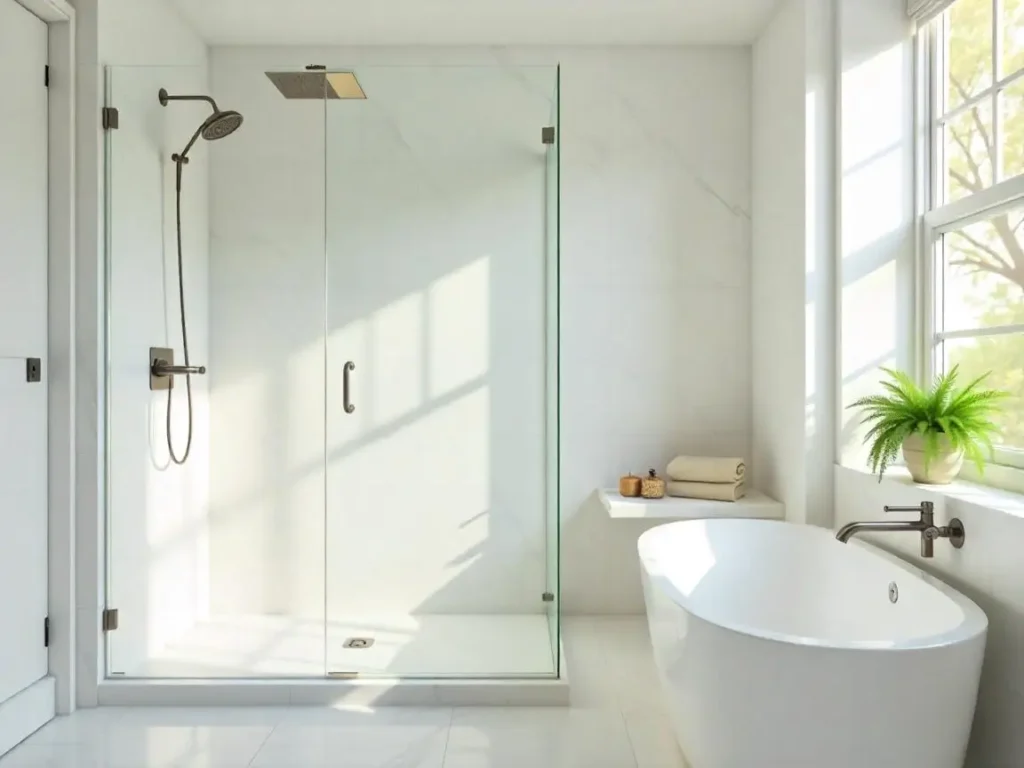
Exploring White Carrara Marble Bathroom Ideas Home Have you ever stepped into a space that instantly felt like a personal retreat? Our blog, featuring White Carrara Marble Bathroom Ideas, invites you to reimagine your bathroom with a harmonious blend of timeless luxury and contemporary comfort. The pristine white backdrop and subtle, artful gray veining create a serene canvas, perfectly setting the stage for elegant vanities and captivating shower walls. At SF Marble And Granite Inc., we combine passion and craftsmanship to help you transform your space into a warm, welcoming sanctuary that reflects both style and personality. The Elegance of White Carrara Marble​ White Carrara Marble is renowned worldwide for its timeless elegance and natural beauty. Quarried from the majestic mountains of Carrara, Italy, this exquisite stone has been a symbol of luxury and sophistication for centuries. Pristine White Aesthetic One of the defining characteristics of marble is its pristine white background. This pure, milky hue provides a canvas of unparalleled elegance, making it a top choice for designers and homeowners alike. Delicate Gray Veining What truly sets White Carrara Marble apart is the intricate gray veining that meanders through its surface. These veins, resembling delicate brushstrokes on a canvas, add a touch of artistry and depth to the marble’s appearance. No two slabs are identical, ensuring that your space is uniquely adorned. Timelessness and Endurance White Carrara Marble possesses a timeless quality that transcends trends and fads. Whether used in classical or contemporary settings, it retains its beauty, making it an enduring choice. Its ability to stand the test of time is a testament to both its physical durability and aesthetic appeal. Versatility in Design Designers and architects adore White Carrara Marble for its versatility. From bathroom countertops to kitchen islands, flooring, and wall cladding, it seamlessly integrates into various design styles. Whether you’re aiming for a minimalist, rustic, or opulent look, White Carrara Marble can adapt and enhance the overall aesthetics. A Touch of Luxury Incorporating White Carrara Marble into your living spaces elevates them to the realm of luxury. Whether used in a bathroom, kitchen, or even as a statement piece in your living room, it exudes opulence and refinement. Honoring Tradition Throughout history, White Carrara Marble has been used in iconic works of art and architecture, including Michelangelo’s “David” and the Pantheon’s grand columns in Rome. By choosing White Carrara Marble, you connect your space to this rich heritage, creating a sense of timelessness and sophistication. Why Choose White Carrara Marble for Your Bathroom? White Carrara Marble is a premier choice for bathroom design, and for several compelling reasons: Unparalleled Elegance and Timelessness White Carrara Marble embodies luxury and timelessness like no other. Its classic, pristine white surface with delicate gray veining creates an air of sophistication that transcends design trends. By choosing White Carrara Marble, you ensure that your bathroom remains visually captivating for years to come. Durability and Longevity A bathroom is a high-traffic area, and the materials you choose must withstand daily use. White Carrara Marble excels in durability and longevity. It is a robust stone that can handle the demands of a busy bathroom without losing its luster. With proper care, your White Carrara Marble bathroom will stay looking beautiful for generations. Versatile Design Options Designing with White Carrara Marble offers endless possibilities. Whether you prefer a traditional, contemporary, or eclectic bathroom style, this marble seamlessly integrates into various design aesthetics. You can use it for countertops, flooring, shower walls, or even as an accent piece. Its versatility allows you to express your unique taste and vision. Spa-Like Atmosphere Transform your bathroom into a luxurious spa-like retreat with White Carrara Marble. Its luminous surface and soothing color palette create a serene ambiance. Stepping into a bathroom adorned with White Carrara Marble is like entering a haven of relaxation and tranquility. Value Addition to Your Home Investing in White Carrara Marble for your bathroom not only enhances your daily living experience but also adds significant value to your home. Should you decide to sell in the future, a bathroom with White Carrara Marble can be a strong selling point, attracting potential buyers with its timeless appeal. Designing with White Carrara Marble White Carrara Marble offers a world of design opportunities, allowing you to transform your bathroom into a haven of elegance and sophistication. These are some important factors to think about:: Creating a Luxurious White Carrara Marble Bathroom A luxurious bathroom begins with the selection of the right materials, and White Carrara Marble is the epitome of luxury. Here’s how you can create a lavish White Carrara Marble bathroom: Flooring: Start by adorning your bathroom floor with large-format White Carrara Marble tiles. The smooth, cool surface underfoot provides a spa-like experience. Shower Walls: Extend the elegance into your shower area by using White Carrara Marble slabs or tiles on the walls. This creates a seamless and visually striking look. Freestanding Bathtub: Place a freestanding bathtub in the center of the bathroom. Its sculptural form contrasts beautifully with the marble surroundings. Fixtures: Choose fixtures in polished chrome or brushed nickel to complement the marble’s natural beauty. Lighting: Install soft, warm lighting fixtures that accentuate the marble’s veining and create a cozy atmosphere. Incorporating White Carrara Marble Tiles White Carrara Marble tiles are a versatile choice for adding a touch of luxury to your bathroom. Here are a few inventive ways to use them: Accent Wall: Designate one wall as an accent wall and cover it with White Carrara Marble tiles. This draws the eye and adds drama to the space. Shower Niche: Create a shower niche using White Carrara Marble tiles. It not only serves a practical purpose but also adds an element of style to your shower. Floor-to-Ceiling Elegance: Extend the use of White Carrara Marble tiles from the floor to the ceiling in your shower area for a cohesive and visually impactful design. White Carrara Marble Countertops: A Touch of Opulence Countertops are a focal point in any bathroom, and White

Exploring White Carrara Marble Bathroom Ideas: Elevate Your Space with SF Marble And Granite Inc. Read More »

Travertine Restoration

Complete Guide to Travertine Restoration for Your Floors

Complete Guide to Travertine Restoration for Your Floors Home Travertine floors add an exquisite touch to any space with their unique patterns and earthy tones. Over time, however, daily wear and tear can diminish their luster and shine. If you’re looking to restore the natural beauty of your travertine floors, you’re in the right place. In this guide, we’ll walk you through the process of travertine restoration, addressing common concerns and providing expert advice to help you revitalize your floors. As you embark on your travertine restoration journey, consider the expertise of SF Marble and Granite Inc. Our dedicated team is committed to bringing back the timeless elegance of your floors. Travertine restoration is not just about aesthetics; it’s about preserving the lifespan of your flooring. Without proper maintenance and care, travertine can lose its shine and become vulnerable to damage. Restoration brings back the original elegance of the stone while enhancing its durability. Understanding the Significance of Travertine Restoration Travertine restoration is not just about aesthetics; it’s about preserving the lifespan of your flooring. Without proper maintenance and care, travertine can lose its shine and become vulnerable to damage. Restoration brings back the original elegance of the stone while enhancing its durability. Step-by-Step Guide to Restoring Your Travertine Floors Assessment and Preparation: Setting the Stage for Restoration Before embarking on the restoration journey, evaluate the condition of your floors. Identify areas with scratches, cracks, or stains. Clear the area and ensure you have the necessary tools and materials for the process. Gentle Cleaning Techniques: Nurturing Your Travertine Start by gently removing dirt and debris from the surface. Use a pH-neutral stone cleaner and a soft mop or cloth. Avoid acidic or abrasive cleaners that can harm the stone. Thoroughly rinse the floor to prevent residue buildup. Repairing Scratches and Cracks: A Flawless Surface For minor scratches, consider using a fine-grit sandpaper or a specialized travertine repair kit. Deeper cracks may require professional attention. Fill the cracks with a color-matched epoxy resin and allow it to cure. Polishing and Honing: Restoring the Lustrous Shine Polishing and honing bring back the glossy finish of your travertine floors. Use a low-grit diamond polishing pad for honing, followed by a higher-grit pad for polishing. Work in small sections and keep the surface wet. Sealing for Longevity: Protecting Your Investment Sealing your travertine floors is crucial to prevent future damage. Choose a penetrating sealer that provides a barrier against moisture and stains. Apply the sealer evenly and allow it to dry completely. Types of Travertine Damage and How to Avoid Them Travertine is a stunning, natural stone that can elevate the beauty of any space. However, like all natural stones, it requires proper care to maintain its elegance and longevity. Without proper attention, travertine can be prone to certain types of damage. Here’s a closer look at some of the most common issues that can affect travertine, and how to prevent them. 1. Etching: The Silent Damage from Acidic Substances Etching is one of the most common forms of damage to travertine and occurs when acidic substances come into contact with the surface. Spilling things like lemon juice, vinegar, wine, or cleaning products containing acid can result in dull, matte spots that strip away the shine of the stone. How to Prevent It: Wipe up spills immediately, especially acidic substances. Use coasters, placemats, or trays for items that might contain acids. Clean with neutral pH stone cleaners designed for travertine. 2. Staining: The Result of Oil and Grease Buildup Stains on travertine can happen for several reasons, but the most common culprits are oils, grease, and food-related liquids. These stains are typically caused by thick water, greasy food, or even burnt-on food after scrubbing. The porous nature of travertine makes it highly susceptible to absorbing these substances, which can leave unsightly marks. How to Prevent It: Seal your travertine to create a protective layer that resists stains. Clean up spills promptly and thoroughly. Avoid placing greasy or oily items directly on the surface. 3. Discoloration and Dullness: The Results of Overzealous Cleaning Cleaning is essential, but when done too aggressively, it can cause microscopic scratches on the surface of your travertine. These tiny scratches can lead to discoloration or a dull, faded appearance. Using harsh cleaners or abrasive tools can also strip the stone’s natural shine, making it look worn. How to Prevent It: Avoid using abrasive scrubbers or acidic cleaners. Use a soft cloth or mop and a pH-neutral stone cleaner. Clean gently to avoid dulling the surface and causing long-term damage. 4. Chips & Scratches: The Consequences of Rough Handling Travertine, while durable, can be chipped or scratched if handled improperly. Dropping heavy items or dragging furniture across the floor can leave noticeable marks or break parts of the stone. These imperfections can ruin the stone’s smooth, elegant finish. How to Prevent It: Be mindful when moving furniture or heavy objects. Consider using felt pads under furniture legs to protect the floor. Handle tiles carefully during installation or renovation. 5. Cracks: A Sign of Improper Installation Cracks in travertine are usually a result of improper installation. If the tiles weren’t set correctly or the subfloor wasn’t properly prepared, the stone can shift and crack under pressure. Uneven surfaces or poor-quality adhesive can contribute to this problem. How to Prevent It: Ensure professional installation by experienced experts. Verify that the subfloor is level and solid before installing travertine. Use high-quality adhesive designed specifically for travertine. The Art of Fixing Scratched Travertine Tile: DIY Tips and Tricks Accidents happen, and scratches on your beloved travertine tiles can be disheartening. Fortunately, there are several DIY methods that you can try before considering professional intervention. These simple yet effective tips and tricks allow you to address minor scratches and restore the allure of your travertine floors without breaking the bank. Baking Soda Magic One popular and gentle method involves the use of baking soda. Create a paste by mixing baking soda with water until it

Complete Guide to Travertine Restoration for Your Floors Read More »

A Journey To The Elegance Of A Marble Room

A Journey To The Elegance Of  A Marble Room

A Journey To The Elegance Of A Marble Room Elegance of A marble room refers to a space or chamber that is entirely constructed or adorned with marble, a type of metamorphic rock known for its beauty and elegance. Marble has been used for centuries in architecture and interior design due to its luxurious appearance and durability. Marble rooms are often associated with opulence, sophistication, and grandeur. The significance of a marble room lies in its aesthetic appeal and the statement it makes about the space it occupies. The use of marble can transform an ordinary room into an extraordinary one, exuding a sense of luxury and refinement. Marble’s natural patterns and unique veining patterns make each piece distinct, adding character and visual interest to the room. Sf Marble and Granite Provides you the best quality and the best guidance you need. Characteristics Of Elegance Of A Marble Room A marble room is known for its luxurious and elegant appearance, typically created by the use of high-quality marble as a primary building material.  Physical features and components: Walls and pillars: The walls and pillars of a marble room are constructed using marble slabs or tiles. The marble can be polished to a smooth and glossy finish, enhancing the room’s overall aesthetic appeal. The walls may feature intricate patterns or veining unique to the type of marble used. Flooring: The flooring of a marble room is also made of marble, which adds a sense of grandeur. Marble flooring can have various finishes, such as polished, honed, or textured, depending on the desired effect. The patterns and colors of the marble can create a visually stunning floor design. Ceilings: The ceilings in a marble room can be adorned with decorative elements like elaborate moldings, rosettes, or ceiling medallions. These elements are often crafted from marble or other luxurious materials, enhancing the overall opulence of the room. Decorative elements: Marble rooms often incorporate various decorative elements to accentuate their elegance. These can include marble sculptures, statues, or busts placed strategically throughout the room. Intricate molding and carvings on the walls or pillars can further enhance the room’s visual appeal. Elegance and luxury associated with marble rooms: Prestige: Marble has long been associated with wealth, opulence, and prestige. The use of marble in a room instantly creates a sense of luxury and sophistication. Marble rooms are often found in grand mansions, palaces, upscale hotels, and other prestigious establishments. Timelessness: Marble is a durable material that has been used in architecture and interior design for centuries. The timeless beauty of marble adds a sense of permanence to a room, making it an enduring symbol of elegance and luxury. Visual appeal: The natural patterns, colors, and veining found in different types of marble contribute to the visual appeal of a marble room. The interplay of light and shadow on the polished surface of the marble creates a captivating effect, adding to the room’s allure. Reflectivity: Marble has a reflective quality that can make a room appear more spacious and luminous. The polished surface of the marble reflects light, enhancing the overall brightness and creating an inviting ambiance. Versatility: Marble comes in a wide range of colors, including white, black, beige, green, and more. This versatility allows for various design possibilities, from classic and traditional to modern and contemporary, ensuring that marble rooms can be tailored to different aesthetics while maintaining their luxurious appeal. Importance of the marble room floor The marble room floor holds significant importance in interior design due to its elegance, durability, and versatility. Marble has been a popular choice for flooring for centuries and is associated with luxury and sophistication.  Aesthetics: Marble flooring adds a touch of elegance and timeless beauty to any room. The natural patterns and unique veining in marble create a visually stunning effect that can enhance the overall decor and ambiance of a space. Durability: Marble is a durable and long-lasting material, making it ideal for high-traffic areas. It can withstand heavy foot traffic without losing its charm or deteriorating easily. With proper care and maintenance, a marble floor can last for decades. Versatility: Marble comes in a wide range of colors, patterns, and finishes, allowing for various design possibilities. Whether you prefer a classic white look or a vibrant colored marble, there are options to suit different interior styles and preferences. Cooling Properties: Marble has natural cooling properties, making it an excellent choice for warm climates. Walking on a marble floor can provide a refreshing and comfortable feel underfoot. Types of marble flooring commonly used Classic white marble: White marble, such as Carrara or Calacatta, is a timeless choice for flooring. It features a clean and elegant look with a white or off-white base color and gray veining. Classic white marble is commonly used in bathrooms, kitchens, and living areas to create a luxurious and sophisticated atmosphere. Colored marble options: In addition to white, marble is available in a range of colors, including black, green, red, beige, and more. These colored marbles offer unique and striking aesthetics, allowing for creative and personalized flooring designs. Colored marble can be used to make a bold statement or complement specific color schemes within a room. Varieties of marble patterns and veining: Marble exhibits a wide variety of patterns and veining, adding character and visual interest to the flooring. Some popular patterns include: Veined marble: This type of marble showcases distinct veining patterns that can be dramatic or subtle, depending on the variety. Examples include Breccia, Emperador, and Portoro marbles. Cloudy or mottled marble: These marbles feature cloud-like patterns or mottling, creating a unique and artistic effect. Bardiglio and Calacatta Vagli marbles are well-known examples. Geometric patterns: Marble can be cut and arranged in geometric shapes like chevron, herringbone, or basketweave patterns, adding a touch of sophistication and visual appeal to the flooring. Random patterns: Some marble varieties have a more random or organic pattern, which can create a natural and organic look. These marbles often have a mix of colors

A Journey To The Elegance Of  A Marble Room Read More »

White marble flooring

Ultimate Guide to White Marble Flooring: What You Need to Know

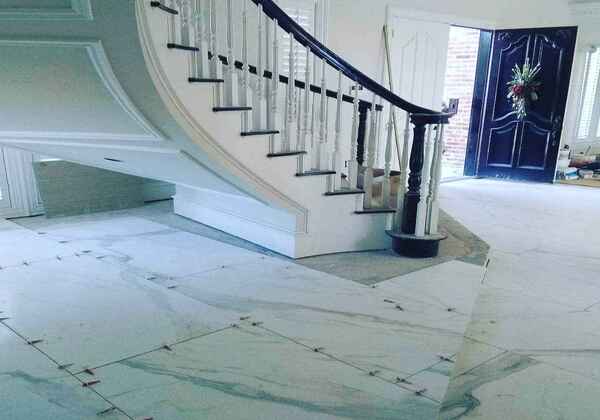
Professional White Marble Flooring Installation and Repair Services in Lowell Home If you’re looking to elevate the elegance of your home or office, white marble flooring is the perfect choice. SF Marble & Granite is specialized in offering high-quality marble flooring installation and repair services in Lowell. With years of expertise, we ensure that your space reflects sophistication and luxury. Whether you’re looking to install white marble floors in your kitchen, living room, or bathroom, or repair existing flooring, our team has you covered. Let’s explore why marble flooring is a timeless option and how our services can transform your space. Why Choose White Marble Flooring? Aesthetic Appeal Marble flooring exudes a clean, bright, and classic look that enhances any room. Its smooth texture and polished surface reflect light, making rooms appear more spacious and inviting. Whether you’re designing a modern or traditional space, the allure of white marble floor tiles brings unmatched elegance. Its neutral tones make it a versatile option for complementing various interior styles. Luxury and Status Symbol Marble has always been associated with luxury and status. Installing white marble floors adds a sense of sophistication and grandeur to your space. Whether you’re aiming to create a high-end kitchen, bathroom, or living area, white marble sets the tone for a luxurious experience. Natural Variation Each piece of white marble is unique, featuring its own natural veining patterns and subtle color variations. From delicate gray streaks to intricate swirls, these natural variations ensure that no two marble floors look the same. This one-of-a-kind appeal makes white marble flooring highly desirable for homeowners who want to personalize their space with natural beauty. Versatility One of the most significant advantages of white marble is its versatility. Whether your home has a modern, contemporary design or a more classic, traditional feel, white marble seamlessly integrates into any decor. Its neutral tones complement various color schemes, and its timeless appeal makes it suitable for bathrooms, kitchens, living rooms, and even commercial spaces. Popular Types of White Marble for Flooring We Offer We offer a range of exquisite white marble options to suit different design preferences. Here are some of the most popular types of white marble floor options we provide: Carrara Marble: Known for its soft gray veining, Carrara marble is one of the most popular choices for flooring due to its subtle yet luxurious appearance. Calacatta Marble: Calacatta marble features bold, dramatic veining patterns and is often considered a more high-end option due to its rarity and distinctiveness. Statuario Marble: With its striking white backdrop and sharp gray veins, Statuario marble exudes elegance and is ideal for creating a statement floor. Thassos Marble: This pure white marble with minimal veining is perfect for those looking to achieve a sleek, contemporary look. Bianco Lasa Marble: Known for its soft beige undertones and subtle veins, Bianco Lasa is a versatile option that works well in both modern and traditional settings. Our White Marble Flooring Installation Services We take pride in delivering flawless marble floor installation services. Here’s how we ensure a smooth, seamless process: Consultation and Planning Our process begins with an in-depth consultation to understand your vision and design preferences. We help you select the right type of white marble tiles that best suit your space, from kitchen floors to bathroom walls. We also take accurate space measurements to ensure the best results. Preparing the Surface Proper surface preparation is key to a long-lasting marble floor. We carefully level and prepare the subfloor to prevent future issues such as cracking or unevenness. This critical step ensures your white marble floor remains beautiful and durable for years to come. Precision Cutting and Laying Using advanced tools and techniques, our skilled craftsmen cut and lay the white marble floor tiles with precision. This attention to detail ensures a seamless installation with minimal visible joints, creating a sleek, polished look. Grouting and Sealing Once the tiles are installed, we expertly grout and seal the floor to protect against stains and moisture. Sealing is essential to maintain the marble’s natural beauty and prevent damage over time. Post-Installation Care Tips We provide detailed guidance on how to care for your new white marble floors. Simple practices, such as using a pH-neutral cleaner and avoiding harsh chemicals, will help maintain the marble’s natural sheen. We also recommend regular resealing to protect your investment. White Marble Flooring Repair and Restoration Services Over time, even the most well-maintained white marble floors may show signs of wear. We offers professional repair and restoration services to bring your marble floors back to life. Common Issues with White Marble Floors Common issues with marble floors include chips, cracks, dullness, and etching caused by acidic substances. Over time, grout lines can also become worn, affecting the overall look of the floor. Expert Repair Solutions Our expert repair services include patching chipped or cracked marble, re-polishing to restore shine, and resealing to protect against future damage. We use top-quality materials to match the original white marble tiles as closely as possible, ensuring a seamless repair. Stain and Scratch Removal We specialize in removing stains and scratches from polished marble surfaces. Whether it’s a kitchen spill or bathroom moisture stain, our restoration techniques will eliminate discoloration, restoring the floor’s pristine condition. Resealing and Regrouting Maintaining the seal on white marble floors is crucial for long-term durability. We offer professional resealing services to prevent moisture infiltration and wear. Regrouting services are also available to refresh the appearance of your marble tiles, keeping them looking as good as new. Transform Your Space with White Marble Flooring in Lowell Elevate your home’s elegance with our expert Marble Floor Installation in Lowell. At SF Marble & Granite Inc., we specialize in crafting timeless white marble floors that blend luxury with durability. Our meticulous installation process ensures each tile is perfectly placed, enhancing the natural beauty of the stone. Whether you’re renovating your kitchen, bathroom, or living area, our white marble flooring solutions add a touch of sophistication to any

Ultimate Guide to White Marble Flooring: What You Need to Know Read More »

Scroll to Top