
S F Marble & Granite

Marble Floor Installation

Nero Portoro Marble

Nero Portoro Marble: A Guide for Luxury Interior Design

Home Nero Portoro Marble: A Guide for Luxury Interior Design Nero Portoro Marble has an awe-inspiring geological history that dates back nearly 200 million years. This luxurious stone formed during the Jurassic period in Italy’s Liguria region, where layers of sediment rich in minerals transformed under intense heat and pressure. Extracted near the coastal town of Portovenere, marble Portoro bears witness to ancient artistry used in Roman roads and imperial buildings. The name “Porto Nero” reflects its striking deep black base that is enhanced by luminous golden veins, a feature celebrated for centuries. Its rich, historic journey makes Nero marble a prized choice for elegant, modern interiors, truly timeless craftsmanship. In this article, we discuss the captivating formation, design applications, and enduring allure of Nero Portoro Marble while providing practical insights for luxurious interior design. Aesthetic and Physical Properties Nero Portoro Marble is celebrated for its unique and captivating appearance. This stone boasts a deep, jet-black base accentuated by vivid golden veins. Whether you refer to it as marble portoro or nero portoro, its natural patterns make every slab one-of-a-kind. The stone’s finish options from a glossy polished look that reflects light beautifully to a more subdued honed or leathered surface allow designers creative flexibility. These natural characteristics add warmth and sophistication to any interior. The interplay of light on its surface and the texture of the stone instantly elevate spaces, making it a favorite among architects and homeowners seeking luxury and character. Durability and Technical Specifications Following are the durability and technical specifications of Nero Portoro Marble: Strength and Stability: Technical Benefits: Applications in Modern Interior Design Following are the applications used in modern interior design: Countertops and Backsplashes Nero Portoro Marble’s robust surface and natural stain resistance make it ideal for kitchen countertops. When used for backsplashes, the stone’s reflective golden veins create an inviting atmosphere. Designers often choose bookmatched arrangements of marble portoro to add visual continuity and a luxurious feel to kitchens. Flooring and Wall Cladding Large-format tiles of nero portoro create seamless flooring with minimal grout lines. When used on walls or as cladding in bathrooms and entryways, its dramatic veining and deep color instantly infuse spaces with sophistication. Ambient lighting further enhances its natural beauty. Statement Pieces and Accents For truly breathtaking interiors, use Nero Portoro as feature walls, fireplace surrounds, or even custom furniture pieces. Its bold character and natural artistry effortlessly blend with neutral color schemes and metallic accents, making it a perfect accent stone in any luxury project. Cost Considerations and Market Availability Here are the cost considerations and market availability of Nero Portoro Marble: Pricing Factors Nero Portoro Marble is one of the world’s premium stones. Prices can range from $200 to $500 per square foot, influenced by quarry availability, the labor-intensive extraction process, and the stone’s limited supply. The uniqueness of each slab justifies its cost, especially for projects that value elegance and timeless design. Local Availability in Lowell, MA Even though this exquisite marble is imported, local fabricators like SF Marble & Granite Inc. ensure efficient custom cutting and installation services. Lowell homeowners can view samples of marble portoro and discuss design options that guarantee consistency in color and unique vein patterns. Maintenance and Care Guidelines To maintain the Nero Portoro Marble, use the following guidelines: Sealing and Cleaning To maintain its stunning appearance, seal Nero Portoro Marble annually with a high-quality penetrating sealer. Regular cleaning with a pH-neutral cleaner prevents etching and preserves the natural finish. For both kitchen and high-traffic areas, prompt spill cleanup is essential to avoid staining. Repair and Restoration Minor scratches on this luxe stone can be polished out using diamond abrasive pads. In cases of deeper chips or damage, specialized epoxy resins matched to the stone’s hue can restore its beauty. Avoid using abrasive cleaning agents or vinegar-based solutions that could damage the surface. Elevate Your Interiors with Precision Marble Flooring Experience the exquisite charm of Nero Portoro Marble on your floors through our professional Marble Floor Installation in Lowell service. At SF Marble & Granite Inc., we bring you the same luxurious heritage and attention to detail found in our recent blog on Nero Portoro Marble. Our skilled team ensures that every installation not only enhances the beauty of your space but also delivers lasting durability and elegance. Let us transform your interiors into a statement of timeless sophistication with craftsmanship you can trust. Contact us today! Conclusion  Nero Portoro Marble is a symbol of luxury, innovation, and rich history. Its unique blend of deep black hues and golden veins makes it a standout choice for high-end kitchens, elegant bathrooms, and impressive feature walls. By combining ancient craft with modern expertise, marble portoro transforms ordinary spaces into artful, sophisticated designs. For homeowners in Lowell seeking exceptional quality and expert installation, SF Marble & Granite Inc. offers personalized consultations. Choose Nero Portoro Marble to create living spaces that are both timeless and brilliantly modern. FAQs What makes Nero Portoro Marble so special?Its unique geological formation, striking appearance with golden veins, and historical significance make it a luxury stone that adds unmatched elegance to any interior. How should I care for my Nero Portoro Marble surfaces?Regular sealing, gentle cleaning with pH-neutral products, and prompt spill removal are key to keeping the stone pristine and ensuring long-lasting beauty. Is Nero Portoro Marble suitable for high-traffic areas?Yes, with its high compressive strength and low water absorption, it is perfect for countertops, flooring, and other busy areas when properly maintained. Where can I find authentic Nero Portoro Marble in Lowell, MA?SF Marble & Granite Inc. is a trusted local source that offers custom cutting, installation services, and expert consultations to match your design vision.

Nero Portoro Marble: A Guide for Luxury Interior Design Read More »

Onion Skin Mica Marble

Onion Skin Mica Marble: Unlock Rarity, Value, and Collecting Secrets

Home Onion Skin Mica Marble: Unlock Rarity, Value, and Collecting Secrets Onion Skin Mica Marbles represent a pinnacle of antique glass craftsmanship, combining intricate “onion skin” patterning with shimmering mica flakes. These marbles, primarily produced in 19th-century Germany, are prized for their visual complexity and historical significance. This guide synthesizes technical specifications, market trends, and collecting strategies while introducing novel insights into glass chemistry, authentication methods, and preservation techniques. Defining the Onion Skin Mica Marble Onion Skin Mica Marbles are a rare form of handmade glass art celebrated for their unique, layered appearance and historical charm. These marbles feature a clear or colored glass base with delicate mica flakes embedded during a hand-rolling process, creating natural “skin” patterns that captivate collectors. The mica, a potassium-aluminum silicate, is crucial in producing the sparkling, almost “marbly skin” effect that sets these objects apart. Originating from 19th-century German workshops, these pieces combined art with science, and their antique marble values have only grown over time as enthusiasts treasure their rarity and intricate beauty. Technical Classification System The technical classification of onion skin marbles helps collectors and enthusiasts understand their unique qualities. A new grading system based on mica distribution divides these marbles into three main grades: Read the given table to understand easily: Grade Mica Density Flake Size Distribution Pattern A1 50+ flakes/mm² 0.1-0.3mm Uniform dispersion B2 20-49 flakes/mm² 0.4-0.7mm Radial clusters C3 <20 flakes/mm² >0.8mm Surface-concentrated Additionally, pattern variants add another layer of detail. For example, Blizzard Onionskins exhibit thick layers of mica that obscure the base color, while Panelled Onionskins show quadrant-based color patterns. Lobed Micas have 3 to 18 pressure-formed lobes, creating directional mica alignments. This simple yet comprehensive classification system makes it easier to appreciate the beauty of every skin marble, ensuring even newcomers can understand their marbly skin details. Value Determinants and Market Analysis Understanding the market value of onion skin mica marbles combines both art and science. Collectors rely on a quantitative pricing model that considers several factors: Quantitative Pricing ModelThe value is calculated using the formula: Value = (BaseRarity × Size²) + (MicaScore × ColorBonus) + ConditionModifier   Here, a BaseRarity rating (1-10) reflects the marble’s uniqueness an essential aspect of its antique marble values. The MicaScore is determined by the grading (A1, B2, or C3), while the ColorBonus rewards unique combinations such as red/white/blue hues. For instance, a 40mm Grade A1 marble in Wet Mint condition might command a market value in the range of several thousand dollars. Thermal Stability Considerations The technical properties of mica also affect pricing. Anisotropic thermal expansion in these marbles means that even a small temperature change can impact the structure. Collectors are advised to store their pieces at stable temperatures (18–22°C) with proper humidity levels and UV-filtered lighting to protect against differential expansion. This balanced approach between science and art further underscores the lasting appeal of onion skin marbles. Advanced Authentication Techniques Following are the advanced authentication techniques for the Onion Skin Mica Marble: Spectroscopy Profiling Modern collectors and experts use spectroscopy to confirm authenticity. True pre-1920 onion skin marbles display signature sodium emission lines at 589nm and subtle iron(III) absorption bands between 380–450nm, which indicate the historic crucible processes of early German artisans. Microtopography Analysis Microscopic evaluation reveals the natural marks left during manufacture. Authentic marbles exhibit pontil marks with surface pitting between 50–100µm as well as radial stress fractures at characteristic 15–30° angles. These advanced techniques, including faceted pontil mark microscopy, provide a reliable way to differentiate genuine specimens from reproductions, ensuring that collectors are investing in genuine pieces. Preservation and Restoration Protocols Given are the preservation and restoration protocols for Onion Skin Mica Marble: Surface Stabilization Maintaining the integrity of these delicate pieces is vital. For high-grade specimens, a thin cellulose nitrate lacquer (around 0.5µm) is often applied to stabilize the surface. This treatment, followed by curing under a nitrogen atmosphere for 48 hours and a gentle polish using cerium oxide, can preserve the fine details of the marbly skin. Mica Reorientation Technique In cases where mica flecks have shifted, modern preservation methods involve applying controlled static fields (typically between 5–10kV/cm). This reorientation helps realign the displaced flakes without the need for disassembly, ensuring that the intricate onion skin pattern remains intact for future collectors and museums alike. Emerging Market Trends (2025 Outlook) The market for onion skin mica marbles is evolving, with new trends adding to their allure. Recent developments include: These market trends not only broaden the audience for antique marbles but also introduce innovative methods of authentication and value preservation. Bringing Artistry to Your Floors Just as the intricate layers of an onion skin mica marble capture the eye with refined detail, our expert team at SF Marble & Granite Inc. infuses that same level of craftsmanship into every project. Experience our exceptional Marble Floor Installation in Lowell service to transform your space into a stunning, artful environment that celebrates both natural beauty and timeless quality. Contact us now! Conclusion Onion Skin Mica Marbles uniquely blend 19th‐century artisanal skill with innovative glass-making techniques to create collectible treasures with deep historical and aesthetic value. Their distinct layered appearance enhanced by shimmering mica flakes illustrates both the precision of early German craftsmanship and the ongoing evolution in marble authentication and preservation. By establishing clear grading systems and advanced restoration methods, collectors can appreciate every subtle variation in quality and rarity. As emerging market trends continue to shape their value, these marbles remain a cherished intersection of art, history, and science for both seasoned enthusiasts and newcomers alike. FAQs What are onion skin mica marbles?They are handmade glass marbles characterized by a delicate, layered “onion skin” pattern combined with embedded mica flakes, giving them a sparkling, marbly appearance and historical significance. How are they made?Traditional German artisans created these marbles by gathering molten glass and carefully incorporating mica flakes and colored glass strands through a hand-rolling process that forms concentric layers and distinctive patterns. Why is mica important in these marbles?Mica, a natural silicate mineral, adds

Onion Skin Mica Marble: Unlock Rarity, Value, and Collecting Secrets Read More »

Top 10 Most Expensive Marbles in the World

Top 10 Luxurious and Most Expensive Marble in the World

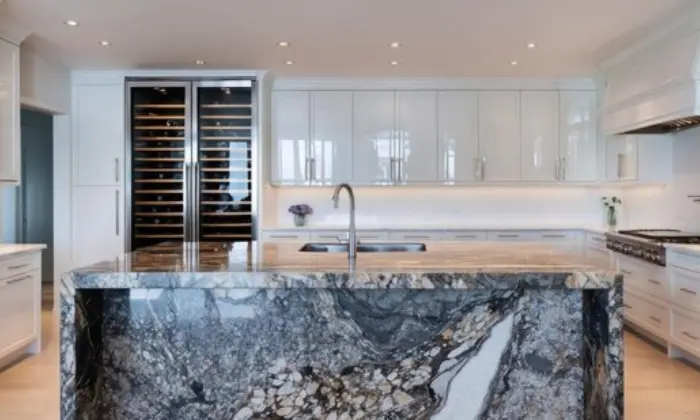
Top 10 Luxurious and Most Expensive Marble in the World Home Most expensive marbles is a term that captures the essence of luxury and exclusivity in interior design and architecture. These precious stones are renowned not only for their aesthetic appeal but also their rarity and the intricate processes involved in extracting them. For centuries, marble has been a symbol of opulence, and the most expensive varieties are sought after by those who desire the finest materials for their projects. From ancient palaces to modern mansions, the most expensive marble has been used to create breathtaking sculptures, floors, and countertops that stand the test of time. Its natural beauty, unique veining, and vibrant colors make it a prized possession for collectors, designers, and homeowners alike. We’ll explore the top 10 most expensive and luxurious marbles in the world, showcasing their unmatched elegance and worth. Contact Now Top 10 Most Expensive Marble Here Are the Top 10 Most Expensive and Luxurious Types of Marble in the World: Rank Marble Type 1 Onion Skin Mica Marble 2 Nero Portoro 3 Carrara White Marble 4 Greek White Thassos Marble 5 Green Marble 6 Fantasy Brown Marble 7 Rainforest Green Marble 8 Banswara White Marble 9 Katni Green Marble 10 Rainforest Brown Marble 1. Onion Skin Mica Marble Onion Skin Mica Marble is one of the rarest and most luxurious marbles in the world, prized for its unique texture and captivating appearance. This stunning marble features delicate layers that resemble the thin, translucent skin of an onion, giving it an almost ethereal quality. The marble’s intricate veining, combined with the shimmering mica particles embedded within, creates a truly one-of-a-kind visual effect, making it a favored choice for high-end interiors and bespoke projects. With its exceptional beauty and rarity, Onion Skin Mica Marble is often used for creating statement pieces in luxury homes, commercial spaces, and even sculptures. Its ability to reflect light and change its appearance from different angles adds to its allure. This marble’s exclusive nature and stunning aesthetic make it one of the most coveted materials in the world, bringing sophistication and elegance to any space it graces. 2. Nero Portoro Nero Portoro is often regarded as one of the most prestigious and striking marbles in the world, renowned for its bold contrast of deep black and vibrant gold veins. This luxurious marble, primarily sourced from Italy, has been a symbol of opulence for centuries, often seen in high-profile architectural projects and luxury interiors. Its rich, dramatic hues make it a perfect choice for creating sophisticated accents, from countertops to wall panels, adding an air of timeless elegance to any space. As one of the most expensive marble, Nero Portoro’s rarity and unmatched beauty make it a true statement piece in any design. The intricate gold veining is not only visually striking but also unique to each slab, ensuring that no two pieces are the same. Whether used in classical or modern settings, Nero Portoro brings an unmatched level of luxury and refinement, making it a highly coveted material among architects, designers, and collectors alike. 3. Carrara White Marble Carrara White Marble is a timeless classic that has defined elegance and luxury for centuries. Originating from the Carrara region in Italy, this pristine white marble is known for its smooth, pure appearance and subtle gray veins. Its ability to complement both contemporary and traditional designs makes it a favorite choice for upscale interiors, from grand foyers to sophisticated bathrooms, exuding an aura of refined simplicity. As one of the most expensive marble, Carrara White Marble is highly prized for its versatility and enduring beauty. Whether used in sculptures, flooring, or countertops, its pristine surface and elegant veining elevate any space. Its historic significance, coupled with its unmatched aesthetic appeal, ensures that Carrara White remains a top choice for those seeking luxurious, high-quality materials. 4. Greek White Thassos Marble Greek White Thassos Marble is renowned for its dazzling, snow-white surface and unparalleled purity, making it a symbol of timeless elegance. Quarried from the island of Thassos in Greece, this marble reflects light beautifully, creating a luminous and airy ambiance in any space. Its crystalline structure and flawless finish make it a top choice for luxury interiors, from opulent flooring to sleek countertops. What sets Thassos Marble apart is its ability to complement modern minimalism while staying true to its classical roots. It pairs seamlessly with bold accents, adding a touch of sophistication to kitchens, bathrooms, and statement walls. If you’re seeking a material that radiates both simplicity and luxury, Greek White Thassos Marble is a perfect choice. 5. Green Marble Green Marble exudes a natural charm with its deep emerald tones and striking veining, creating a bold yet elegant statement. This exquisite stone is often used in high-end projects, from grand staircases to luxurious tabletops, adding a touch of earthy sophistication to interiors. Its durability and timeless appeal make it a favorite among architects and designers alike. Counted among the Most Expensive Marbles, Green Marble is perfect for those who seek exclusivity and opulence in their spaces. Its unique patterns, reminiscent of lush forests, lend a sense of tranquility and grandeur, transforming any setting into a work of art. 6. Fantasy Brown Marble Fantasy Brown Marble is a breathtaking natural stone that blends soft browns, creams, and grays in mesmerizing, flowing patterns. Its unique color palette and versatility make it a favorite for luxurious countertops and accent walls, offering both durability and timeless beauty. Perfect for modern and traditional spaces alike, it delivers an effortlessly elegant touch. Often compared to Taj Mahal Quartzite for its luxurious appeal, Fantasy Brown Marble stands among the Most Expensive Marbles for its rarity and stunning aesthetics. Its unique veining adds character to any room, making it an ideal choice for homeowners seeking sophistication with a natural twist. 7. Rainforest Green Marble Rainforest Green Marble is a masterpiece of nature, showcasing intricate patterns that resemble dense jungle foliage. Its rich green base, accented with striking brown and

Top 10 Luxurious and Most Expensive Marble in the World Read More »

Green Marble Countertops

Everything You Need to Know About Green Marble Countertops

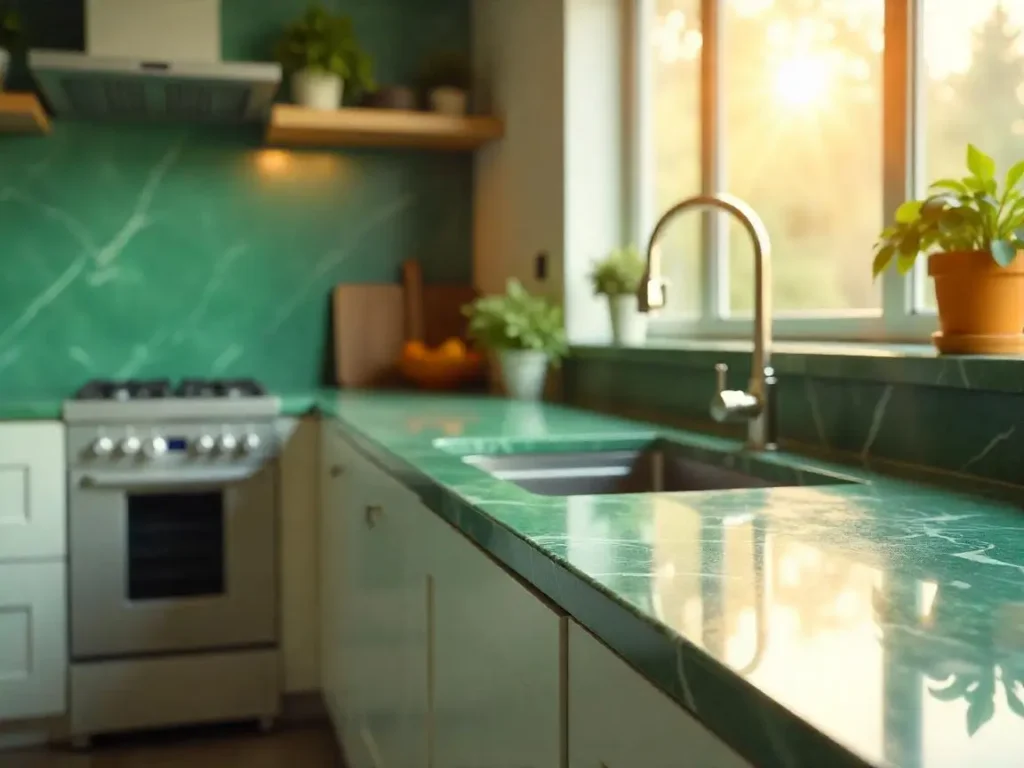
Everything You Need to Know About Green Marble Countertops Home Green marble countertops are making a powerful comeback in modern interior design. This natural stone’s vibrant shades, from mint to dark green, add a touch of nature, elegance, and luxury to any room. Whether you’re designing a sophisticated green marble kitchen countertop or installing bathroom vanities with green marble, the unique look of this stone can transform your space into a stylish, contemporary haven. Below, we’ll dive deep into why green marble are so popular, the types of green marble available, their advantages and disadvantages, and how to care for them to maintain their beauty for years. Why Choose Green Marble for Your Countertops? Green marble countertops offer a unique blend of aesthetics and functionality, making them an ideal choice for kitchens and bathrooms. With a variety of rich green tones, from soft mint to bold emerald, they create a natural, luxurious appeal that complements many design styles. While softer than granite, these marble is durable enough for daily use and provides a heat-resistant surface ideal for kitchens. Additionally, it’s an eco-friendly option as marble is a natural stone with a lower environmental impact compared to synthetic materials, giving you a sustainable and stylish choice for your home. Best Green Marble For Your Countertops There are several varieties of green marble, each offering unique patterns, textures, and colors. Here’s an overview of some popular choices: Mint Green Marble Mint green marble brings a light, refreshing green tone that suits modern and minimalist spaces beautifully. Its soft color complements various design elements without overpowering them, making it perfect for bathrooms or vanities where a gentle touch is desired. With its cool, subtle hue, mint green marble offers a fresh, calming look that pairs well with natural or neutral surroundings. This versatile marble option adds elegance and an airy quality, enhancing spaces with a sophisticated yet approachable feel. Dark Green Marble Countertops Dark green marble countertops bring a refined, luxurious touch to any space. With their deep, rich tones, they create a bold and dramatic look, ideal for enhancing kitchens, bathrooms, or accent areas. This marble’s natural elegance adds depth and sophistication, making it a popular choice for homeowners looking to elevate their decor. Whether used on a kitchen island or bathroom vanity, dark green marble blends well with various styles and colors, providing a timeless appeal that can stand out or complement other design elements beautifully. Light Green Marble Countertops Light green marble countertops bring a soothing, natural elegance to interiors, especially in bathrooms and showers. Their soft hue pairs beautifully with white or light-colored cabinetry, creating a fresh and airy ambiance. Light green marble’s subtle, muted color provides a unique aesthetic that balances tranquility with sophistication, enhancing any room with a touch of natural charm. Perfect for backsplashes and accent walls, this stone harmonizes well with other marble types, adding visual interest without overpowering the space. This versatile stone elevates modern and classic decor alike, making it a stylish choice for serene, inviting spaces. Galaxy Jade Marble Galaxy Jade marble features a deep green base with captivating flecks of white and gold, making it a stunning choice for countertops that stand out. Its luxurious appearance adds sophistication to any space, whether used for an accent wall or as a countertop centerpiece. The rich color and distinctive pattern of Galaxy Jade bring a touch of nature indoors, creating an elegant, timeless look. Perfect for those looking to make a bold statement, this marble variety pairs well with both traditional and modern designs, adding warmth and texture to kitchens, bathrooms, or entryways. Forest Green Marble Forest Green Marble, also known as Guatemala Green Marble, is known for its rich, forest-green color and distinctive, tree-like veining patterns. Its natural beauty makes it a popular choice for kitchens and bathrooms, where it brings a unique, earthy ambiance. The dense, vibrant green hue and organic veining give this marble a standout, nature-inspired look that adds elegance and warmth to interiors. Its versatility allows it to complement various design styles, making it a favorite for creating sophisticated, natural spaces. Empress Green Marble Empress Green marble is a striking stone known for its rich green color, accentuated by bold, dark veining that creates a luxurious, natural pattern. This marble is perfect for adding elegance to kitchens and bathrooms, making it a top choice for countertops and vanities. Its unique, artistic look instantly elevates any space, bringing sophistication and a hint of nature indoors. Empress Green is a favorite for those seeking a refined, upscale style with a bold, beautiful character that makes a statement in home interiors. Rainforest Green Marble Rainforest Green Marble is a unique, exotic marble featuring rich green tones interwoven with brown and cream veins, resembling the intricate patterns of tree branches. Known for its striking appearance, it brings natural elegance to any setting. The marble’s vibrant colors and organic vein patterns make it perfect for bold interior designs, adding character and depth when used on countertops, accent walls, or even as flooring. Its natural aesthetic pairs well with both contemporary and rustic styles, making it a popular choice for those looking to create a dramatic, nature-inspired focal point in their spaces. Advantages of Green Marble Countertops Using green marble countertops offers numerous benefits. Here’s what you can expect: Aesthetic Appeal Green marble countertops are renowned for their natural beauty and elegance, making them a stunning addition to any space. The rich green hues and unique veining patterns create a captivating focal point, enhancing the overall aesthetic of kitchens and bathrooms alike. This luxurious stone not only adds a touch of sophistication but also complements various design styles, from contemporary to traditional. With their striking appearance, green marble countertops can transform ordinary spaces into visually stunning environments, making them a popular choice for homeowners seeking both functionality and style in their interior design. Durability Green marble, while softer than granite, is known for its durability and ability to endure everyday wear and tear

Everything You Need to Know About Green Marble Countertops Read More »

Italian carrara marble tiles

Best Italian Carrara Marble Tiles For Your Home Interior Design

Home Italian Carrara Marble Tiles are known for their elegant, timeless beauty, adding a classic touch to any home. These white tiles with subtle gray veining have become popular in modern kitchens, bathrooms, and living spaces, offering both style and durability for a refined look. Carrara marble’s natural beauty makes it a favorite for creating sophisticated interiors. Its light tones brighten up spaces, while the unique veining adds character. Easy to match with various styles, Carrara marble is perfect for both traditional and modern home designs. Why Choose Italian Carrara Marble Tiles? Italian Carrara marble tiles have become popular with many homeowners. Here’s why: Made in Italy Italian Carrara marble is known for its quality and craftsmanship. Since it’s made in Italy, where marble has been used for centuries, you can trust that you’re getting an authentic and premium product. Italy is famous for producing some of the best marble in the world! Affordable Pricing Carrara marble is surprisingly affordable compared to other types of marble. Even though it’s a high-quality stone, the price of Italian Carrara marble tiles is reasonable, making it a great option for many people who want to add a luxurious touch to their home without breaking the bank. Environmentally Friendly Italian Carrara marble is a natural stone, meaning it doesn’t harm the environment when it’s quarried. Mining and crafting the tiles has less environmental impact than producing man-made materials like plastic or ceramic tiles. So, if you care about the environment, Carrara marble is a great choice. Durability Carrara marble is not only beautiful but also strong. It’s a tough material that can withstand daily use, which makes it perfect for floors, walls, and countertops. With proper care, it can last for decades! Unique Look Each piece of Carrara marble is unique. The white and grey veins running through the stone create a one-of-a-kind pattern on every tile. This means your home will have a personal, exclusive touch that no one else can copy. Italian Carrara Marble Tiles Price: What to Expect? When shopping for Carrara tiles, you’ll notice that prices can vary quite a bit. Several factors influence how much you’ll pay for these beautiful tiles.  Let’s break it down in simple terms. Italian Carrara Marble Tiles for Bathrooms Italian Carrara marble tiles are perfect for creating a luxurious, spa-like atmosphere in your bathroom. Their elegant veining and timeless beauty add a touch of sophistication and calm. Bianco Carrara Italian marble tile is especially popular for its classic white appearance and soft gray veins, making it ideal for a serene bathroom environment. You can use Carrara marble tiles in several ways. For flooring, they offer a sleek, polished look that feels cool underfoot. Wall tiles in Carrara marble create a stunning backdrop, enhancing the overall ambiance with their natural beauty. Vanity tops made of Carrara marble not only look stylish but also provide a durable surface that’s easy to clean. Overall, the Italian Carrara Marble Tiles Bathroom brings a touch of luxury and elegance to any bathroom space. Italian Carrara Marble Tiles for Kitchens In modern kitchens, Italian Carrara marble tiles make a statement with their elegant appearance and versatility. Bianco Carrara Italian marble tile is a popular choice for countertops, where its durability and easy maintenance make it both practical and stylish. The distinctive veining and high-quality finish of Carrara marble add a touch of sophistication to any kitchen. Backsplashes featuring Carrara marble tiles offer a classic look that complements various kitchen styles, from contemporary to traditional. Flooring made of Carrara marble provides a sleek, high-end finish that’s both durable and easy to maintain. Italian Carrara Marble Tiles Kitchen effortlessly combines beauty and functionality, making them a top choice for upgrading your kitchen space. How Much Italian Carrara Marble Tiles Cost? Italian Carrara marble tile prices vary based on factors like size, quality, and installation. Larger tiles generally cost more, while smaller ones are more affordable. Higher-quality marble with fewer imperfections also comes at a premium. Additionally, professional installation adds to the overall cost. Size and Quality Impact on Price Tile size plays a big role in pricing. For example, a 12×12 inch tile might cost around $7-$10 per square foot, while larger tiles could reach $15 or more. Quality also matters—premium-grade tiles with cleaner white backgrounds and even veining are more expensive than lower-quality options. Installation Costs Don’t forget installation costs, which can range from $8 to $15 per square foot. Complex patterns or designs may increase labor costs further. Skilled installation is essential to ensure the tiles are laid correctly, as mistakes can ruin the final look and add to repair costs. Price Comparisons of Different Types Bianco Carrara Italian marble tile, the most popular type, typically costs $7 to $15 per square foot. Meanwhile, porcelain tiles that mimic Carrara marble are cheaper, ranging from $3 to $8 per square foot. Though they look similar, Carrara marble porcelain tiles aren’t as durable or luxurious as real marble. Italian Carrara Marble Tiles Elevate Your Lowell Home Italian Carrara Marble Tiles bring timeless elegance to any space with their distinctive white background and soft gray veining, reflecting centuries of Italian craftsmanship. Their natural durability and resistance make them ideal for both residential and commercial floors, ensuring lasting beauty under everyday use. Whether laid in a modern kitchen backsplash or a serene bathroom, these tiles softly reflect light to brighten rooms and elevate interior design schemes. By choosing SF Marble & Granite Inc. for Marble Floor Installation in Lowell, you partner with experts who guarantee precision templating, seamless fitting, and a flawless honed finish. Enjoy effortless maintenance simply seal periodically and clean with gentle, pH‑neutral products to preserve the stone’s natural glow for decades. Conclusion Italian Carrara marble tiles elevate your home’s interior with timeless elegance. The classic white and grey veining complements both traditional and modern designs, making them perfect for kitchens, bathrooms, and living areas. Experience unmatched beauty and durability in every tile. Choosing SF Marble Granite provides access to top-quality

Best Italian Carrara Marble Tiles For Your Home Interior Design Read More »

Calacatta Marble

Calacatta Marble in Interior Design: Timeless Elegance for Every Room

Home Calacatta Marble in Interior Design: Timeless Elegance for Every Room Calacatta marble is renowned for its striking beauty and has long been a symbol of luxury and sophistication in interior design. Originating from the Carrara region of Italy, this exquisite stone is often confused with Carrara marble, but it is distinct in its appearance and rarity. Its features bold, dramatic veining with a crisp white background, making it one of the most sought-after marbles in the world. What is Calacatta Marble? Calacatta Marble is a highly sought-after natural stone known for its luxurious appearance and distinctive veining. It originates from the Carrara region in Tuscany, Italy, the same area where the more common Carrara Marble is found. However, it is distinguished by its bold, dramatic veining patterns and a whiter background compared to the grayer tones of Carrara Marble. Where is Calacatta Marble From? Calacatta marble is renowned for its striking beauty and has long been a symbol of luxury and sophistication in interior design. Originating from the Carrara region of Italy, this exquisite stone is often confused with Carrara marble, but it is distinct in its appearance and rarity. It features bold, dramatic veining with a crisp white background, making it one of the most sought-after marbles in the world. What are the Types of Calacatta Marble? It comes in several distinct varieties, each with its unique veining, color patterns, and overall aesthetic. Here are some of the most popular types: Calacatta Gold Marble Calacatta Borghini Marble Calacatta Viola Marble Calacatta Oro Marble Calacatta Michelangelo Marble Calacatta Crema Marble Calacatta Vagli Marble What is Like Calacatta Gold but Not Marble? If you’re looking for materials that resemble Calacatta Gold Marble but aren’t marble, several alternatives offer similar aesthetics with different properties. These materials can provide the luxurious look of Calacatta Gold while offering benefits like lower maintenance or increased durability. Here are some options: Quartz Porcelain Sintered Stone (e.g., Neolith or Dekton) Solid Surface (e.g., Corian) Laminate Is Carrara Marble Expensive than Calacatta Marble? No, Carrara marble is generally less expensive than Calacatta marble. While both types of marble come from the same region in Italy, it is rarer and has more dramatic, bold veining, which makes it more desirable and costly. Carrara marble, on the other hand, is more common and has softer, more subtle veining, often with a bluish or grayish hue. The rarity and distinctive appearance of it contribute to its higher price compared to Carrara marble. Why Choose SF Marble Granite for Calacatta Marble? Choosing SF Marble Granite for your Marble needs ensures that you receive top-quality materials, exceptional service, and expert guidance throughout your project. Here are some compelling reasons to choose SF Marble Granite: Premium Selection Expertise and Knowledge Exceptional Customer Service Competitive Pricing Comprehensive Services Calacatta Marble Elegance for Your Lowell Home Bring the timeless beauty of Calacatta Marble indoors with our expert marble floor installation services. Known for its crisp white background and bold, dramatic veining, Calacatta Marble instantly elevates any room whether you’re refreshing a classic living room or creating a spa-like bathroom retreat. At SF Marble & Granite Inc., our skilled installers handle every step from precise templating and cutting to flawless grouting and sealing so you can enjoy a stunning, durable floor without the stress. Ready to transform your space? Discover how our Marble Floor Installation in Lowell can bring lasting elegance and value to your home. Contact us today. FAQs What makes Calacatta Marble different from Carrara Marble?Calacatta Marble has a brighter white background and thicker, more dramatic veins, while Carrara tends toward softer gray tones and subtler veining. How durable is Calacatta Marble as flooring?With proper sealing and maintenance, Calacatta Marble floors resist stains and wear, making them suitable for both high-traffic areas and elegant living spaces. How long does marble floor installation take?A typical Calacatta Marble floor installation in a standard room takes 3–5 days, including subfloor preparation, cutting, setting, and curing time. Do marble floors require special upkeep?Yes, regular cleaning with a pH-neutral cleaner and periodic resealing (every 1–2 years) keep your marble looking pristine.

Calacatta Marble in Interior Design: Timeless Elegance for Every Room Read More »

marble epoxy floor

Marble Epoxy Floor: Look, Benefits, and Cost Guide

Home If you’re considering upgrading your flooring, epoxy floor offers an exceptional blend of elegance and durability. This guide will walk you through everything you need to know, from the aesthetics and benefits to cost considerations and installation processes. Whether you’re a homeowner looking to elevate your interior design or a business owner seeking a durable flooring solution, a marble epoxy floor might be the perfect choice for you. The Look of a Marble Epoxy Floor They are known for their stunning, luxurious appearance. They replicate the elegant and timeless beauty of natural marble while offering the durability and versatility of epoxy. This unique combination makes marble epoxy flooring a popular choice for those looking to enhance their interior spaces with a high-end look. Achieving the Marble Look The marble look in epoxy floors is achieved by mixing epoxy resin with metallic pigments and other additives. These components create a swirling, marbled effect that mimics the natural veining and color variations found in real marble. The result is a glossy, seamless finish that can transform any room into a sophisticated and stylish space. Design Options One of the key advantages of marble epoxy floors is the wide range of design options available. You can choose from various color schemes, from classic white and black marble looks to more unique and vibrant hues. The use of metallic pigments can add depth and dimension to the floor, creating a truly unique and eye-catching effect. Whether you prefer a subtle, understated look or a bold, dramatic statement, marble look epoxy floors can be customized to match your aesthetic preferences. This flexibility makes them suitable for a variety of settings, including homes, offices, retail spaces, and more. The Benefits of a Marble Epoxy Floor They offer a range of benefits that make them an attractive choice for both residential and commercial spaces. Here are some key advantages: Aesthetic Appeal It provides the luxurious look of natural marble at a fraction of the cost. The high-gloss finish and customizable designs allow you to create a sophisticated and stylish atmosphere in any room. Whether you prefer a classic white marble effect or a bold, modern design, marble epoxy floors can enhance the visual appeal of your space. Durability Epoxy is a highly durable material that can withstand heavy foot traffic, making it ideal for high-use areas like kitchens, bathrooms, and commercial spaces. It is resistant to scratches, cracks, and stains, ensuring that your floor maintains its beauty over time. Easy Maintenance They are non-porous, meaning they do not absorb spills or stains. This makes them incredibly easy to clean and maintain. A simple mop or wipe with a damp cloth is usually sufficient to keep the floor looking pristine, making it a practical choice for busy households and businesses. Cost-Effectiveness Compared to natural marble, epoxy flooring with marble is a more affordable option. They provide the same elegant look without the high cost associated with real marble. Additionally, their durability and low maintenance requirements can save you money in the long run. Versatility Marble epoxy floors can be installed over existing concrete floors, making them a versatile option for various settings. They are suitable for residential homes, commercial buildings, garages, basements, and more. The seamless application and wide range of design options allow for customization to suit any space. The Cost of a Marble Epoxy Floor The cost of installing a marble epoxy floor can vary widely depending on several factors. Understanding these cost components can help you budget effectively for your project. Here’s a breakdown of the main factors influencing the cost: Material Costs The quality and type of epoxy resin, pigments, and additives used in creating the marble effect significantly impact the cost. High-quality materials, including premium epoxy and specialized pigments for unique designs, tend to be more expensive. Additionally, the cost can vary depending on whether you purchase a complete epoxy floor kit or individual components. Labor Costs Labor costs can vary based on the complexity of the design, the condition of the existing floor, and the experience level of the contractor. Professional installation is recommended for the best results, especially if you’re looking for a specific marble effect or intricate design. Hiring skilled professionals ensures proper preparation, application, and finishing, which can affect both the durability and appearance of the floor. Area Size The size of the area to be covered plays a significant role in determining the overall cost. Larger spaces require more materials and labor, increasing the total expense. Costs are typically calculated per square foot, so measuring the area accurately is crucial for obtaining a precise estimate. Additional Features and Coatings If you opt for additional features such as a metallic finish, anti-slip additives, or multiple top coats for extra durability and shine, these can add to the overall cost. These enhancements can improve the floor’s functionality and longevity but come at an extra cost. Preparation Work The condition of the existing floor can also influence the cost. If the surface requires extensive preparation, such as cleaning, repairing cracks, or leveling, these tasks can add to the labor costs. Proper preparation is essential for ensuring that the epoxy adheres well and provides a long-lasting finish. Marble Epoxy Floor Coatings Marble epoxy floor coatings are essential for achieving the desired aesthetic and durability in your flooring project. These coatings consist of multiple layers, each serving a specific purpose to enhance the appearance, protect the surface, and increase the longevity of the floor. Here’s a detailed overview of the different types of coatings used in white and black marble epoxy floors: Epoxy Primer The epoxy primer is the foundational layer applied directly to the prepared concrete surface. Its primary function is to create a strong bond between the concrete and the subsequent layers of epoxy. This ensures that the flooring system adheres properly and prevents issues like peeling or bubbling. The primer also helps seal the concrete, reducing the risk of moisture and air pockets, which can compromise the finish.

Marble Epoxy Floor: Look, Benefits, and Cost Guide Read More »

what is engineered marble

What is Engineered Marble? Master Trends for Modern Homes

Home Engineered marble is a composite material made from crushed natural stone mixed with resin. It undergoes a process of pressing, heating, and bonding. Unlike natural stone, it has low porosity, making it more resistant to moisture and mildew. So, what is engineered marble and how its different from cultured marble is explained by experts in this Guide. If you have any query, visit SF Marble Granite for expert installation. What is Engineered Marble? Engineered marble is a man-made material that closely mimics the look of natural marble. It is made by mixing crushed natural marble with resin and pigments. This mixture is then poured into molds and subjected to heat and pressure, creating a highly durable and non-porous surface. This process not only preserves the beauty of natural marble but also enhances its strength and consistency. What is Natural Marble? Natural marble is a type of metamorphic rock that forms when limestone is exposed to high pressure and temperature over thousands of years. This natural process creates a beautiful stone characterized by unique veining and a wide range of colors. Each piece of natural marble is distinct, making it a popular choice for those seeking a one-of-a-kind look. However, natural marble is porous and can be prone to staining and scratching if not properly sealed and maintained. Engineered Marble Vanity Top Marble vanity tops are a popular choice for bathrooms due to their elegant appearance and practical benefits. These surfaces offer a luxurious look, closely resembling natural marble, while being more durable and easier to maintain. The non-porous surface of marble makes vanity tops resistant to stains and moisture, making them ideal for maintaining hygiene in bathroom environments. Engineered Marble vs Cultured Marble While engineered marble and cultured marble are often used interchangeably, they are not the same. Both materials are man-made, combining natural stone with resins, but they differ in composition and appearance: Engineered Marble Typically made from crushed natural marble mixed with resin, offering a more natural stone-like appearance. Cultured Marble Often consists of marble dust mixed with polyester resin, resulting in a more uniform and glossy finish. Engineered stone tends to offer a closer resemblance to natural stone, while cultured marble is known for its affordability and ease of maintenance. Engineered Marble vs Quartz When comparing marble stones and white quartz, both materials have their unique advantages: Appearance It closely mimics the look of natural marble, while quartz offers a wider variety of colors and patterns. Durability Quartz is typically harder and more resistant to scratches and heat compared to engineered stone. Maintenance Both materials are low-maintenance and non-porous, but quartz may offer slightly better resistance to stains and damage. Choosing between engineered and quartz depends on your specific needs and aesthetic preferences. What is Engineered Marble Vs Natural Marble Engineered Marble is a man-made product composed of crushed natural marble mixed with resin. This combination is pressed, heated, and molded into various shapes and sizes. It offers several advantages, including consistency in appearance, durability against stains and moisture, ease of maintenance, and cost-effectiveness. Engineered marble can be customized to different styles and is often used in high-traffic areas and outdoor settings. Natural Marble, on the other hand, is a naturally occurring stone formed through geological processes. It is prized for its unique veining and patterns, which make each slab distinct. While natural marble is highly valued for its aesthetic appeal and luxury, it is more porous, making it susceptible to stains and scratches. It generally requires more maintenance and is more expensive than engineered marble. When choosing between engineered marble and natural marb, it’s important to consider their distinct advantages. Engineered marble offers a uniform appearance with consistent color and pattern, making it a practical choice for those seeking less maintenance and better stain and moisture resistance. What are the Benefits of Engineered Marble? It offers numerous advantages that make it a popular choice for both residential and commercial applications: Durability The combination of natural stone and resin creates a hard, durable surface that is resistant to scratches and stains. Non-Porous Surface It is non-porous, making it resistant to moisture and preventing the growth of mold and mildew. This feature is particularly beneficial in bathrooms and kitchens. Versatility It comes in many colors and finishes, allowing it to be customized to match any design style, from classic to modern. Eco-Friendly The use of recycled natural stone reduces the environmental impact associated with quarrying new materials. Low Maintenance It is easy to clean and maintain, requiring only regular wiping with mild soap and water. What are the Applications of engineered marble? Engineered marble is a versatile material used in various applications, including flooring, door jambs, tabletops, wall cladding, and window sills. Its high wear resistance and weight-bearing capacity make it suitable for high-traffic areas. Engineered marble’s weather resilience and excellent heat absorption also make it ideal for roofs and balconies. It is easy to install and maintain, available in both glazed and matte finishes, and has a non-skid surface. Additionally, engineered marble is well-suited for outdoor spaces such as garages, parking areas, and porches due to its strength and longevity. For interior design, engineered marble offers a polished, aesthetic look at a more affordable price compared to natural marble, which requires more maintenance and is costlier. SF Marble Granite provides a range of engineered stone products, combining the best qualities of natural marble with practical benefits for home renovation. How to install Engineered Marble? Preparation Begin by preparing the installation surface to ensure a smooth and secure application. The surface should be clean, dry, and level. Remove any existing flooring and address any cracks or uneven areas in the subfloor. This foundational step is crucial for a successful marble installation. Measurement and Layout Accurate measurement of the installation area is essential. Measure the space precisely and plan the layout of the marble to minimize cuts and ensure symmetry. Dry-lay the pieces to visualize the final arrangement and make any necessary adjustments before cutting. Cutting Using

What is Engineered Marble? Master Trends for Modern Homes Read More »

How to cut vinyl flooring

How to Cut Vinyl Flooring for Any DIY Project

Home How to Cut Vinyl Flooring for Any DIY Project To achieve perfect vinyl flooring cuts every time. Simply measure and mark your plank, score deeply with a sharp utility knife, then snap along the line or for thicker luxury planks, guide a fine-tooth circular saw against a straightedge for a clean finish. Installing vinyl flooring is a simple yet impactful DIY project, whether you’re covering an entire room or adding a backsplash in your kitchen, and these cutting techniques make it feel like a breeze. Located in Lowell, SF Marble Granite is your go-to flooring supplier in Northern California, with vinyl and natural stone options. How to Cut Vinyl Plank Flooring? Among the most popular vinyl flooring options, plank styles mimic the look of hardwood visually while providing waterproof durability. When installing plank flooring, carefully measure and mark each plank to length using a utility knife. Score deeply along the line then gently snap or break off excess material. For tight fits around fixtures, using a jigsaw simplifies intricate cuts. How to Cut Vinyl Plank Flooring Lengthwise? Some installations, especially during granite countertop repair, require planks sliced lengthwise to fit narrow areas. Measure and score planks as usual, then place pieces on a clean, flat surface protected by adhesive film. Gradually fold the plank at the score line, snapping or cutting through until fully separated. Precisely how to cut vinyl flooring edges ensures a seamless fit. Let me know if you’d like it adjusted for a different tone or context. How to Cut Thick Vinyl Plank Flooring Thicker “luxury” vinyl planks requiring more force to cut can alternatively be scored on all sides using a circular saw configured with a sharp 60-tooth fine plywood blade. Carefully follow score lines to break or snap planks for perfect cuts where fingers may lack strength. Always cut over a straightedge guide for straight results. How to Cut Vinyl Wood Plank Flooring? Simulating wood grain, vinyl wood-look planks add warmth to spaces. Score heavily on the décor side using a utility knife along marked cut lines. Fold backward gradually at the score until the plank snaps cleanly. For tight cuts, first score the core then cut the aesthetic top layer afterward for an attractive finished edge. How to Cut Vinyl Tile Flooring? As smaller modular pieces, vinyl tiles call for repeated cutting. Score tile edges using a serrated utility knife repeatedly for a clean break. For intricate cuts near walls, a ceramic or metal cutting blade invested tile cutter simplifies precise results efficiently. Cut tiles over-size then trim imperfections after laying for flawless installations. How to Cut Vinyl Flooring Without a Saw? When saws prove unavailable, it’s still possible to cut vinyl flooring by hand. Score material lines firmly using a sharp utility knife then carefully fold and snap pieces over the edge of a straight board or wall. For tight bends, gradually fold smaller sections at a time. Patience ensures precise cuts regardless of tools. How to Cut Vinyl Flooring with Circular Saw? Vinyl flooring of any thickness can be easily cut cleanly and straightly with a circular saw fitted with a fine-tooth plywood blade. As a visual aid, securely clamp a straightedge cutting guide next to the planks. Apply light downward pressure as you slowly move the saw base along the guide. For cuts that are effortless, let the blade do the work. For safety, always cut over a drop cloth. Which Direction to Install Vinyl Plank Flooring? Installing vinyl plank flooring parallel to the longest wall or primary light source will yield the best results. By doing this, awkwardly short pieces at wall junctures are avoided and visual flow is established. Before completing the cuts and adhesion, measure the installation area, add trim around the walls, and arrange the planks directionally. Common Mistakes When Installing Vinyl Plank Flooring? Errors installing vinyl plank flooring often stem from poor planning or measurement. Ensure subfloors are clean, dry and properly leveled first. Measure the room precisely, avoiding partial pieces by starting in corners. Also cut planks oversized initially to allow trimming imperfections later. Lastly, leave 1⁄4″ expansion gaps and use transition moldings between rooms to allow natural expansion and contraction. How Thick is Vinyl Plank Flooring? Rigid core vinyl plank flooring thickness ranges typically from 5-12mm (“thick” or “ultra thick” categories), though some designer options exceed this. Standard thicknesses include 6-7mm and 8-10mm for water-resistant durability. Thinner planks often lack stability over time while ultra-thick options provide luxury cushioning underfoot yet prove less flexible for tight spaces. Measure project needs first. How to Repair Vinyl Plank Flooring? Minor damage to vinyl plank flooring like cuts or gouges can often be skillfully repaired. For planks with surface cuts, apply wood filler and sand smooth for an invisible fix. Larger pieces may require precise cutting and re-adhering replacements. With larger gouges, patch partially using epoxy or filler, topped by new replacement planks for stability. Always test repair methods inconspicuously first. Installing Vinyl Plank Flooring? Laying vinyl plank flooring installation requires proper preparation and technique. First, ensure a dry, smooth subfloor by installing needed underlayment. Also measure and lay out the room’s plank arrangement. Then apply thin-set adhesive in serpentine strips using a 1⁄4″ square-notched trowel. Lock planks together by angling then pressing gently into place. Use spacers along walls, allowing 1⁄4″ expansion gaps. How to Install Vinyl Flooring? While the most White plank installation resembles wood flooring, solid vinyl sheet and tile materials necessitate a unique approach. First, unroll and allow material to relax in the room for 24 hours. Then measure and draw installation lines for centering patterns lengthwise. Next, apply adhesive using a 1⁄16″ notch trowel in neat rows. Finally, embed cutting vinyl plank flooring lengths while pressing out air bubbles firmly into the adhesive over the subfloor. Cut Vinyl Flooring with Confidence When you learn to cut vinyl flooring cleanly and accurately, you can transform a DIY project from stressful to satisfying and if you’re ready to take your floors to

How to Cut Vinyl Flooring for Any DIY Project Read More »

Marble floor design

11 Marble Floor Designs Ideas That will Transform Your Home

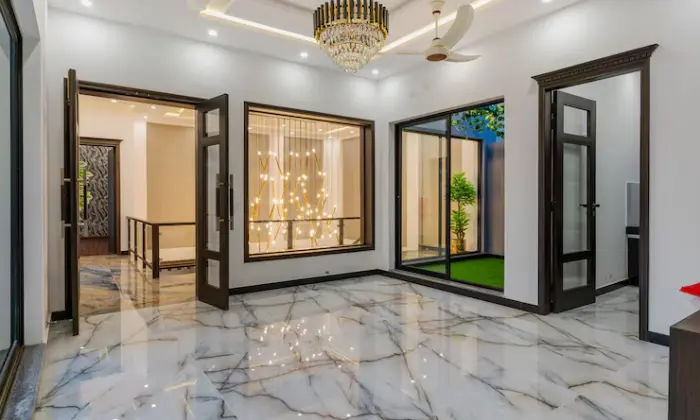
Home 11 Marble Floor Designs Ideas That will Transform Your Home Marble flooring is a timeless and elegant choice that can elevate the aesthetic appeal of any home. Known for its luxurious appearance and durability, marble floor design offers a wide range of options to suit various tastes and interior styles. In this comprehensive guide, we’ll explore 11 stunning marble floor designs that can transform your home interiors. Whether you’re looking for classic white marble flooring, bold black and white patterns, or something in between, you’ll find plenty of inspiration here. At SF Marble And Granite Inc, we specialize in creating stunning floor marble designs that elevate any interior. With years of expertise and a commitment to quality, we help you select the perfect marble for your space. Our personalized service ensures that your vision is brought to life with exquisite craftsmanship and attention to detail. Discover the elegance of marble flooring with SF Marble And Granite Inc. and transform your home with Marble floor installation today. Classic White Marble Flooring Design White marble flooring is a favorite among homeowners for its pristine and sophisticated look. It creates a bright and spacious feel, making it an ideal choice for smaller rooms or areas that need a touch of elegance. One of the most popular types of white marble flooring is Carrara marble, known for its soft gray veining and timeless appeal. Another excellent option is Calacatta marble, which features bolder and more dramatic veining patterns. White marble floors can complement any interior design style, from traditional to modern. They are particularly effective in kitchens, bathrooms, and entryways, where their reflective surface can enhance natural light and create a welcoming atmosphere. To maintain their beauty, regular cleaning and sealing are essential to prevent staining and etching. Benefits of White Marble Flooring Design Brightens Spaces The light color reflects natural light, making rooms appear larger and more open. Versatile Complements a wide range of interior design styles. Luxurious Appeal Adds a touch of elegance and sophistication to any space. Geometric Patterns of Marble Floors For those who want to make a bold statement, geometric patterns in the latest marble flooring designs can create a striking visual impact. Geometric patterns can range from simple, repetitive shapes to intricate, custom designs that turn your floor into a piece of art. These patterns are perfect for modern and contemporary interiors, adding a sense of dynamism and creativity. Popular Geometric Patterns Herringbone This classic pattern involves laying rectangular marble tiles in a zigzag pattern, creating a visually appealing and dynamic floor design. Chevron Similar to herringbone but with a more angular look, chevron patterns add a touch of modern elegance. Hexagon Hexagonal marble tiles can create a unique and eye-catching pattern that works well in kitchens and bathrooms. Latest Geometric marble floor designs can be used in various areas of the home, including living rooms, dining rooms, and hallways. They are particularly effective in spaces where you want to draw attention to the flooring as a focal point. Benefits of Geometric Patterns Visual Interest Creates a dynamic and engaging look. Customization Allows for unique and personalized floor designs. Modern Appeal Perfect for contemporary and modern interior designs. Black and White Marble Floor Design Black and white marble floor designs are a classic choice that never goes out of style. The contrasting colors create a bold and sophisticated look that can enhance any room’s decor. This combination works particularly well in large format tiles, where the dramatic effect can be fully appreciated. Popular Black and White Marble Designs Checkerboard A classic pattern that alternates black and white marble tiles, creating a timeless and elegant look. Bordered Design Black marble tiles with a white marble border, or vice versa, add a refined touch to any space. Inlaid Patterns Custom designs that incorporate both black and white marble to create intricate and beautiful patterns. Black and white marble floor designs are versatile and can be used in various areas, including kitchens, bathrooms, and entryways. They are also an excellent choice for creating a focal point in a living room or dining area. Benefits of Black and White Marble Floor designs Timeless Elegance of Marble Floors Black and White in Color A classic and sophisticated look that never goes out of style. Versatility of black and white marble floor tiles Complements a wide range of interior design styles. Dramatic Impact of white floor marble tiles Creates a bold and visually striking floor design. Marble Floor Tile Designs with Natural Stone Inlays Adding natural stone inlays to your latest marble floor design can create a unique and luxurious look. Inlays can be made from various types of natural stones, such as granite, onyx, or travertine, and can be used to create intricate patterns or borders. This design is perfect for those who want to add a touch of artistry and craftsmanship to their flooring. Popular Inlay Designs Floral Patterns Delicate floral designs created with natural stone inlays add a touch of elegance and beauty. Mosaics Intricate mosaic patterns that incorporate various types of natural stones for a stunning visual effect. Borders Stone inlays used to create decorative borders around the edges of the room or in specific areas. Marble floor tile designs with natural stone inlays are ideal for entryways, living rooms, and dining areas, where they can serve as a focal point and conversation starter. Benefits of Natural Stone Inlays Unique Design Creates a one-of-a-kind floor design that reflects your personal style. Luxurious Appeal Adds a touch of elegance and sophistication to any space. Craftsmanship Showcases the artistry and skill involved in creating the inlays. Large Format Marble Tiles Installed in Floors Large format marble tiles are a popular choice for creating a seamless and contemporary look. These tiles are typically larger than standard tiles, which means fewer grout lines and a more continuous appearance. This design is perfect for modern and minimalist interiors, where clean lines and simplicity are key. Popular Large Format Marble Tiles Rectangular Tiles Large

11 Marble Floor Designs Ideas That will Transform Your Home Read More »

Scroll to Top