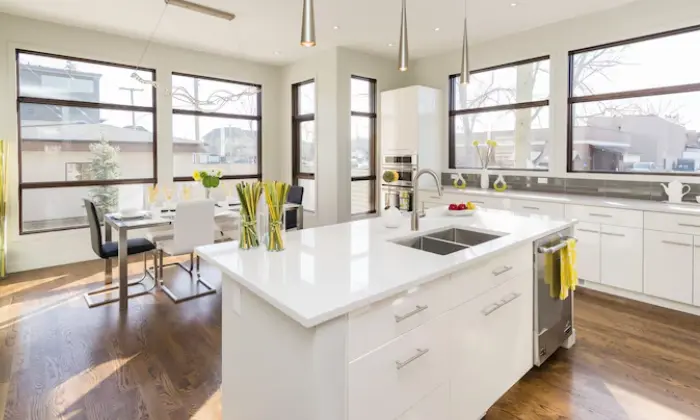
Best Quartz Countertops with White Cabinets for Your Kitchen
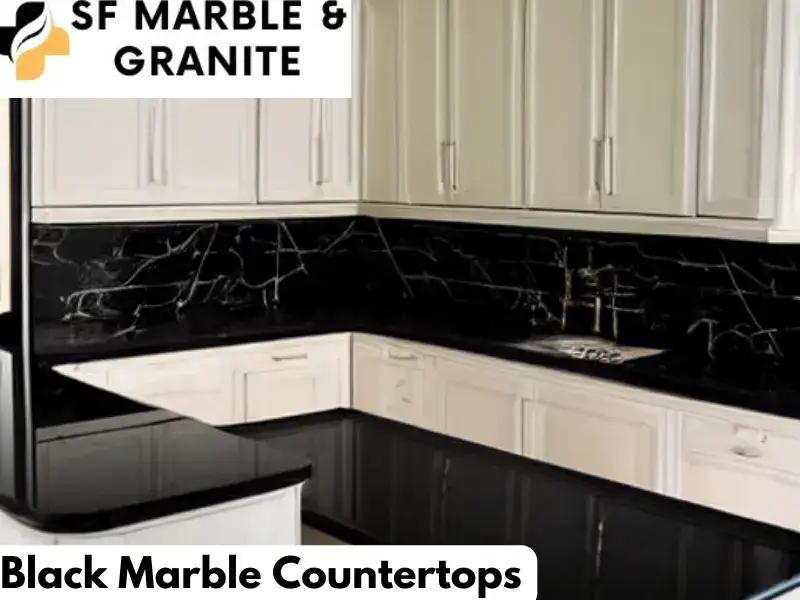
Home If you’re looking to upgrade your kitchen, choosing the right quartz countertops with white cabinets can make all the difference. White cabinets are a popular choice because they brighten up the space and match almost any countertop color or style. When paired with quartz countertops, they create a clean, modern, and elegant look. Quartz countertops are not only beautiful but also durable and easy to maintain. They can come in various colors and patterns that complement white cabinets perfectly. To help you make the best choice, we’ve gathered some top recommendations for quartz countertops that will enhance the beauty of your white cabinets. Most Popular Quartz Countertops with White Cabinets When you have white cabinets in your kitchen, choosing the right quartz countertop can enhance the look. Whether you want a bold contrast or a soft match, there are great options available. Here’s a list to help you find the perfect quartz countertops for white cabinets: White Quartz Countertops with White Cabinets Are you aiming for the cleanest, brightest kitchen design? Pairing white quartz countertops with white cabinets is a timeless and classic choice. This combination not only makes your kitchen feel fresh and open but also gives you a blank canvas to add personal touches like colorful backsplashes, bold appliances, or unique décor. If you’re looking for more than just plain white, there are plenty of white quartz options with subtle patterns, like veining or speckles, that can create a marble-like appearance. These small details can give your kitchen a more stylish and modern edge without losing the clean, cohesive look that white on white offers. Here are some of the best white quartz options that pair perfectly with white cabinets: Arctic White Quartz Countertops Arctic White quartz is ideal for those who want the cleanest, sleekest look in their kitchen. This quartz has a bright white tone that works perfectly with white cabinets, creating a seamless and minimalist design. Argento White Quartz Countertops For those looking for a bit more texture, Argento White quartz is a great choice. It has delicate veining that gives a marble-like effect, adding an elegant touch to your kitchen. This quartz not only looks beautiful with white cabinets but also works wonderfully as a waterfall countertop or even a backsplash. Pairing white quartz countertops with white cabinets gives you a kitchen that’s both modern and timeless, offering endless design possibilities to make the space your own. Gray Quartz Countertops with White Cabinets If you’re looking for a versatile and stylish kitchen design, pairing grey quartz countertops with white cabinets is a great option. This combination creates a modern, clean, and sophisticated look that can suit a variety of styles. Whether you prefer a rustic, contemporary, or classic kitchen. Grey quartz countertops offer a neutral backdrop that complements white cabinets beautifully. They allow you to easily incorporate other design elements like colorful backsplashes, unique lighting, or bold appliances without overwhelming the space. Light gray quartz, in particular, creates a soft and subtle contrast with white cabinets, while darker shades offer a bolder, more dramatic effect. Here are two popular gray quartz options that work exceptionally well with white cabinets: Amarcord Quartz Countertops Amarcord quartz features beautiful gray tones with striking veining that adds depth and character to your kitchen. Paired with white cabinets, it creates a stunning focal point. This quartz is also a fantastic choice for waterfall island countertops or even backsplashes, adding a modern touch to your kitchen. Babylon Gray Quartz Countertops If you want more contrast, Babylon Gray Quartz is perfect for you. Its deeper gray color gives a striking look when combined with minimalist white cabinets. The natural pattern of Babylon Gray adds sophistication, making it an excellent choice for a bold yet elegant kitchen design. Whether you’re going for a light and airy feel or a dramatic contrast, grey quartz countertops with white cabinets provide a flexible, stylish foundation for your dream kitchen. Black Quartz Countertops with White Cabinets If you’re looking to create a bold, high-contrast kitchen design, pairing black quartz countertops with white cabinets is an excellent choice. This combination gives your kitchen a sleek and modern look, offering a perfect balance between light and dark. The stark contrast between the black quartz and white cabinets brings elegance and style to any kitchen space. There are several types of black quartz to choose from, including pure black quartz or black quartz with striking white veins. Whether you prefer a solid matte finish or a more textured look, black quartz kitchen countertops with white cabinets can easily elevate the design of your kitchen. Here are two popular black quartz options that work beautifully with white cabinets: Blackpool Matte Quartz Countertops For a smooth and ultra-modern look, the Blackpool Matte quartz countertop offers a deep black finish that contrasts perfectly with white cabinets. The matte surface creates a clean, minimalist feel, making your kitchen look both sophisticated and striking. Ellesmere Quartz Countertops If you want a black quartz countertop with a bit more texture, Ellesmere Quartz is a fantastic option. It features a stunning blend of black quartz with white marbling, adding depth and visual interest. This countertop paired with white cabinets creates a timeless and eye-catching look that will make your kitchen stand out. Whether you’re aiming for a sleek modern vibe or a more textured, classic look, black quartz kitchen countertops with white cabinets offer a beautiful and stylish option for your kitchen White Quartz Countertops with Brown Cabinets Pairing white quartz countertops with brown cabinets is a fantastic way to create a warm, balanced kitchen that feels both bright and cozy. The crisp white quartz helps lighten the deep, rich tones of brown cabinets, creating a visually appealing contrast that enhances the overall design of your space. This combination brings out the natural warmth of brown wood or darker cabinets while maintaining an airy, open feel in the kitchen. White quartz is not only beautiful but also durable and low-maintenance, making it a great
Best Quartz Countertops with White Cabinets for Your Kitchen Read More »