Granite can be cut, but it isn’t a material to treat like plywood or laminate. A wrong measurement, poor support, dull blade, or rushed cut can chip the surface or crack the slab. Cutting Granite Countertops works best when the stone is measured carefully, fully supported, and cut with a diamond blade made for hard stone.
If you’re thinking about making a sink opening, trimming a slab, or changing an existing countertop, there’s a safer way to approach the job. This guide explains what you need before the first cut, which tools work, how sink openings are made, what changes after installation, and when hiring a stone fabricator is the smarter choice.
What to Know Before You Start Cutting Granite Countertops

Granite is one of the hardest natural stones used in home construction, sitting around 6 to 7 on the Mohs scale. That hardness is great for durability but tough on tools. A standard wood-cutting blade won’t touch it. You need a diamond blade, and you need water running over the cut to keep the blade cool and the dust down.
Speaking of dust, this is the part most first-timers underestimate. Dry-cutting granite releases fine silica particles into the air, and breathing that in over time is linked to silicosis, a serious lung condition. Wet cutting keeps the dust bound to water instead of floating around your garage. A respirator rated for fine particulates, safety glasses, and hearing protection aren’t optional extras here. They’re the baseline.
You should also read our blog on: How to install granite countertops
How to Cut Granite Countertop?
The process itself isn’t complicated once you understand the sequence. It’s slow, deliberate work, not something you rush through on a Saturday afternoon between other chores. Every pass of the blade should be shallow and controlled, and rushing any single step is usually where things go wrong.
- Measure twice. Mark your cut line with a pencil, then run painter’s tape along it. The tape gives the blade a cleaner edge to follow and cuts down on chipping. Double-check the measurement against the actual space the piece needs to fit, not just the original template.
- Support the slab fully. Granite doesn’t bend, and unsupported sections can snap under their own weight once you cut through. Sawhorses spaced evenly under both sides of the cut line work better than a single flat table.
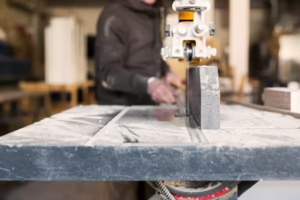
- Start with a shallow score. Let the diamond blade cut a light groove first instead of pushing straight through. This groove guides the rest of the cut and keeps the blade from wandering off the line.
- Deepen the cut in passes. Keep water flowing the entire time and let the blade do the work rather than forcing it. Two or three passes at increasing depth beat one aggressive pass, both for control and for blade life.
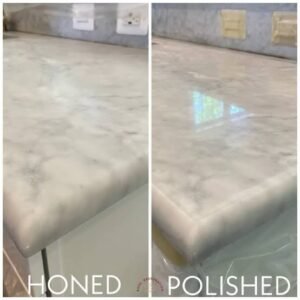
- Smooth the edge. A polishing pad brings the cut edge back to a finish that matches the rest of the countertop. Work through progressively finer grits rather than jumping straight to a high polish.
How do I Cut a Granite Countertop with Right Cutting Blade?
Attach a diamond granite cutting saw blade to your cutting tool. A diamond saw blade is specifically designed for cutting hard materials like granite. If you’re using an angle grinder or a circular saw, ensure that the blade is appropriate for the tool.
Start Cutting
Begin cutting along the marked lines with slow, steady movements. If you’re using a wet saw or sharp cutting blade for granite, keep the blade wet to reduce dust and keep the blade cool. For dry cutting, use a vacuum attachment to capture dust. Patience is key; rushing the process can result in uneven edges or damage to the granite.
Can You Cut Granite at Home?
Yes, you can cut granite at home using standard power tools like a circular saw or angle grinder fitted with a specialized diamond blade. However, it requires a well-ventilated outdoor setup, strict dust control measures, and proper support structures to prevent slab breakage.
Doing this task yourself saves on professional stonework fees, but it requires patience and preparation. Natural stone creates large amounts of fine dust during dry cuts. Setting up your workstation outdoors in an open space like a driveway or back patio keeps stone dust from settling inside your living space.
Work surface stability is essential. Never overhang unsupported granite by more than a few inches while cutting. Set up sawhorses topped with thick plywood or 2×4 framing to support the full weight of the slab. Clamp the main slab tightly to the frame while keeping the waste piece supported so it doesn’t fall and crack during the final inches of the pass.
Changing a Sink in Granite Countertops
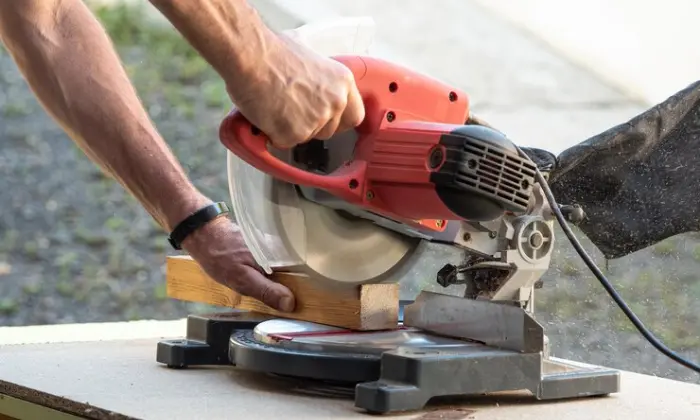
Changing a sink in granite countertops involves measuring the new sink’s cutout dimensions, tracing a template onto painter’s tape, drilling corner pilot holes with a diamond core bit, and expanding the opening using an angle grinder.
Drop-in sinks are easier to refit than undermount options because the outer lip hides small imperfections along the cut edge. When fitting a larger sink into an existing stone opening, lay painter’s tape around the entire perimeter of the old cutout. Place the manufacturer’s cardboard template over the opening, align it centered with your plumbing lines, and trace the inner perimeter onto the tape.
Never make sharp 90-degree square cuts directly into internal stone corners. Sharp inside corners create stress points that cause granite to crack over time. Instead, use a 1/2-inch or 1-inch diamond core drill bit to bore pilot holes at every inside corner of your traced pattern.
Can You Cut Granite Countertops After They Are Installed?
Yes, granite countertops can be cut after installation, and it’s a common approach for sink swaps or adding a cooktop opening. It’s more difficult than cutting a slab on a bench, since there’s less room to work and no way to flip the piece for a cleaner angle.
In-place cutting still requires a wet saw or grinder, plus careful containment for water and dust since you’re working inside a finished kitchen. Countertops, cabinets, and floors nearby need covering before you start. For anything beyond a minor trim or an existing cutout adjustment, this is one of those jobs where bringing in someone who does it weekly saves both time and stone.
Working around plumbing and cabinetry adds another layer of caution. Shutting off water lines, disconnecting the sink, and protecting the cabinet interior from dust and water runoff are all part of the job before the blade ever touches the stone. Skip that prep and you’re looking at water damage inside the cabinet on top of whatever the granite cut needed in the first place.
Can I Change My Granite Countertops?
Changing granite countertops involves removing the existing countertops and installing new ones. Here are the steps involved:
Remove the Old Countertops
Start by disconnecting any plumbing and removing the sink. Use a pry bar to carefully lift the granite slabs from the cabinets. Be cautious to avoid damaging the cabinets or the surrounding area.
Prepare for New Installation
Clean the cabinets and ensure they are level. Measure and cut the new granite slabs to fit the countertop space. Follow the steps outlined in the “How to Cut a Granite Countertop” section for precise cuts.
Install the New Countertops
Place the new granite slabs on the cabinets and secure them with adhesive. Reconnect the plumbing and install the sink. Seal the granite edges to prevent water damage.
Additional Tips for Cutting Granite Countertops
A few habits separate a clean cut from a costly mistake:
- Let the slab sit in the room where it’ll be cut for a day if temperatures vary, since sudden temperature shifts can stress the stone.
- Use a blade with a higher grit for a smoother finished edge, especially on visible cuts.
- Never force the blade. Let it move at its own pace through the stone.
- Check the slab for existing hairline cracks or heavy veining before you cut. Veins are natural weak points.
- Practice on a scrap piece first if this is your first time handling a diamond blade.
- Keep the water flow steady and constant. A dry patch, even for a few seconds, can overheat the blade and the stone.
Can you Cut Granite? With These Common Issues
Uneven Cuts
If your cuts are uneven, it could be due to an unstable workspace or moving too quickly. Ensure your granite slab is securely clamped and cut slowly with steady pressure.
Chipped Edges
Chipped cutting edge granite can occur if the blade is dull or if you cut too aggressively. Use a high-quality diamond blade and make slow, steady cuts. After cutting, smooth the edges with polishing pads to achieve a clean finish.
Dust Control
Granite cutting generates a significant amount of dust, while using saw. Use wet cutting techniques to minimize dust or a vacuum attachment to capture dust during dry cutting. Always work in a well-ventilated area and wear a dust mask.
Cutting Granite Countertops with Confidence
When it comes to Cutting Granite Countertops, having the right partner makes all the difference. At SF Marble & Granite Inc., we blend years of craftsmanship with precision tools to deliver flawless cuts every time. Whether you’re fitting a new sink opening or trimming edges to perfection. Our team handles every step with care, from marking and securing your slab to using diamond-tipped blades and wet-cutting machines that minimize dust and chipping. And because we’re your neighbors here in Lowell, you can count on prompt service, transparent pricing, and a finished product that stands up to daily use. Ready to transform your kitchen or bath? Schedule your Countertops Installation in Lowell appointment today and see why homeowners trust us for a seamless, stress-free experience.
Conclusion
Cutting granite countertops can be a rewarding DIY project with the right tools and knowledge. By following the expert tips and step-by-step guide provided in this article, you can achieve professional results and enjoy the beauty and durability of granite in your home. Whether you’re changing a sink, cutting granite at home, or considering replacing your countertops, these techniques will help you navigate the process with confidence and precision.
Located at 755 Dutton St. Lowell- 0185MA4, SF Marble Granite provides top quality engineered quartz, natural stone, installation services and fabrications for both residential and commercial projects. Contact us at 978-459-582 to discuss your vision and request a free in-home consultation. Our professional team can craft the perfect stone surfaces. Browse our showroom to see firsthand the beauty and durability of granite and other stone options.
FAQs
What is the best saw blade for cutting granite?
The best choice is a continuous-rim diamond blade rated specifically for hard stone. Continuous-rim blades provide smooth, chip-free cuts along exposed edges, whereas segmented blades cut faster but leave rougher edges.
Can I cut granite with a standard circular saw?
Yes, a standard 7-1/4 inch circular saw works well for straight cuts in granite. You must replace the standard wood-cutting blade with a diamond blade rated for stone masonry.
How do I stop my granite from chipping while cutting?
Apply two layers of painter’s tape over the cutline, make a shallow scoring pass first, and back-cut the exit edge. Avoid forcing the saw; let the weight of the tool guide the diamond blade smoothly through the material.
Is wet cutting better than dry cutting for stone?
Wet cutting is superior because water cools the blade, extends tool life, and eliminates airborne dust. Dry cutting is acceptable for small home modifications if you wear an N95 respirator and use dust extraction.