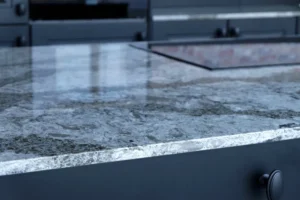

Granite countertops look their best when daily cleaning removes crumbs, spills, grease, and fingerprints before they build up. How to Clean Granite Countertops Daily is simpler than many homeowners expect: use a soft cloth, warm water, and a mild, stone-safe cleaner when needed.
A good routine protects the finish while keeping your kitchen ready for food preparation. S F Marble and Granite treats granite as a natural stone surface, not like a countertop that can handle every household chemical.
1. How to Clean Granite Countertops Daily: What Is the Best Routine?
Start with a simple routine that you can repeat after cooking or eating. Daily maintenance does not need harsh chemicals or complicated equipment.
- Remove crumbs and loose debris with a dry microfiber cloth.
- Spray a small amount of stone-safe cleaner on the surface, or use warm water with a mild detergent.
- Wipe the countertop with a clean, soft microfiber cloth.
- Rinse away cleaner residue with a damp cloth if needed.
- Dry the surface with a fresh microfiber cloth.
Drying matters because leftover cleaner or too much soap can leave a dull film or visible marks. For busy kitchens, a quick wipe after food preparation can prevent buildup from becoming harder to remove.
2. What Cleaner Should You Use on Granite Every Day?
The best daily cleaner for granite countertops is a neutral, stone-safe formula. A mild liquid dishwashing detergent and warm water can also work for routine cleaning.
Avoid choosing a product simply because it cuts grease well. Some strong household cleaners contain acids, abrasives, or ingredients that may affect natural stone or its protective treatment.
What should you look for?
- A cleaner labeled for natural stone or granite
- A non-abrasive formula
- No harsh acidic ingredients
- Instructions that match your countertop manufacturer’s guidance
Use only as much cleaner as the product instructions recommend. Too much soap can create a film, which may make a polished countertop look streaky.
3. How Do You Clean Granite Countertops Step by Step?
For regular daily cleaning, follow this four-step method.
Step 1: Clear the surface
Move appliances, dishes, and other items away from the area. Brush away crumbs and dry debris before using liquid.
Step 2: Apply the cleaner
Use a small amount of stone-safe cleaner. If you are using mild dish soap, dilute it properly instead of applying a large amount directly to the stone.
Step 3: Wipe gently
Use a soft microfiber cloth and wipe in overlapping passes. Do not use steel wool, rough scouring pads, or abrasive powders.
Step 4: Dry completely
Finish with a clean, dry microfiber cloth. Drying helps remove moisture and leftover residue, especially around the sink.
You May Also Read About How To Clean Marble Countertops?
4. How Can You Prevent Streaks on Granite Countertops?

Streaks often come from cleaner residue, excess soap, dirty cloths, or allowing the surface to air-dry with moisture left behind. If you are learning how to remove streaks from granite countertops, start by checking your cleaning method before reaching for a stronger product.
Use these simple fixes:
- Reduce the amount of cleaner you use.
- Use a clean microfiber cloth.
- Wipe the surface evenly instead of repeatedly rubbing one spot.
- Rinse with a clean, damp cloth when cleaner residue remains.
- Buff the countertop dry with another microfiber cloth.
Do not add more chemical cleaner just because the surface looks cloudy. Extra product can make the residue worse.
5. Can You Use Windex on Granite Countertops?
Can I use Windex on granite is a common question, but the answer depends on the specific product and your stone’s care instructions. Instead of assuming that a general glass cleaner is suitable, choose a cleaner labeled for natural stone or follow the recommendation from your countertop supplier.
Glass cleaners may contain ingredients that are not intended for every natural stone surface or finish. When you are unsure, check the product label and the care instructions provided for your granite.
For everyday cleaning, a simple stone-safe cleaner is the better choice because it is designed with the surface in mind.
6. How to Disinfect Granite Countertops Daily Safely?
Daily cleaning and disinfection are not always the same task. Routine cleaning removes food residue and dirt, while disinfection is used when you need to reduce microorganisms on the surface.
If you need to disinfect granite, use a product that is clearly labeled as suitable for natural stone and follow its directions. Check the required contact time, dilution, ventilation, and rinsing instructions.
When should you disinfect?
You may want to disinfect after:
- Handling raw meat or poultry
- Cleaning up a potentially contaminated spill
- Preparing food for someone with special sanitation needs
- A household illness, when appropriate
Do not mix cleaning chemicals. In particular, never combine bleach with ammonia-based products.
7. What Should You Avoid When Cleaning Granite?
Granite is durable, but durable does not mean chemical-proof. The safest routine is gentle and consistent.
| Cleaning practice | Why to avoid it |
|---|---|
| Abrasive powders | They can scratch some finishes |
| Rough scouring pads | They may dull or scratch the surface |
| Strong acidic cleaners | They may affect some stone minerals or treatments |
| Excessive soap | It can leave a cloudy film |
| Unknown chemicals | They may react with the stone or sealer |
| Dirty cloths | They can spread grease and residue |
Never use a product simply because it works well on glass, tile, or another surface. Granite has different care requirements.
8. How Often Should Granite Countertops Be Deep Cleaned?
Daily wiping handles normal food residue, but your countertop may need a more thorough cleaning when grease, dried spills, or buildup becomes visible.
A deeper cleaning can include:
- Clearing the countertop completely.
- Cleaning the entire surface with a suitable stone cleaner.
- Paying extra attention to edges, seams, and the area around the sink.
- Rinsing away residue when required.
- Drying the entire countertop.
Stains need a different approach from routine dirt. Identify what caused the stain before trying a stain-removal product. Oil, food, rust, ink, and hard-water deposits can require different treatments.
If a mark does not improve with normal cleaning, avoid aggressive scrubbing. A stone professional can help identify whether the problem is a stain, etching, buildup, or damage to the finish.
9. Does Granite Need Sealing for Easier Maintenance?
Sealing and cleaning are two different parts of countertop care. A sealer or impregnator can make some natural stone surfaces more resistant to staining, but it does not replace regular cleaning.
Whether your granite needs sealing depends on the stone, its finish, previous treatment, and the product manufacturer’s guidance. If you are unsure, ask your fabricator or stone-care professional to assess the surface.
Signs that you may need professional advice include:
- Liquid quickly darkens an area of the stone
- Stains keep returning after cleaning
- The finish looks uneven or dull
- You cannot identify the cause of a mark
- The countertop has scratches, chips, or etching
Proper care is easier when you know the type and condition of your stone.
10. How Does S F Marble and Granite Help With Granite Countertop Care?

Daily cleaning is part of protecting a granite countertop, but good care starts with choosing and installing the right stone for your space. S F Marble and Granite can help homeowners understand their countertop material, finish, and maintenance needs.
If you are planning a new countertop, replacement, or remodeling project, ask questions about cleaning and maintenance before choosing the material. Understanding these details can help you select a surface that fits your kitchen, cooking habits, and maintenance routine.
For existing countertops, professional guidance can also be useful when ordinary cleaning does not solve a problem. A stone professional can help distinguish between surface residue, stains, scratches, etching, and other issues that require a different solution.
Final Thoughts
A clean granite countertop does not require a complicated routine. Wipe away spills promptly, use gentle stone-safe products, avoid abrasive or unsuitable chemicals, and dry the surface after cleaning. These simple habits can help preserve the appearance of your countertop for years.
S F Marble and Granite can help you make informed choices about granite countertops, maintenance, and related stone projects. If you need guidance for a new installation, replacement, or countertop care issue, Contact us today.
Frequently Asked Questions
1. Can I clean granite countertops every day?
Yes. Daily cleaning with a soft cloth and a suitable stone-safe cleaner helps remove food residue, grease, and fingerprints.
2. What is the best cleaner for granite countertops?
A neutral, non-abrasive cleaner made for natural stone is a good everyday choice. Mild dish soap and warm water can also work.
3. Can I use paper towels on granite countertops?
Yes, but a soft microfiber cloth is usually better for daily cleaning because it is gentle and reusable.
4. How do I remove hard water marks from granite?
Start with a stone-safe cleaner and gentle wiping. Avoid acidic products unless your stone professional confirms they are suitable.
5. How often should granite countertops be sealed?
There is no single schedule for every granite surface. Follow the recommendations for your specific stone, existing treatment, and sealer.