
You bought marble because it’s beautiful, yet you are afraid to touch it. That’s a fair conclusion to draw. A little splash of lemon juice or a ring from a wine glass that you failed to wipe up and now you are staring at a dull patch wondering if you have destroyed an extremely costly block of stone.
The good news? Marble is not as delicate as it feels and how to clean marble countertops is a handful of basic habits, not a chemical degree. I’ll walk you through what to clean it with, how to handle stains and etch marks, and just how often you really need to seal it over the following few minutes. No fear tactics, just the simple facts.
Marble Countertop Cleaning
Marble countertop cleaning includes washing it regularly by wiping it down with a soft cloth and warm water with a pH neutral or mild dish soap and immediately drying. Avoid using anything acidic or abrasive. This simple practice, done consistently, will keep marble looking new for years without any professional help.
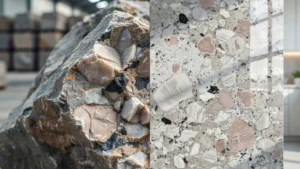
To learn how to clean marble counter tops, you have to know what you are dealing with first. Marble is a natural stone that is mainly made up of calcium carbonate. That’s the mineral makeup that gives marble its delicate veining and warm look, but that also interacts with acid. Lemon juice, vinegar, wine, even some tomato-based recipes will eat into the surface in seconds creating a dull mark called an etch.
This is where folks get stuck. Etching is not a stain. You can’t just rub it off like spilled coffee. It’s a chemical reaction that alters the texture of the surface. The fix for cleaning is different from the fix for etching. The number one reason people feel that marble is impossible to keep looking nice is that they confuse the two.
The good news is that frequent cleaning has nothing to do with preventing etching. You’re just wiping off dust, grease and food residue before they have a chance to sit and dry. Think about it like you think about washing your face. If you miss a day, nothing horrible will happen. If you skip it for a month, you have a problem.
What Do You Clean Marble Countertops With?
The safest tools for marble are warm water, a few drops of non-abrasive dish soap, a microfiber cloth, and a soft towel for drying. Skip anything labeled all-purpose, antibacterial, or citrus-scented. Those often contain acids or abrasives that dull the polish over time.
Here’s what belongs in your marble cleaning kit:
- Warm water
- A mild, pH-neutral or non-abrasive dish soap
- A microfiber cloth or soft dish rag
- A dry, absorbent towel
- A spray bottle (optional, for even application)
- A stone-safe sealer, reapplied a few times a year
And here’s what not to use on marble, full stop:
- Vinegar or lemon-based cleaners
- Bleach or ammonia-based products
- Abrasive powders or scouring pads
- Generic “all-purpose” sprays (many are acidic)
- Anything marketed for granite or tile without checking if it’s marble-safe
If you want a product built specifically for the job, look for cleaners labeled for natural stone or marble specifically. These are formulated to be pH-neutral, so they clean without triggering the acid reaction that causes etching. It’s a small detail, but it’s the difference between a countertop that lasts decades and one that shows wear within a year.
Step-by-Step: Daily Marble Cleaning Routine
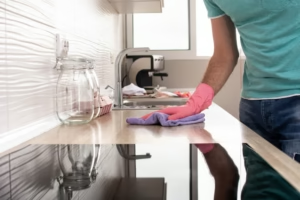
The daily marble cleaning routine takes less than two minutes. Wipe up spills right away, spray the counter with warm soapy water, wipe with a soft cloth, then dry it completely. Skipping the drying step is the most common mistake people make.
Here’s how I’d break down how to clean marble countertops on a normal day, step by step:
- Wipe up spills immediately. The longer liquid sits, especially anything acidic, the higher the chance of etching. This matters more than any product you use.
- Mix your solution. Fill a spray bottle with warm water and a small amount of non-abrasive dish soap. A tablespoon per bottle is plenty.
- Spray the surface. Cover the area lightly. You don’t need to soak it.
- Wipe with a soft cloth. A microfiber cloth or clean dish rag works well. Avoid anything textured or scratchy.
- Dry immediately. Standing water, even soapy water, can leave streaks or dull spots if left to air dry. Buff the surface with a dry towel until it’s fully clear.
That’s the whole routine. Marble countertop maintenance really is this straightforward when you catch spills early and stick to gentle products. The mistake most people make isn’t using the wrong soap. It’s letting things sit too long before wiping them up.
How to Clean Marble Countertop Stains
Marble stains are removed with a baking soda poultice, not a spray cleaner. Mix baking soda with water into a thick paste, spread it over the stain, cover it with plastic wrap, and let it sit for 24 hours. This draws the stain out from below the surface.
Stains are different from etch marks. A stain sits on top of or just below the surface and usually comes from oil, wine, coffee, or fruit juice that soaked in before it was wiped up. Regular soap and water won’t pull it out because the discoloration isn’t on the surface anymore. It’s underneath it.
Here’s how to remove stains from marble countertops using a poultice:
- Mix baking soda with a small amount of water until it forms a paste about the thickness of peanut butter.
- Spread the paste over the stain, about a quarter inch thick, extending slightly past the edges of the mark.
- Cover it with plastic wrap and tape down the edges so it doesn’t dry out too fast.
- Let it sit for 24 hours.
- Wipe away the paste with a damp cloth and buff the area dry.
- Repeat if the stain is still visible. Some stains take two or three rounds.
For oil-based stains, like cooking grease, a poultice made with baking soda and a few drops of ammonia-free dish soap works better than water alone. For organic stains, like coffee or fruit, hydrogen peroxide mixed into the paste can help lift the color. Either way, patience matters more than strength. A gentle method repeated a few times beats a harsh one used once.
How to Fix Marble Etching
Marble etching is fixed with a marble polishing powder, applied with a soft cloth or buffing pad in small circular motions. Light etches often disappear within a few minutes of buffing. Deeper etches may need professional polishing to restore the original shine.
Etching is the dull spot left behind after something acidic touched the surface. It’s not dirt, so scrubbing harder won’t help and can actually make it worse. What you need is a marble etching removal product, which is a fine abrasive powder designed to buff out the top microscopic layer of the stone until the shine returns.
To handle light etching at home:
- Dampen the etched area slightly.
- Sprinkle a small amount of marble polishing powder onto the spot.
- Using a soft cloth or buffing pad, rub in small circles with light, steady pressure.
- Wipe the area clean and check the shine. Repeat if needed.
- Buff dry with a clean towel.
This works well for light, surface-level etching, the kind left by a wine glass or splash of citrus. Deeper etches, the kind that leave a visible rough patch you can feel with your fingers, usually need a professional stone restoration service with diamond polishing pads. There’s no shame in calling someone for this. Marble restoration is a specific skill, and a botched DIY attempt can make a small problem bigger.
Marble Sealing: How Often Does It Actually Need It?
Marble needs to be re-sealed about once or twice a year on kitchen countertops while bathroom vanities that are used less often can be done less frequently. A fast water test will confirm: If water soaks in within a few minutes instead of beads up, it’s time to reseal.
Sealing will not prevent etching. This is a common confusion. What sealing does is to make the stone less porous and slow down staining so liquids sit on top longer and don’t seep straight in. First of all, spills need to be taken care of quickly, since marble is naturally a porous stone.
Pour a little amount of water over the counter and observe what occurs over five minutes to see if your marble needs sealing. If it beads up and sits on the surface then you are good. If the stone darkens or if it absorbs the liquid, then reseal. This takes roughly the same effort as putting a coat of car wax, and most sealers will just require a few minutes to cure before you can wipe away the excess.
Marble Countertop Maintenance Checklist
Marble countertop maintenance beyond daily cleaning involves a weekly deeper wipe-down, a monthly water test for sealing, and yearly resealing if needed. Following this schedule prevents most of the staining and dulling that people associate with marble being hard to maintain.
A simple schedule to follow:
- Daily: Wipe spills immediately, clean with warm water and mild soap, dry fully.
- Weekly: Do a more thorough wipe-down, including under small appliances and along the edges where crumbs and grease build up.
- Monthly: Run the water bead test to check if the sealer is still working.
- Yearly (or twice a year for busy kitchens): Reapply a stone sealer.
This isn’t a demanding schedule. It’s roughly the same amount of care you’d give any natural material in your home, like hardwood floors or leather furniture. The reputation marble has for being high-maintenance mostly comes from people skipping the basics, not from the stone itself being unreasonable.
Final Thoughts
At its core, how to clean marble countertops isn’t complicated once you separate the three things people usually lump together: daily cleaning, stain removal, and etch repair. Each has its own simple fix, and none of them require harsh chemicals or constant worry. Wipe up spills fast, stick to gentle soap and water, and check the seal a few times a year. That’s really the whole system.
If your marble has gotten past the point where home fixes are doing the job, or you’re weighing marble against another stone for a remodel, it helps to talk to someone who works with this material every day. SF Marble and Granite handles both restoration work and new installations, including Granite Countertop Installation in Lowell for homeowners deciding between stone options. Contact us if you’d like an honest read on whether your countertop needs a deep restoration or just a better cleaning habit.
FAQs
Can I use vinegar on marble?
No, vinegar should never be used on marble. It’s acidic, and even a diluted mix can etch the surface within seconds. Stick to warm water and a non-abrasive dish soap instead, which cleans just as well without any risk of damage.
This trips up a lot of people because vinegar is the go-to natural cleaner for almost everything else in the house. Marble is the exception. The same goes for lemon juice, citrus-based sprays, and most “green” cleaners that use citric acid as a base ingredient.
Is Dawn dish soap safe for marble?
Yes, Dawn dish soap is generally safe for marble when diluted with warm water. It’s a mild, non-abrasive option that cuts grease without introducing acid. Use a few drops per spray bottle rather than applying it directly to the stone.
Any gentle dish soap works the same way. The goal is a light, soapy solution, not a concentrated one. Too much soap can leave a filmy residue if it’s not rinsed and dried properly.
How often should you clean marble countertops?
Marble countertops should be wiped down daily, ideally after every use involving food or drink. Spills need immediate attention regardless of schedule. A deeper clean once a week catches anything missed during quick daily wipe-downs.
Kitchens see more traffic than bathroom vanities, so kitchen marble usually needs the daily habit more strictly. A bathroom counter with light use might only need a proper clean every few days, with spot-wiping in between.
Can etching be permanently fixed?
Light etching can be polished out at home using a marble polishing powder and a soft cloth. Deep etching usually requires professional refinishing with diamond polishing pads. Either way, etching is fixable. It’s rarely a permanent mark on the stone.
The depth of the etch determines the fix. A quick buff handles most everyday marks from citrus or wine. Anything you can feel with your fingernail as a rough patch is a job for a stone professional.
Does marble need to be sealed every year?
Most kitchen marble needs resealing once or twice a year, depending on how much the counter is used. A simple water test, watching whether water beads or soaks in, tells you exactly when it’s time rather than guessing on a fixed schedule.
Bathroom counters and less-used surfaces can often go longer between sealing without issue. The water test is more reliable than any calendar reminder because usage varies so much from home to home.