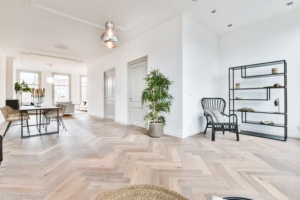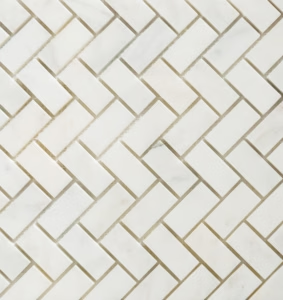
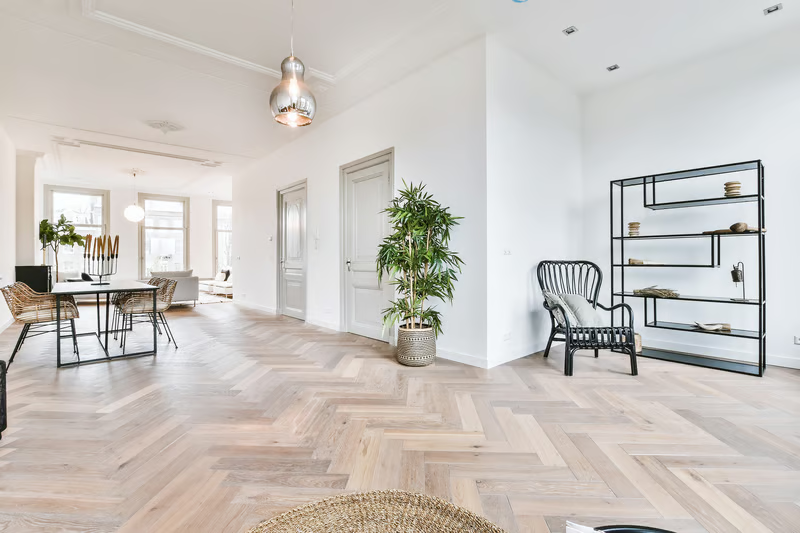
Herringbone flooring creates an attractive zigzag pattern by arranging rectangular floor pieces in alternating directions. However, its decorative appearance comes with a few disadvantages. The main disadvantages of herringbone flooring are higher installation costs, more complicated layout planning, additional cutting, and potentially greater material waste.
Herringbone is a flooring pattern, not a specific flooring material. It can be created with wood, porcelain, ceramic, marble, and other rectangular flooring products. Therefore, its durability and maintenance requirements depend largely on the material you choose.
Before selecting this pattern for your home, it is worth understanding its limitations, installation requirements, and long-term care needs.
What Are the Main Disadvantages of Herringbone Flooring?
Although herringbone flooring can make a room look more decorative, it may require more planning and labor than a simple straight-laid floor. Here are the main drawbacks to consider.
1. Higher Installation Costs
One of the biggest disadvantages of herringbone flooring is its installation cost. The pattern requires each rectangular piece to be positioned at a precise angle to create the repeating zigzag design.
Unlike a basic straight-lay layout, installers must carefully measure, align, and position the pieces. This can increase installation time and labor costs.
The final price depends on several factors, including:
-
The type and price of flooring material
-
The size and shape of the room
-
The complexity of the layout
-
The amount of cutting required
-
Local labor rates and installer experience
The flooring material itself is not automatically more expensive because it is arranged in a herringbone pattern. The additional cost often comes from the more detailed installation work.
2. More Complicated Installation
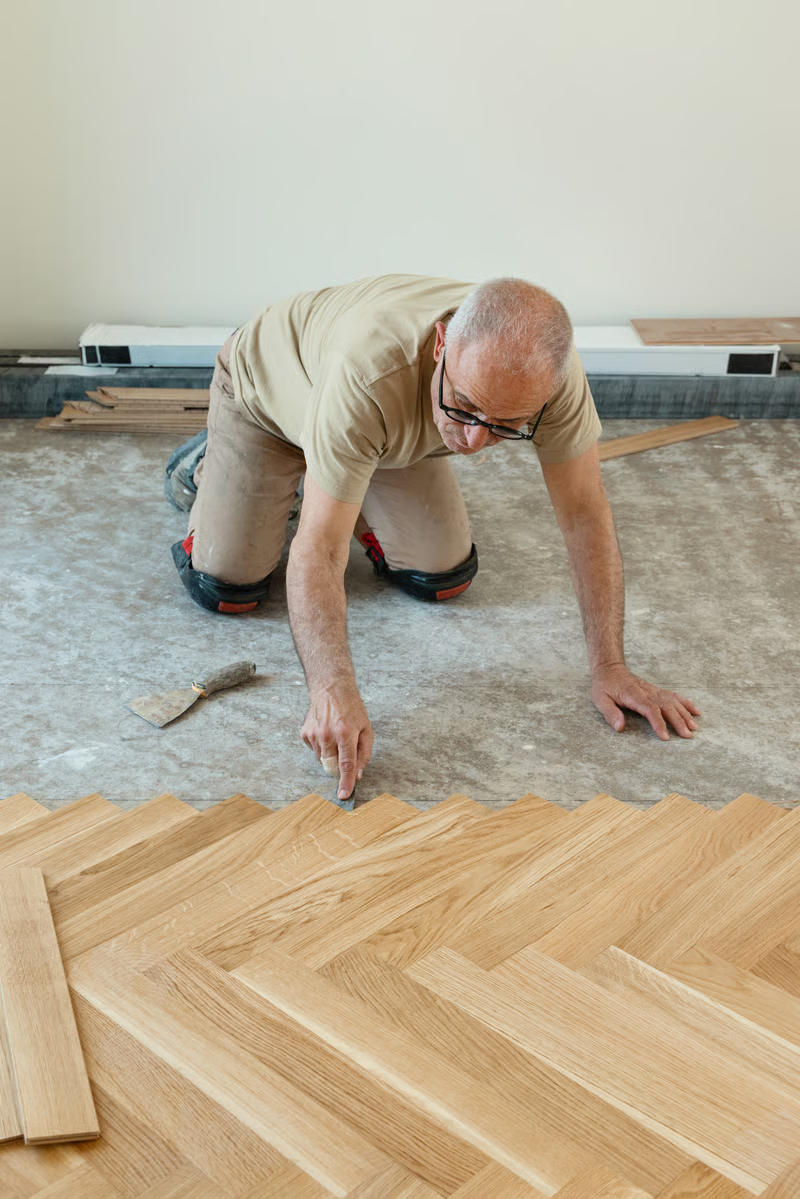
Herringbone flooring requires careful planning before installation begins. Even a small alignment error can affect the appearance of the repeating pattern.
The installer needs to establish accurate reference lines and check the position of each piece as the work progresses. This is especially important in large rooms or spaces with unusual shapes.
For this reason, herringbone may not be the easiest choice for beginners who plan to install flooring themselves.
3. More Cutting and Material Waste
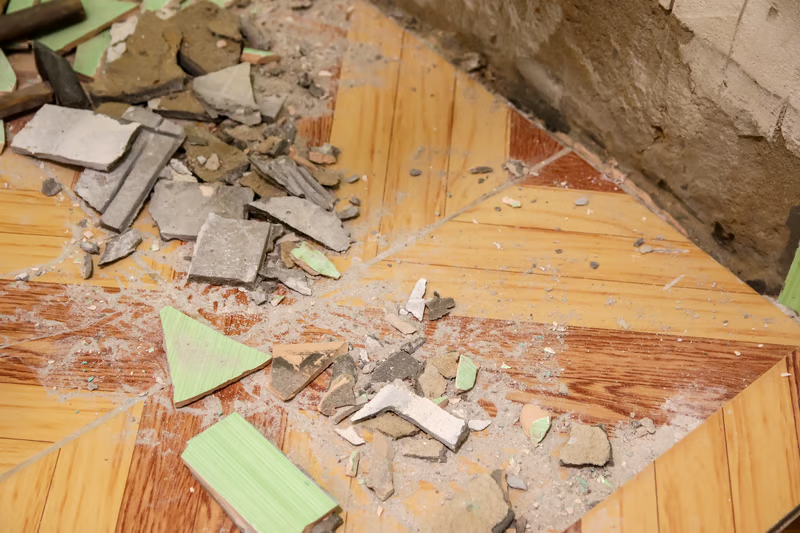
Another disadvantage is that herringbone layouts can require more cutting than straight flooring patterns.
Pieces near walls, corners, doorways, and other edges often need to be trimmed to fit the available space. These cuts can create leftover pieces that may not be reusable elsewhere in the layout.
The amount of waste depends on the room’s dimensions, flooring size, pattern direction, and layout planning. Measuring the room and preparing a suitable layout before installation can help reduce unnecessary waste.
4. Repairs Can Be More Difficult
Repairing damaged herringbone flooring may require more care than replacing a piece in a simple straight-laid pattern.
Because the pieces fit together in alternating directions, removing one damaged section without disturbing nearby pieces can be challenging. The repair method also depends on the flooring material and installation system.
For example, replacing a damaged tile may involve removing grout and carefully taking out the affected tile. Repairing glued or nailed wood flooring can require a different approach.
It is also important to have matching replacement pieces available. If the original flooring is discontinued, finding an exact match in color, size, texture, or finish may be difficult.
5. The Pattern May Not Suit Every Room
Herringbone is a noticeable pattern that naturally draws attention. While this can create an attractive floor, it may not suit every interior design.
In a small room, a large or visually busy pattern may make the floor feel crowded, depending on the tile or plank size, color, lighting, and surrounding decor.
The pattern can also compete with other strong design features, such as patterned walls, bold backsplashes, or heavily decorated furniture.
Choosing suitable flooring colors and piece sizes can help create a balanced appearance.
6. Installation Requires a Suitable Surface
A successful herringbone floor depends on proper surface preparation. The subfloor or existing base must meet the flooring manufacturer’s requirements for flatness, stability, cleanliness, and moisture conditions.
An uneven or unstable surface can cause installation problems. Depending on the flooring product, it may contribute to movement, uneven joints, or damage over time.
Before installation, the base should be inspected and prepared according to the product’s instructions. Tile installations also require appropriate setting materials and installation methods.
Is Herringbone Flooring Hard to Maintain?
Herringbone flooring is not necessarily harder to maintain than other flooring patterns. Its maintenance requirements depend more on the material, surface finish, grout, and installation quality than on the arrangement of the pieces.
For example, wood herringbone flooring needs care suitable for its wood species and finish. Tile or stone herringbone flooring may require regular cleaning of the surface and grout joints.
Here are some practical maintenance considerations:
-
Clean regularly: Sweep or vacuum to remove dust, dirt, and small particles that could scratch the surface.
-
Clean spills promptly: Follow the flooring manufacturer’s cleaning instructions, especially for wood and natural stone.
-
Use suitable cleaning products: Avoid harsh or unsuitable cleaners that could damage the finish, tile, stone, or grout.
-
Pay attention to grout: For tile installations, clean grout joints regularly and follow the manufacturer’s recommendations for sealing, if applicable.
-
Use protective pads: Place suitable pads under furniture legs to reduce scratches and surface damage.
The National Wood Flooring Association recommends routine dust removal and prompt spill cleanup for wood floors. It also advises against wet mops and steam mops because excess moisture can damage wood and its finish.
Pros and Cons of Herringbone Flooring
Herringbone flooring has both practical advantages and disadvantages. Comparing them can help you decide whether this layout is suitable for your space.
| Pros |
Cons |
|---|---|
| Creates a distinctive decorative pattern | Requires more detailed installation |
| Adds visual interest to a room | Can increase labor costs |
| Works with different flooring materials | Often requires additional cutting |
| Can suit traditional and modern interiors | Repairs may be more complicated |
| Offers several options for color and size | May not suit every room or design |
The right choice depends on your budget, preferred appearance, room dimensions, and the flooring material you plan to use.
How to Reduce the Disadvantages of Herringbone Flooring
You can avoid some common problems by planning the project carefully before installation.
Choose the Right Flooring Material
Consider how the room will be used before choosing wood, porcelain, ceramic, or natural stone. Think about moisture exposure, foot traffic, cleaning requirements, and the appearance you want.
Plan the Layout Before Installation
Measure the room and decide where the pattern should begin. A planned layout helps balance the cuts along walls and reduces the risk of ending up with narrow or uneven pieces at the edges.
The National Wood Flooring Association’s installation guidance recommends establishing reference lines and finding the true center of the herringbone pattern before laying the floor.
Prepare the Floor Surface
The surface underneath the flooring should meet the requirements of the selected product and installation method. For tile, the Tile Council of North America’s installation handbook covers substrate preparation, flatness requirements, grout joints, and workmanship standards.
If you are considering a marble tile floor, read our guide on How to Install Marble Tile on Concrete Floor to learn more about the preparation and installation considerations for this type of flooring.
Hire an Experienced Installer
A professional installer familiar with herringbone layouts can help with measurements, alignment, cuts, and material planning. Before hiring someone, ask about their experience with the specific flooring material and pattern you have selected.
Is Herringbone Flooring Worth It Despite Its Disadvantages?
Herringbone flooring can be worth considering if you like its distinctive appearance and are comfortable with the additional planning and installation work.
It may be a good option when:
-
You want a decorative floor that becomes a noticeable design feature.
-
Your budget allows for detailed installation.
-
You have chosen a flooring material suitable for the room.
-
You can work with an installer experienced in the pattern.
However, a straight-lay pattern may be more practical if your main priorities are lower installation costs, simpler installation, or a more understated floor design.
How S F Marble & Granite Relates to Flooring Projects
Choosing a flooring material and layout involves considering appearance, installation requirements, and long-term care. S F Marble & Granite shares information about marble, granite, tile, and flooring topics to help readers understand different materials and project considerations. Explore the linked marble tile installation guide to learn more about preparing a surface for a tile floor . Contact Us today for further information.
Conclusion
The main disadvantages of herringbone flooring are its more complicated installation, potentially higher labor costs, additional cutting, and more involved repairs. However, the pattern itself does not automatically make a floor difficult to maintain. Cleaning and maintenance depend mainly on the material and finish.
Before choosing herringbone flooring, compare the installation requirements, material costs, and maintenance needs with a simpler straight-lay design. This will help you select a floor that suits your home, budget, and lifestyle.
Frequently Asked Questions
1. Is herringbone flooring more expensive than regular flooring?
Herringbone flooring can cost more to install because it requires careful layout planning, precise positioning, and additional cutting. The material price may be similar to the same product installed in a straight pattern.
2. Does herringbone flooring make a room look smaller?
It can make a small room feel visually busy, depending on the pattern scale, colors, and surrounding design. Choosing suitable piece sizes and lighter colors may help create a more balanced appearance.
3. Is herringbone flooring suitable for small rooms?
Yes, herringbone flooring can work in small rooms. The result depends on the size of the flooring pieces, the direction of the pattern, and the room’s overall design.
4. Does herringbone flooring require more material?
It may require more material than a straight-lay layout because of the cuts needed around walls and corners. The actual amount of extra material depends on the room shape, piece dimensions, and layout.
5. Can damaged herringbone flooring be replaced?
Yes, damaged pieces can usually be replaced, but the process depends on the flooring material and installation method. Matching the original color, size, and finish can also be challenging.
6. Is herringbone flooring suitable for high-traffic areas?
It can be suitable for high-traffic areas when the selected flooring material is designed for that level of use and is installed correctly. Check the product’s durability and maintenance recommendations before choosing it.