A backsplash serves each a realistic and ornamental cause in kitchens and bathrooms. It protects wall from water, grease, meals splatters, and regular put on even as improving the general look of the space. When ready for a backsplash installation, many owners ask an essential question: Do I Need Cement Board for a Backsplash?The solution relies upon at the location, wall condition, and kind of backsplash being installed. While cement board is crucial in a few moisture-susceptible areas, it isn’t always usually required for a wellknown kitchen backsplash. Understanding while to apply cement board, drywall, or different backing substances can assist make certain a a hit and long-lasting installation.
At SF Marble and Granite, we assist owners make knowledgeable choices approximately backsplash substances, natural stone installations, and kitchen remodeling initiatives to acquire stunning and sturdy results.
What Is Cement Board?
Cement board is a long lasting constructing material crafted from cement and reinforcing fibers. It is designed to face up to moisture, mold, and deterioration, making it a famous substrate for tile installations in moist environments.
Unlike fashionable drywall, cement board does now no longer soften, warp, or damage down while exposed to moisture over lengthy periods. Because of this, it’s far usually used in the back of tile in showers, bath surrounds, and different regions that revel in direct water exposure.
However, the reality that cement board is moisture-resistant does now no longer mechanically suggest it’s far important for each backsplash project.
Why a Waterproof Backer Board Matters for Backsplashes
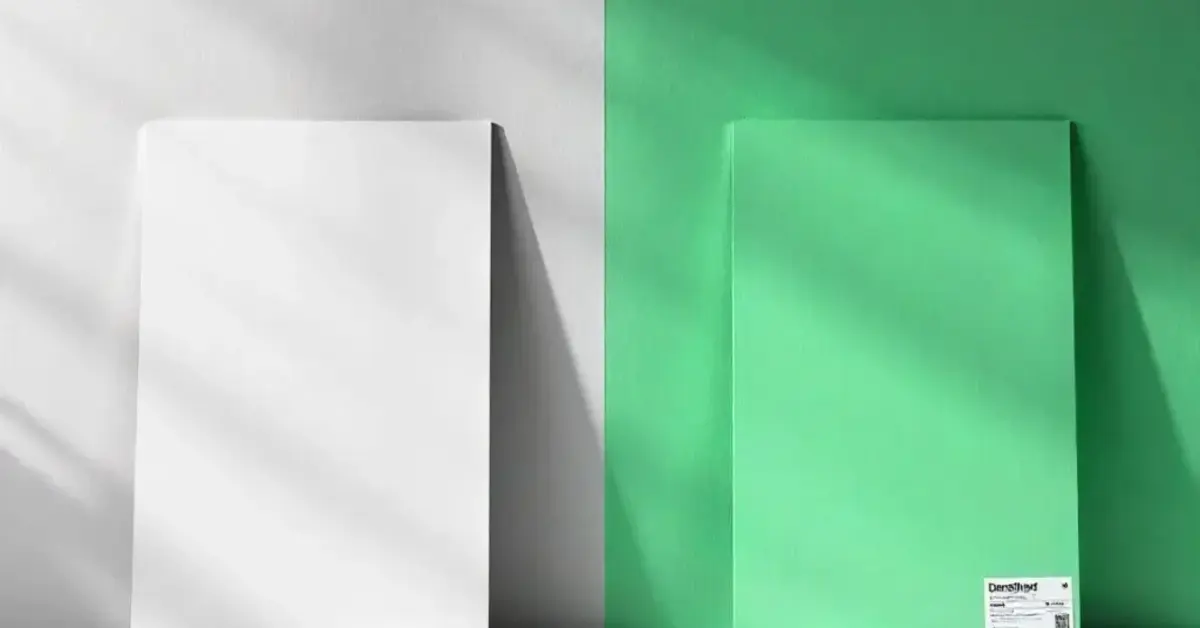
Most houses are constructed with drywall, which isn’t designed to address repeated moisture exposure. Even small quantities of water vapor or splashing can migrate at the back of tile, inflicting drywall to swell, soften, or develop mold.
Once the substrate starts offevolved to deteriorate, tile failure follows. Grout cracks, tiles loosen, and upkeep frequently require complete elimination of the backsplash.
A water-resistant backer board removes this risk. Instead of counting on drywall to stay dry indefinitely, PROVA Board Plus+ creates a moisture-solid floor with a purpose to now no longer take in water, lose strength, or compromise the tile bond.
What Are the Steps to Successfully Install a Backsplash with Cement Board?
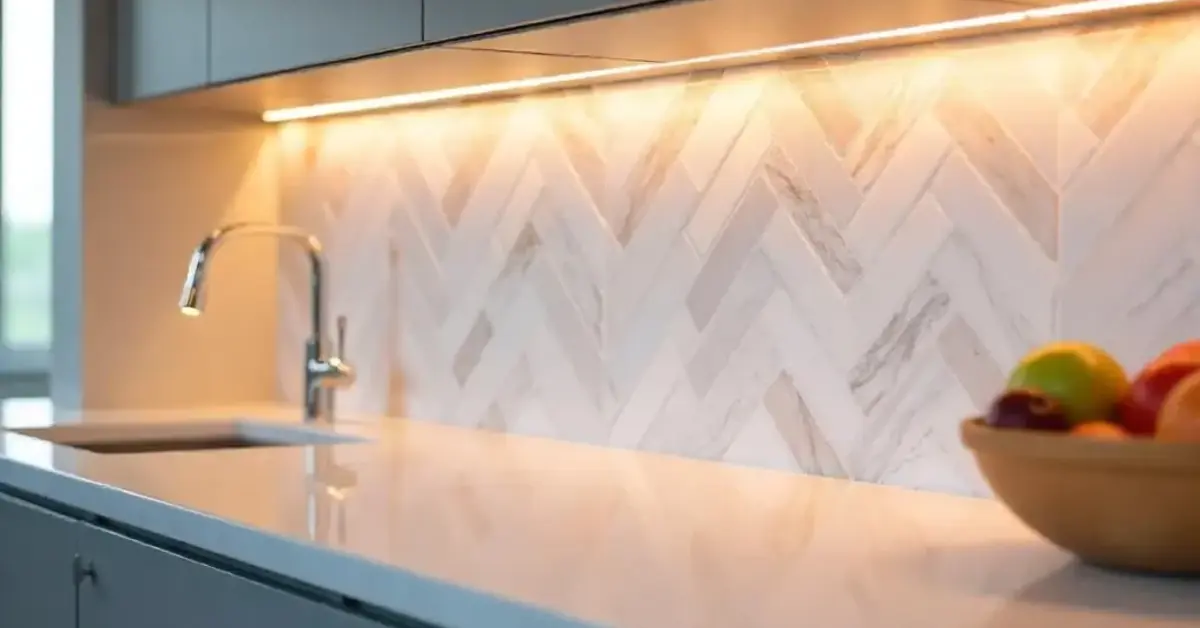
First, understand that now no longer all surfaces can assist a backsplash. Cement board is designed to face up to moisture and weight, imparting a robust base that minimizes the threat of tile cracking and mould growth.
Here`s a step by step manual to make sure a a hit installation:
Gather Your Materials: Assemble important items: cement board, a carbide-tipped scoring knife, cement board screws, alkali-resistant mesh tape, and thin-set mortar.
Prepare the Surface: Measure the backsplash location and reduce the cement board to length with the scoring knife, making sure smooth edges.
Secure the Cement Board: Fasten the board to the wall studs the use of screws, making sure it’s far flush and securely connected to save you movement.
Tape and Seal the Joints: Apply alkali-resistant mesh tape over seams, then cowl with thin-set mortar for a clean finish.
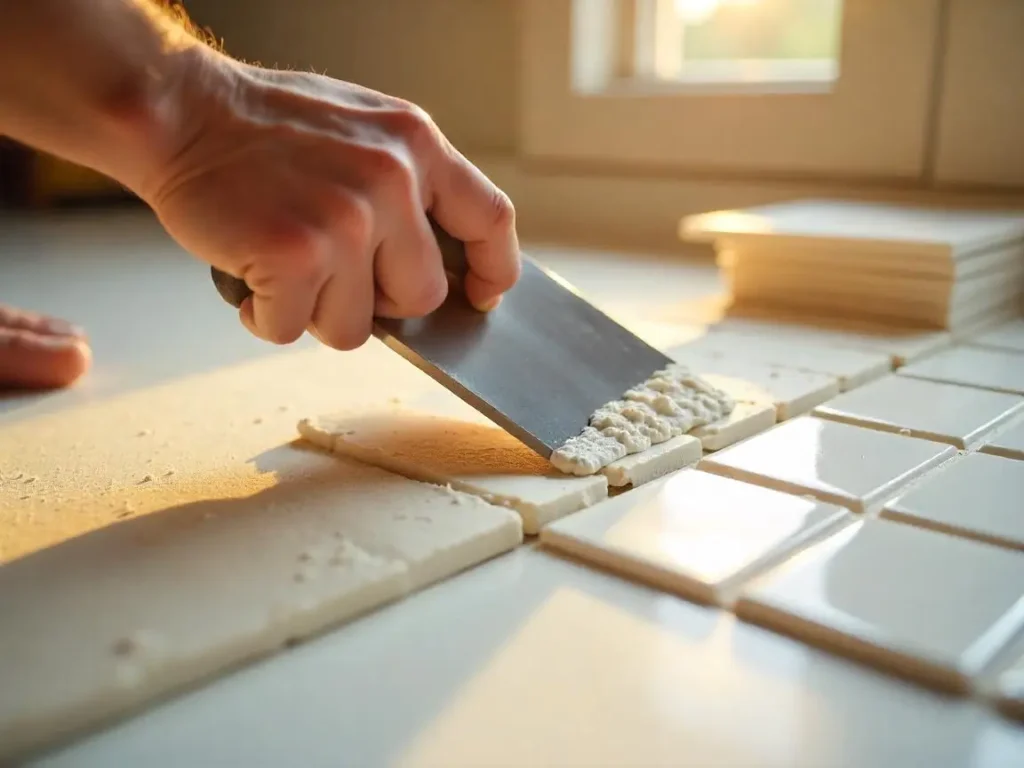
Install the Tiles: Once the mortar dries, adhere the tiles the use of thin-set mortar, preserving regular spacing and alignment for a sophisticated look.
Addressing not unusualplace challenges, inclusive of making sure right sizing and steady fastening, is crucial. Errors in those regions can result in an unattractive and volatile backsplash.
By following those steps, you beautify each the sturdiness and aesthetic of your backsplash.
You can read about: How to Install Vertical Shiplap Backsplash
Do I Need Backer Board for Kitchen Backsplash Projects?
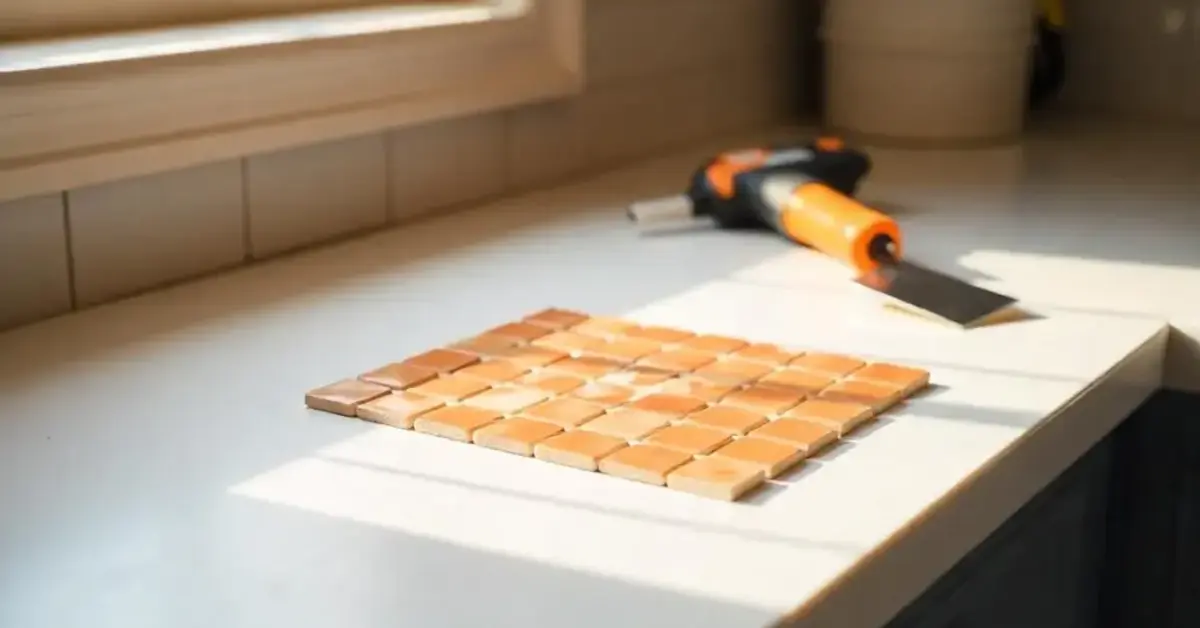
A usual version of this query is: Do I need backer board for kitchen backsplash installations?
The solution is much like cement board due to the fact cement board is one sort of backer board. In many kitchen applications, backer board isn’t always required if the drywall is structurally sound and freed from damage.
Professional installers generally look at walls earlier than starting installation. If drywall is loose, deteriorated, uneven, or stricken by moisture, changing it with a appropriate backer board may also create a more potent basis for the backsplash.
For general ceramic tile backsplashes in dry kitchen environments, drywall stays the maximum usually used substrate.
Drywall vs Cement Board for a Backsplash
One of the common comparisons house owners make is drywall as opposed to cement board.
Drywall gives numerous advantages. It is affordable, smooth to install, effortlessly available, and flawlessly appropriate for maximum kitchen backsplash applications. Because kitchens normally revel in constrained water publicity as compared to showers, drywall plays nicely in lots of situations.
Cement board, on the opposite hand, presents advanced moisture resistance and durability. While it can now no longer be vital for each backsplash project, it may be useful in regions uncovered to better moisture degrees or whilst putting in heavier materials.
The quality desire relies upon to your wall condition, backsplash material, and long-time period overall performance goals
Call to Action
Ready to improve your kitchen with a stunning custom backsplash? Contact SF Marble and Granite these days for professional guidance, top class stone selections, and expert set up offerings designed to convey lasting splendor in your home.
Conclusion
For homeowners, the answers to Do I Need Cement Board for Backsplash is no. Standard kitchen backsplashes can commonly be hooked up without delay over well organized drywall. However, regions with moisture concerns, broken walls, or heavy herbal stone substances may also advantage from cement board or different backer board solutions. Choosing the proper substrate enables make certain a durable, appealing backsplash that plays nicely for years to come.
Frequently Asked Questions
Do I Need Cement Board for Backsplash?
In most kitchen applications, no. Tile can generally be hooked up without delay over drywall if the wall is in right situation and unfastened from moisture damage.
Do you want cement board for backsplash at the back of a kitchen sink?
Not always. However, cement board may also offer extra moisture safety in regions that enjoy common water exposure.
Do I want backer board for kitchen backsplash projects?
Most kitchen backsplashes do now no longer require backer board if the drywall is strong and well organized.
What is the excellent backer board for kitchen backsplash installations?
If extra assist is needed, cement board is one of the maximum normally used and moisture-resistant options.
Can natural stone backsplashes be hooked up over drywall?
Yes, many herbal stone backsplashes may be hooked up over drywall, aleven though heavier substances may also require assessment and further assist.