Your kitchen counters look worn, dull, or scratched, but replacing them feels far too expensive and messy. Resurfacing granite countertops gives you a practical way to bring back their original depth and shine without the massive price tag of a full remodel. In this guide, you’ll learn the exact steps to refinish your granite surfaces, what it costs, and when it makes sense to call in a professional.
What Does It Mean to Resurface Granite Countertops?
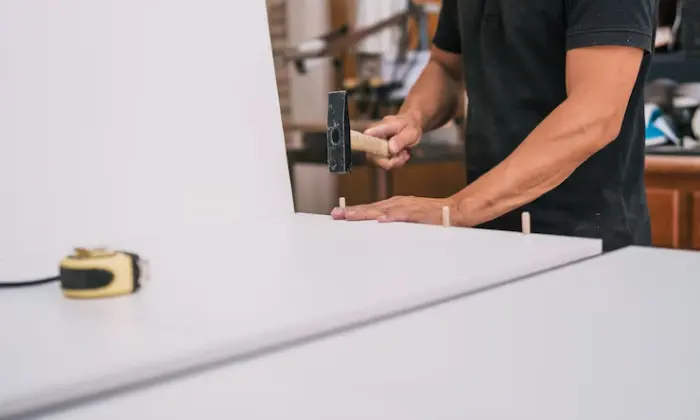
Resurfacing granite countertops means removing surface dullness, stains, and fine scratches through deep cleaning, mechanical diamond pad polishing, and applying a protective sealant. This process restores the stone’s original gloss without removing or replacing the heavy slab.
Over years of daily kitchen tasks, natural stone loses its factory shine. Abrasive cleaners, acidic liquid spills, hard water deposits, and hot cookware wear away the top protective seal. Resurfacing countertops with granite profiles removes built-up grime, polishes out surface imperfections, and seals the stone against future damage. It fixes surface wear, but it won’t change the underlying color or pattern of your stone.
Can You Resurface Granite Countertops Yourself?
Yes, you can refinish granite countertops yourself if you’re dealing with mild dullness, light surface stains, or minor etch marks. However, deep cracks, wide chips, or heavy uneven wear require specialized industrial grinding equipment and professional techniques.
DIY granite resurfacing kits work well for light chemical cleaning, hand-polishing compound applications, and standard resealing. If your stone only needs a light shine boost, taking the DIY route saves money. But heavy-duty mechanical diamond pad honing requires steady pressure and experience. One wrong move with a power buffer can dig permanent divots into the stone or create an uneven finish.
How to Resurface Granite Countertops: Step-by-Step Guide
Refinishing your countertops requires simple, orderly steps. Skipping preparation or using incorrect products can trap dirt under the sealer or permanently haze the natural finish.
Step 1: Deep Clean the Surface
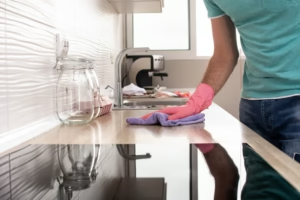
Clear off all appliances and items. Spray a pH-neutral stone cleaner across the entire counter. Use a soft microfiber cloth to scrub away grease, food residue, and wax buildup. Avoid vinegar, lemon juice, or harsh bleach, as acidic solutions strip away existing stone sealers.
Step 2: Remove Deep Stains with a Poultice
If you notice dark oil spots or water rings around the sink, address them before polishing. Mix baking soda with water (for oil stains) or hydrogen peroxide (for organic stains) into a thick paste. Spread the paste over the stain, cover it with plastic wrap, tape down the edges, and let it sit for 24 hours to draw out the discoloration. Wipe clean and dry completely.
Step 3: Repair Edge Chips and Small Cracks
Inspect the edges and corners for small chips. Fill minor gaps with a clear or color-matched epoxy repair gel. Once the epoxy cures hard, scrape away excess resin flush with the stone using a sharp single-edge razor blade held at a 45-degree angle.
Step 4: Polish the Stone
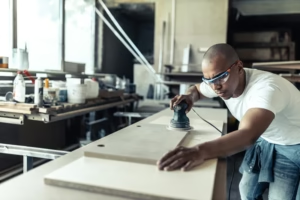
For hand restoration, apply a specialized granite polishing compound. Buff the paste in small circular motions using a low-speed variable polisher equipped with a soft felt or diamond polishing pad. Work in small two-foot by two-foot sections to maintain control and ensure an even gloss across the slab.
Step 5: Apply a Penetrating Sealer
Once the surface is completely dry and polished, apply a solvent-based, penetrating granite sealer. Pour a small amount onto the counter and spread it evenly with a lint-free cloth. Let it soak in for 10 to 15 minutes, then buff off all excess liquid with a clean towel before it dries sticky on top.
How Much Does It Cost to Resurface Granite Countertops?
Resurfacing granite countertops costs between $3 and $12 per square foot for professional service, compared to $0.75 to $1.50 per square foot for DIY kit materials. Most typical kitchen resurfacing projects total between $250 and $900.
Here is a breakdown comparing DIY refinishing with professional restoration:
| Service Factor | DIY Resurfacing | Professional Restoration |
| Average Total Cost | $40 – $120 | $250 – $1,400 |
| Time Required | 3 to 6 hours | 2 to 5 hours |
| Tools Needed | Microfiber cloths, buffing pad, chemical polish, sealer | Variable-speed wet polishers, diamond pads, extraction poultice |
| Best Used For | Light dullness, routine shine maintenance | Deep scratches, heavy etching, chips, water stains |
Resurface Granite Countertops to Restore Their Natural Luster
When daily use has dulled your stone’s shine or minor scratches have stolen its sparkle, it’s time to resurface granite countertops and bring back that showroom-worthy gleam. Our team at SF Marble & Granite Inc. gently sands away imperfections with diamond polishing pads, buffs on a premium polishing compound, and seals the surface to lock in protection giving you a smooth, glossy finish that lasts. Whether you’ve spotted faint etches around the sink or notice a dull patch by the stove, professional resurfacing saves you the cost and hassle of a full replacement. Plus, when you’re ready for a complete kitchen refresh, ask us about Countertops Installation in Lowell to pair your newly gleaming granite with the perfect complementary surface.
Why Choose SF Marble Granite for Your Granite Countertop Resurfacing Needs?
Choosing SF Marble Granite for resurfacing granite countertops needs ensures you receive top-quality service backed by years of experience and expertise. Our team of skilled professionals is dedicated to restoring your granite surfaces to their original beauty, using the latest techniques and high-grade materials. We understand the unique characteristics of granite and tailor our approach to deliver a flawless finish that enhances the longevity and aesthetic appeal of your countertops.
At SF Marble Granite, we prioritize customer satisfaction, offering personalized service to meet your specific needs and preferences. Our commitment to excellence means you can trust us to handle your resurfacing project with precision and care, providing results that exceed expectations. Whether you’re looking to refresh the look of your kitchen or maintain the value of your home, SF Marble Granite is your trusted partner for all your granite countertop resurfacing needs.
Conclusion
Resurfacing granite countertops is an effective way to restore their original shine and beauty, addressing issues like scratches, dullness, and minor damage. Whether you choose to tackle the project yourself or hire a professional, to resurface granite countertops you can extend the life of your countertops and keep them looking their best.
If your granite surfaces have lost their luster, consider resurfacing as a viable option to rejuvenate them. It’s a cost-effective solution that can make your countertops look new again, adding value and elegance to your home.
For the best results, trust the experts at SF Marble Granite. Contact us today for professional granite countertop resurfacing services that deliver lasting beauty and quality.
FAQs
How long does granite resurfacing last?
Granite resurfacing lasts between 3 and 5 years when maintained properly with pH-neutral cleaners. High-use areas near sinks or stoves may need a fresh coat of penetrating sealer every 12 to 18 months.
Can you change the color of granite when resurfacing?
No, resurfacing does not change the color of natural granite. The process restores the natural polish and clarity of the existing stone pattern. Color-enhancing sealers can darken washed-out tones slightly, but they cannot alter the natural mineral colors.
Is refinishing granite messy?
Professional wet-polishing creates minimal dust because water keeps stone particles contained. DIY chemical polishing is relatively clean, provided surrounding cabinets and floors are covered with painter’s tape and plastic sheeting.
How often should granite countertops be resurfaced?
With proper care, every 5–10 years is typical; regular sealing and gentle cleaning in between helps preserve the finish.