Marble floors show every mistake. One splash of orange juice left too long, one gritty shoe dragged across the surface, and you’ve got a dull patch staring back at you. If you’ve ever wiped down your floor and stepped back wondering why it looks cloudier than before, you’re not alone, and you’re not doing anything unusually wrong.
I’ve spent years working with marble surfaces, and I promise you this: cleaning marble isn’t complicated once you understand what the stone actually needs. In this guide, I’ll walk you through the tools, the steps, and the natural solutions that keep marble floors bright without wearing them down, plus the mistakes that quietly ruin a beautiful floor. How to clean marble floors comes down to one rule: use pH-neutral products, dry the surface fully, and never let acidic spills sit. That’s the short answer. Here’s everything behind it.
Understanding Marble Floors: How to Clean Marble Floors
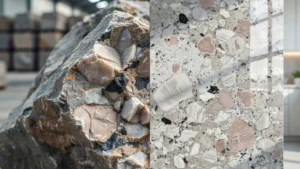
Marble is a metamorphic stone made mostly of calcium carbonate. That single fact explains almost every cleaning rule you’ll read in this article. Calcium carbonate reacts with acid. Lemon juice, vinegar, wine, even some all-purpose sprays can eat into the surface and leave a dull etch mark within seconds.
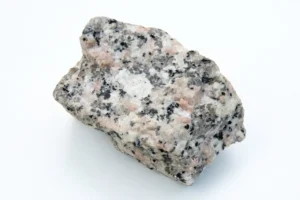
This is different from how you’d treat tile or granite. Granite is harder and more chemical-resistant. Marble is softer, more porous, and more sensitive to both acid and abrasion. When people ask how to clean marble floors the wrong way, it’s usually because they’re using a method that works fine on ceramic tile but is too harsh for stone.
Porosity is the other piece of the puzzle. Marble has tiny pores that absorb liquid before you even notice a spill. That’s why a red wine stain can sink in in under a minute, and why sealing your floor every year or two isn’t optional if you want it to stay clean-looking.
How to Clean Marble Floors: Essential Tools and Supplies

To embark on the journey of maintaining your marble floors, gather the essential tools and supplies for effective cleaning. Here’s a concise checklist:
Soft Bristle Broom
Begin by sweeping away loose dirt and debris. A soft bristle broom ensures gentle cleaning without scratching the surface.
Microfiber Mop
Opt for a microfiber mop to avoid abrasive materials that could damage the marble. Microfiber efficiently captures dirt and provides a streak-free finish.
PH-Neutral Cleaner
Choose a pH-neutral cleaner specifically designed for marble. This ensures a thorough clean without compromising the stone’s integrity.
Soft Cloths and Sponges
Use soft, non-abrasive cloths and sponges for wiping and spot cleaning. Avoid rough materials that may scratch the marble.
Marble floor installation can not only ensure the longevity of your floors but also contribute to maintaining their exquisite beauty.
Essential Tools and Supplies for Marble Floor Maintenance
By incorporating these tools into your marble floor care routine, you not only ensure the longevity of your floors but also contribute to maintaining their exquisite beauty. Choose your tools wisely, and let’s dive into how to clean marble floors step-by-step cleaning process to unveil the true splendor of your marble floors.
Step-by-Step Cleaning Process: How to Clean Marble Floors
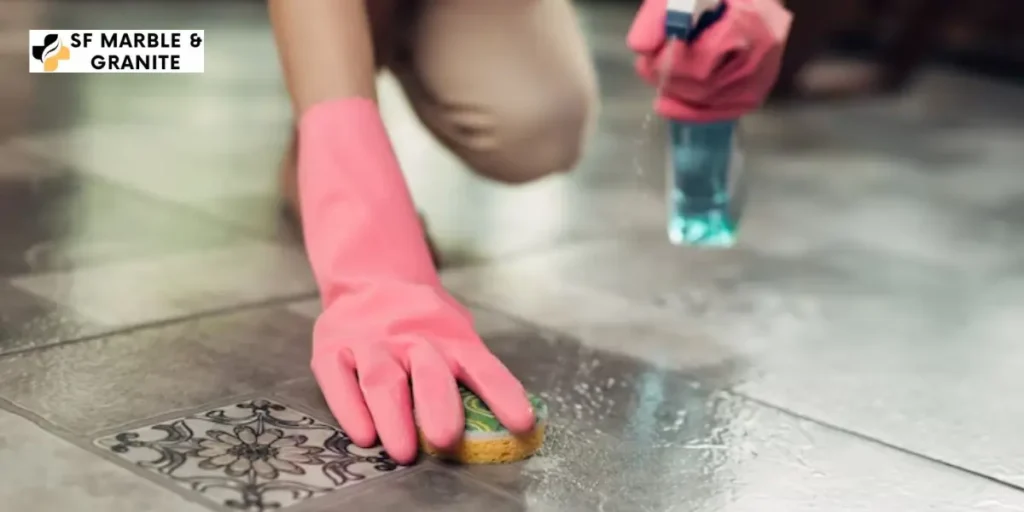
Maintaining the timeless allure of your marble floors involves a systematic approach. Follow these steps for an effective and gentle cleaning process:
Preparing the Surface
- Begin by sweeping the floor with a soft bristle broom to remove loose dirt and debris.
- For stains or spills, address them promptly using a soft cloth or sponge. Avoid letting stains sit for an extended period to prevent absorption.
Choosing the Right Cleaner
- Select a pH-neutral cleaner specifically designed for marble floors. This ensures a thorough clean without causing any damage to the sensitive surface.
Gentle Cleaning Techniques
- Dampen a microfiber mop with the chosen cleaner and gently mop the entire marble surface. Ensure not to oversaturate the floor, as excess moisture can seep into the pores.
Spot Cleaning
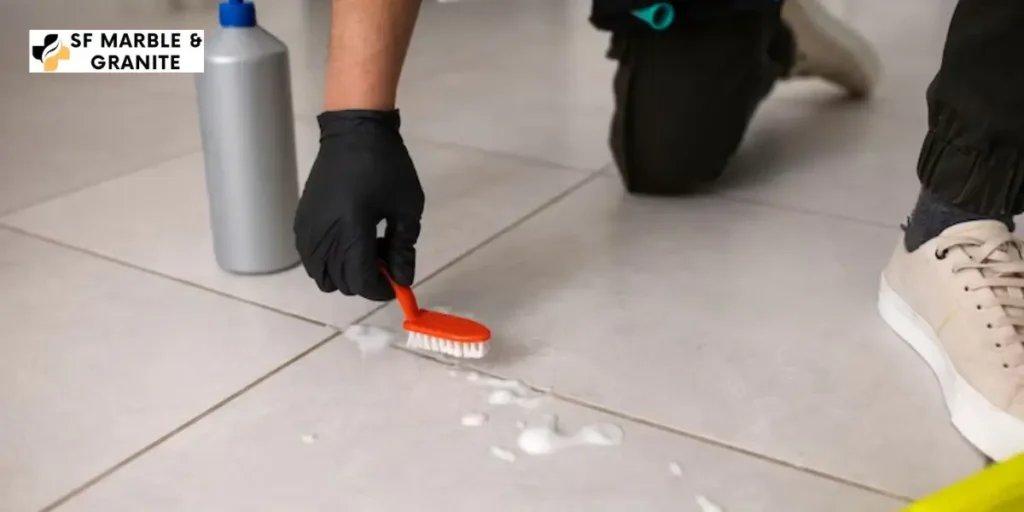
- To tackle persistent stains, make a paste by combining baking soda and water. Apply this paste to the affected area, allowing it to sit for a few minutes. Subsequently, delicately scrub the stain using a soft brush or cloth.
Rinse and Dry
- After cleaning, rinse the mop thoroughly and go over the floor again to remove any remaining cleaner.
- Dry the marble surface completely using a soft, dry cloth to prevent water spots or streaks.
By following these steps, you not only maintain the cleanliness of your marble floors but also ensure they remain a stunning focal point in your home. Now, let’s explore natural cleaning solutions and how to clean marble floors to further elevate your marble care routine.
Natural Cleaning Solutions for Marble Floors
Elevate your marble floor care routine with these eco-friendly and effective natural cleaning solutions:
White Vinegar Solution
- Combine equal proportions of white vinegar and water in a spray bottle.
- Lightly spray the solution on the marble surface and wipe it clean with a soft, damp cloth.
- Vinegar’s acidity helps dissolve grime and stains without harming the marble.
Baking Soda Paste
- Create a paste using baking soda and water. Ensure a thick yet spreadable consistency.
- Apply the paste to stains or discolored areas on the marble floor.
- Gently scrub the affected areas with a soft brush or cloth, then rinse thoroughly.
Natural Oils for Shine
- Combine a few drops of natural oils such as olive oil or jojoba oil with water.
- Use a soft cloth to apply the oil mixture to the marble surface, rubbing it in circular motions.
- This not only cleans but also adds a natural shine to the marble.
Lemon Juice for Stains
- Mix lemon juice with water to create a mild cleaning solution.
- Apply the solution to stains on the marble, allowing it to sit for a few minutes.
- Gently scrub the area with a soft brush or cloth, then rinse and dry.
Cornstarch Absorption
- Allow it to sit for several hours or overnight to absorb the oil.
- Brush away the residue and clean the area with a damp cloth.
Incorporating these natural solutions into your marble floor cleaning routine not only ensures a chemical-free approach but also enhances the longevity of your marble surfaces.
Common Mistakes That Damage Marble Floors
Most marble damage isn’t from a single accident. It’s from small habits repeated over months.
Letting spills sit is the biggest one. Coffee, wine, juice, even tomato sauce dripped from a countertop can etch or stain within minutes if left alone. Blot spills immediately with a dry cloth rather than wiping, since wiping can spread the liquid into a larger area.
Using the wrong mop water is a close second. Reusing dirty mop water just redistributes grime and grit across the floor instead of removing it. Change your water as soon as it looks cloudy.
Dragging furniture without felt pads scratches marble fast, and so does walking across it in shoes that have tracked in outdoor grit. A simple habit like keeping a doormat at every entrance cuts down on a lot of that wear.
Skipping the sealant is another quiet mistake. It doesn’t cause damage on its own, but it removes your floor’s first line of defense, so every small spill becomes a bigger risk than it needs to be. Think of sealant the way you’d think of an umbrella. You don’t need it every day, but the one time you skip it is usually the day it rains.
Cleaning with the wrong frequency causes problems too, in both directions. Cleaning too rarely lets grime build into something harder to remove, while scrubbing too aggressively or too often can wear down the sealant faster than expected. A steady, moderate routine beats both extremes.
How Often Should You Clean Marble Floors?
Marble floors need light daily dusting, a full pH-neutral mop once or twice a week, and resealing every twelve to twenty-four months, depending on foot traffic. High-traffic areas like kitchens and entryways need more frequent attention than a formal dining room that sees light use.
Daily dusting sounds excessive until you consider what it’s actually preventing, which is grit buildup, not deep cleaning. A quick pass with a dry mop takes two or three minutes and saves your polish from scratches. Weekly mopping handles the buildup that dusting can’t, things like food residue, tracked-in oil, or general everyday grime.
Sealing is the step people forget most. A sealed floor resists staining because liquid beads on the surface instead of soaking in. You can test whether your floor needs resealing by dropping a small amount of water on it. If it absorbs within a few minutes instead of sitting on top, it’s time.
Removing Stains and Etching from Marble Floors
Stains and etch marks look similar but need different fixes. A stain sits on or just below the surface and usually responds to a poultice. An etch mark is actual damage to the polish and needs mechanical polishing to fix, not cleaning.
For an organic stain like coffee or wine, mix a baking soda poultice, apply it directly to the stain, cover it with plastic wrap, and let it sit overnight. The poultice draws the stain out as it dries. Wipe it away in the morning and buff the area dry.
For an oil-based stain, a small amount of cornstarch left to sit for several hours works the same way, absorbing the oil before you wipe it clean. Grease and cooking oil are common culprits in kitchens, so this is worth keeping in mind if your marble sits near a stove.
Etching is trickier, since it’s a change in the stone’s surface, not just discoloration. Light etching can sometimes be buffed out with a marble polishing powder and a soft cloth, applied in small circular motions. Deep etching usually needs a professional refinishing job, especially on floors with heavy traffic.
Rust stains need a different approach altogether, since regular poultices won’t touch them. These usually come from metal furniture legs, old plumbing fixtures, or planters left directly on the floor. A poultice made for rust removal, available at most stone care suppliers, is the safer route than a generic stain remover, which can sometimes make rust marks worse.
Maintaining the Shine: Long-Term Marble Floor Care
Long-term care is less about products and more about consistency. A floor that gets light daily attention rarely needs the deep intervention a neglected one does.
Reseal on schedule rather than waiting until you notice staining, since sealant wears down invisibly before it fails visibly. Keep felt pads under furniture legs and swap them out when they thin. Rotate area rugs occasionally so foot traffic doesn’t wear one section faster than the rest.
If your marble floor is paired with marble or granite countertops, the same care principles apply across your whole space, and it’s worth thinking about your stone surfaces as one system rather than separate projects. That’s actually one of the more common questions we get at SF Marble and Granite: whether floor and countertop maintenance should be handled the same way. The short answer is yes, and if you’re in the middle of a kitchen renovation and weighing your countertop options, our team also handles Granite Countertop Installation in Lowell for homeowners who want a durable surface that pairs well with marble flooring elsewhere in the home.
Conclusion
In concluding our guide on how to clean marble floors, you’ve gained insights into maintaining the exquisite beauty of this timeless material. From the essential tools and natural cleaning solutions to the step-by-step cleaning process and common mistakes to avoid, your marble floors are now poised for longevity and brilliance. By incorporating these tips into your routine, you not only enhance the aesthetic appeal of your home but also safeguard your investment in stunning marble surfaces.
For personalized assistance or professional marble care services, reach out to SF Marble And Granite Inc. Our dedicated team at 755 Dutton St., Lowell-0185MA4, is ready to address your inquiries and provide expert advice. Contact us at 978-459-582 or drop an email at sfmarbleangranite@gmail.com. Elevate your marble experience with SF Marble And Granite Inc — where expertise meets elegance.
FAQs
How to Clean Marble Floors in Bathrooms?
Use a pH-neutral cleaner specifically designed for marble. Avoid acidic or abrasive cleaners, and ensure spills and stains are promptly addressed to prevent damage. Regularly clean bathroom marble surfaces to maintain their elegance.
How to Clean Marble Floors to Shine?
Achieving a dazzling shine involves regular cleaning with a microfiber mop and a pH-neutral cleaner. Consider using a marble polish to enhance the natural luster. Ensure the floor is thoroughly dry after cleaning for optimal shine.
Can We Choose Marble Floor Cleaner Liquid for Floors?
Choose a liquid cleaner formulated for marble floors. Opt for pH-neutral options, and always follow the manufacturer’s instructions. Avoid harsh chemicals that may damage the marble surface over time.
How to Clean Marble Floors Naturally?
Natural solutions like a mixture of white vinegar and water or a baking soda paste can effectively clean marble floors. These eco-friendly alternatives offer a gentle yet powerful cleaning option without compromising the natural beauty of the marble.
How to Clean Marble Floors Without Streaks?
To avoid streaks, ensure that your mop and cleaning clothes are clean and free of residues. Use a pH-neutral cleaner and thoroughly dry the floor after cleaning. Microfiber mops are excellent for achieving a streak-free finish on marble surfaces.