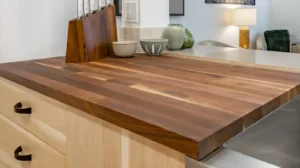
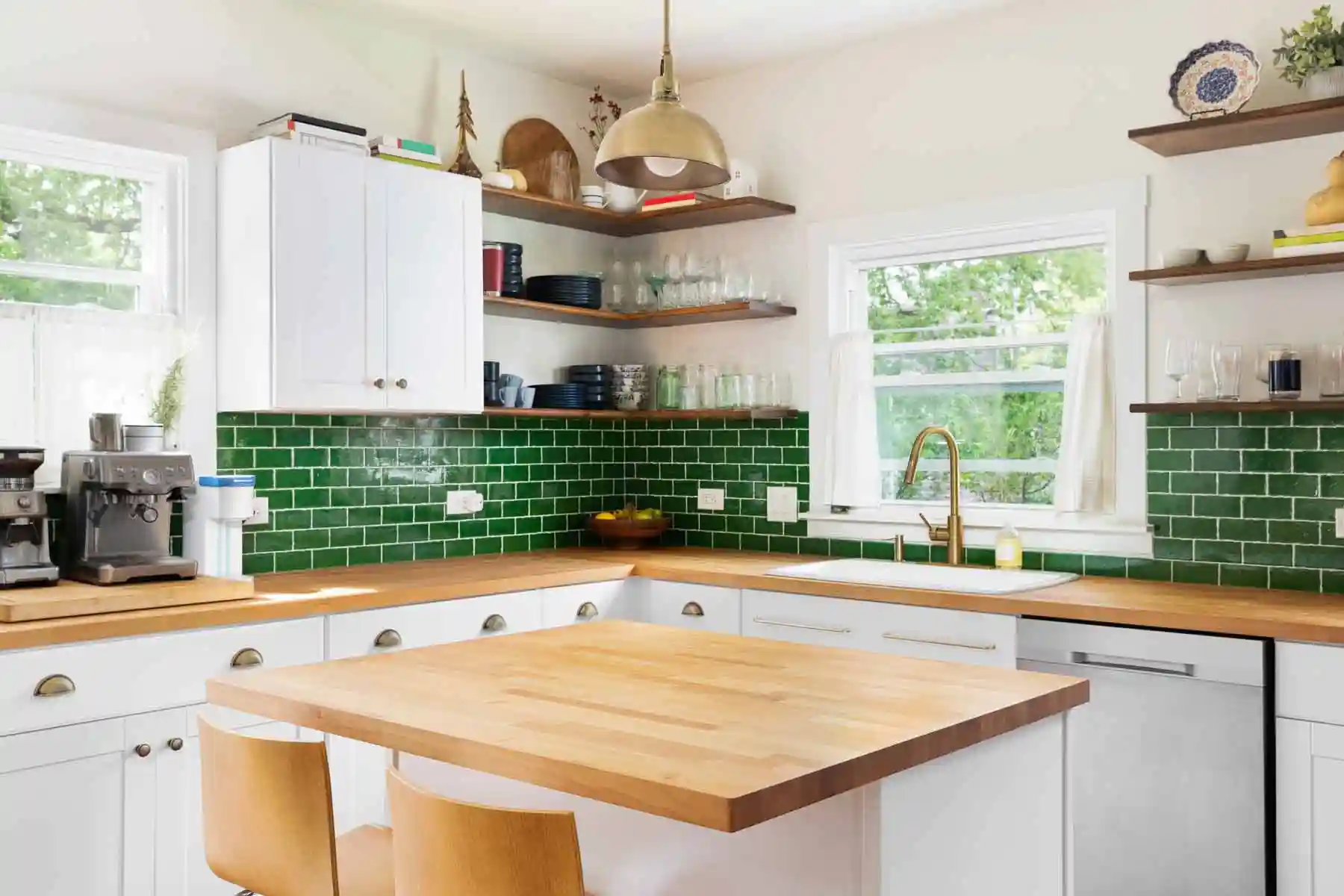
Butcher block countertops bring warmth and character to any kitchen. They are made from solid wood strips glued together, and they work great for both cooking and looks. Prices vary by wood type, size, and who installs them. On average, you can expect to spend between $1,500 and $4,500 for a standard kitchen.
The cost to install butcher block countertops depends on more than just the material. Labor, sealing, and edge style all play a role. This guide breaks everything down so you know exactly what to budget before you start.
What Are Butcher Block Countertops?
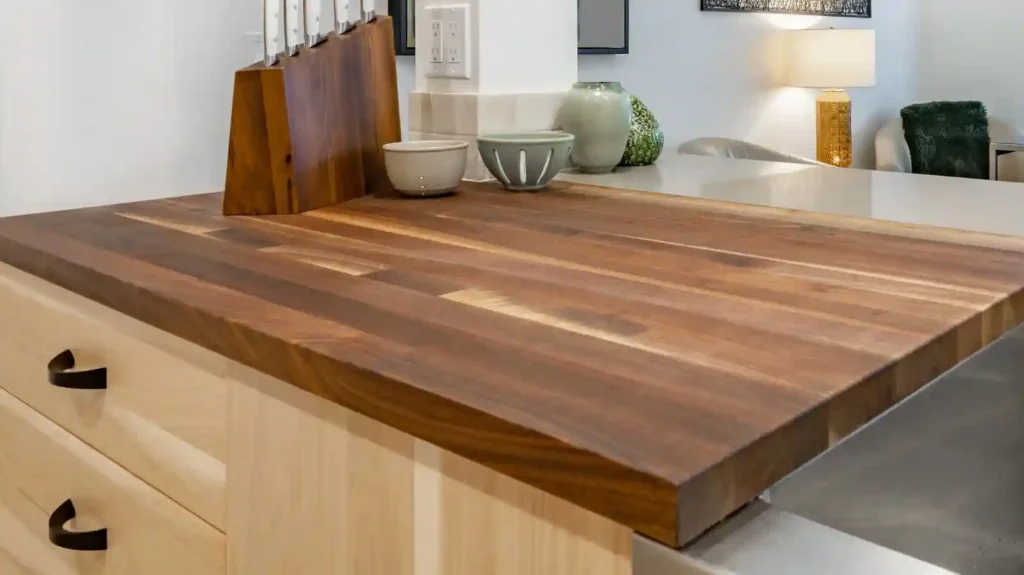
Butcher block countertops are made from thick strips of hardwood joined side by side or end to end. They have been used in professional kitchens for over a century. Today, they are popular in homes because they are natural, renewable, and beautiful.
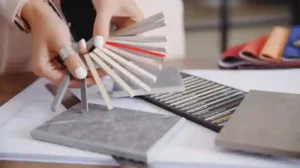
The most common wood types are maple, walnut, cherry, oak, and teak. Each has a different look and price point. Maple is the most affordable and most used. Walnut is rich and dark but costs more.
There are three grain styles:
- Edge grain: Wood strips laid on their long edge. Most common and budget-friendly.
- Face grain: Wide faces of the wood are visible. Great for aesthetics but less durable.
- End grain: Cross-section of the wood faces up. Most durable and most expensive.
Most homeowners use butcher block in kitchens, but it also works in bathrooms, laundry rooms, and home offices.
Average Cost to Install Butcher Block Countertops
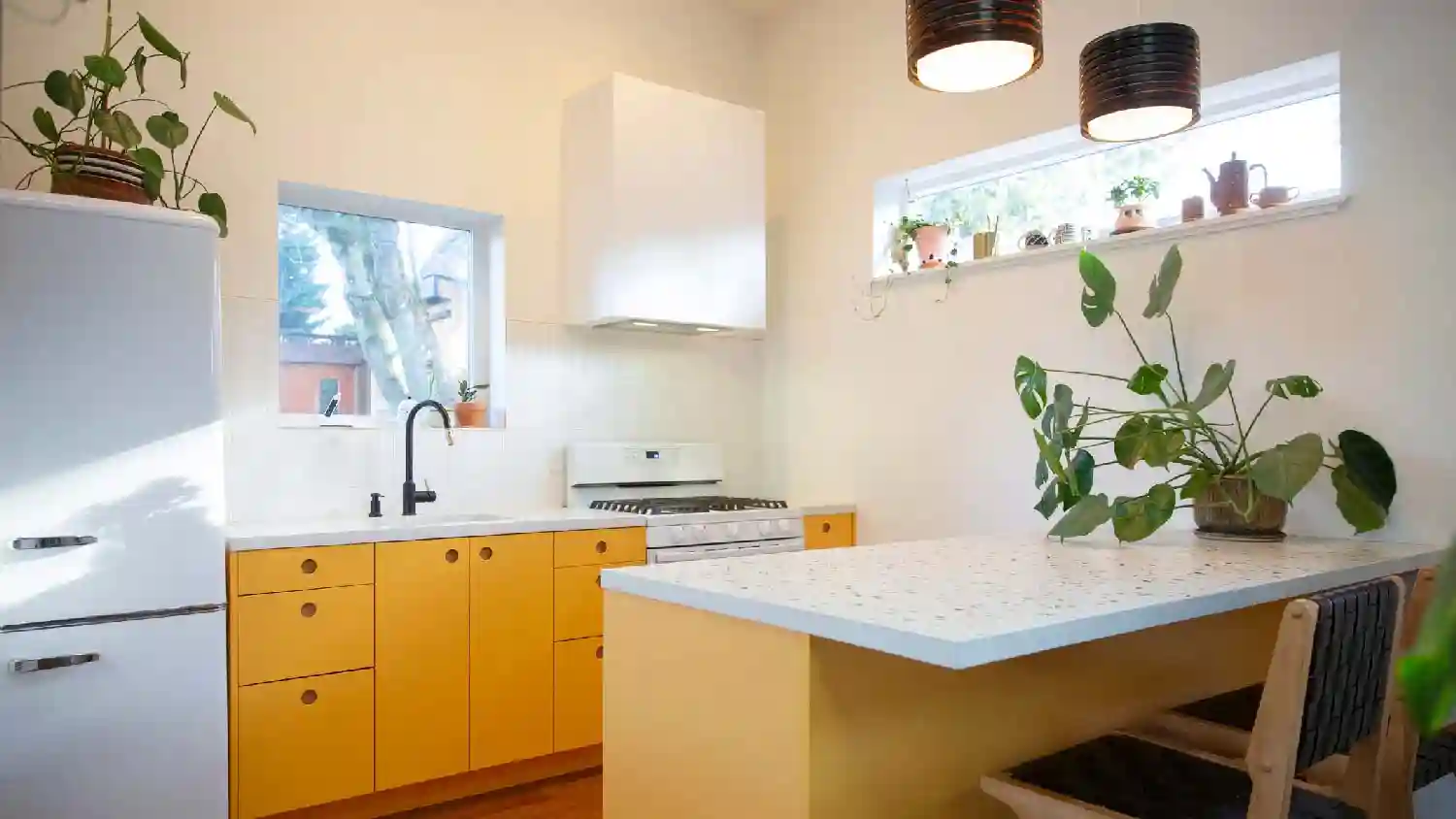
Here is a simple breakdown of what most homeowners pay:
- Low end: $800 to $1,500 (small kitchen, edge grain, basic wood)
- Mid range: $1,500 to $3,500 (average kitchen, maple or oak, standard installation)
- High end: $3,500 to $6,500+ (large kitchen, walnut or teak, custom edges, professional seal)
These numbers include both materials and labor. The butcher block countertop prices you see at big box stores are usually for materials only. Always add 20–30% for installation costs on top of that.
A 30-square-foot kitchen with basic maple edge-grain countertops from a local contractor might cost around $2,000 total. The same project with walnut end grain and a custom waterfall edge could run $5,500 or more.
Cost Per Square Foot for Butcher Block Countertops
Understanding cost per square foot helps you budget based on your kitchen size.
Material cost alone: $10 to $100 per square foot, depending on wood type and grain style.
Installed cost (material + labor): $30 to $120 per square foot.
Here is a quick breakdown by wood type:
- Maple: $20–$40 per sq ft (material only)
- Oak: $25–$50 per sq ft
- Cherry: $35–$65 per sq ft
- Walnut: $50–$100 per sq ft
- Teak: $60–$120 per sq ft
The price of butcher block countertop installed adds $10 to $35 per square foot for professional labor on top of the material cost. For a 40-square-foot kitchen, that adds $400 to $1,400 in labor alone.
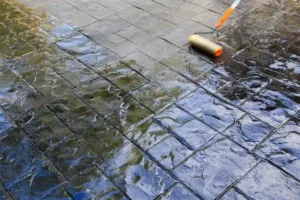
You can read about: Terrazzo Floor Restoration
Factors That Affect the Cost to Install Butcher Block Countertops
Several things drive the final number up or down. Knowing these helps you make smart choices.
1. Wood Type and Grade
Hardwoods cost more than softwoods. Premium grades with fewer knots and uniform grain also cost more. A clear-grade maple slab costs more than a character-grade maple with visible knots.
2. Grain Style
End grain is the most expensive option, often 30–50% more than edge grain. Face grain sits in the middle. If budget is tight, edge grain gives you a clean look without the premium price.
3. Kitchen Size and Layout
More square footage means more material and more labor. Complex layouts with islands, L-shapes, or lots of corners take more time to cut and fit. Each seam or cutout for a sink or cooktop adds to the cost.
4. Thickness
Standard countertops are 1.5 inches thick. Thicker slabs (2 to 4 inches) look more substantial and last longer but cost 20–40% more. Thick slabs are also heavier and harder to install, which can raise labor costs.
5. Edge Profile
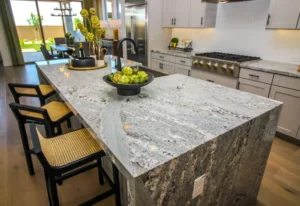
A square edge is the most affordable. Decorative edges like bevel, roundover, or waterfall add $5–$30 per linear foot. A full waterfall edge that wraps around the side of an island can add $300–$800 to the total project cost.
6. Cutouts and Sink Type
Undermount sinks require precise cuts and more finishing work around the edge. This adds $75–$200 to the installation. Drop-in sinks are simpler and cheaper to accommodate.
7. Location and Labor Rates
Labor costs vary by region. In cities like Boston, New York, or San Francisco, expect to pay 20–40% more in labor than in rural areas. Local contractor rates, overhead, and demand all affect the final number.
8. Removal of Old Countertops
If you are replacing existing countertops, removal adds $100–$400 to your project. Tile countertops or solid surface slabs take longer to remove and cost more.
Additional Costs for Sealing, Finishing, and Maintenance
Raw butcher block must be sealed before use. Sealing protects the wood from water, bacteria, and stains. This is not optional it is required. The cost of butcher block countertops should always include a sealing budget.
Here are the main finishing options and what they cost:
- Food-grade mineral oil: $10–$25 per bottle. You apply it yourself every few months. Low cost, easy to do.
- Beeswax and oil blend: $20–$50. More protection than plain oil. Still DIY-friendly.
- Polyurethane finish: $30–$80 for materials. Creates a hard, water-resistant surface. Not food-safe near cutting areas. Best for non-prep zones.
- Tung oil: $25–$60. Durable and natural. Takes multiple coats. Good for whole-surface protection.
- Professional sealing service: $100–$300 added to installation cost. Some contractors include this.
Ongoing maintenance costs are low but real:
- Re-oiling every 1–3 months: $10–$25 per session in materials
- Light sanding and re-oiling every 1–2 years: $50–$150 if DIY, $200–$500 if professional
- Full refinish after heavy damage: $300–$800
Cost Comparison: Butcher Block vs Other Kitchen Countertop Materials
How does butcher block stack up against other popular options? Here is a clear comparison:
| Material | Cost Per Sq Ft | Durability | Maintenance |
| Butcher Block | $30–$100 | Good | Moderate |
| Granite | $50–$200 | Excellent | Low |
| Quartz | $60–$150 | Excellent | Very Low |
| Laminate | $10–$40 | Fair | Low |
| Marble | $75–$250 | Good | High |
| Concrete | $65–$135 | Good | Moderate |
Butcher block sits in the affordable-to-mid range. It costs less than granite, quartz, or marble. It also offers something those materials do not a warm, natural surface you can sand and refinish when it gets scratched.
How to Budget for Butcher Block Countertops
Planning your budget the right way avoids surprises.
Here is a step-by-step approach:
- Step 1: Measure your countertop area. Calculate total square footage. Add 10% for waste and cuts.
- Step 2: Choose your wood species. Get material prices per square foot from at least two suppliers.
- Step 3: Get three installation quotes. Ask each contractor to itemize labor, sealing, and removal of old countertops.
- Step 4: Add a 10–15% contingency buffer. Unexpected issues like uneven cabinets or hidden water damage happen.
- Step 5: Include ongoing maintenance costs. Budget $50–$100 per year for oil and minor upkeep.
The butcher block countertops installation cost is easier to predict when you break it into these categories. Most homeowners underestimate sealing, edge work, and removal costs so plan for those upfront.
Is Butcher Block Countertop Worth the Cost?
This comes down to how you use your kitchen and what you value.
Butcher block is worth it if you:
- Want a warm, natural look that granite and quartz cannot match
- Cook often and enjoy a softer surface that is gentle on knives
- Like the idea of refinishing your countertops instead of replacing them
- Want a more affordable countertop that still looks high-end
- Are building a farmhouse, craftsman, or rustic-style kitchen
It may not be the best choice if you:
- Want something completely maintenance-free
- Have a household that is hard on surfaces
- Have a kitchen that gets a lot of standing water near the sink area
The cost of butcher block countertops installed is competitive with mid-range granite. But butcher block adds a texture and warmth that stone simply cannot replicate. For many homeowners, that makes it well worth the investment.
DIY vs Professional Installation Cost
Can you install butcher block yourself? Yes, but with some important caveats.
DIY Installation
If you are handy with a circular saw and have basic tools, you can install butcher block yourself. Material costs stay the same. You save the $300–$800 in labor.
What you need for DIY:
- Circular saw or jigsaw for cuts
- Orbital sander for finishing edges
- Wood glue and clamps
- Food-safe mineral oil or your chosen finish
- Drill and screws for mounting to cabinet base
DIY risks: Poor cuts at corners, inadequate sealing, or improper sink cutouts can cost more to fix than hiring a pro. If you mess up a $600 slab of walnut, the savings disappear fast.
Professional Installation
A pro brings precision, experience, and the right tools for your specific layout. They handle tricky cuts, plumbing cutouts, and uneven cabinets. They also warranty their work.
Professional butcher block countertops installation cost ranges from $200 to $700 for labor on a standard kitchen. For complex layouts with islands or multiple seams, budget $700 to $1,200 for labor alone.
For most homeowners, professional installation is the safer choice. The small labor savings from DIY are not worth the risk of a ruined slab.
Why Choose SF Marble and Granite for Countertop Installation
Not all installers are equal. Butcher block requires careful handling, precision cuts, and proper sealing to last. Choosing the right team matters.
When picking an installer, look for:
- Experience with wood countertops specifically, not just stone
- Clear itemized quotes with no hidden fees
- References from past butcher block projects
- Warranty on labor and installation
- Knowledge of different wood species and finishes
SF Marble & Granite brings years of countertop expertise to every project. The team handles everything from precise measurement to professional sealing. You get a finished product that looks great and is built to last.
Transform Your Kitchen & Bath with SF Marble and Granite
Your kitchen deserves more than a generic countertop. Whether you want the warmth of walnut, the clean look of maple, or a custom edge that fits your style, SF Marble & Granite delivers it with care.
The team offers professional Countertop Installation Lowell, MA for homeowners who want quality work without the stress. From the first measurement to the final seal, every step is handled by experienced pros.
SF Marble & Granite works with all countertop materials wood, stone, and engineered surfaces. If you are comparing options or ready to move forward with butcher block, contact the team for a free quote. Get accurate numbers for the cost to install butcher block countertops in your space before you commit.No pressure. No confusing jargon. Just honest pricing and expert work.
Conclusion
The cost to install butcher block countertops typically falls between $1,500 and $4,500 for a standard kitchen. Material, wood type, kitchen size, and labor rates are the biggest variables. Sealing and maintenance add a small ongoing cost but keep your countertops looking great for decades.
Butcher block is a smart choice for homeowners who want natural beauty, a refinishable surface, and mid-range pricing. With the right installer and proper care, these countertops can last 20–30 years or more.
Ready to get started? SF Marble & Granite makes the process easy. Reach out for a personalized quote on butcher block countertop prices and installation in your area today.
FAQs
Can I put hot pans on butcher block?
No. High heat will burn the wood. Always use a trivet or hot pad.
How often do I need to oil my countertops?
Most pros suggest oiling once a month for the first year. After that, every few months is usually enough.
Does water damage butcher block?
Standing water can cause stains or rot. Always wipe up spills right away.
Can I use butcher block in a bathroom?
Yes, but it needs a very strong waterproof sealer. It is not recommended for areas that stay wet all the time.
How do I fix a scratch in the wood?
That is the best part! You can just sand it down and re-oil it. It will look brand new.