
Black and white marble flooring can make a room feel polished, balanced, and easy to style. The key is choosing the right marble pattern, finish, tile size, and layout for the room. For homes where comfort, safe movement, and easy upkeep matter, a honed or textured finish can often make more sense than a highly polished surface.
Black and White Marble Flooring gives you a classic color pairing without forcing the rest of the room into one style. I’ll show you where it works best, which patterns are worth considering, how to care for marble, and what to check before installation. By the end, you’ll have a clearer idea of whether this natural stone fits your home, lifestyle, and maintenance routine.
What Is Black and White Marble Flooring?
Black and white marble flooring is a design style that pairs two contrasting marble tones, most often in checkerboard, herringbone, or bordered layouts, to create a floor with strong visual rhythm. It’s been used in palaces, cathedrals, and entryways for centuries because the contrast reads as formal without needing extra ornamentation.
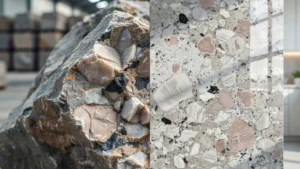
The style works because marble itself already carries movement in its veining. When you set a pale stone like Carrara or Thassos next to a dark one like Nero Marquina or Absolute Black granite-marble blends, the two textures play off each other. You get pattern and depth without wallpaper, paint, or rugs doing the heavy lifting. That’s part of why designers keep coming back to it, even as flooring trends shift toward warmer, more neutral palettes.
Benefits of Black and White Marble Floors
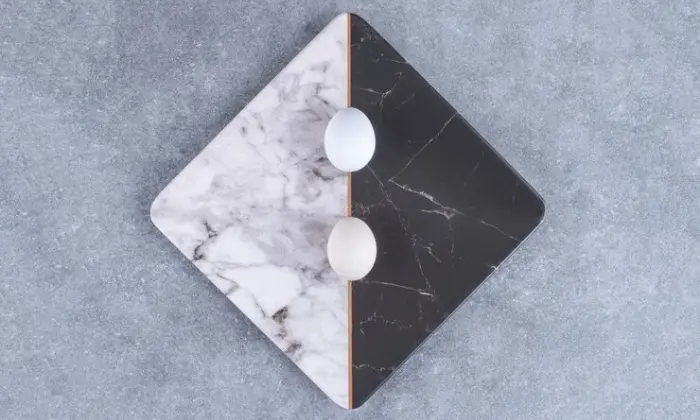
The biggest benefit is visual balance. Black creates depth, while white opens the room and reflects light. Together, they can make a simple floor look carefully planned without requiring a large number of decorative elements.
A timeless color combination
Black and white have remained popular because they work with many interior styles. A checkerboard floor can suit a traditional home, while large-format tiles with soft veining can work in a modern interior.
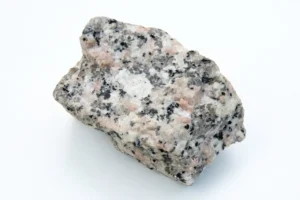
Marble also has natural variation. No two pieces have exactly the same veining, tone, or mineral pattern. That variation gives the floor a natural character that printed flooring cannot fully reproduce.
Works with many room colors
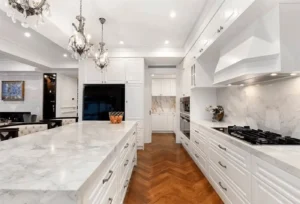
A black and white floor gives you a neutral base. You can pair it with warm wood cabinets, gray walls, brass fixtures, chrome hardware, or simple white furniture.
This makes future decorating changes easier. If you change the wall color or furniture later, the floor can still fit the new design.
Makes smaller spaces feel intentional
Small rooms can benefit from strong flooring patterns. A carefully scaled checkerboard layout can give a compact entryway or bathroom a clear visual structure.
The trick is proportion. Very large tiles may overwhelm a tiny room, while very small tiles can create too many grout lines. Tile samples are worth seeing in the actual room before ordering.
Natural marble adds surface variation
Marble isn’t a flat, manufactured color. Depending on the stone, you may see veins, cloudy areas, mineral markings, or subtle changes between pieces.
That matters when planning a black and white design. The goal shouldn’t always be perfect uniformity. Natural variation can become part of the floor’s character.
Different finishes change the experience
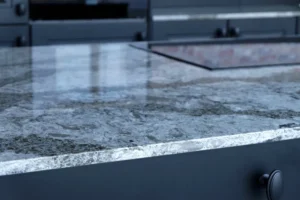
A polished finish produces a reflective surface and makes veining stand out. A honed finish has a softer, matte appearance and can be more forgiving when light scratches or small etch marks occur.
For floors that may become wet, traction should be considered before appearance alone. A glossy surface can become slippery when wet, so the room, finish, and expected use should all be reviewed together.
Design Ideas for Black and White Marble Floors
Creating a balanced look with contrasting stone requires selecting the right tile scale and finish. The classic checkerboard layout remains a popular choice, set either parallel to the walls or on a diagonal grid.
Diagonal arrangements can make narrow hallways or smaller rooms feel wider, guiding the eye across the space rather than straight down the middle. Smaller tile sizes add extra grout lines, which naturally increases underfoot grip in zones prone to moisture.
-
Honed vs. Polished Finishes: A honed finish gives the surface a soft, matte feel that minimizes glare and hides everyday wear. Highly polished surfaces reflect light intensely, which can sometimes create disorienting glare for sensitive eyes.
-
Borders and Frames: Surrounding a checkered grid with a solid dark or light stone border anchors the room. This creates a defined perimeter that visually guides movement through pathways.
-
Veined Combinations: Choosing white stone with subtle dark veining alongside deep black stone creates a softer, more organic transition between tiles than stark, solid blocks of color.
Incorporating Black and White Marble Floors in Different Spaces
One of the strongest features of this color pairing is its flexibility. Still, each room has different practical needs.
Entryways and foyers
An entryway is a natural place for a patterned marble floor. It creates a defined entrance and can connect visually with nearby hallways.
Use quality entrance mats to reduce sand and grit. Natural Stone Institute guidance notes that dirt and grit can act as abrasives on stone floors, while mats can help reduce what reaches the surface.
A honed finish can also be worth considering where heavy foot traffic is expected.
Kitchens
Marble can work in kitchens, but it needs sensible care. Food acids, citrus, vinegar, and some cleaning products can etch calcareous stone.
For that reason, a kitchen floor should be cleaned with a product designed for natural stone rather than an acidic household cleaner. Spills should also be wiped promptly.
Bathrooms
Black and white marble can give a bathroom a strong architectural look. It works particularly well with white walls, dark vanities, freestanding tubs, and simple metal fixtures.
Safety deserves extra attention here. Wet floors can increase slip risk, so the surface finish should be selected for the conditions in the room rather than based on appearance alone.
Living rooms
A large living room gives you more space to use decorative patterns. A border, central medallion, or large-format layout can create a defined floor area.
Keep furniture placement in mind before installation. A beautiful center pattern won’t have much impact if it ends up underneath a large sectional.
Maintenance Tips for Black and White Marble Floors
To keep your marble floor looking its best, it is essential to follow proper maintenance practices. Here are some tips to help you maintain the beauty and longevity of your marble floor:
Regular Cleaning
Clean your black and white marble tile floor regularly using a pH-neutral cleaner and a soft cloth or mop. Avoid using harsh chemicals or abrasive cleaning tools, as they can damage the marble’s surface.
Sealing
Marble is a porous stone that can absorb liquids and stains. To protect your black and white marble floor tiles, apply a high-quality sealer every 6 to 12 months. This will create a protective barrier that helps prevent staining and makes cleaning easier.
Immediate Spill Cleanup
Wipe up spills immediately to prevent staining. Acidic substances such as vinegar, lemon juice, and wine can etch the marble’s surface, causing dull spots. Use a soft cloth to blot the spill and avoid rubbing, which can spread the liquid and cause further damage.
Use Rugs and Mats
Place rugs and mats in high-traffic areas and near entrances to reduce the amount of dirt and debris that comes into contact with your marble floor. This will help prevent scratches and keep your floor looking pristine.
Avoid Heavy Furniture
When moving heavy furniture, use protective pads or sliders to avoid scratching the marble floor. Avoid dragging furniture across the floor, as this can cause deep scratches and damage the marble’s surface.
Enhancing Your Interior Design with Black and White Marble Floors
A high-contrast floor serves as the visual anchor of a home. To keep the environment warm, comfortable, and inviting, pair the crisp stone pattern with natural materials and soft textures.
-
Warm Wood Tones: Incorporating natural oak, walnut, or warm timber furniture softens the cool feel of natural stone, balancing crisp contrast with inviting warmth.
-
Matte Fixtures: Choosing brushed nickel, warm brass, or matte black hardware keeps reflections controlled and prevents visual clutter.
-
Acoustic Softness: Adding low-pile, non-slip rugs in sitting areas dampens echoes and adds extra comfort underfoot without creating tripping edges.
Maintaining consistency in your surface finishes throughout the home creates a seamless, connected feel across adjoining rooms.
How Much Does Black and White Marble Flooring Cost?
Black and white marble flooring typically costs between $15 and $40 per square foot installed, depending on the marble grade, tile size, and pattern complexity. Herringbone and custom borders run higher than a standard checkerboard because of the added labor and cutting involved.
Material cost is only part of the equation. Installation labor, subfloor prep, and sealing add to the total, and a licensed installer will usually factor those into a single quote. Imported marble, like Nero Marquina from Spain or Calacatta from Italy, costs more than domestically sourced stone, so ask your contractor about sourcing options if budget is a concern.
The Future of Black and White Marble Floors
As design trends continue to evolve, the black and white marble floor remains a timeless and popular choice for modern interiors. Its versatility, durability, and elegant appearance make it a valuable addition to any home. Whether you are renovating an existing space or designing a new one, a marble floor can provide the perfect foundation for a stylish and sophisticated interior.
Conclusion
In conclusion, a black and white marble floor is a timeless design element that can elevate the aesthetic appeal of any room. Its versatility, durability, and timeless beauty make it a popular choice for homeowners and designers alike. By incorporating it into your home, you can create a modern and sophisticated look that stands the test of time.
If you want to avail services for Black and white marble floor installation then contact SF Marble Granite. Located in Lowell, we are the best installation service provider.
FAQs
Is black and white marble good for flooring?
Black and white marble can be a good flooring choice when the stone, finish, installation method, and maintenance routine suit the room. It offers natural variation and strong visual contrast, but marble can etch from acids and may need more care than some porcelain or ceramic alternatives.
Is marble flooring slippery?
Polished marble can become slippery when wet, so finish selection matters in bathrooms, entryways, and other moisture-prone areas. A honed or suitably textured surface may provide a more practical option, but the exact slip characteristics should be confirmed for the selected stone and room.
How do you clean black and white marble floors?
Clean marble floors with a neutral stone cleaner, stone soap, or mild dishwashing detergent and warm water. Dust mop regularly, wipe spills promptly, rinse after cleaning, and dry the surface. Avoid vinegar, lemon juice, and other acidic cleaners because they can etch marble.
Can you use vinegar on marble floors?
Vinegar shouldn’t be used as a routine cleaner for marble because its acidity can etch or dull the stone surface. The same caution applies to lemon juice and other acidic cleaning products. Use a cleaner specifically labeled as safe for natural stone instead.
Which pattern is best for a small bathroom?
A small bathroom often works best with a simple pattern and appropriately sized tiles rather than an overly detailed layout. A compact checkerboard, restrained border, or small geometric design can work well, provided the pattern fits around the vanity, toilet, shower, and doorway.