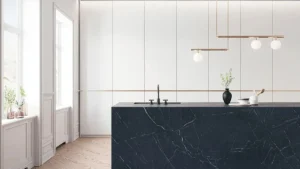
Beautiful stone, often seen in houses and shops, goes by the name marble. Floors shine with it. Kitchens wear it proudly on counters. This rock brings charm plus lifts worth. Starting changes at home? People wonder about the price each foot covers.
Depending on things like the kind of marble, how it’s finished, its thickness, and what installers charge, prices shift. Not every marble breaks the bank – some fit regular budgets just fine. Fancy types brought in from far away? Those often cost much more.
Homeowners who understand how marble prices work can set a realistic budget while picking what fits their room best. This guide walks through cost details, setup expenses, common kinds of marble, and key things to weigh when buying.
Average Marble Price Per Square Foot
Most marbles sit between five and forty dollars per square foot, just for the stone. Pricier stones come from faraway places, their cost climbing with how rare they look. Getting it set into place? That charge shows up on a different line.
Starting cheap, basic local marble fits most ordinary floor jobs without strain. On another note, high-end types brought in from places such as Italy carry fancy swirls and sleek shine, which bumps up the price.
Read More: Marble Floor Installation Cost
Factors That Affect Marble Price Per Square Foot
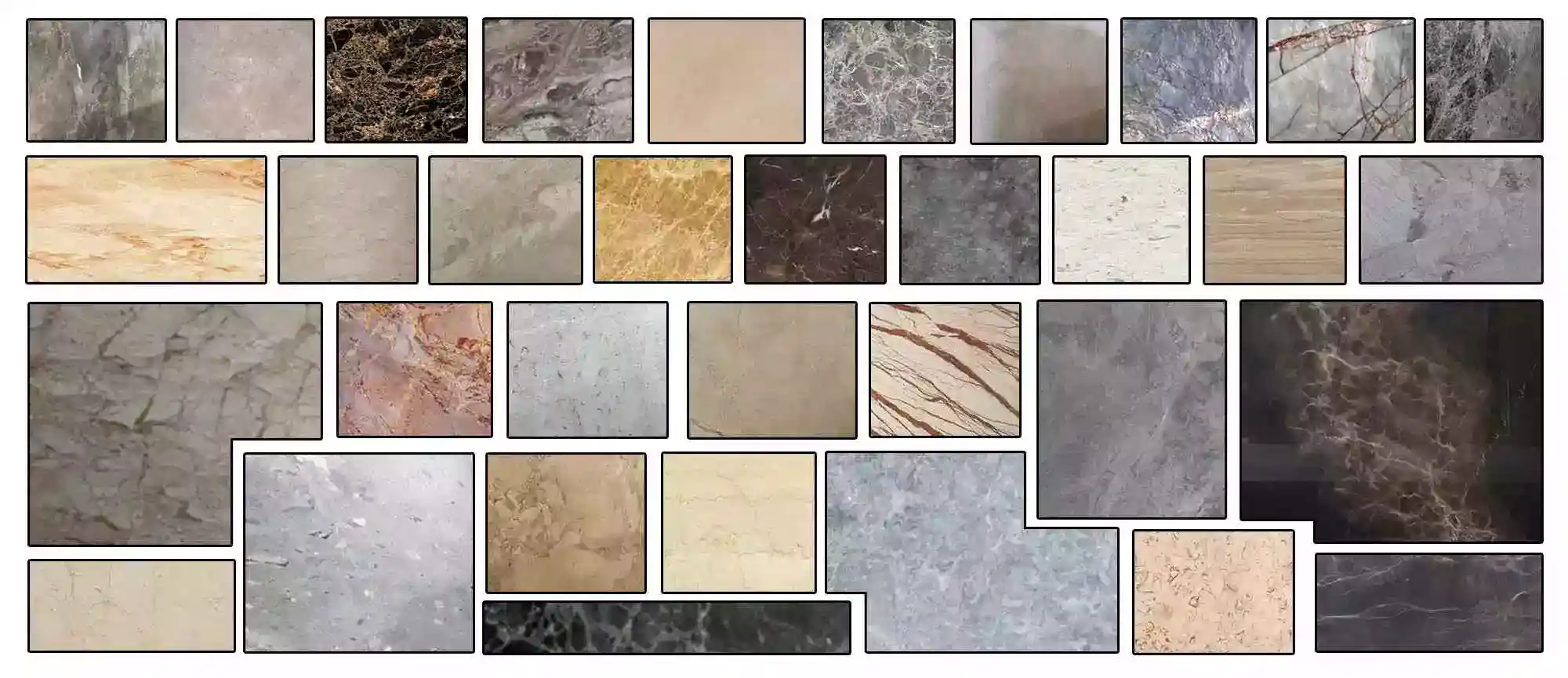
The price of marble per square foot depends on more than just appearance. Learning what shapes the price lets you pick a stone fitting your look plus spending plan.
Marble Type
Some marbles cost more than others, depending on the type. Because it travels shorter distances, local stone tends to be cheaper. Shipping expenses stack up, plus global buyers want it more, so imports run pricier.
Smooth to the touch, Italian marbles like Carrara and Calacatta stand out for their rich look. Because they carry unique veining, these stones often fetch higher prices. Rare hues add worth just as much as the feel in the hand. Their appeal grows when patterns twist in uncommon ways.
Homeowners who value long-lasting materials often pick local marble – it’s kinder to the wallet. Yet, fancy finishes pull others toward stones from abroad, drawn by their polished uniqueness.
Marble Quality
What marble feels like under your hand changes how much it costs. Slabs without many splits tend to show neat lines across their surface. A smooth top layer often means less wear over time. When cared for, tougher pieces hold up better through years of use.
Some marble just isn’t quite as clean looking – more flaws show up, and colors shift where you don’t expect. Priced lower? Yes – but later down the line, chances are it’ll need extra fixes, maybe a few rounds of smoothing again.
Beautiful marble shows up in high-end houses, fancy hotels, plus sleek office spaces – its polished look stands out, lasts decades without fading. A quiet elegance lives in each slab, catching light differently every morning. Not just strong, it ages like old stories told slowly, gaining depth over time.
Marble Slab Thickness
Some marble slabs come thin, others thick – typically between 10mm and 20mm. When the slab is thicker, it handles wear better, yet asks a higher price. Strength rises with size, though so does weight and expense. Heavier pieces demand sturdier support without saying much about luxury or style.
Though lighter marble cuts costs on walls or ornamental spots, heavier slabs often suit busy floors and kitchen surfaces better.
Bulkier pieces mean higher shipping fees, since moving them takes extra workers and specific equipment.
Marble Finish
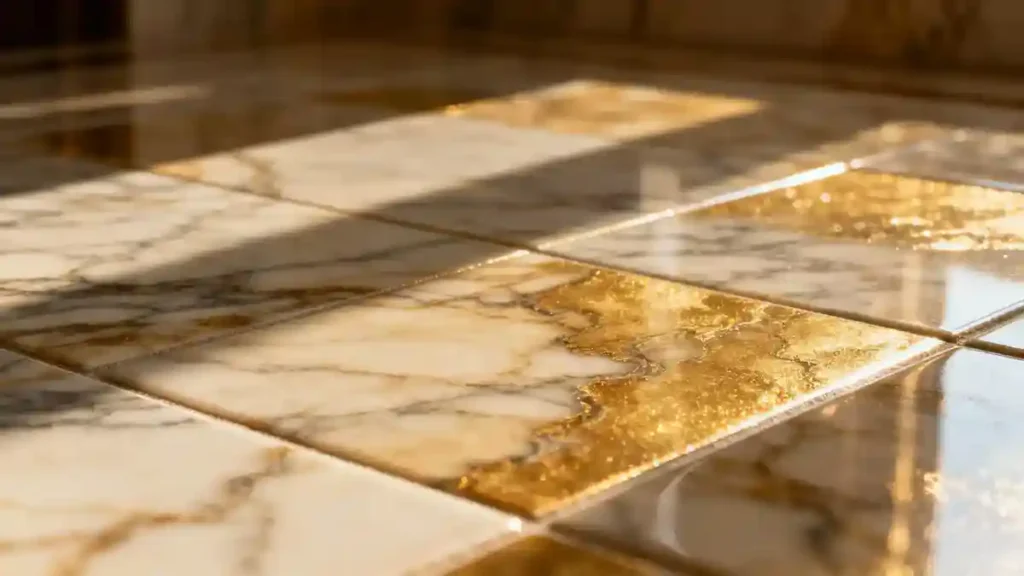
Holding its shine tightly, a polished marble surface catches light like quiet lightning across stone. Price climbs higher here because extra labor smooths each slab to mirror clarity. Looks shift dramatically when reflection stretches deep into the material instead of glancing off. Work steps multiply behind the scenes just to reach that gleam everyone notices without naming it.
A soft look with a modern feel comes from honed marble’s matte surface. For decoration, leathered or rough textures work just as well.
Whatever look you go for hinges on what feels right, how much upkeep seems manageable, and then money talks, too.
Installation Charges
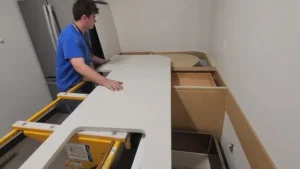
Fees pile up when you add labor to the price of marble tiles. A skilled worker handles each slab – shaping it, setting it flush, smoothing seams, adding shine, then protecting it with a coat that keeps stains out.
Pricing tends to stay low when floors follow basic layouts. Extra work shows up in the bill if the design includes special shapes or detailed edges.
Wrong moves during setup might cause splits, bumpy areas, or harm over time – this is why seasoned fitters matter. When skills are lacking, results often shift toward flaws that grow worse. People who have done it many times spot risks before they become problems. Their work tends to hold up, simply because they’ve seen what goes wrong.
Marble Cost Per Square Foot With Installation
Most people worry about how much the materials cost, yet skip thinking about what it takes to get them installed. Actually putting things together often adds way more to the total than expected.
Some high-end marble jobs involving special patterns or overseas stone exceed standard pricing. Extra steps like sealing edges or moisture barriers add more to the bill.
Popular Types of Marble and Their Costs
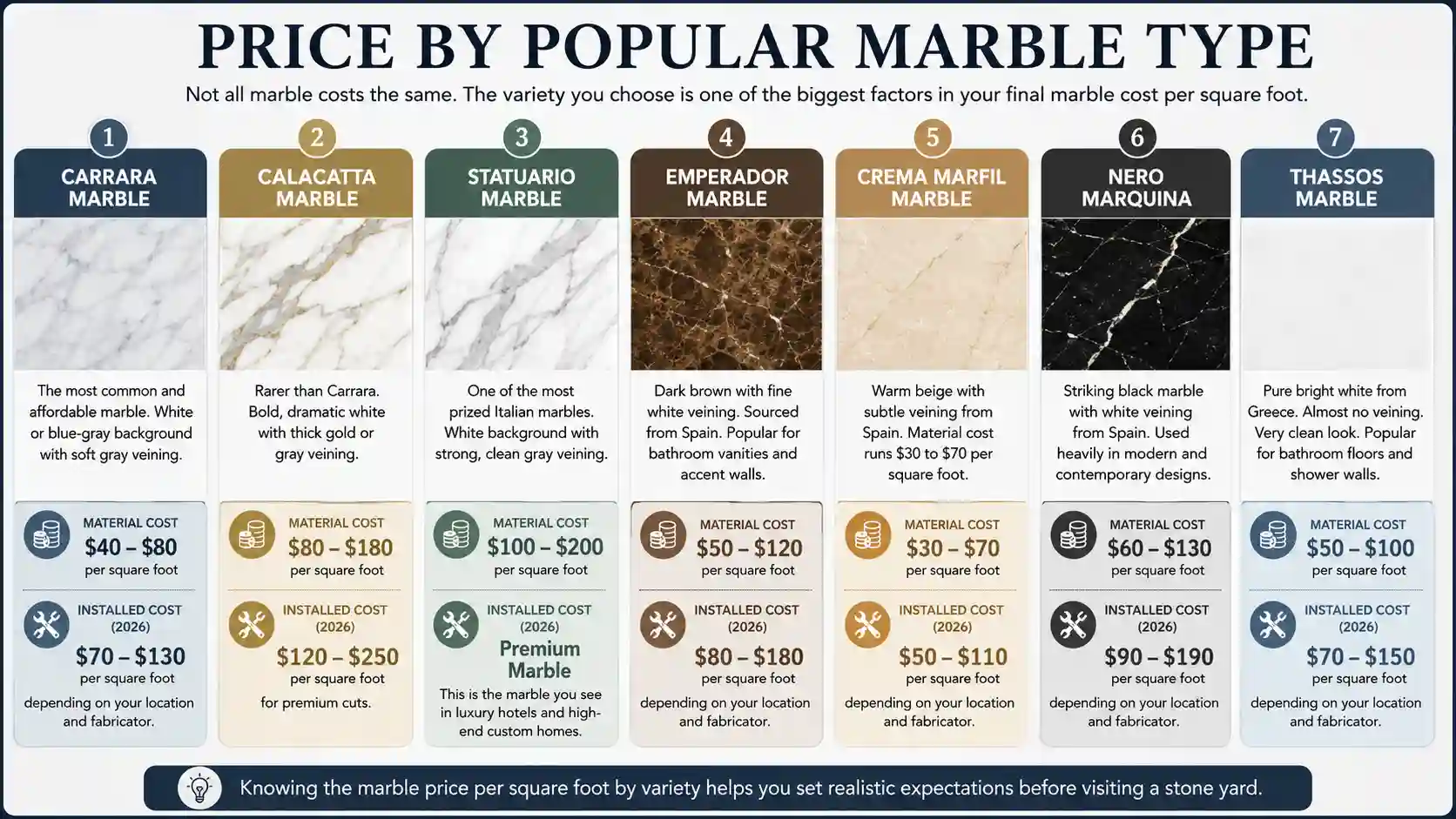
Some marbles feel rough, others smooth – each brings its own look and strength. Take Carrara, for example: soft gray swirls, around $60 per square foot. Statuario stands out with bright white tones, often near $100 a piece. Calacatta costs more, sometimes hitting $180, thanks to bold veining. Emperador leans brown or greenish, usually between $40 and $70. Each type holds up differently over time – one might scratch more easily, another fades in the sun. Price shifts based on where it’s mined, how it’s cut.
Carrara Marble
White stone with faint gray lines often shows up in homes. This kind of rock, called Carrara marble, stays popular for indoor spaces.
From time to time, you’ll find that this marble costs less than other kinds from Italy. Countertops take it nicely, also floors, along with walls inside bathrooms.
Priced from forty to eighty dollars each square foot once set in place, Carrara marble shifts cost based on how clear the slab looks or what surface treatment it gets.
Calacatta Marble
White stone with bold streaks catches the eye right away. Often found in high-end houses, it stands out as a top choice for elegant spaces.
Striking designs stand out against the crisp, clean backdrop – perfect for cooking spaces or accent walls. A sharp look grabs attention without trying too hard. Bright tones reflect light well, adding depth where it matters most.
Pricing tends to sit between thirty and sixty dollars a square foot when it comes to the raw product, while getting it put in runs extra.
Statuario Marble
White stone called Statuario stands among the least common marbles found now. Its base shines like Calacatta, yet streaks of dark gray cut across in bold lines.
Found in high-end hotels, this marble stands out due to its refined look. Its presence in bespoke residences comes from how it catches light so softly. Often chosen for grand spaces, the stone adds quiet sophistication without trying too hard.
Pricing for Statuario marble shifts with supply – sometimes it hits $40 a square foot, other times it climbs near $100 when slabs are top grade.
Makrana Marble
Known best for building the Taj Mahal, Makrana marble stands strong over time. Not easily worn down, it holds up well under daily stress. From ancient monuments to modern floors, its strength shows clearly. The weather does little harm, even after many years pass.
From old cottages to sleek city apartments, this stone stands the test of time while looking sharp. Its smooth surface ages slowly, catching light without fading charm.
Fresh off the quarry, Makrana marble runs between eight and twenty dollars per square foot – solid value shows up quietly here. Homeowners often find this range fits without stretching.
Travertine Marble
From nature’s touch comes travertine marble, its surface alive with subtle ridges and pores. Patios gain character when built with this stone, each slab telling time through pattern. Bathrooms embrace it too, drawn to the way light plays across cool tones. Decorative walls rise stronger yet softer because of their presence. Outside spaces hold up under sun or rain thanks to quiet durability woven into its form.
A rough texture defines this stone, while its colors pull from soil, clay, and bark. Each piece carries a quiet warmth found in nature’s deeper shades.
Pricing for travertine shifts depending on how it’s finished or how thick the slabs are; still, many see it as sitting right in the middle when compared to marble costs.
Marble vs Granite Cost
The Marble and Granite debate is one that many people face before they make their choice.
Feature Marble Granite
- Average Cost $5 – $40+ $4 – $25+
- Appearance: Luxurious Natural stone appearance
- Durability moderate high
- Maintenance High Low
- excellent heat-resistant
Granite is preferred for its toughness, while marble is desired for its beauty.
Custom Sizes for countertops and walls
Bigger slabs of marble enable a more seamless look with less breaking, which makes the rooms more elegant and bigger. Is Marble Worth It?
Is marble worth it? That’s really a matter of how much you are willing to spend and what you want to do in your area.
If you are seeking: Marble makes a great choice.
- Luxuriously look
- Long-lasting Floors
- Higher Property Value
- One of a kind, like nature
Is Marble Worth the Cost?
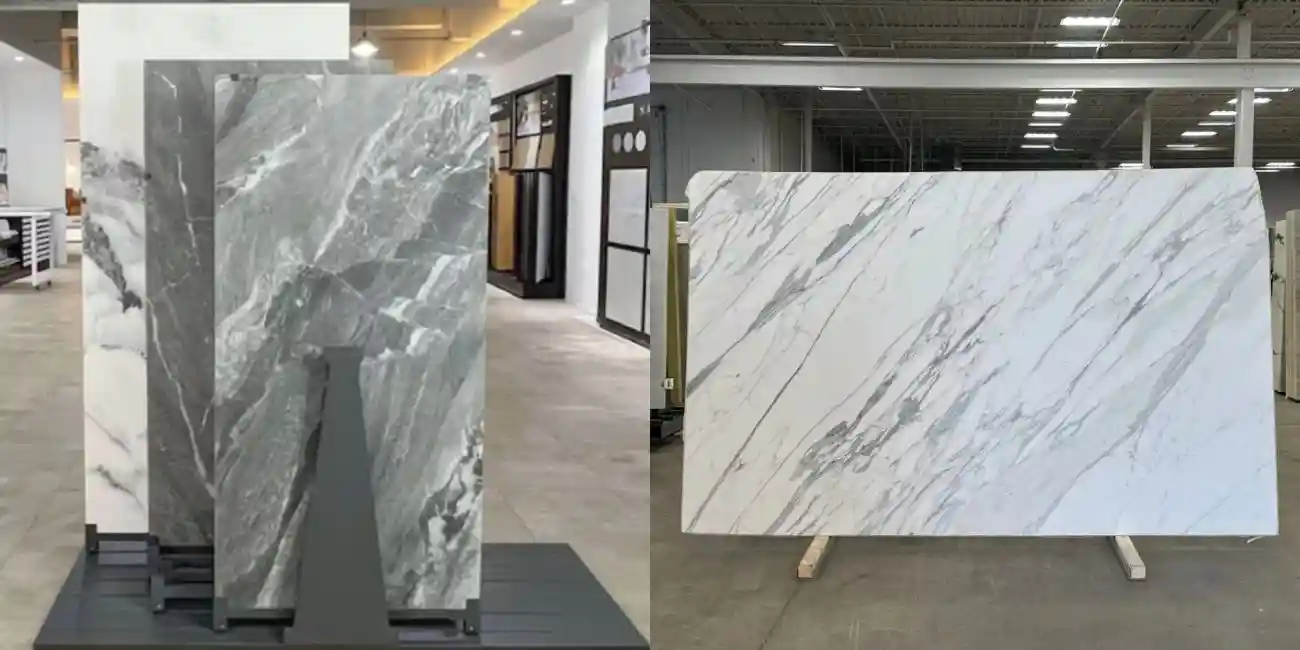
Beauty comes through in marble, lifting both the look and the worth of a home. Even so, upkeep is needed – still, people love how it feels timeless and real.
Stone like marble fits right into floors, baths, kitchen tops, and even standout walls. Each piece shows its own lines and flows – no two ever match up exactly. That difference brings something special to any house.
Well-kept marble lasts many years, slowly deepening its charm over time. A surface cared for today shapes how spaces feel tomorrow.
Conclusion
If you want to know “What is the price of marble per square foot?”, the cost depends on type, quality, finish, and installation. On average, marble ranges from $5 to $40 per square foot, while premium options can cost more.
Marble installation and maintenance costs vary by area and usage. It works well for floors, countertops, and feature walls, giving a premium and elegant look to any space.
If you are planning a home upgrade, Marble floor Installation in Lowell MA ensures proper fitting and a clean, long-lasting finish. Always compare suppliers, check total costs, and choose a marble type that fits your budget and style.
For expert help and quality service, contact SF Marble and Granite.
FAQs
What is the average price of marble per square foot?
The average price of marble ranges from $40 to $100 per square foot installed. Premium marble types and custom edge profiles can increase the total cost depending on the project size and design.
How much would 500 pounds of marble cost?
The cost of 500 pounds of marble depends on the marble type and thickness. On average, raw marble can cost between $300 and $1,500 for 500 pounds, while finished marble slabs for countertops may cost more due to fabrication and installation.
How much does a 10 foot marble countertop cost?
A 10 foot marble countertop usually costs between $2,000 and $5,000 installed. The final price depends on the marble quality, slab thickness, edge style, backsplash, and labor costs.
How much does 1 sq ft of marble cost?
One square foot of marble generally costs between $10 and $50 for the material alone. With fabrication and installation included, the price can range from $40 to $100 per square foot.
Is marble cheaper than granite?
In many cases, marble is slightly more expensive than granite, especially for high-end marble slabs. Granite is often more affordable, durable, and easier to maintain, while marble offers a more luxurious and elegant appearance.