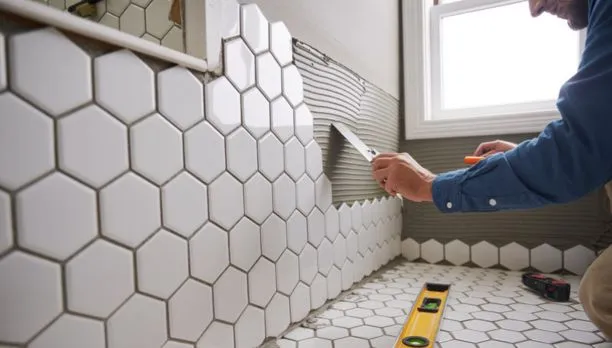
Basics of Hexagon Tiles | A Beginner’s Guide to Geometric Elegance
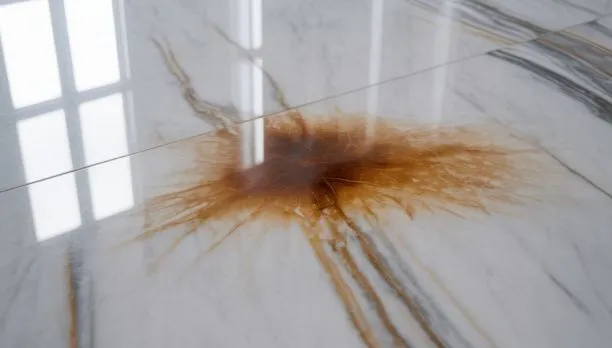
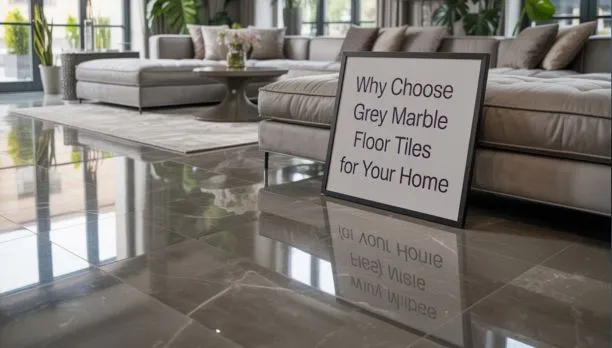
Basics of hexagon tiles are becoming increasingly important for homeowners and designers looking to add a stylish, geometric flair to their interiors. These six-sided tiles offer a perfect blend of tradition and modernity, often used in backsplashes, bathroom floors, and feature walls. Whether you’re planning a kitchen update or a full bathroom remodel, understanding the shapes, sizes, materials, and layout patterns of hexagon tiles can help you make smarter design choices from the start. At SF Marble and Granite Inc., we specialize in premium tile and stone installations across Lowell, MA, including eye-catching hexagon tile applications. With over a decade of experience in marble flooring, granite countertops, and backsplash installation, we help clients explore not just the look but also the function and long-term value of hexagon tile designs. This guide will walk you through the essential aspects to know before choosing hex tiles for your next project. What Are Hexagon Tiles? The basics of hexagon tiles start with understanding their unique shape and style. A hexagon tile has six equal sides and fits together in a honeycomb pattern. This layout adds texture and a modern feel to any surface, whether it’s a kitchen wall or a bathroom floor. At SF Marble and Granite, we help homeowners in Lowell choose hexagon tiles that match their space, budget, and design preferences. Hexagon tiles come in different materials. Each type has its use and finish. Ceramic is affordable and best for walls Porcelain is stronger and works well on floors Marble gives a luxurious, timeless look Natural stone adds texture and warmth Glass or metal is good for modern accents They also come in various sizes and thicknesses. Smaller tiles are used for tight spaces or detailed work, while larger tiles cover wide areas with fewer grout lines. Small (1 to 3 inches) for mosaics and showers Medium (4 to 6 inches) for backsplashes and floors Large (7 inches and up) for open areas Most hex tiles are between 6 mm and 10 mm thick. Thicker tiles last longer, while thinner ones are easier to install on walls. History and Design Significance The basics of hexagon tiles go back to ancient times. These six-sided tiles were used in Roman floors and became popular in Europe for their strong, balanced look. Historical Origins Used in Roman and Victorian designs Known for strength and style Common in old homes and public buildings Why Hexagon Tiles Work Hex tiles fit tightly together, making surfaces smooth and clean. They add shape and texture without being too bold. Great for small or large areas Easy to mix with other styles Looks neat and eye-catching A hexagon backsplash kitchen adds a modern touch while staying timeless. Timeless and Trendy Hex tiles work with many materials, including stains out of thick grey marble. This makes them perfect for classic or trendy spaces. Never out of style Adds value and elegance Works in both old and new homes At SF Marble and Granite, we help you use the basics of hexagon tiles to design beautiful and lasting spaces. Popular Areas to Use Hexagon Tiles The basics of hexagon tiles make them perfect for many spaces. Their clean lines and flexible design work well in both classic and modern homes. Kitchen Backsplashes A white hexagon tile gives kitchens a fresh, clean look. It pairs nicely with wood, stone, or vertical shiplap. Easy to wipe clean Modern yet timeless Bathroom Floors and Walls Hex tiles offer style and safety in wet areas. They go well with natural materials, like sealing a marble floor. Slip-resistant Great for shower floors and walls Entryways and Accent Walls Use hex tiles to highlight a space or create a custom medallion layout. Adds visual interest Makes small spaces stand out Outdoor Patios Hex tiles also work well outside. With proper sealing, they last long and look great. Durable for the weather Ideal for walkways or sitting areas At SF Marble and Granite, we use the basics of hexagon tiles to help you design spaces that are stylish and built to last. Types of Hexagon Tiles by Material Understanding the basics of hexagon tiles means knowing the materials they come in. The right material affects how your tiles look, feel, and perform in everyday use. Whether you’re updating your kitchen or removing old flooring, the choice matters. Marble Hexagon Tiles Marble brings elegance and a natural stone finish to any space. It works especially well in bathrooms and entryways where you want luxury. Pairing hexagonal tile flooring with warm touches like wood or butcher block countertops creates a balanced, high-end look. Natural veining and texture Timeless and classic Porcelain and Ceramic Hexagon Tiles Porcelain and ceramic are top picks for kitchens and bathrooms. They’re easy to clean and come in many styles, from simple matte to bold patterns. Great for high-moisture areas Affordable and durable Natural Stone vs. Manufactured Tiles Natural stone like slate, travertine, or marble has a unique texture and color. Manufactured tiles, like glazed ceramic or porcelain, offer more consistent finishes and lower maintenance. Natural stone gives a rustic, earthy look Manufactured tiles are uniform and budget-friendly We help you choose the right material based on your style and space. With the basics of hexagon tiles in mind, picking the best fit for your flooring or backsplash becomes much easier. Pros and Cons of Hexagon Tiles When exploring the basics of hexagon tiles, it’s helpful to weigh the benefits and drawbacks. Hex tiles offer a stylish upgrade to floors and walls, but like any material, they come with pros and cons. If you’re planning a kitchen makeover and searching for quartz countertops near me, consider pairing them with hex tiles for a complete and modern look. Quick Look: Pros and Cons of Hexagon Tiles Pros Cons Strong and long-lasting Requires more grout lines Unique and stylish design Installation needs precision Fits many design styles Can cost more than standard tiles Works on walls and floors Needs regular grout maintenance Hexagon tiles are beautiful and
Basics of Hexagon Tiles | A Beginner’s Guide to Geometric Elegance Read More »