S F Marble & Granite

Marble and Granite

epoxy-for-granite-seams

Epoxy for Granite Seams: The Complete Guide to Seamless Countertop Repair

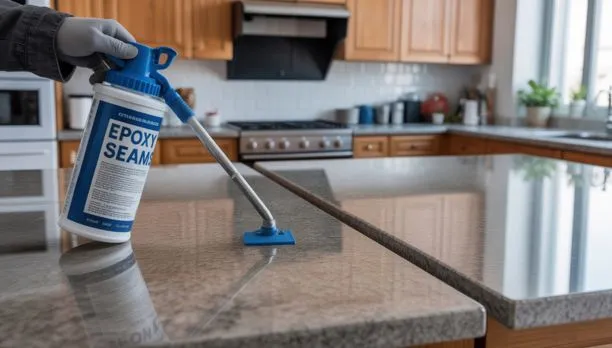
Epoxy for granite seams is the best way to keep countertops smooth, strong, and attractive. At SF Marble & Granite Inc., we know that seams naturally appear where two granite slabs meet, and while they’re a normal part of installation, they can sometimes become more visible with use. Over time, these seams may collect dirt, absorb moisture, or even weaken due to daily kitchen activity and the settling of cabinets. Repairing and maintaining them with the right epoxy not only restores a seamless look but also protects your granite countertops for long-lasting beauty and durability. What Is Epoxy for Granite Seams? Epoxy for granite seams is a strong adhesive used to bond and fill the gaps between granite slabs. At SF Marble and Granite, we rely on this solution because it not only strengthens the joint but also blends naturally with the stone, giving your countertops a seamless and polished appearance. Benefits of Using Epoxy Over Other Fillers Creates a durable bond that lasts for years Can be color-matched for a natural look Resists heat, water, and daily wear Works well for granite repair epoxy and epoxy countertop fixes More reliable than caulk or regular glue Epoxy is also versatile enough to be used in marble epoxy applications and even in concrete floor repair, making it the preferred choice for both homeowners and professionals. When applied correctly, it restores strength and beauty to granite surfaces while keeping seams nearly invisible. Types of Epoxy for Granite Seams When it comes to repairing or blending seams, the right epoxy for granite seams makes all the difference. Every countertop is unique, so choosing the correct epoxy type ensures that the repair is both durable and visually seamless. Many homeowners consider options like countertop colour change or chip repair, but often a simple seam treatment with the right epoxy can restore the look without major renovations. Common Types of Granite Seam Epoxy Clear Epoxy: Ideal for light-colored stones or when a natural, glass-like finish is desired. Color-Matched Epoxy: Can be tinted to blend perfectly with granite patterns, hiding seams. Quick-Setting Epoxy: Ideal for small repairs and fast jobs where curing time matters. Long-Curing Epoxy: Provides stronger bonding and is often used for professional countertop installations. Choosing the right granite seam epoxy depends on the project’s needs. For example, if you’re wondering how heavy they are when dealing with large slabs, a long-curing epoxy may be best because it offers maximum strength for supporting the weight. On the other hand, for a quick chip repair, a fast-setting product can deliver excellent results. With the right choice, your seams remain strong, invisible, and long-lasting. How to Choose the Right Epoxy Picking the right epoxy for granite seams is the key to achieving a flawless and long-lasting repair. Since granite slabs naturally meet at joints, the adhesive you select should not only bond strongly but also blend smoothly with the stone. Whether you’re looking to treat existing seams, remove visible cracks, or install new countertops, the right epoxy makes all the difference. Key Factors When Selecting Granite Joint Epoxy Matching Color and Texture: Choose an epoxy that can be tinted to match your granite’s shades and patterns for a natural, invisible finish. Durability and Resistance: Ensure it can withstand heat, moisture, and daily use without breaking down. Ease of Application: Look for epoxies that mix easily, spread smoothly, and cure at a manageable pace for your project. The best granite joint epoxy will seamlessly blend strength with appearance. By focusing on color match, resistance to kitchen conditions, and ease of application, homeowners can keep countertops looking like they were never repaired. With the right choice, your granite seams remain strong, attractive, and built to last. You May Also Read: How Thick Are Granite Countertops? Step-by-Step Process of Applying Epoxy Applying epoxy for granite seams is a simple process when done with the right preparation. Proper technique ensures a seamless bond that not only strengthens the stone but also keeps your countertops looking natural. Whether the seam is near a dishwasher, an undermount sink, or an edge that has slightly decomposed over time, careful application makes the repair last. How to Apply Epoxy for Granite Seams Cleaning and Preparing the Seam: Remove dirt, grease, and loose particles to ensure the epoxy bonds well. Mixing Epoxy Properly: Combine the resin and hardener in equal parts until smooth and consistent. Applying and Leveling: Spread the epoxy into the seam evenly and use clamps or seam setters to align slabs. Curing and Finishing Touches: Allow enough time for curing, then scrape off excess and polish for a flawless finish. When applied correctly, epoxy for granite seams creates a bond that blends seamlessly with the countertop. The process not only restores strength but also gives the surface a polished, professional look, ensuring your granite continues to serve both beauty and function in your home. Pro Tips for Seamless Results Getting the best finish with epoxy for granite seams comes down to technique and detail. Even during professional countertop installation, small adjustments make a big difference in how natural and polished the seams appear. Many homeowners searching for granite countertops near me want not just durability, but also a flawless finish that hides seams completely. Tips for Perfect Seam Repairs Using Pigments for Natural Look: Add small amounts of color to match the unique shades and veining of your granite. Preventing Air Bubbles: Mix epoxy slowly and apply carefully to avoid tiny gaps that weaken the bond. Blending Epoxy with Polish: After curing, polish the seam area to merge the epoxy with the natural surface shine. By following these steps, epoxy for granite seams becomes almost invisible, leaving your countertops with a clean, continuous look. The right technique ensures your granite not only stays strong but also enhances the overall beauty of your kitchen or bathroom space. Common Problems and Solutions Even with high-quality epoxy for granite seams, certain challenges may appear if the repair or installation isn’t done properly. Issues like misalignment,

Epoxy for Granite Seams: The Complete Guide to Seamless Countertop Repair Read More »

concrete-floor-repair

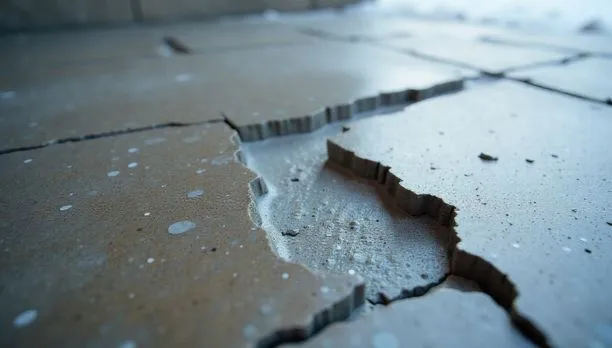
Concrete Floor Repair | How to Fix Cracks, Holes, and Uneven Surfaces

Concrete floor repair is one of the most important steps in keeping your space safe, functional, and visually appealing. At SF Marble and Granite Inc., we understand that even the toughest concrete floors can develop issues over time. Cracks, chips, holes, and uneven surfaces are not just cosmetic problems; they can create safety hazards, weaken the structure, and shorten the lifespan of your flooring. By addressing these issues early, you protect your investment while restoring strength and durability. A properly repaired floor not only improves safety but also enhances the overall appearance of your home or business. Whether it’s a small crack in your basement or a large surface issue in a commercial property, timely repairs ensure your concrete floor stays reliable for years to come. Causes of Concrete Floor Damage Concrete floors may look solid, but over time, they can develop issues that require concrete floor repair. At SF Marble and Granite, we often find that most damage comes from natural wear, environmental factors, or poor installation. Knowing the root causes helps in planning the right concrete repairs for long-term durability. Main Reasons for Concrete Damage Natural settling of the foundation – Shifting soil beneath a building often leads to cracks. Heavy loads and traffic – Continuous pressure from vehicles or machinery weakens concrete floors. Moisture and water seepage – Water intrusion breaks down the structure and accelerates cracking. Freeze-thaw cycles – Expansion of frozen water inside cracks worsens surface damage. Poor installation or materials – Weak mixes and improper curing reduce lifespan. Concrete floors remain strong when properly installed, but unlike natural stones, such as heat-resistant marble or when using marble on concrete, they require ongoing care. Addressing these causes early ensures a safer surface and prevents the need for expensive replacements later. Signs Your Concrete Floor Needs Repair A solid concrete floor should remain smooth and durable for years, but when damage appears, timely concrete floor repair becomes necessary. At first, the signs may look small, but ignoring them can lead to larger problems that require costly fixes. Understanding these warning signs helps you take quick action with the right floor concrete repair solutions. Common Warning Signs Visible cracks or spalling – Small surface cracks can grow over time, while spalling causes flaking or chipping. Uneven or sinking areas – Settlement beneath the floor often leads to sections that dip or rise. Holes and potholes – High-traffic zones or poor material quality can create deep surface damage. Water pooling or moisture intrusion – Standing water signals weak spots that can break down the concrete further. Dusting or surface wear – A powdery surface often indicates the top layer of concrete is deteriorating. When you notice these issues, it’s important to act quickly. In some cases, sealing with epoxy can restore strength, while in outdoor spaces, using durable concrete pavers may be a better solution. Regular inspections and timely concrete repairs not only extend the life of your floor but also improve safety and appearance. DIY vs. Professional Concrete Floor Repair Choosing between DIY and professional concrete floor repair depends on how serious the damage is. Small cracks or light touch-ups can usually be handled at home, while structural problems need expert care. DIY Repairs Small cracks or chips Surface touch-ups with epoxy Cosmetic overlays like faux marble finishes Professional Repairs Deep structural cracks Sinking or uneven slabs Wide gaps or preparing concrete for travertine installation Minor fixes are fine for DIY, but larger issues call for professional concrete repair to ensure durability and safety. Step-by-Step Concrete Floor Repair Process Successful concrete floor repair is more than patching cracks; it’s about restoring strength and a clean finish. Whether preparing for bedroom flooring or supporting heavy areas like quartz countertops, the right process makes all the difference. Repair Steps Inspection and Assessment – Identify cracks, holes, and uneven spots. Surface Preparation – Clean and clear the area for better bonding. Choosing the Right Method – Seal small cracks, patch holes, level floors, or resurface large areas. Application of Materials – Use the right compounds and bonding agents. Curing and Drying – Allow time for proper hardening. Finishing and Polishing – Smooth, seal, or polish for durability. By following these steps, concrete floor repair ensures a durable surface that looks clean and stays strong for years. Why Choose SF Marble and Granite? When it comes to concrete floor repair, experience and skill matter. At SF Marble and Granite, we combine years of expertise with quality materials to deliver results that last. Our team understands that every project is different, whether it’s restoring a worn concrete surface or preparing a base for marble floor installation. We don’t just repair; we make sure your floors are safe, durable, and visually appealing. With professional techniques, attention to detail, and customer-focused service, SF Marble and Granite is the trusted choice for homeowners and businesses looking for reliable concrete floor repair solutions. get a free quote Final Thought Timely concrete floor repair is essential to maintain safety, durability, and appearance. Ignoring small cracks or surface issues often leads to bigger, costlier problems later. With the right method and professional care, your floors can last for years without losing strength or style. At SF Marble and Granite, we’re here to help you protect your investment with expert repair and long-lasting results. Don’t wait until minor damage becomes a major issue. Contact us today for reliable concrete floor repair and keep your floors looking their best. FAQs How long does backsplash installation take in Dracut, MA? Most backsplash installations are completed within 1–2 days, depending on the material and design. Can you install a backsplash over existing tiles? Yes, in many cases, backsplash installation can be done over existing tiles if the surface is stable and smooth. What backsplash materials work best for kitchens and bathrooms? Popular options include ceramic, porcelain, glass, marble, and granite, chosen based on durability and style.

Concrete Floor Repair | How to Fix Cracks, Holes, and Uneven Surfaces Read More »

is-marble-heat-resistant

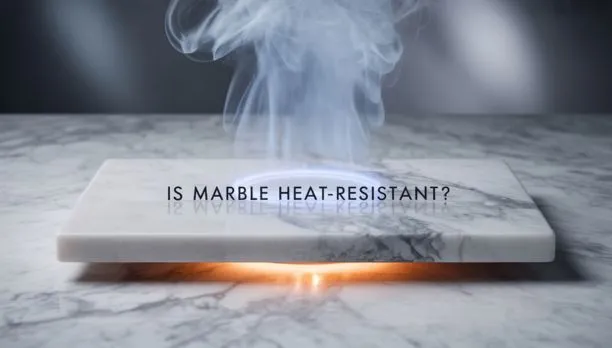
Is Marble Heat-Resistant? A Complete Homeowner’s Guide

Is marble heat-resistant? This is one of the most frequently asked questions by homeowners and designers when considering marble for countertops, flooring, or fireplaces. Heat resistance refers to a material’s ability to withstand exposure to hot items, sudden temperature changes, or direct heat without cracking, staining, or losing its aesthetic appeal. Since marble is a natural stone formed deep within the earth, it has a moderate ability to withstand heat, but it is not completely heatproof. At SF Marble and Granite Inc., we often guide our clients in Lowell and the surrounding areas on how marble behaves under everyday conditions. Whether it’s a hot pan in the kitchen, a curling iron in the bathroom, or the radiant warmth of a fireplace, understanding marble’s heat resistance helps you make informed design choices. With the right knowledge and care, marble can remain a timeless, elegant surface while maintaining its durability and charm. Understanding Marble’s Natural Properties When asked whether marble is heat resistant, the answer depends on its composition. Marble is a natural stone formed when limestone undergoes high levels of pressure deep underground. This transformation results in a beautiful surface that is durable and elegant, but not completely heatproof. At SF Marble and Granite, we explain to our clients that marble can handle moderate heat but still requires care to maintain its long-lasting appeal. Marble’s Mineral Composition and Heat Reaction Calcite – The main mineral in marble; durable but sensitive to high temperatures. Dolomite – Found in some marbles, adding extra strength and resistance. Heat Exposure – Can cause discoloration, dull spots, or surface cracks. Thermal Shock – Sudden temperature changes may weaken marble over time. Although marble is considered a heat-resistant marble, it cannot be compared to a fully heatproof material. This is why sealing marble regularly and avoiding direct exposure to extreme heat is highly recommended. Unlike laminate flooring, which may warp or peel under heat, marble offers timeless beauty with moderate resistance, making it a practical choice when paired with proper care. How Heat Affects Marble Homeowners frequently ask whether marble is heatproof when selecting it for kitchens and fireplaces. While marble can handle everyday heat exposure, its reaction ultimately depends on exposure levels and environment in which it’s being used. Effects of Heat on Marble Surfaces Everyday kitchen heat from warm dishes is usually safe. Direct pans or pots can cause surface damage. Fireplaces may lead to gradual discoloration. Outdoor marble faces risks from sunlight and temperature changes. Extreme heat can weaken sealants and create dull spots. While luxurious marbles bring elegance to interiors and marble mosaic adds style to backsplashes or flooring, both need protection against high temperatures. Even faux marble, though more affordable, cannot provide the same durability as natural stone. So, can marble withstand heat? Yes, but only to a moderate extent. With proper care and prevention, marble remains a beautiful, lasting choice for homes. Marble Heat Resistance in Everyday Scenarios Homeowners frequently ask, is marble heat-resistant enough for everyday use? The answer is yes, with certain restrictions: Marble can tolerate moderately hot items without becoming damaged; however, direct or prolonged exposure to extremely hot items could potentially damage it and its natural beauty may be affected. Being familiar with how marble performs under various household scenarios helps protect its integrity. Everyday Uses and Heat Exposure Placing hot pots and pans on marble countertops can lead to stains, dull spots, or cracks. Small appliances like coffee machines, toasters, or air fryers are generally safe but should not be left running directly on the marble for long periods. In bathrooms, curling irons, straighteners, and other heated tools may cause burn marks if placed directly on the surface. Fireplaces, BBQ setups, and outdoor kitchens with marble features must be protected from continuous, high heat to avoid discoloration. Although marble heat-resistance makes it suitable for many modern homes, taking preventive steps is key. Even premium stones like Greek Thassos marble can lose their shine if exposed to extreme heat without protection. Regular care, such as using trivets and reapplying sealants, along with professional floor polishing, ensures your marble remains elegant and durable for years. When Marble Can Get Damaged by Heat Many homeowners often ask, is marble heat-resistant? The truth is that while marble can handle some heat, it is not fully immune to damage. Understanding the situations where heat can harm marble is important if you want your countertops or floors to last for years. Thermal Shock from Sudden Temperature Changes Marble may crack or fracture when exposed to sudden changes in temperature. For instance, placing a hot pan directly onto a cold marble countertop can put unnecessary strain on its structure, potentially leading to hairline fractures and cracking. Unlike engineered materials, marble is a natural stone and reacts more sensitively to such changes. Direct Flames or Extreme Heat Levels Although marble has a higher heat tolerance than wood or laminate, direct exposure to flames or extreme heat can burn, discolor, or even weaken its surface. A black marble surface, in particular, may show scorch marks more clearly compared to lighter shades. Using trivets or heat pads can help prevent this kind of damage. Long-Term Exposure to Repeated Heat Constantly placing hot cookware, coffee pots, or appliances on marble can wear down its finish over time. This is different from porcelain or engineered stone, which often have added durability against high temperatures. Repeated heating cycles can dull marble’s natural shine, requiring frequent marble cleaning and even professional refinishing. Tips to Protect Marble from Heat Damage Homeowners often ask, is marble heat-resistant? While marble can handle some heat, it’s not fully immune. Direct exposure to very hot items may cause cracks, stains, or dull spots. Protecting your marble is key to keeping it beautiful for years. Simple tips include: Use trivets, mats, and coasters – Prevents direct heat transfer. Avoid very hot cookware – Don’t place pans straight from the oven on marble. Seal surfaces regularly – A good seal from trusted stone suppliers adds protection.

Is Marble Heat-Resistant? A Complete Homeowner’s Guide Read More »

How Heavy Are Granite Countertops

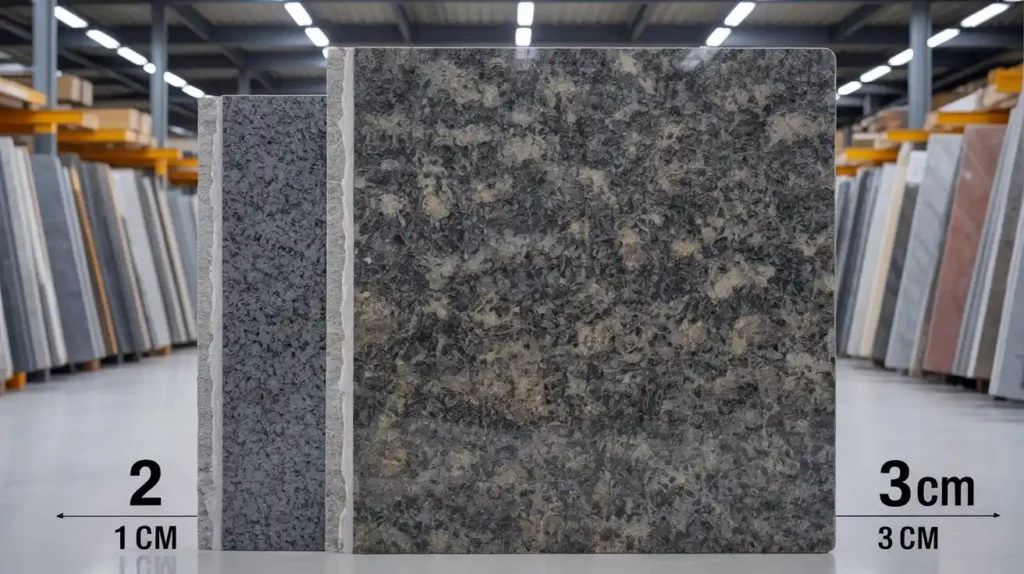
How Heavy Are Granite Countertops? Weight by Size, Thickness, and Slab

When planning a kitchen remodel, one of the first practical questions homeowners ask is: How Heavy Are Granite Countertops? This question matters because weight affects cabinet strength, safe installation, transportation, and long-term durability. Granite is widely known for its natural beauty and strength, but many homeowners still ask, is granite heavy and whether their existing cabinets can support it.  Understanding the granite weight per square foot helps prevent structural issues and unexpected costs. In this guide, we will explain real numbers, practical examples, and what you need to know before installing granite countertops in your home. How Heavy Are Granite Countertops? Granite is a natural stone formed under intense heat and pressure. Because of its density, it is heavier than most countertop materials. At SF Marble & Granite Inc, we help homeowners understand the granite weight per square foot so they can plan their kitchen project properly and avoid structural or installation surprises. Average Weight Per Square Foot The weight of granite per cubic foot is typically around 165–175 pounds. From that, we calculate surface weight based on thickness. 2 cm (¾ inch) Granite Weight Approx. 12–13 pounds per square foot Common in bathrooms and vertical applications Often requires plywood support underneath 3 cm (1¼ inch) Granite Weight Approx. 18–20 pounds per square foot Most common for kitchens Usually installed without plywood So if you’re asking, how much does granite weigh per square foot, the answer depends on thickness. But on average, expect between 13 and 20 lbs per square foot. That’s why many homeowners ask again: Is granite heavy? Yes, but it is manageable when installed correctly. Total Weight of a Full Granite Slab A standard granite slab measures roughly: 9 to 10 feet long 5 to 6 feet wide 2 cm or 3 cm thick A full 3 cm slab can weigh 700–1,000 pounds. That number often surprises people who ask, how heavy is granite compared to other materials? The answer: significantly heavier than laminate or solid surface. Example Weight Calculation Let’s say you have 50 square feet of countertop space: 50 sq ft × 18 lbs (3 cm granite) = 900 pounds total This gives you a clear idea of the overall kitchen weight. Granite Countertop Weight by Kitchen Size To make it easier, here are common kitchen examples. Small Kitchen (30 sq ft) 3 cm granite: ~540 pounds Medium Kitchen (50 sq ft) 3 cm granite: ~900 pounds Large Kitchen with Island (70 sq ft) 3 cm granite: ~1,260 pounds When homeowners hear these numbers, they often ask again: Is granite heavy for cabinets? In most cases, standard kitchen cabinets are built to support this load. Factors That Affect Granite Countertop Weight Not every project weighs the same. Several elements influence final weight. Slab Thickness (2 cm vs 3 cm) Thickness is the biggest factor. 2 cm granite weighs less but needs support. 3 cm granite weighs more but is structurally stronger. Most kitchens use 3 cm because it balances durability and stability. Countertop Size and Layout More surface area means more total weight. L-shaped kitchens, U-shaped kitchens, and islands increase weight quickly. Edge Profiles and Custom Fabrication Thicker edges, laminated edges, and decorative profiles add material. Custom fabrication slightly increases total weight. Cutouts for Sink and Cooktop Cutouts actually reduce weight slightly. However, they create stress points that require reinforcement during installation. Granite vs Other Countertop Materials (Weight Comparison) Understanding comparisons helps homeowners make informed choices. Granite vs Quartz Quartz has a similar density. In fact, quartz typically weighs: 18–23 pounds per square foot (3 cm) So, when asking how heavy is granite compared to quartz? The difference is minimal. Granite vs Marble Marble’s weight per square foot is very close to granite’s. Both are natural stone and dense materials. Granite vs Laminate Here’s where weight changes significantly. Laminate countertop weight per square foot is only: 2–4 pounds per square foot That is much lighter than granite. So if you compare the laminate countertop weight per square foot with granite, the laminate is dramatically lighter. But laminate lacks the durability and lifespan of natural stone. This is often when homeowners understand why granite feels solid and long-lasting. Do Granite Countertops Require Extra Support? The short answer: usually no if cabinets are properly built and level. Cabinet Strength Requirements Standard modern kitchen cabinets are designed to hold granite weight. If cabinets are: Securely anchored Level Structurally sound They can support typical granite loads without issues. Support for Overhangs and Islands Overhangs over 10–12 inches need support brackets. Examples: Breakfast bars Large islands Seating areas Without support, weight distribution can cause stress cracks. Brackets and Reinforcement Options Common support solutions include: Steel countertop brackets Hidden island supports Corbels Reinforcement rods Before installation, cabinets are carefully assessed to ensure they are level, secure, and strong enough to support the weight of granite, helping prevent structural problems later. How Granite Weight Impacts Installation Weight directly affects installation planning. Professional Installation Requirements Because a single slab can weigh hundreds of pounds, granite installation requires: Multiple trained installers Proper lifting tools Safe handling techniques DIY installation is not recommended. If you are planning a remodel and need expert help, consider professional Countertop Installation Lowell, MA services to ensure proper structural support and safe installation. Transportation and Handling Granite must be transported vertically on A-frames. Improper handling can cause cracks before installation. Structural Considerations for Remodels If installing granite in older homes: Check the cabinet condition Confirm floor stability Inspect wall anchoring These steps ensure the structure supports the full granite load safely. You may also read: How to Treat Granite Countertops Why Granite Countertops Are Worth the Weight Yes, granite is heavy. But weight is part of its value. Strength and Durability Granite resists: Scratches Heat Daily wear Its density gives it strength. Long-Term Value Granite can last decades with proper sealing. Many homeowners view it as a permanent upgrade. Natural Beauty Each slab is unique. Patterns and veining cannot be replicated exactly. This combination of strength and beauty explains

How Heavy Are Granite Countertops? Weight by Size, Thickness, and Slab Read More »

how-to-treat-granite-countertops

How to Treat Granite Countertops | A Complete Step-by-Step Guide

How to treat granite countertops is a question every homeowner should consider if they want to keep their kitchen surfaces strong, shiny, and stain-free. Granite is naturally durable, but as a porous stone, it requires proper care and sealing to maintain its beauty over time. Without regular treatment, spills from water, oil, or acidic liquids can seep into the surface, leaving stubborn marks. At SF Marble and Granite Inc., we’ve seen how consistent sealing and maintenance can protect countertops from everyday wear while enhancing their natural elegance. Proper treatment not only preserves the stone’s rich color and polished finish but also extends its lifespan, ensuring your investment continues to add value and style to your home. Signs Your Granite Needs Treatment When learning how to treat granite countertops, it’s important to spot early signs that your stone needs care. At SF Marble and Granite, we remind homeowners that knowing how to care for granite countertops starts with simple checks. Water Absorption Test Drop a little water on the surface. If it darkens or soaks in, it’s time to reseal. Stains or Dull Look Oil marks, water spots, or a faded shine show the seal is wearing off. Resealing Frequency Most granite needs sealing every 12–18 months. Usage, stone type, and cleaning products can shorten this timeline. If you’re looking for trusted stone suppliers or searching for granite countertops near me, make sure you work with experts who can guide you on the right maintenance schedule. Preparing the Countertop Surface Before beginning how to treat granite countertops, the surface must be correctly prepared. A clean and dry base ensures sealers work effectively while protecting the stone. Many homeowners ask How can you clean granite before sealing? The answer lies in using appropriate methods and tools. Steps to Prepare Granite Clean with warm water and mild dish soap Wipe using a soft microfiber cloth Let the surface dry completely before sealing Gather materials: gloves, sealer, cloths, spray bottle Check corners and edges for hidden moisture Proper preparation makes a big difference. Whether you’re planning to install granite, remove granite, or add appliances like a dishwasher, following these steps ensures your countertops stay in top shape for years. Choosing the Right Granite Sealer One of the most important steps in how to treat granite countertops is selecting the right sealer. Granite is durable, but being a natural stone, it needs proper protection to remain flawless over time. The right sealer not only safeguards against stains and moisture but also makes everyday care easier. Homeowners who want to know how to maintain granite countertops must start with this choice. Penetrating Sealers vs. Topical Sealers Penetrating Sealers: Absorb into the stone, protecting it from the inside out. Best for long-lasting defense. Topical Sealers: Sit on the surface, adding a temporary barrier and extra shine. They may wear off faster. Factors to Consider Porosity: More porous stones need stronger, penetrating sealers. Finish: Polished granite may need a lighter seal, while honed finishes absorb more. Usage: Kitchens with heavy cooking require stronger protection compared to low-use spaces. Safety Precautions When Handling Sealers Always work in a well-ventilated area Wear gloves to protect your hands Keep sealers away from children and pets Follow the manufacturer’s directions carefully Choosing the right sealer ensures your popular granite surfaces stay vibrant and smooth. With proper sealing and regular countertop installation support from experts, your stone will remain both practical and beautiful. Taking the time to pick wisely guarantees that your granite looks flawless and stays protected for years to come. Step-by-Step Sealing Process Learning the proper way to treat granite countertops requires understanding their sealing process as well. This step is what gives your stone lasting protection and keeps it looking polished, whether you have grey or black granite in your kitchen. Even during granite fabrication, sealing is recommended as a finishing touch to strengthen the stone. Key Steps in Sealing Granite Applying the First Coat Evenly – Use a clean cloth or applicator pad to evenly spread sealer across the entire surface, working in small sections to avoid missing spots. Allowing Absorption Time – Let the sealer sit for about 15–20 minutes so it can penetrate the pores of the granite. Wiping Off Excess – Remove any leftover sealer with a soft cloth to prevent cloudy marks or haze. Applying a Second Coat if Needed – For lighter or more porous stones, repeat the process for extra protection. Sealing your countertops correctly ensures the stone stays strong against stains, spills, and daily wear. Whether your kitchen design includes black granite for bold style or grey granite for a softer look, following these steps will help your countertops stay beautiful and well-protected for years. Curing and Post-Sealing Care Understanding how to treat granite countertops doesn’t stop with applying a sealer; the curing stage is equally essential in creating an impenetrable shield against stains, spills, and everyday wear-and-tear. Whether your granite has an undermount sink cut or a custom edge, proper curing makes the difference between short-term protection and long-lasting results. Post-Sealing Guidelines Recommended Curing Time – Allow the countertops to rest for at least 24 hours before heavy use. Avoid placing appliances, cooking, or cleaning during this period. Re-Testing the Seal – After curing, perform the simple water test again. If water beads on the surface, the seal is effective. If it absorbs, another coat may be required. Giving your granite enough time to cure prevents the surface from looking decomposed or patchy over time. By following these steps, you ensure that every cut of your stone, from smooth edges to detailed finishes, remains well-protected and beautiful. Daily and Routine Maintenance A big part of learning how to treat granite countertops is practicing daily care. Even the toughest stones, like white granite, can lose their shine or even change colour over time if not maintained properly. Consistent cleaning and timely granite repair when needed will keep your countertops looking new for years. Proper Cleaning Methods Use warm water with a

How to Treat Granite Countertops | A Complete Step-by-Step Guide Read More »

how-to-remove-granite-countertops

How to Remove Granite Countertops Safely and Easily

How to remove granite countertops is a task many homeowners face when remodeling their kitchens or repairing cabinets. At SF Marble and Granite Inc., we know granite is strong and beautiful, but when it’s time for a new look or structural updates, safe removal is the first step. People usually remove granite countertops to upgrade to modern designs, replace damaged cabinets, or even reuse the slab in another space. Taking out granite incorrectly can cause cracks in the stone, damage to cabinets, or costly repairs. That’s why it’s essential to follow the correct process and utilize the proper tools. In this guide, we’ll share a clear, step-by-step approach that makes the removal easier, safer, and more effective so you can move forward with your project confidently. Reasons for Removing Granite Countertops Many homeowners search for how to remove granite countertops when planning kitchen updates or tackling repairs. At SF Marble and Granite, we know granite is durable and stylish, but sometimes it no longer fits your design or functional needs. Whether you want a fresh look or need access to the cabinets below, there are several reasons people consider removal. Outdated design or color preference that no longer matches your style Replacing granite with other materials like quartz or marble from trusted stone suppliers Repairing damaged cabinets or fixing sink issues hidden beneath the stone Repurposing slabs into other spaces with a flawless removal process Recycling granite to create new surfaces in different popular colours Learning how to take off granite countertops isn’t just about removing stone; it’s about creating new possibilities for your home. With careful planning, the process opens the door to upgrades that enhance both style and function. Tools and Materials Needed Before starting the process of how to remove granite countertops, it’s important to gather the right tools. Granite is heavy, strong, and often bonded tightly during granite fabrication, so the proper equipment ensures both safety and efficiency. Without the right gear, removing granite countertops can easily lead to cracked slabs or damaged cabinets. Safety Gear – Gloves, goggles, and a dust mask are must-haves. Granite dust and sharp edges can pose risks, especially when handling large slabs of granite in kitchen settings. Hand Tools – A utility knife helps cut caulk, while a pry bar, hammer, and chisel make it easier to separate the stone from cabinets. Removal Aids – Suction cups and wedges assist in lifting and loosening, while a slab dolly is useful for transporting heavy pieces like a grey granite slab. Optional Power Tools – Tools like an oscillating or reciprocating saw can speed up the removal process for adhesive or screws that have set hard. By preparing these tools in advance, you’ll make the job of removing granite countertops smoother and safer. The right equipment not only protects your stone but also ensures the process is manageable from start to finish. Preparing the Workspace Before beginning to learn how to remove granite countertops, setting up your workspace is the first essential step. Doing this not only protects your home but also makes the process safer and more efficient. Whether you are upgrading from laminate to natural stone or planning a full remodel, this stage is just as important as the removal itself. Clearing Surrounding Items and Appliances – Remove small appliances, dishes, and any fragile items from the kitchen. This prevents accidents and gives you more room to maneuver while working. Shutting Off Water and Disconnecting Plumbing – Always turn off water valves before detaching sinks and faucets. This step is critical to avoid leaks, especially if you plan to perform granite repair or reinstall a sink afterward. Protecting Floors and Nearby Surfaces – Cover your flooring and cabinets with protective sheets or cardboard. A slab, even something as stunning as Pitaya White, is heavy and can cause scratches if mishandled. Taking time to prepare ensures that when you move forward with how to uninstall granite countertops, you won’t be dealing with unnecessary damage or safety risks. A clean, protected workspace helps the project go smoothly from start to finish. Step-by-Step Process to Remove Granite Countertops Homeowners typically expect the removal of granite countertops to be an effortless endeavor; however, taking careful steps is necessary to prevent damage to surfaces. Just like planning backsplash ideas or preparing to install granite countertops, the process needs patience, the right tools, and a team approach. Here’s a clear breakdown of the removal steps: Disconnect Plumbing and Appliances – Start by shutting off water lines and detaching plumbing fixtures. Remove the sink, faucet, and any appliances connected to the countertop. This step prevents leaks and creates space for removing granite countertop slabs safely. Cut Through Caulk and Adhesive – Use a utility knife to slice through the caulk along edges, backsplashes, and around the sink cutout. If the seal is stubborn, apply a caulk softener for easier separation. Loosen Granite from Cabinets – Insert a pry bar or wedges slowly between the granite and cabinet frame. Work around the slab gradually to prevent cracks or damage to cabinets. Lifting and Removing the Slab – Granite is heavy, so use suction cups for grip and lift with at least two or three people. For larger slabs, place them on a dolly to move them safely out of the kitchen. By following these steps, you’ll understand not only how to remove granite countertops but also how to protect your kitchen in the process. Whether you’re planning to reuse the stone or search for granite countertops near me for a brand-new look, careful handling ensures a smooth transition to your next project. Special Cases to Consider Not every project of how to remove granite countertops goes the same way. While some slabs lift off smoothly, others present challenges that require extra care. Factors like installation method, materials used, and the condition of your cabinets can affect the removal process. Here are a few special cases homeowners often encounter: When Granite Is Screwed into Plywood – Some countertops

How to Remove Granite Countertops Safely and Easily Read More »

how-long-does-it-take-to-install-granite-countertops​

How Long Does It Take to Install Granite Countertops?

How long does it take to install granite countertops? At SF Marble and Granite Inc., we know this is one of the biggest concerns homeowners have before starting a renovation. The installation timeline is important because it helps you plan your kitchen or bathroom upgrade with less stress. Knowing how long each step takes from measuring to the final polish gives you a clear idea of when your space will be ready to use. On average, the entire process can take a few weeks, while the actual installation typically finishes in just one day. The timing may vary depending on factors like project size, cabinet readiness, and the complexity of your granite design. By understanding the expected duration, you can prepare your home, coordinate with contractors, and enjoy a smooth transition to your new countertops. What the Granite Countertop Installation Process Involves When homeowners ask, How long does it take to install granite countertops?, the answer depends on each stage of the process. At SF Marble and Granite, we make sure every step is handled with precision and care. Consultation & Selection – Pick your slab, finish, and edge style. Templating – Accurate measurements for sinks and appliances. Granite Fabrication – Cutting, polishing, and shaping the slab. Preparation & Removal – Old countertops removed, cabinets leveled. Installation – Granite is placed, seams are aligned, and adjustments are made. Sealing & Cleanup – Surface sealed, polished, and space cleaned. Each step from granite fabrication to sealing affects the overall timing. With expert guidance from SF Marble and Granite, your change countertop project is completed smoothly, leaving you with a durable and elegant finish. Average Time Required for Each Stage Homeowners frequently inquire, “How long will it take to install granite countertops?” The timeline will depend on several factors, including project size and scope, as well as any extra work, such as backsplash or cabinet prep, that needs to be done. At SF Marble and Granite, we guide you through each stage of your countertop install so there are no surprises. Templating: Usually 1–2 hours for accurate measurements. Fabrication: About 1–2 weeks for cutting and polishing flawless granite or Gold slabs. Removal: 1–2 days to take out old counters and remove tile backsplash if needed. Installation: 4–7 hours to set, level, and secure slabs. Finishing: 1–2 days for sealing, polishing, and curing. In most cases, the entire process takes 2 to 3 weeks, with installation itself completed in just a day. Understanding these steps helps you see exactly how long it takes to install granite countertops and plan your renovation with confidence. Total Timeline: From Start to Finish The complexity of the design and any extra work, such as fitting an undermount sink or making adjustments for plumbing. At SF Marble and Granite, we make sure your granite countertop installation stays on track with realistic timelines. Short-term projects: Small kitchens or bathrooms may be completed in about 2–3 weeks. Larger kitchens: Bigger layouts with cutouts and detailed edges can take closer to 4–6 weeks. Best-case scenarios: Quick slab availability and level cabinets allow faster installation. Delays: Custom edges, granite repair, or last-minute design changes may extend the process. In general, homeowners searching for granite countertops near me should expect the full process to take anywhere from 2 to 6 weeks. Prep and fabrication will usually extend the timeline beyond just installation day, helping you set realistic expectations and ensure a more successful renovation experience. Key Factors That Influence Installation Time If you’re asking How long does it take to install granite countertops? The answer can vary based on several factors. At SF Marble and Granite, we pay careful attention to every aspect of your project to ensure its completion with precision and on schedule. Project size: Larger kitchens require more time to measure, fabricate, and cut countertops. Design details: Custom edges, sink cutouts, and unique finishes like honed granite add to the timeline. Material availability: If your chosen slab is in stock with the stone supplier, the process moves faster. Cabinet readiness: Cabinets must be leveled and secured before installation. Installer’s schedule: A busy granite countertops installer may affect the lead time. Site conditions: Plumbing, electrical, or uneven surfaces can slow down progress. Each element directly affects the schedule for installing granite countertops in real-life scenarios, and understanding them helps homeowners better plan for their renovation and estimate an installation time frame. Common Delays and How to Avoid Them At SF Marble and Granite, we’ve seen how planning can prevent most delays and keep your change countertop project on schedule. Late slab delivery: Special colors like Pitaya White or Black Granite may take longer to arrive. Cabinet measurement errors: Inaccurate measurements can delay fabrication and fitting. Design changes: Switching styles mid-process can push timelines back. Contractor scheduling: Conflicts with plumbing, electrical, or backsplash installation may cause gaps in progress. Speed tips: Confirm cabinet leveling, lock in your slab choice early, and coordinate with all contractors in advance. By avoiding these common pitfalls, you’ll reduce the risk of project setbacks and know more clearly how long it takes to install granite countertops. Careful planning makes the process smoother and helps you enjoy your new stone surface without stress. Expert Tips for a Smooth Granite Countertop Installation How long does it take to install granite countertops?  While the timeline depends on your project, there are smart steps you can take to make sure the installation goes as smoothly as possible. At SF Marble and Granite, we guide clients through each phase for a stress-free experience. Prepare your space: Clear the kitchen, disconnect appliances, and make sure the work area is accessible. Check cabinet stability: Cabinets must be secure and level to support heavy stone. Stay in touch: Communicate clearly with your fabricator and granite countertops installer about cutouts, edges, and finishes. Pick the right installer: Skilled professionals ensure efficiency and quality, saving you time in the long run. Whether you’re comparing quartz vs granite or even exploring materials like decomposed granite for other

How Long Does It Take to Install Granite Countertops? Read More »

how-to-install-dishwasher-with-granite-countertops​

How to Install Dishwasher with Granite Countertops

How to install dishwasher with granite countertops can be tricky because granite is strong but delicate when it comes to drilling or securing appliances. Unlike wood, you can’t simply screw into granite, which makes stabilizing a dishwasher a real challenge for many homeowners. At SF Marble and Granite Inc., we know the right techniques to keep your dishwasher secure without damaging your stone. In this guide, we’ll walk you through the step-by-step process, highlight the best mounting options, and share tips to make your installation smooth and safe. Tools and Materials Needed Installing a dishwasher on granite countertops requires special tools. Since granite can’t be drilled like wood can, special supports and adhesives will need to be in place in order to keep the unit stable without risking cracks. Granite brackets or adhesive kits – Secure dishwasher without drilling. Construction adhesive or epoxy – Strong bond for brackets. Plywood or wooden strip – Creates a safe, fastening surface. Metal strip or angle brackets – Adds extra support. Drill, screwdriver, screws – For cabinet attachments. Measuring tape, shims, level – Ensures alignment and balance. Using these tools helps protect your granite and ensures long-lasting installation. At SF Marble and Granite, we compare it to mounting an undermount sink; you rely on support systems, not direct drilling. Just like a decomposed granite pathway needs edging, a dishwasher under granite needs proper support. If you’re wondering how to attach dishwasher to granite countertop, these items will make the job easier and safer. Preparation Before Installation Before beginning the installation of a dishwasher on granite countertops, preparation is key. Granite surfaces may look attractive, but require careful handling during any appliance setup process. By taking the necessary steps ahead of time and following them to ensure a seamless setup experience. Measure the available space to confirm that your dishwasher fits properly. Turn off the water supply and electricity for safety before beginning any work. Review the manufacturer’s instructions, especially regarding side or top mounting options. These simple steps make the installation process easier and prevent damage to both the dishwasher and the countertop. Installing a dishwasher under granite is similar to working with popular granite colours like flawless granite or even elegant shades of gold; each requires attention to detail to preserve its beauty. If you’re wondering how to mount a dishwasher with granite countertops, the preparation stage is where it all begins. With careful measurements and safety precautions, you set the foundation for a secure and lasting installation. Mounting Methods for Granite Countertops Installing a dishwasher on granite countertops requires taking special care to avoid damaging its delicate surface. Unlike wood, which can be drilled into directly, granite cannot be drilled into directly. Instead, safe and effective techniques must be utilized. Below are some effective strategies. Adhesive Bracket Method Use granite-specific adhesive brackets. Attach brackets under the granite using a strong adhesive. Once cured, secure the dishwasher to the brackets. Wood Support Method Install a plywood strip beneath the granite using adhesive. Let the adhesive bond firmly. Screw the dishwasher tabs into the wood strip for stability. Metal Strip Support Method Place a metal angle strip between adjacent cabinets below the granite. Attach dishwasher tabs directly to the strip for a solid hold. Side-Mounting to Cabinets Use the manufacturer’s side-mounting tabs. Screw into the side cabinets instead of the granite. Safest option to avoid modifying the stone at all. Each of these methods protects your countertops while keeping your dishwasher secure. At SF Marble and Granite, we recommend options based on the type of stone you have, whether it’s polished or honed granite. Just as a trusted stone supplier advises the right material for your kitchen, choosing the proper mounting method ensures long-lasting performance. If damage ever occurs, professional granite repair services can restore your countertop. For homeowners asking about how to install a dishwasher granite countertop, these mounting methods are the safest and most reliable solutions. Step-by-Step Installation Process Installing a dishwasher on granite countertops requires both patience and the right method. Although granite is stylish and resilient, installation must be handled carefully to avoid cracks or chips during setup. Follow these steps for a safe and stable fit for your appliance. Position the Dishwasher – Slide the dishwasher carefully into the opening under your countertop, ensuring it aligns properly with the cabinets. Adjust Leveling Feet – Use the adjustable feet to make the dishwasher stable and perfectly level. This prevents vibration and water leaks. Attach with Chosen Mounting Method – Whether you use adhesive brackets, a wooden strip, a metal support, or side-mounting, secure the dishwasher without drilling into granite. Connect Water and Drain Lines – Attach the water supply hose and drain line tightly to avoid leaks. Reconnect Power – Safely restore electricity by plugging in the dishwasher or connecting it as directed by the manufacturer. These steps not only keep your granite safe but also ensure your dishwasher runs smoothly. At SF Marble and Granite, we often remind homeowners that the approach you take depends on the type of stone whether you have bold black granite, a popular grey shade, or a custom surface created through granite fabrication. If you’ve been searching for the best way how to fasten a dishwasher to granite countertops, following these step-by-step guidelines will give you a secure and professional installation. Final Adjustments and Testing After how to install a dishwasher with granite countertops, make sure everything is functioning as it should, and any necessary adjustments have been made at this point. Making small adjustments at this stage may prevent future issues as well as protect the granite from potential strain or stress damage. Check the Door Movement – Open and close the dishwasher door to confirm it swings smoothly without tipping forward. Confirm Alignment – Ensure the dishwasher sits flush with nearby cabinets for a seamless look. Tighten Brackets Carefully – Gently secure screws or brackets so the granite isn’t strained. Run a Test Cycle – Turn on a short cycle to

How to Install Dishwasher with Granite Countertops Read More »

how-to-install-an-undermount-sink-on-granite​

How to Install an Undermount Sink on Granite

How to install an undermount sink on granite is a question many homeowners ask when upgrading their kitchens for a sleek and modern look. Undermount sinks have become a popular choice because they create a seamless finish, make cleaning easier, and add a touch of elegance to granite countertops. At SF Marble and Granite Inc., we know that the success of this installation depends on precision and the right techniques. Properly securing the sink to granite ensures long-lasting durability, prevents water damage, and enhances both functionality and style. Whether you’re considering a DIY project or thinking about hiring a professional, understanding the process will help you achieve a safe, sturdy, and polished result. What Is an Undermount Sink? An undermount sink is a modern-style sink mounted below a countertop instead of sitting atop it, creating an inconspicuous appearance that works beautifully with granite surfaces. Homeowners looking to learn how to install an undermount sink on granite should take note that its popularity stems from what makes this style distinct from more conventional options. Key Features and Benefits Sleek and seamless appearance with no exposed rim Works best with professionally cut countertops Easy to clean, as spills can be wiped directly into the sink Strong and secure with proper clips and sealant Increases the overall value of your kitchen space When compared to drop-in sinks, undermount sinks stand out for their elegance and functionality. At SF Marble and Granite, a trusted granite stone supplier, we often recommend undermount sink installation to clients who want a durable, stylish, and easy-to-maintain option. Choosing this design not only enhances your granite countertops but also adds long-lasting value to your home. Tools and Materials You’ll Need Prior to beginning to install an undermount sink on granite, gathering all necessary tools and materials is the most crucial step. Being organized will streamline the installation process and help ensure a successful finish. Whether you’re working with classic kitchen granite countertops or luxurious gold granite, precision and preparation will give you the best results. Essential Tools and Supplies Safety gear (gloves, goggles) – Protect yourself while working with granite and adhesives. Clamps and supports – Hold the sink securely in place during installation. Epoxy adhesive and silicone sealant – Provide a strong bond and watertight seal. Measuring tape, drill, and mounting clips – Ensure accurate placement and secure attachment. Undermount sink and granite template – Guide the cutout and help align the sink perfectly. Having these materials ready before you install undermount sink on granite will save you time and reduce the chances of mistakes. Every detail matters when working with heavy stone surfaces, and preparation ensures both safety and precision. With the right tools in hand, you’ll be ready to move on to the installation process and achieve a professional finish that looks truly flawless. Preparation Before Installation Before starting the process of how to install an undermount sink on granite, it’s essential to prepare properly. Granite is a heavy and durable material, whether you’re working with white, honed, or black finishes. Taking the time to inspect, measure, and clean the area will make the installation stronger and longer-lasting. Skipping these steps can lead to poor alignment, leaks, or damage to your countertop. Key Preparation Steps Inspecting the granite countertop – Check for cracks, chips, or weak spots before beginning. Measuring and marking the cutout area – Ensure accurate sizing based on your sink template. Checking sink size and cabinet alignment – Confirm that the undermount sink fits within the cabinet frame. Cleaning the granite surface for adhesion – Remove dust, dirt, and residue to create a solid bond. Taking care with these details is the foundation of a successful installation. When considering how to mount undermount sink to granite, remember that precision at this stage saves time and prevents future issues. With the surface clean and measurements exact, you’ll be ready to move forward with confidence and achieve a professional, lasting result. Step-by-Step Guide: How to Install an Undermount Sink on Granite Learning how to install an undermount sink on granite requires patience and precision. Granite is a heavy, durable stone, and proper installation ensures both beauty and long-term function. Whether you’re working with granite countertops near Lowell, handling a fresh granite fabrication, or even doing a granite repair, these steps will guide you toward a successful undermount sink installation. Step 1: Measure and Cut the Opening Precision is key when working with granite. Use a sink template to outline your cutout on your countertop, so your sink fits seamlessly without gaps or misalignment. Step 2: Dry Fit the Sink Before applying adhesives, place the sink into its cutout to check its alignment with the cabinet below and ensure it sits evenly and in line. If faucet holes are required, mark them now to avoid mistakes later. Step 3: Apply Adhesive and Sealant Utilize an epoxy adhesive with silicone sealant and apply carefully around the cutout edges, providing both bonding strength and watertight sealing against moisture seepage. This step ensures proper adhesion of granite countertops over time. Step 4: Secure the Sink with Clips and Supports Attach undermount sink clips and support brackets to keep the sink securely in place while its adhesive sets, to prevent sagging – an especially crucial factor when installing heavy sinks under stone countertops. Step 5: Allow Adhesive to Cure Allow the adhesive to set according to its manufacturer’s recommended drying time. Delay connecting any plumbing until its bonds have completely set before proceeding with drain and faucet installations. After your sink has set properly, check its alignment and ensure it feels secure before moving forward with drain/faucet installations. Connecting Plumbing Fixtures Once you’ve mastered how to install an undermount sink on granite, the next step is connecting the plumbing fixtures. This stage ensures that your sink not only looks beautiful under your countertop but also functions perfectly for everyday use. Whether you’ve chosen a sleek pitaya white granite surface or a rustic decomposed granite style, a proper plumbing connection

How to Install an Undermount Sink on Granite Read More »

can-you-cut-granite-countertops-after-they-are-installed

Can You Cut Granite Countertops After They Are Installed

Can you cut granite countertops after they are installed? Many homeowners and contractors often face this question when a new appliance doesn’t fit perfectly or when adjustments are needed in the kitchen layout. While granite is a durable and beautiful natural stone, making modifications after installation can be tricky without the right expertise. At SF Marble and Granite Inc., we specialize in precise granite countertop services, including careful trimming and adjustments, ensuring your countertops maintain their elegance and structural integrity. Understanding when and how granite can be cut after installation helps prevent costly mistakes and preserves the quality of your kitchen surfaces. Understanding Granite Countertops Granite countertops are a top choice for homeowners because of their natural beauty and long-lasting durability. At SF Marble and Granite, we work with a range of surfaces, including decomposed granite and faux marble, providing both elegance and strength. Knowing the properties of granite is essential, especially when you need guidance on how to cut granite after it’s installed. Improper cutting can lead to cracks, chips, or uneven edges, so understanding the material and its challenges is the first step. Natural Stone Composition: Granite is made of quartz, feldspar, and mica, which gives it a unique look and hardness. Durability: Resistant to heat, scratches, and daily wear, making it ideal for kitchens. Hardness: Dense structure requires professional tools for cutting. Risk of Damage: DIY attempts can crack or chip the surface. Professional Handling: Experts ensure clean, precise cuts without ruining the countertop. Working with professionals like SF Marble and Granite guarantees that even tricky surfaces, whether decomposed granite or faux marble, are modified safely and seamlessly. This preserves the beauty and functionality of your countertops while preventing costly mistakes. Is It Safe to Cut Granite After Installation? Many homeowners wonder, can I cut granite countertops after installation? While technically possible, doing so comes with numerous risks that should not be ignored. Granite is a hard natural stone which, if altered after installation can lead to cracking, chipping or even damaging supporting cabinets underneath. Whether working with most popular granites styles or aiming for a flawless granite finish, understanding safety and proper techniques is crucial. Risk of Cracking or Chipping: Even a small mistake can ruin the surface. Damage to Cabinets: Cutting incorrectly may weaken or break the cabinetry below. Protective Gear Required: Gloves, goggles, and dust masks are essential to prevent injuries. Utilization of Proper Tools: Diamond blades, wet saws, and angle grinders facilitate precise cuts. Precision Techniques Matter: Professionals know how to cut granite countertop without compromising its strength. For homeowners or contractors considering modifications, relying on granite repair experts like SF Marble and Granite ensures the work is done safely. Professionals utilize the necessary tools and protective measures, reducing risk and keeping countertops looking perfect for years. Tools Needed for Cutting Installed Granite Cutting granite is not like trimming wood or laminate; it requires precision, experience, and specialized equipment. Whether you’re maintaining granite cleaning, choosing between polished vs honed finishes, or adjusting your countertop during granite fabrication, having the correct tools is essential to avoid costly mistakes. Diamond Blades: Essential for cutting through hard granite without causing cracks. Angle Grinders: Useful for precise trimming and shaping edges. Wet Saws: Reduce dust and heat, making cuts smoother and safer. Measuring Tools and Templates: Ensure accurate cuts and alignment. Right Technique: Knowing how to cut on granite counters prevents chipping and preserves the countertop’s finish. Tools combined with professional knowledge ensure modifications made after installation are safe and precise. Doing it yourself without proper equipment could compromise its longevity, while professionals offer flawless results that retain both beauty and functionality. Step-by-Step Guide to Cutting Granite After Installation If you’re asking, can you cut granite countertops after they are installed? It’s possible, but must be done carefully. Unlike laminate flooring, granite is hard and requires precision tools like a granite countertop cutter, especially for black granite or other thick slabs. Step 1: Mark the Cut Line – Measure carefully and mark the line for accuracy. Step 2: Protect Surroundings – Cover cabinets, floors, and appliances to avoid damage. Step 3: Wet Cutting – Use a wet saw to reduce dust and prevent chipping. Step 4: Finish Edges – Smooth the cut edges with polishing pads for a clean finish. Following these steps ensures a safe, precise cut while maintaining the beauty and strength of your granite countertops. Professional vs DIY Cutting When it comes to cutting granite countertops after they are installed, hiring a professional is always the safer choice. Experts like SF Marble and Granite have the experience and tools needed to handle tough stones such as white granite, honed granite, or grey granite. Risks of DIY Cutting: Attempting to cut granite yourself can lead to cracks, chips, or uneven edges that are difficult to repair. Precision Matters: Professionals use specialized tools and techniques to ensure cuts are accurate and edges are smooth. Maintaining Finish: Whether your countertop is polished, honed, or a unique shade, experts preserve the original look and quality of the stone. By employing skilled technicians, you can reduce the risk of costly mistakes while assuring that your granite countertops remain strong, beautiful, and fully functional. Maintenance After Cutting Granite Once you’ve tackled can you cut granite countertops after they are installed? Proper maintenance of the newly cut edge is essential to keep your countertop looking flawless. Whether working with thick slabs or during stone fabrication, attention to care makes all the difference. Polishing the Cut Edge: Smooth the cut surface with diamond pads or polishing tools to restore the countertop’s natural shine. Sealing the New Edge: Apply a high-quality granite sealer to prevent stains, moisture, and damage. Regular Care Tips: Clean with mild soap and water, avoid harsh chemicals, and use cutting boards to protect the surface. Proper maintenance ensures that even after modifications have been made to your granite countertop, it remains durable, attractive, and long-term. By following these steps, you can preserve both its beauty and functionality –

Can You Cut Granite Countertops After They Are Installed Read More »

Scroll to Top