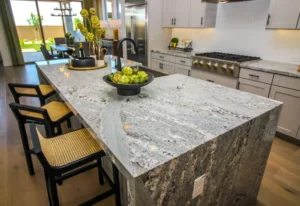
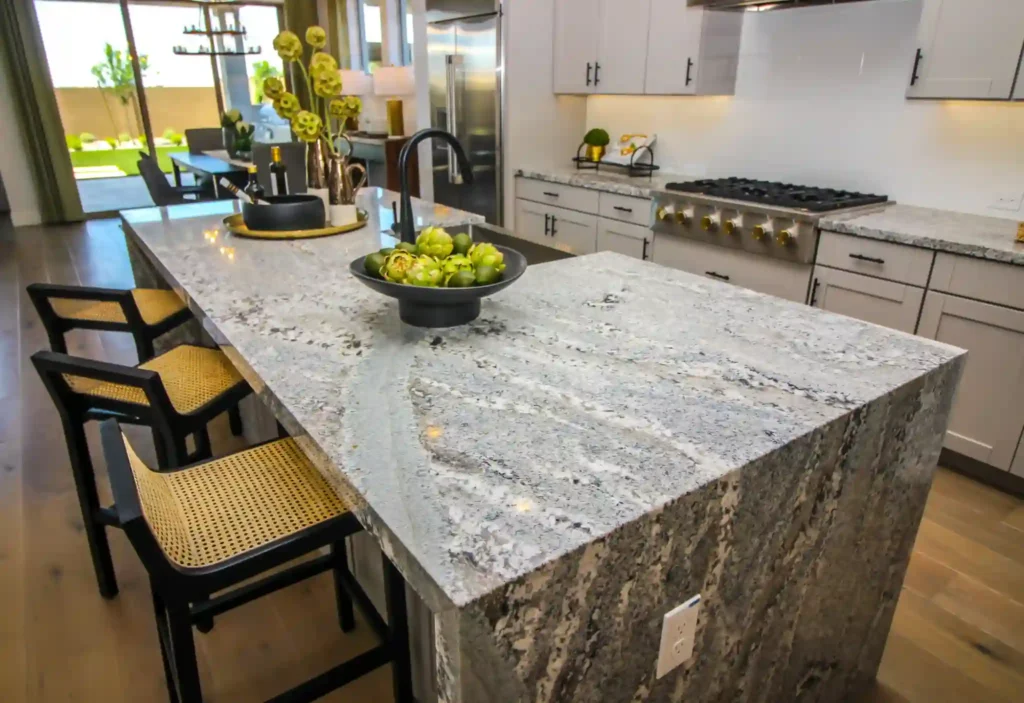
You’re standing in a showroom. Both slabs look stunning. The marble is elegant, veined, and timeless. The granite is bold, dense, and full of natural character. The salesperson says both are “natural stone” as if that settles it.But here’s the question that actually matters before you spend thousands of dollars: is marble stronger than granite?The answer changes everything which surface you choose for your kitchen, how much maintenance you’ll be doing five years from now, and whether your investment holds up the way you expect it to.
At SF Marble and Granite, we help homeowners navigate this exact decision every day. This guide gives you a straight, experience-based answer not a sales pitch so you can choose the right stone for your specific situation.
Marble vs. Granite — Basic Understanding

Before comparing strength, you need to understand what each stone actually is. These aren’t just different colors of the same material. They’re geologically different rocks with fundamentally different compositions.
What is Granite?
Granite is an igneous rock. It forms deep underground when magma cools slowly over millions of years. That slow crystallization process creates an extremely dense, interlocking mineral structure primarily quartz, feldspar, and mica. The result is one of the hardest natural stones on earth.
What is Marble?
Marble is a metamorphic rock. It begins as limestone a sedimentary rock made of calcium carbonate and transforms under intense heat and pressure deep within the earth. That transformation creates marble’s famous crystalline texture and flowing veins. But the base material calcium carbonate never fully changes its fundamental chemical properties.
This geological difference is the foundation of every practical comparison between marble vs granite that follows.
SF Marble and Granite works with both materials across hundreds of installations, and the performance differences between them in real kitchens and bathrooms are exactly what this guide is built around.
The Real Problem Homeowners Face
Here’s where the marble vs granite decision gets complicated and where a lot of homeowners make expensive mistakes.
Most people choose stone based on appearance first. Marble wins that round for many buyers. Its soft, luminous look and elegant veining are genuinely beautiful in ways that granite, for all its richness, doesn’t replicate.
So they install marble countertops in a busy kitchen. They cook daily, use lemon juice, set wine glasses directly on the surface, and wipe spills with whatever cleaner is under the sink. Within months, the surface looks dull, etched, and stained. They’re frustrated because they spent a lot of money and the stone “didn’t hold up.”
The agitation: they feel misled. And in a sense, they were not because marble is a bad material, but because nobody gave them an honest comparison of marble vs granite durability before they committed.
The solution is simple: understand the real strength differences between these two stones before you buy, not after.
Which One Is Stronger: Marble or Granite?
Let’s answer the core question directly. Is marble stronger than granite? No granite is significantly stronger than marble by every measurable standard.
Hardness: The Mohs Scale
The Mohs hardness scale measures a mineral’s resistance to scratching, from 1 (softest) to 10 (hardest). Here’s where each stone lands:
Granite scores between 6 and 7 on the Mohs scale. It’s harder than steel and resists scratching from virtually all common kitchen and bathroom sources. Marble scores between 3 and 5 on the Mohs scale significantly softer. A metal key can scratch marble. Kitchen knives can scratch marble. Even coarse grit tracked in on shoes can micro-scratch a polished marble surface over time.
This hardness gap answers is granite harder than marble definitively: yes, by a considerable margin.
Density and Compressive Strength
Granite’s interlocking crystal structure gives it exceptional compressive strength typically between 19,000 and 30,000 PSI. Marble’s compressive strength ranges from around 8,000 to 17,000 PSI depending on the variety. Granite is roughly twice as strong under pressure as marble in most cases.
Acid Resistance
This is where the practical difference is most felt in daily use. Granite contains quartz and feldspar both highly acid-resistant minerals. Acidic substances like lemon juice, vinegar, wine, and coffee have minimal effect on granite’s surface under normal exposure.
Marble is calcium carbonate chemically reactive with acid. Even mildly acidic contact causes etching: permanent dull patches where the surface has been chemically eroded. This isn’t a cleaning issue. It’s a chemical reaction, and it cannot be cleaned away.
When homeowners ask is marble better than granite for kitchen use, the honest answer in most cases is no granite handles the chemical environment of a working kitchen far better.
You can read about: Concrete vs Granite Countertops
Durability in Real-Life Use
Strength numbers on paper only matter if they translate into real-world performance. Here’s how granite stone and marble actually compare across different applications.
Kitchen Countertops
Granite handles daily kitchen use exceptionally well. It resists:
- Heat from pots and pans placed directly on the surface
- Scratching from knives and utensils
- Staining from common food and beverage spills when properly sealed
- Chemical damage from cleaning products (with pH-neutral cleaners)
Marble in a kitchen requires constant vigilance:
- Acidic foods etch the surface on contact citrus, tomatoes, wine, coffee
- Cutting directly on marble scratches it
- Heat resistance is reasonable but lower than granite
- Sealing helps with staining but does nothing to prevent etching
For high-traffic, active cooking kitchens, granite is the more practical choice in nearly every scenario.
Bathroom Surfaces
This is where the comparison shifts somewhat. Bathroom countertops and floors see less acid exposure than kitchens. Soaps and personal care products can still etch marble over time, but the exposure is less aggressive than a working kitchen.
Many designers and homeowners successfully use marble in bathrooms precisely because the aesthetic reward is high and the durability demands are lower. With proper sealing and pH-neutral cleaning products, marble in a bathroom can look beautiful for decades.
Flooring
For flooring, is granite harder than marble matters directly for scratch and wear resistance. Granite flooring in high-traffic areas holds up significantly better than marble over time. Marble floors in entryways and heavy-use areas show wear, scratching, and etching faster though the look of aged, slightly worn marble has its own appeal in some design contexts.
Maintenance Differences: What You’re Signing Up For
Durability and maintenance are connected but not the same thing. Here’s an honest breakdown.
Granite Maintenance
Granite is one of the lower-maintenance natural stone options available:
- Seal once every one to three years with a penetrating impregnating sealer
- Clean daily with a damp cloth and pH-neutral stone cleaner
- Avoid abrasive pads
- Wipe spills promptly, though the window for damage is more forgiving than marble
Marble Maintenance
Marble requires more consistent attention:
- Seal every six to twelve months — more frequently than granite due to higher porosity in many varieties
- Clean immediately after any acidic contact — waiting even minutes increases etch depth
- Use only pH-neutral cleaners — nothing acidic or alkaline
- Polish etched areas with marble polishing powder for minor damage; professional honing for deeper etching
- Accept that in an active kitchen, some etching over time is almost inevitable
Neither stone is high-maintenance in the way tile grout or wood is. But marble demands more consistent awareness and faster response to spills and exposure.
Is Marble Cheaper Than Granite?
Cost is part of the marble vs granite decision for most homeowners, so let’s address it honestly.
The short answer: it depends on the specific variety, but entry-level marble and entry-level granite are often similarly priced. Mid-range and premium materials diverge significantly.
Entry-level granite starts around $40 to $60 per square foot installed. Mid-range granite runs $60 to $100 per square foot. Premium exotic granites can reach $150 or more per square foot installed.
Entry-level marble starts around $40 to $75 per square foot installed. However, the most sought-after marble varieties Calacatta, Statuario, Carrara in premium grades can cost $150 to $250 or more per square foot installed. These high-end marbles are significantly more expensive than most granite options.
So is marble cheaper than granite? At the entry level, they’re comparable. At the premium level, the most desirable marble is considerably more expensive than equivalent granite. Factor in marble’s higher maintenance demands and potential restoration costs over time, and granite often represents better long-term value for high-use surfaces.
Expert Opinion for Homeowners: Which Should You Choose?
After working with both materials across countless installations, here’s the honest guidance we give homeowners.
Choose granite if:
- Your kitchen sees daily active cooking
- You want maximum durability with minimum maintenance worry
- You have children or a busy household where spills happen regularly
- Long-term value and resilience are your primary priorities
- You want heat resistance without thinking about trivets every time
Choose marble if:
- Aesthetic elegance is your top priority and you understand the tradeoffs
- The surface is in a bathroom, fireplace surround, or lower-traffic area
- You’re prepared to seal frequently and respond to spills immediately
- You appreciate the natural aging and patina that marble develops over time
- Budget allows for potential professional maintenance and restoration
The most important thing we tell every client: is marble stronger than granite is the wrong final question. The right question is which stone fits how you actually live in your home?
For personalized guidance based on your specific kitchen layout, lifestyle, and design goals, our team offers Marble & Granite Services in Lowell, MA in-person consultations where we assess your space and help you make the right choice with full information.
Final Thoughts
Is marble stronger than granite? No granite wins on hardness, acid resistance, compressive strength, and overall durability for high-use surfaces. Marble wins on elegance, veining, and visual warmth that no other natural stone quite replicates.
The real answer isn’t which stone is universally better. It’s which stone is right for your specific surface, your lifestyle, and how much maintenance you’re genuinely willing to commit to. Marble vs granite is ultimately a decision about tradeoffs and making the right one starts with honest information.
Whether you’re drawn to the timeless beauty of marble, the rugged durability of granite, or a combination of both throughout your home, SF Marble and Granite is here to help you choose and install with confidence. Contact us today for a professional consultation we’ll assess your space, walk you through real material samples, and give you the straight answer on which stone truly fits your home and how you live in it.
Frequently Asked Questions
Q: Is marble stronger than granite for kitchen countertops specifically?
No granite is significantly stronger than marble for kitchen use. Granite’s higher hardness, acid resistance, and compressive strength make it far more suitable for the chemical and physical demands of an active kitchen. Marble etches from acidic food contact and scratches more easily, which creates ongoing maintenance challenges in a working kitchen environment.
Q: Is granite harder than marble and does it really matter in daily use?
Yes, granite scores 6 to 7 on the Mohs hardness scale while marble scores 3 to 5 a meaningful difference that shows up in daily use. Granite resists scratching from knives, utensils, and grit tracked in on shoes. Marble is soft enough to be scratched by metal objects and shows surface wear in high-traffic areas over time.
Q: Is marble better than granite for bathroom applications?
Marble can be an excellent choice for bathrooms because the acid exposure is lower than in kitchens and the aesthetic reward is high. With proper sealing every six to twelve months and pH-neutral cleaning products, marble bathroom surfaces can look beautiful for decades. The key is understanding the maintenance commitment and following through consistently.
Q: Is marble cheaper than granite across all price ranges?
At the entry level, marble and granite are similarly priced. However, premium marble varieties like Calacatta and Statuario are among the most expensive natural stone options available significantly more costly than most granite. When comparing marble vs granite on cost, always factor in long-term maintenance expenses, potential restoration costs, and the full installed price rather than material cost alone.
Q: Can granite stone and marble be used together in the same home?
Absolutely and many beautiful kitchens and homes do exactly this. A common approach is granite countertops in the kitchen for durability and marble in the master bathroom for elegance. Using each material where its properties are best suited gives you the practical benefits of granite stone and marble’s aesthetic appeal without forcing either material into a role it’s not suited for.