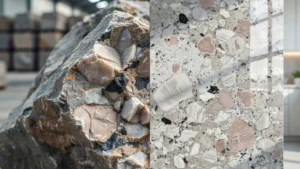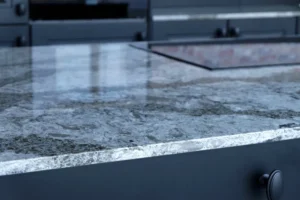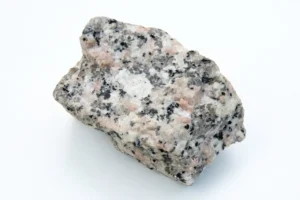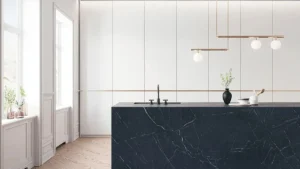
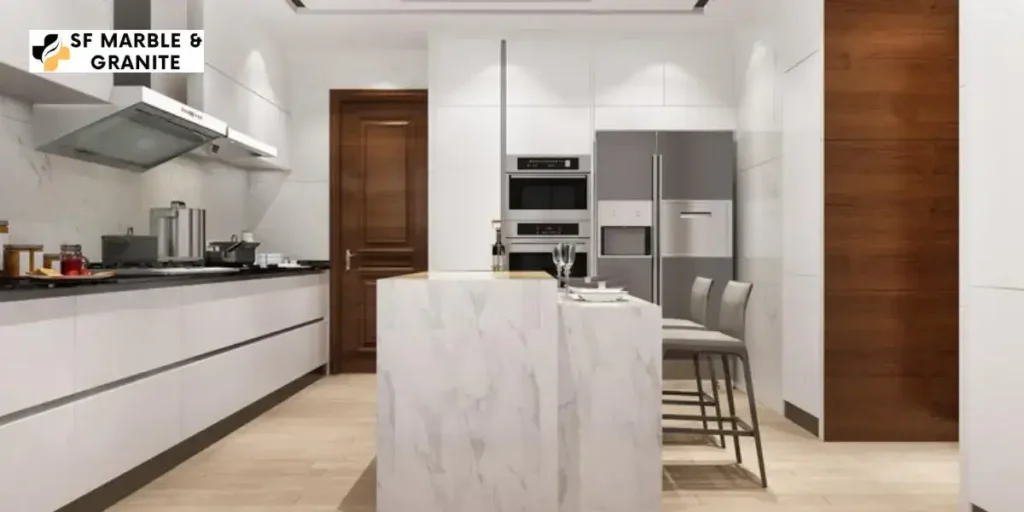
You want the marble look but not the marble price. And that’s the honest reason most people start looking for faux marble countertops in the first place and it’s a fair want. Real marble is expensive, chips if you drop a cast iron pan on it, and needs sealing on a timetable most homeowners neglect. If you purchase a laminate sheet, a resin kit, or paint the counter you currently have, faux marble countertops will give you that white and gray veined surface for a lot less money.
I’ll walk you through what these countertops really are, how they perform day to day and what method works for your kitchen and your budget. Real cost numbers. Honest pro and cons. Step by step look at painting your own counter. This weekend! Eventually you’ll know which is the right direction for your property, and which direction to avoid.
The Allure of Faux Marble Countertops
Faux marble countertops have revolutionized the way we approach kitchen aesthetics, offering a perfect blend of elegance and functionality. These surfaces, meticulously crafted to emulate the luxurious appeal of natural marble, have become a sought-after choice for homeowners and designers alike.
Aesthetic Excellence
The visual impact of faux marble countertops is truly mesmerizing. Designed with intricate veining and subtle color variations reminiscent of natural marble, these countertops deliver a high-end aesthetic that transforms any kitchen into a sophisticated space.
Budget-Friendly Luxury
What sets faux marble apart is its accessibility. While natural marble can be a significant investment, faux marble provides an affordable avenue to achieve a luxurious look. Homeowners can indulge in the elegance of marble without straining their budget, making it a pragmatic choice for various design projects.
Versatility in Design
Faux marble countertops offer unparalleled design versatility. With a diverse range of patterns, colors, and finishes, these surfaces effortlessly adapt to various kitchen styles. Whether you lean towards a modern, minimalist approach or a more classic design, faux marble serves as a versatile canvas for your creative vision.
Practical Durability
Beyond their aesthetic appeal, faux marble countertops boast practical durability. Resistant to stains, scratches, and the challenges that can affect natural marble, these surfaces ensure not just style but also easy maintenance and longevity, making them a smart choice for busy kitchens.
DIY Faux Marble Countertops: Unleash Your Creativity
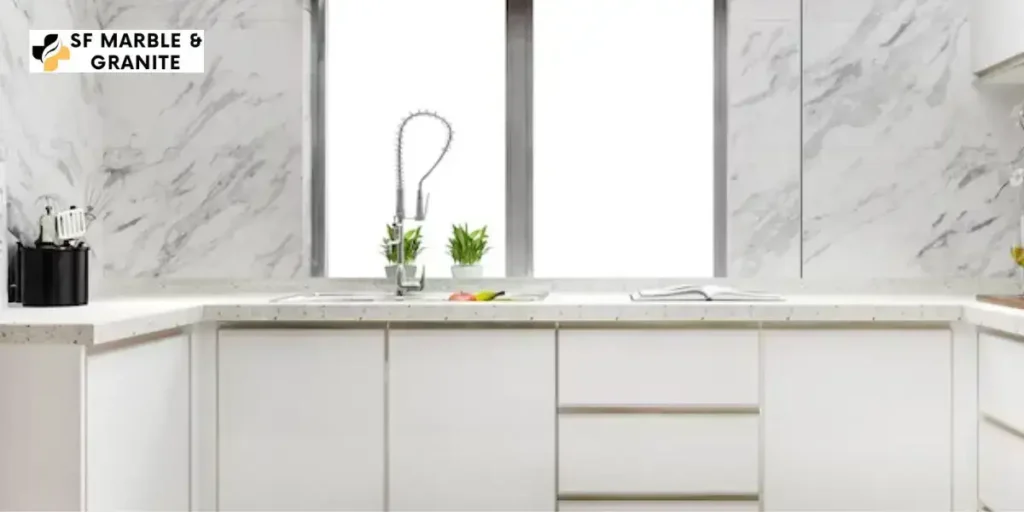
Embarking on a DIY project not only adds a personal touch to your home but also allows you to unleash your creativity. When it comes to kitchen upgrades, DIY faux marble countertops installation stand out as a fantastic option. In this guide, we’ll explore the steps, tips, and tricks to transform your countertops into stunning faux marble masterpieces.
If you want an imitation marble countertop the cheapest is to paint your existing countertop with a base coat, veining paint and a clear epoxy topcoat. This method costs $50 to $150 in materials for an average kitchen and takes a weekend, compared to thousands for a new slab. It works on laminate, tile and even solid surface counters, provided they are clean and lightly sanded first.
If you want something faster than painting, and you are renting or want something temporary, contact paper is the way to go. Marble-pattern vinyl comes in adhesive sheets costing $15 to $40 a roll and can be put up in an afternoon with a hair drier and a squeegee to smooth the edges. Epoxy pour-over kits are a happy medium, they give a thicker, glossier surface that looks more like genuine stone depth, but require more prep and a longer cure time.
Take your time with the veining process, whatever route you take. Real marble has veins in it that are uneven, and branch off at strange angles, never straight lines. That shattered, natural effect is achieved far better with a feather, a small artist’s brush or a crumpled plastic bag wiped lightly onto wet paint than with a steady hand and a fine brush.
Choosing the Right Faux Marble Countertops Kit
Selecting the perfect faux marble countertops kit is a crucial step in ensuring a successful and visually appealing transformation of your kitchen. With a myriad of options available, it’s essential to consider factors such as ease of application, color choices, and the desired level of realism. Let’s delve into the key considerations to guide you in choosing the right faux marble kit for your project.
Ease of Application
Opt for a faux marble kit that aligns with your DIY skill level. Some kits come with user-friendly instructions and pre-packaged materials, making them ideal for beginners. If you’re more experienced, you might prefer a kit that allows for greater customization, letting you unleash your creativity on the countertop canvas.
Realism and Authenticity
Examine the kit’s ability to replicate the intricate details of natural marble. Look for options that include various paint colors to create realistic veining and patterns. The closer the kit mimics the nuances of genuine marble, the more convincing and visually stunning your countertops will be.
Color Variety
Consider the range of colors offered in the kit. Faux marble comes in various shades, and having multiple color options allows you to tailor the countertop to match your kitchen’s overall aesthetic. Ensure the kit provides the flexibility to experiment with different hues, enabling you to achieve the desired level of sophistication.
Durability and Sealant Inclusion
A quality faux marble kit should not only provide a beautiful finish but also ensure durability. Check whether the kit includes a sealant or if you need to purchase it separately. A reliable sealant not only protects the painted surface but also enhances the longevity of your faux marble countertops.
Budget Considerations
While DIY faux marble countertops are generally cost-effective, it’s essential to consider your budget when choosing a kit. Evaluate the overall value the kit offers, taking into account factors like coverage, included materials, and the quality of the final result.
Choosing the right faux marble countertops kit sets the stage for a successful DIY project. Whether you’re aiming for a simple, elegant look or a more intricate marble design, consider your skill level, desired realism, color preferences, durability, and budget.
Painting Faux Marble Countertops: Tips and Tricks
Start with a clean, degreased surface and a light sanding with 220-grit paper so the primer has something to grip. Skipping this step is the number one reason painted counters chip within months instead of years. Two thin coats of primer beat one thick coat every time, since thick coats crack at the edges.
For the veins, work while the base coat is still slightly tacky. Dip a small artist’s brush or a natural sea sponge in a thinned gray or taupe paint, and drag it across the surface in a loose, branching pattern. Then soften the lines immediately with a dry brush or a feather so the veins blur slightly, the way they do in real stone.
Seal everything with two to three coats of a food-safe epoxy or polyurethane topcoat once the paint has fully cured, usually 48 hours. This is the step people rush, and it’s the one that determines whether your counter survives a hot pan or a dropped knife six months from now.
Embrace Layering for Depth
Layering is essential to create depth and dimension in your faux marble finish. Apply multiple layers of paint, allowing each layer to dry completely before adding the next. This gradual build-up of color contributes to a more authentic and intricate appearance.
Painting faux marble countertops requires precision and patience, but the results can be truly spectacular. Armed with these tips and tricks, you’re ready to embark on a creative journey that will elevate the aesthetic of your kitchen. Stay tuned for more insights and inspiration on kitchen transformations with SF Marble And Granite Inc, your trusted partner in countertop excellence.
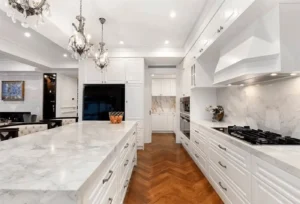
Faux Marble Countertops with White Cabinets: A Timeless Elegance
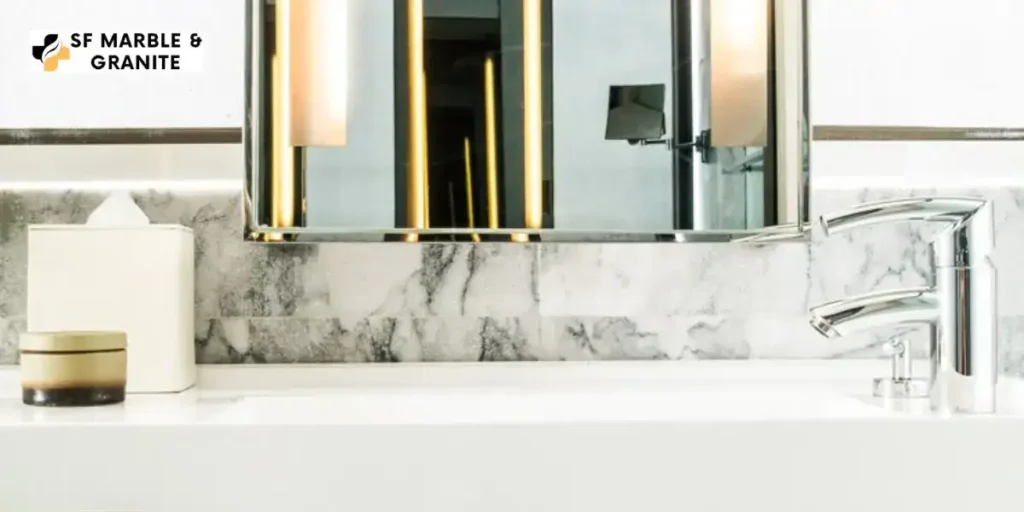
White cabinets and a marble-look counter is one of those pairings that rarely goes out of style, the same way a white shirt and dark jeans always work. The trick is contrast in the veining, not the base color. A counter with warm gray or soft gold veins against bright white cabinets keeps the kitchen from looking flat or clinical.
Brushed brass or matte black hardware adds the contrast this pairing needs, since polished chrome next to warm-veined marble can feel cold. If your cabinets lean toward an off-white or cream, choose a faux marble with the same warm undertone so the two surfaces read as one cohesive palette instead of two competing whites.
Lighting matters more than most people expect here. Under-cabinet LED strips bring out the depth in painted or resin veining far better than overhead lighting alone, especially in kitchens without much natural light.
Cleaning and Maintenance Tips
Daily cleaning is simple: warm water, a few drops of dish soap, and a soft cloth. Dry the surface after wiping, since standing water left overnight can seep into hairline seams around the sink cutout or edges over time. Avoid vinegar-based cleaners on epoxy topcoats, as the acidity can dull the shine faster than plain soap and water.
Once a year, inspect the counter for hairline cracks near the sink or stove, where heat and moisture stress the finish most. Catching a small crack early means a quick touch-up with matching paint and sealer, rather than redoing the whole surface later.
Common Mistakes to Avoid
Overdoing the veining is the most common mistake. Real marble has sparse, irregular veins with plenty of open space between them, so a counter covered edge to edge in gray lines looks more like granite than marble. Less is almost always more here.
Skipping the sealer, or using an interior wall paint sealer instead of a food-safe epoxy, is the second big mistake. Wall sealers aren’t built for daily contact with knives, hot pans, and spilled coffee, and they wear through within weeks near a sink or stove. A third mistake is working in a dusty room during epoxy application, since trapped dust particles under a glossy topcoat are nearly impossible to fix without starting over.
Final Thoughts
Faux marble countertops are a smart middle ground for most kitchens. You get the look people love without the price tag or the upkeep that real stone demands, and a weekend project can change how your whole kitchen feels. If you’re happy with paint, contact paper, or a resin kit, you now have what you need to start.
If you’d rather skip the DIY route entirely and want the real thing, granite is worth a look. At SF Marble and Granite Inc:, our team handles everything from selection to install, including Granite Countertop Installation in Lowell for homeowners who’ve decided real stone is worth the investment. contact us if you’d like a quote or want to see slabs in person before you decide.
FAQs
Can I install faux marble countertops myself?
Absolutely! Many faux marble countertop kits are designed for DIY projects, providing step-by-step instructions for easy installation.
How durable are faux marble countertops?
Faux marble countertops are known for their durability, resisting stains, scratches, and general wear. Applying a sealant further enhances their longevity.
Are there color options available for faux marble countertops?
Yes, faux marble kits come with a variety of color options. Choose a palette that compliments your kitchen’s aesthetic for a personalized touch.
Can I combine faux marble countertops with other materials?
Certainly! Faux marble pairs well with various materials like white cabinets, stainless steel, and wooden elements, offering versatile design possibilities.
How do I maintain and clean faux marble countertops?
Cleaning faux marble is simple. Use a mild soap and water solution with a soft cloth. Avoid abrasive cleaners to preserve the surface.