S F Marble & Granite

Author name: admin

what is engineered marble

What is Engineered Marble? Master Trends for Modern Homes

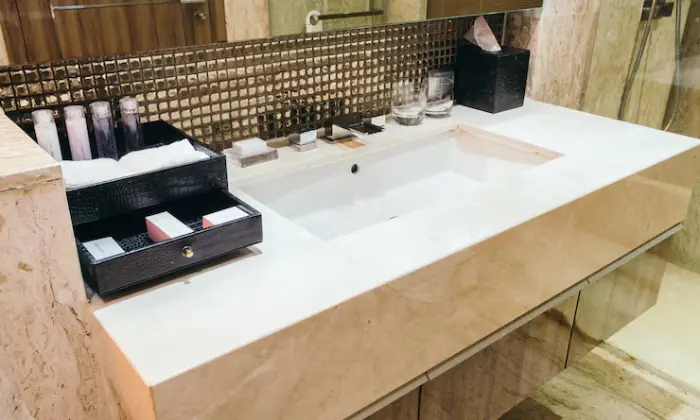
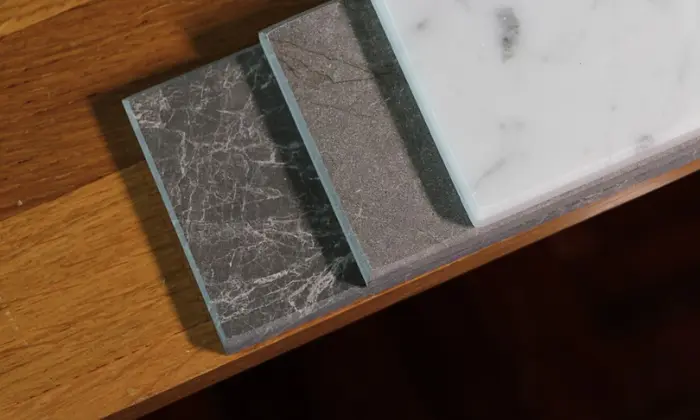
Home Engineered marble is a composite material made from crushed natural stone mixed with resin. It undergoes a process of pressing, heating, and bonding. Unlike natural stone, it has low porosity, making it more resistant to moisture and mildew. So, what is engineered marble and how its different from cultured marble is explained by experts in this Guide. If you have any query, visit SF Marble Granite for expert installation. What is Engineered Marble? Engineered marble is a man-made material that closely mimics the look of natural marble. It is made by mixing crushed natural marble with resin and pigments. This mixture is then poured into molds and subjected to heat and pressure, creating a highly durable and non-porous surface. This process not only preserves the beauty of natural marble but also enhances its strength and consistency. What is Natural Marble? Natural marble is a type of metamorphic rock that forms when limestone is exposed to high pressure and temperature over thousands of years. This natural process creates a beautiful stone characterized by unique veining and a wide range of colors. Each piece of natural marble is distinct, making it a popular choice for those seeking a one-of-a-kind look. However, natural marble is porous and can be prone to staining and scratching if not properly sealed and maintained. Engineered Marble Vanity Top Marble vanity tops are a popular choice for bathrooms due to their elegant appearance and practical benefits. These surfaces offer a luxurious look, closely resembling natural marble, while being more durable and easier to maintain. The non-porous surface of marble makes vanity tops resistant to stains and moisture, making them ideal for maintaining hygiene in bathroom environments. Engineered Marble vs Cultured Marble While engineered marble and cultured marble are often used interchangeably, they are not the same. Both materials are man-made, combining natural stone with resins, but they differ in composition and appearance: Engineered Marble Typically made from crushed natural marble mixed with resin, offering a more natural stone-like appearance. Cultured Marble Often consists of marble dust mixed with polyester resin, resulting in a more uniform and glossy finish. Engineered stone tends to offer a closer resemblance to natural stone, while cultured marble is known for its affordability and ease of maintenance. Engineered Marble vs Quartz When comparing marble stones and white quartz, both materials have their unique advantages: Appearance It closely mimics the look of natural marble, while quartz offers a wider variety of colors and patterns. Durability Quartz is typically harder and more resistant to scratches and heat compared to engineered stone. Maintenance Both materials are low-maintenance and non-porous, but quartz may offer slightly better resistance to stains and damage. Choosing between engineered and quartz depends on your specific needs and aesthetic preferences. What is Engineered Marble Vs Natural Marble Engineered Marble is a man-made product composed of crushed natural marble mixed with resin. This combination is pressed, heated, and molded into various shapes and sizes. It offers several advantages, including consistency in appearance, durability against stains and moisture, ease of maintenance, and cost-effectiveness. Engineered marble can be customized to different styles and is often used in high-traffic areas and outdoor settings. Natural Marble, on the other hand, is a naturally occurring stone formed through geological processes. It is prized for its unique veining and patterns, which make each slab distinct. While natural marble is highly valued for its aesthetic appeal and luxury, it is more porous, making it susceptible to stains and scratches. It generally requires more maintenance and is more expensive than engineered marble. When choosing between engineered marble and natural marb, it’s important to consider their distinct advantages. Engineered marble offers a uniform appearance with consistent color and pattern, making it a practical choice for those seeking less maintenance and better stain and moisture resistance. What are the Benefits of Engineered Marble? It offers numerous advantages that make it a popular choice for both residential and commercial applications: Durability The combination of natural stone and resin creates a hard, durable surface that is resistant to scratches and stains. Non-Porous Surface It is non-porous, making it resistant to moisture and preventing the growth of mold and mildew. This feature is particularly beneficial in bathrooms and kitchens. Versatility It comes in many colors and finishes, allowing it to be customized to match any design style, from classic to modern. Eco-Friendly The use of recycled natural stone reduces the environmental impact associated with quarrying new materials. Low Maintenance It is easy to clean and maintain, requiring only regular wiping with mild soap and water. What are the Applications of engineered marble? Engineered marble is a versatile material used in various applications, including flooring, door jambs, tabletops, wall cladding, and window sills. Its high wear resistance and weight-bearing capacity make it suitable for high-traffic areas. Engineered marble’s weather resilience and excellent heat absorption also make it ideal for roofs and balconies. It is easy to install and maintain, available in both glazed and matte finishes, and has a non-skid surface. Additionally, engineered marble is well-suited for outdoor spaces such as garages, parking areas, and porches due to its strength and longevity. For interior design, engineered marble offers a polished, aesthetic look at a more affordable price compared to natural marble, which requires more maintenance and is costlier. SF Marble Granite provides a range of engineered stone products, combining the best qualities of natural marble with practical benefits for home renovation. How to install Engineered Marble? Preparation Begin by preparing the installation surface to ensure a smooth and secure application. The surface should be clean, dry, and level. Remove any existing flooring and address any cracks or uneven areas in the subfloor. This foundational step is crucial for a successful marble installation. Measurement and Layout Accurate measurement of the installation area is essential. Measure the space precisely and plan the layout of the marble to minimize cuts and ensure symmetry. Dry-lay the pieces to visualize the final arrangement and make any necessary adjustments before cutting. Cutting Using

What is Engineered Marble? Master Trends for Modern Homes Read More »

how to repair granite countertops

How to Repair Granite Countertops by Yourself

Home How to Repair Granite Countertops by Yourself Granite countertops are renowned for their durability and timeless beauty. However, like any other surface, they can suffer from damage over time. Whether it’s a chip, crack, or general wear and tear, knowing how to repair granite countertops is essential for maintaining their appearance and longevity. This comprehensive guide will walk you through various methods to repair your granite countertops, ensuring they look as good as new. We will also discuss the costs involved, the tools you may need, and when it’s best to call in professionals like SF Marble Granite. Can You Fix a Chip in Granite Countertops? Chips in granite countertops are relatively common and can occur from everyday use, especially around high-traffic areas like the kitchen. The good news is that you can fix these chips yourself or with the help of professionals. Whether you’re dealing with granite or searching for solutions like quartz countertops near me, the method you choose depends on the size and location of the chip. Small Chips Epoxy or resin adhesives provide the ideal solution to repair small chips in granite surfaces when they become damaged, readily available at most hardware stores and easily mixed to match its color. Once applied, these epoxy solutions harden over time until becoming virtually undetectable against surrounding surfaces; here is a step-by-step guide. Clean the Area Before starting the repair, clean the chipped area thoroughly to remove any dirt or debris. Mix the Epoxy Follow the manufacturer’s instructions to mix the epoxy or resin. Apply the Epoxy Utilising a toothpick or similar tool, carefully apply epoxy to the chipped areas. Smooth the Surface Use a razor blade to level the epoxy with the rest of the countertop. Let it Dry Allow the epoxy to dry completely, usually for 24 hours. Polish the Surface Once dry, polish the area to restore the shine. Larger Chips If your granite countertops have larger chips, it may be best to consult a professional like those at SF Marble Granite for repair services. They possess the specialized tools and materials required for seamless repairs that match seamlessly into their design aesthetic. Repairing Granite Countertops Granite countertops can also develop scratches and stains over time. While these may not be as severe as chips or cracks, they can still affect the countertop’s appearance and functionality. Here’s how to repair granite countertops and  address these common issues: Removing Scratches Scratches on granite countertops can be removed using polishing powder or a diamond polishing pad. Here’s how: Clean the Area Start by cleaning the scratched area thoroughly. Apply Polishing Powder Sprinkle a small amount of polishing powder onto the scratch. Buff the Surface Using a soft cloth or buffer, gently buff the area in a circular motion. Wipe and Inspect Wipe away the polishing powder and inspect the scratch. Repeat the process if necessary. Seal the Surface Once the scratch is removed, apply a granite sealer to protect the surface. Removing Stains Stains can be difficult to remove once they have been left to set for an extended period, especially if left in place for too long. To be effective at doing so, it is necessary to identify what type of stain it is before selecting an effective cleaning method: Organic Stains Use a poultice made from baking soda and water to draw out organic stains like coffee or wine. Oil-Based Stains Apply a mixture of baking soda and water to absorb oil-based stains. Rust Stains Rust stains can be tricky and may require a commercial rust remover. Always test a small area first. Water Stains For water stains, use a gentle cleaner and a soft cloth to wipe the area. Always remember to seal the granite after removing stains to prevent future damage. Repairing Cracked Granite Countertops Cracks in granite countertops can be alarming, but they are not necessarily the end of the world. There are effective methods for granite countertop repair, depending on the severity and location of the crack. Here’s how to repair granite countertops and approach this: Hairline Cracks Hairline cracks in countertops tend to be cosmetic and should not compromise their integrity. Repair can often be accomplished using epoxy or resin applications; here is how the process works: Clean the Crack Start by cleaning the crack thoroughly with a mild cleaner. Fill the Crack Using a syringe or a fine applicator, inject the epoxy into the crack. Level the Surface Smooth the epoxy with a razor blade or a flat tool. Let it Cure Allow the epoxy to cure as per the manufacturer’s instructions. Polish the Area Once cured, polish the area to blend the repair with the rest of the countertop. Deep Cracks Cracked countertops can be particularly troubling, compromising their structural integrity. In such an instance, it is wise to seek professional assistance, such as that offered by SF Marble Granite, which will assess and recommend an appropriate course of action, such as using special adhesives and tools for crack repairs while reinforcing the countertop surface simultaneously. Fixing Chips in a Granite Countertop Chips, whether small or large, can mar the beauty of your granite countertop. Here’s a detailed guide on how to fix chipped granite counter edges and other areas: Tools and Materials Needed Clear epoxy or resin Coloring agents (if needed) Razor blade Polishing powder Cloth Step-by-Step Guide Identify the Chip Determine the size and depth of the chip. Clean the Area Clean the chipped area with a mild cleaner. Mix the Epoxy If the chip is deep or discolored, combine epoxy with an appropriate coloring agent for maximum effectiveness. Apply the Epoxy Carefully fill the chip with the epoxy using a toothpick or a fine applicator. Level the Surface Use a razor blade to smooth the epoxy. Let it Cure Allow the epoxy to cure completely. Polish the Surface Polish the repaired area to restore the shine. Cracks and Chips: When to Call a Professional While many minor damages can be repaired with DIY methods,

How to Repair Granite Countertops by Yourself Read More »

Quartz Countertops with White Cabinets

Best Quartz Countertops with White Cabinets for Your Kitchen

Home Best Quartz Countertops with White Cabinets for Your Kitchen If you’re looking to upgrade your kitchen, choosing the right quartz countertops with white cabinets can make all the difference. White cabinets are a popular choice because they brighten up the space and match almost any countertop color or style. When paired with quartz countertops, they create a clean, modern, and elegant look. Quartz countertops are not only beautiful but also durable and easy to maintain. They can come in various colors and patterns that complement white cabinets perfectly. To help you make the best choice, we’ve gathered some top recommendations for quartz countertops that will enhance the beauty of your white cabinets. Most Popular Quartz Countertops with White Cabinets When you have white cabinets in your kitchen, choosing the right quartz countertop can enhance the look. Whether you want a bold contrast or a soft match, there are great options available. Here’s a list to help you find the perfect quartz countertops for white cabinets: White Quartz Countertops with White Cabinets Are you aiming for the cleanest, brightest kitchen design? Pairing white quartz countertops with white cabinets is a timeless and classic choice. This combination not only makes your kitchen feel fresh and open but also gives you a blank canvas to add personal touches like colorful backsplashes, bold appliances, or unique décor. If you’re looking for more than just plain white, there are plenty of white quartz options with subtle patterns, like veining or speckles, that can create a marble-like appearance. These small details can give your kitchen a more stylish and modern edge without losing the clean, cohesive look that white on white offers. Here are some of the best white quartz options that pair perfectly with white cabinets: Arctic White Quartz Countertops Arctic White quartz is ideal for those who want the cleanest, sleekest look in their kitchen. This quartz has a bright white tone that works perfectly with white cabinets, creating a seamless and minimalist design. Argento White Quartz Countertops For those looking for a bit more texture, Argento White quartz is a great choice. It has delicate veining that gives a marble-like effect, adding an elegant touch to your kitchen. This quartz not only looks beautiful with white cabinets but also works wonderfully as a waterfall countertop or even a backsplash. Pairing white quartz countertops with white cabinets gives you a kitchen that’s both modern and timeless, offering endless design possibilities to make the space your own. Gray Quartz Countertops with White Cabinets If you’re looking for a versatile and stylish kitchen design, pairing grey quartz countertops with white cabinets is a great option. This combination creates a modern, clean, and sophisticated look that can suit a variety of styles. Whether you prefer a rustic, contemporary, or classic kitchen. Grey quartz countertops offer a neutral backdrop that complements white cabinets beautifully. They allow you to easily incorporate other design elements like colorful backsplashes, unique lighting, or bold appliances without overwhelming the space. Light gray quartz, in particular, creates a soft and subtle contrast with white cabinets, while darker shades offer a bolder, more dramatic effect. Here are two popular gray quartz options that work exceptionally well with white cabinets: Amarcord Quartz Countertops Amarcord quartz features beautiful gray tones with striking veining that adds depth and character to your kitchen. Paired with white cabinets, it creates a stunning focal point. This quartz is also a fantastic choice for waterfall island countertops or even backsplashes, adding a modern touch to your kitchen. Babylon Gray Quartz Countertops If you want more contrast, Babylon Gray Quartz is perfect for you. Its deeper gray color gives a striking look when combined with minimalist white cabinets. The natural pattern of Babylon Gray adds sophistication, making it an excellent choice for a bold yet elegant kitchen design. Whether you’re going for a light and airy feel or a dramatic contrast, grey quartz countertops with white cabinets provide a flexible, stylish foundation for your dream kitchen. Black Quartz Countertops with White Cabinets If you’re looking to create a bold, high-contrast kitchen design, pairing black quartz countertops with white cabinets is an excellent choice. This combination gives your kitchen a sleek and modern look, offering a perfect balance between light and dark. The stark contrast between the black quartz and white cabinets brings elegance and style to any kitchen space. There are several types of black quartz to choose from, including pure black quartz or black quartz with striking white veins. Whether you prefer a solid matte finish or a more textured look, black quartz kitchen countertops with white cabinets can easily elevate the design of your kitchen. Here are two popular black quartz options that work beautifully with white cabinets: Blackpool Matte Quartz Countertops For a smooth and ultra-modern look, the Blackpool Matte quartz countertop offers a deep black finish that contrasts perfectly with white cabinets. The matte surface creates a clean, minimalist feel, making your kitchen look both sophisticated and striking. Ellesmere Quartz Countertops If you want a black quartz countertop with a bit more texture, Ellesmere Quartz is a fantastic option. It features a stunning blend of black quartz with white marbling, adding depth and visual interest. This countertop paired with white cabinets creates a timeless and eye-catching look that will make your kitchen stand out. Whether you’re aiming for a sleek modern vibe or a more textured, classic look, black quartz kitchen countertops with white cabinets offer a beautiful and stylish option for your kitchen White Quartz Countertops with Brown Cabinets Pairing white quartz countertops with brown cabinets is a fantastic way to create a warm, balanced kitchen that feels both bright and cozy. The crisp white quartz helps lighten the deep, rich tones of brown cabinets, creating a visually appealing contrast that enhances the overall design of your space. This combination brings out the natural warmth of brown wood or darker cabinets while maintaining an airy, open feel in the kitchen. White quartz is not only beautiful

Best Quartz Countertops with White Cabinets for Your Kitchen Read More »

Why Quartz Countertops That Look Like Marble Are Best

Best Quartz Countertops That Look Like Marble

Home Best Quartz Countertops That Look Like Marble Marble has long been a symbol of luxury and elegance in home design, but it comes with its own set of challenges, such as high maintenance and susceptibility to stains and scratches. For those who love the look of marble but want a more durable and low-maintenance option, quartz countertops that look like marble are an excellent choice. This guide will explore everything you need to know about quartz countertops that look like marble, including their benefits, how they compare to real marble, and why they have become a popular choice among homeowners. SF Marble Granite is proud to offer a wide range of these stunning and practical surfaces. What is a Quartz Countertop? Quartz countertops are engineered stone surfaces made from natural quartz crystals and resins. The process involves crushing natural quartz, one of the hardest minerals on earth, and mixing it with a small amount of polymer resins and pigments to create a durable and versatile countertop material. This manufacturing process allows for a wide variety of colors and patterns, including those that mimic the look of natural marble. Quartz countertops that look like marble have gained popularity due to their ability to offer the aesthetic appeal of marble without the associated drawbacks. Brands like SF Marble Granite have perfected the art of creating these beautiful and practical surfaces, ensuring that homeowners can enjoy the luxurious look of marble with the added benefits of quartz. Strengths and Weaknesses of Quartz Countertops Given are the strengths and weaknesses of Quartz Countertops: Strengths Durability Quartz is one of the hardest materials available, making it highly resistant to scratches, chips, and cracks. This durability is especially beneficial in high-traffic areas like kitchens and bathrooms. Low Maintenance Unlike natural marble, white quartz countertops are non-porous, which means they do not require sealing and are resistant to stains. A simple wipe with a mild detergent and water is usually enough to keep them clean. Consistency Because quartz countertops are engineered, they offer a consistent appearance, free from marble’s natural variations and imperfections. Variety With advancements in manufacturing technology, Taj Mahal quartzite countertops can replicate the look of marble with remarkable accuracy. SF Marble Granite offers a wide range of designs, from subtle veining to bold patterns that closely resemble various types of marble. Hygiene The non-porous nature of quartz makes it resistant to bacteria and mold, making it a hygienic choice for kitchen countertops. Weaknesses Heat Sensitivity Quartz countertops are resistant to heat but can be damaged by prolonged exposure to high temperatures. It is advisable to use trivets or hot pads to protect the surface. Cost While generally more affordable than high-end marble, quartz countertops can still be expensive compared to other countertop materials. Weight Quartz countertops are heavy, requiring sturdy cabinetry and professional installation to ensure they are properly supported. What are Advantages of Quartz Over Marble When comparing quartz countertops that look like marble to actual marble, several advantages make quartz a more practical choice for many homeowners. Durability and Maintenance As mentioned earlier, quartz is more durable and requires less maintenance than marble. Marble is prone to staining from acidic substances like wine, coffee, and citrus, and it needs regular sealing to maintain its appearance. Quartz, being non-porous, is resistant to stains and does not require sealing. Consistency in Appearance Natural marble has unique veining and patterns, which means no two slabs are identical. While this uniqueness is appealing to some, it can be a drawback for those who prefer a more uniform look. Quartz countertops can be manufactured to have a consistent appearance, ensuring that the design you choose is the design you get. Environmental Impact Quartz countertops are often considered more environmentally friendly than marble because they are made from abundant natural quartz and can include recycled materials. Additionally, the production process for quartz countertops typically generates less waste compared to quarrying and transporting natural marble. Cost While both materials can be costly, quartz countertops that look like marble are often more affordable than premium marble. This makes quartz a cost-effective option for those who desire the luxurious look of marble without the high price tag. Difference between Real Marble vs Quartz That Looks Like Marble Countertops When choosing countertops for your kitchen or bathroom, you might be considering the elegant look of marble but are unsure whether to go with real marble or quartz that mimics marble. Both options have their pros and cons, and understanding the differences can help you make an informed decision. Here, we’ll explore the key distinctions between real marble and quartz countertops that look like marble. Real Marble Countertops Natural Beauty and Uniqueness Classic Elegance Surface Durability Porosity and Staining Maintenance Quartz Countertops That Look Like Marble Engineered Stone Consistency in Appearance Durability Non-Porous Surface Low Maintenance Heat Resistance Cost Comparison Real Marble Quartz Environmental Impact Real Marble Quartz A Perfect Blend of Beauty and Durability of Quartz Countertops Quartz countertops that look like marble offer breathtaking veining and color consistency, all while being non-porous to resist stains and bacterial growth for a hygienic kitchen surface. Made from about 90–95% natural quartz mixed with resins, these engineered stone surfaces deliver exceptional durability and scratch resistance, standing up to daily wear without chipping or cracking. Homeowners love them for their low-maintenance appeal, requiring nothing more than a quick wipe with mild soap and water no sealing necessary so you can spend more time cooking and less time cleaning. Ready to bring the look of luxury marble to your space? Trust our expert Countertops Installation in Lowell team to fabricate and install your quartz countertops flawlessly, ensuring a seamless result that enhances both your home’s style and functionality. Conclusion Choosing between real marble and quartz that look like marble depends on your priorities. If you value natural beauty, uniqueness, and a timeless look, real marble might be the right choice for you. However, if you prefer durability, low maintenance, and a consistent appearance, quartz countertops

Best Quartz Countertops That Look Like Marble Read More »

white quartz countertops

Best White Quartz Countertops for Modern and Classic Kitchens

When it comes to designing your dream kitchen, the countertops play a pivotal role. They not only provide a functional workspace but also significantly influence the overall aesthetic of the room. Among the myriad options available, white quartz countertops stand out for their elegance, durability, and versatility. Whether you’re aiming for a modern, sleek look or a classic, timeless kitchen, quartz countertops can seamlessly fit into your design vision. What Are White Quartz Countertops? Quartz are engineered stone surfaces made from natural quartz crystals combined with resin and pigments. This composition results in a highly durable and non-porous surface that resists stains, scratches, and bacteria. The manufacturing process allows for a wide range of colors and patterns, making white quartz countertops an excellent choice for various kitchen styles. Benefits of White Quartz Countertops Durability and Strength They are incredibly durable and can withstand daily wear and tear. They are resistant to scratches, chips, and cracks, making them ideal for busy kitchens. Non-Porous Surface The non-porous nature of white quartz means they do not absorb liquids, making them resistant to stains and bacteria. This feature ensures a hygienic and easy-to-clean surface. Low Maintenance Unlike natural stone countertops, white quartz requires minimal maintenance. Regular wiping with mild soap and water is usually enough to keep them looking pristine. Aesthetic Appeal It offer a timeless, elegant look that can enhance any kitchen design. They can mimic the appearance of natural stone while providing a consistent and customizable finish. White Quartz Countertops for Modern Kitchens Sleek and Clean Look Modern kitchens often emphasize clean lines and minimalist designs. It contribute to this aesthetic with their smooth, unblemished surfaces. Versatility in Design White quartz can be customized to fit various design preferences, from pure white surfaces to those with subtle veining or sparkle. This versatility makes them suitable for a range of modern kitchen styles. Pairing with Modern Fixtures and Appliances It complement modern stainless steel appliances and sleek kitchen fixtures, creating a cohesive and contemporary look. White Quartz Countertops for Classic Kitchens Timeless Elegance For classic kitchen designs, it provide a timeless elegance that enhances traditional elements like wood cabinetry and vintage fixtures. Complementing Traditional Elements White quartz countertops can be paired with classic design features such as ornate moldings, intricate backsplashes, and antique hardware to create a harmonious look. Enhancing Classic Kitchen Decor The neutral tones of white quartz allow for flexibility in color schemes and decor, making it easier to update or change the kitchen’s look over time without replacing the countertops. Popular Styles of White Quartz Countertops Pure White Quartz A solid, pure white quartz countertop offers a clean and contemporary look that fits both modern and classic kitchens. White Quartz with Veining For those who love the look of natural marble, white quartz with veining provides a similar aesthetic without the high maintenance. White Quartz with Sparkle Adding a bit of sparkle to white quartz countertops can create a glamorous and luxurious feel, perfect for adding a touch of elegance to any kitchen. Pairing White Quartz Countertops with White Cabinets Creating a Cohesive Look Pairing white quartz countertops with white cabinets creates a seamless and cohesive look that can make a kitchen appear larger and more open. Design Tips and Tricks To avoid a sterile look, incorporate textures and varied materials, such as wooden accents or colorful backsplashes, to add warmth and interest. Popular Combinations Combining it with different shades of white or off-white cabinets can create subtle contrasts and depth, enhancing the overall design. Black and White Quartz Countertops: A Bold Choice Contrasting Elegance Black and white quartz countertops offer a striking contrast that can serve as a focal point in the kitchen, adding drama and sophistication. Suitable Kitchen Styles This bold choice is perfect for modern and contemporary kitchens but can also be adapted to eclectic or transitional designs. Design Inspiration Consider pairing black and white quartz countertops with sleek black appliances and bold accent colors to create a visually stunning kitchen. Maintenance and Care for White Quartz Countertops Daily Cleaning Tips Regular cleaning with a mild detergent and water will keep your countertops looking their best. Avoid harsh chemicals that can damage the surface. Preventing Stains and Scratches Although quartz is resistant to stains and scratches, it’s still wise to use cutting boards and avoid placing hot pots directly on the surface. Long-term Maintenance For long-term care, consider using protective mats or trivets and promptly cleaning up spills to prevent any potential damage. Cost and Value of White Quartz Countertops Initial Investment While white quartz can be more expensive than some other materials, their durability and low maintenance make them a worthwhile investment. Longevity and Return on Investment The long lifespan and timeless appeal of it can enhance the value of your home, providing a good return on investment. Comparing with Other Materials When compared to natural stone or laminate, it offer a superior combination of beauty, durability, and ease of maintenance. Installation Process Professional Installation vs. DIY While some homeowners may consider DIY installation, professional installation is recommended to ensure a perfect fit and finish. Steps Involved The installation process involves measuring, cutting, and fitting the countertops, followed by securing them in place and sealing the seams. Tips for a Smooth Installation Ensure accurate measurements, choose a reputable installer, and plan for any potential disruptions during the installation process. Common Myths about White Quartz Countertops Misconceptions and Clarifications There are several myths about quartz countertops, such as being completely indestructible or resistant to all stains. While they are durable, they still require proper care. Truths about Quartz Countertops Understanding the true characteristics of quartz countertops can help set realistic expectations and ensure long-lasting satisfaction. Choose SF Marble Granite for Countertops Installation Are you looking to elevate the aesthetic and functionality of your kitchen or bathroom with stunning white quartz countertops? Look no further than SF Marble Granite! As a premier provider of high-quality stone countertops, we specialize in white quartz installations that combine beauty, durability,

Best White Quartz Countertops for Modern and Classic Kitchens Read More »

leathered granite

What is Leathered Granite? And Why You Should Choose It

When it comes to choosing surfaces for your home, granite has emerged as a favored choice due to its remarkable durability and aesthetic appeal. Among the various finishes available, leathered granite has gained significant popularity for its unique look and practical benefits. In this comprehensive guide, we will delve into what leathered granite is, how it’s made, its cost, its pros and cons, and how to maintain it. What Is Leathered Granite? It refers to a specific finish that is applied to natural granite surfaces, giving them a textured, matte appearance. Unlike polished granite, which has a high-gloss sheen, leathered features a soft, tactile surface that retains the natural beauty of the stone. This finish is achieved through a specialized process that enhances the granite’s innate patterns while offering a unique visual and tactile experience. Leathered granite countertops have become a sought-after option for homeowners and designers alike, particularly for spaces like kitchens and bathrooms, where both style and functionality are paramount. Options like black pearl granit countertops and fantasy brown leathered granite provide stunning choices that can complement various interior design styles. How Is Leathered Granite Made? The process of creating leathered stone involves several key steps that transform a raw granite slab into a beautifully finished product. Here’s a breakdown of the process: Selecting the Granite The first step involves choosing a high-quality slab of granite. Many homeowners opt for varieties like steel grey leathered granite or fantasy brown granite due to their unique colors and patterns. Initial Preparation The granite slab is cut and polished to a honed finish. This step prepares the stone for the leathering process by ensuring a smooth surface. Leathering Process A diamond-tipped brush is used to create the leathered texture. This process involves abrading the surface to develop a textured finish that enhances the stone’s natural veining and color variations. Sealing After the leathering process is complete, the granite is sealed to ensure it remains stain-resistant and durable. The sealant helps protect against spills and everyday wear, making it ideal for kitchen countertops. Final Inspection The finished product is thoroughly inspected to ensure that it meets quality standards before being installed in your home. This meticulous process results in a unique surface that highlights the beauty of the natural stone while providing a practical finish. How Much Does Leathered Granite Cost? The cost of leathered granite can vary based on several factors, including the type of granite, the thickness of the slab, and the complexity of the installation. Generally, leathered stone is priced similarly to other granite finishes, but may be slightly higher due to the additional processing involved. On average, homeowners can expect to pay between $50 to $100 per square foot for leathered stone countertops, which typically includes the cost of the slab, fabrication, and installation. More exotic stones like black pearl leathered or fantasy brown granite may fall on the higher end of that range due to their unique coloration and rarity. Pros and Cons of Leathered Granite Countertops Pros Aesthetic Appeal The unique leathered finish provides a sophisticated look that can enhance the overall aesthetic of your kitchen or bathroom. Its textured surface adds depth and character to any space. Stain Resistance The sealing process used for leathered stone makes it stain-resistant, making it an excellent choice for kitchen countertops where spills are common. Durability Like all granite surfaces, leathered stone is incredibly durable and can withstand heavy use. It is resistant to scratching and heat, making it a practical choice for high-traffic areas. Low Maintenance Leathered granite countertops require minimal maintenance compared to other materials. Regular cleaning with mild soap and water is usually sufficient to keep them looking new. Versatility With a variety of colors and patterns available, leathered stone can suit a wide range of design styles, from modern to rustic. Cons Cost While leathered countertops offer many benefits, it can be more expensive than other countertop materials. This may be a consideration for budget-conscious homeowners. Limited Availability Depending on your location, finding specific types of leathered granite, such as steel grey, may be more challenging than locating standard polished granite. Texture Consideration Some individuals may prefer the smooth surface of polished granite over the textured feel of leathered stone. It’s essential to choose based on personal preference. How Do I Maintain and Care for a Leathered Granite Countertop? Maintaining leathered stone granite is relatively straightforward, but following a few simple guidelines can help keep your countertops in pristine condition: Regular Cleaning Clean your leathered stone surfaces regularly with a mild soap solution and a soft cloth. Avoid abrasive cleaners, as they can damage the sealant and the stone’s surface. Immediate Spill Cleanup While leathered stone is stain-resistant, it’s still important to wipe up spills promptly, especially from acidic substances like lemon juice or vinegar, which can dull the finish over time. Re-sealing To maintain the stone’s protective barrier, it’s recommended to re-seal your leathered stone countertops every 1 to 2 years, depending on usage. This will help prolong the life of the stone and keep it looking fresh. Avoid Harsh Chemicals Steer clear of harsh chemicals, bleach, or ammonia-based cleaners, as these can strip the sealant and damage the stone. Use Coasters and Cutting Boards To further protect your countertops, use coasters under glasses and cutting boards when preparing food. This helps prevent scratches and heat damage. Conclusion In conclusion, leathered stone granite is an excellent choice for homeowners seeking a unique, durable, and low-maintenance surface. Whether you opt for black pearl, fantasy brown, or steel grey leathered granite, you’ll be investing in a beautiful addition that enhances your home’s value and aesthetic appeal. By understanding its characteristics, maintenance needs, and the installation process, you can confidently choose leathered stone for your next home improvement project. If you’re looking for quality granite, visit SF Marble Granite at 755 Dutton St, Lowell, MA 01854, or contact us 978-459-5823. Their expert team can help you find the perfect stone for your project.

What is Leathered Granite? And Why You Should Choose It Read More »

white quartzite countertops

White Quartzite Countertops: Everything You Should Get to Know About

When selecting countertops that blend beauty, durability, and timeless appeal, white quartzite countertops are an excellent choice. Known for their striking appearance and remarkable resilience, these surfaces are perfect for various applications, especially in kitchens and bathrooms. In this guide, we’ll delve into the world of white quartzite countertops, exploring various types, maintenance tips, costs, and more. Let’s get started! What is Super White Quartzite? Super white quartzite is a specific type of quartzite that features an elegant white base with subtle gray veining. This natural stone is formed through the metamorphosis of sandstone, resulting in a material that is not only visually stunning but also incredibly durable. Unlike engineered stones, super white quartzite countertops retain the unique characteristics of natural stone, ensuring that no two pieces are identical. Homeowners often choose super white and grey quartzite countertops for its clean, modern look, which pairs beautifully with a variety of design styles. Whether you’re aiming for a sleek contemporary kitchen or a classic traditional bathroom, super white quartzite can elevate your space. How Lasting and Enduring White Quartzite Countertops Actually Are When investing in countertops, durability is a crucial factor. White quartzite countertops are known for their exceptional longevity and endurance. Here’s why they stand the test of time: Heat Resistance White quartzite can handle high temperatures without damage, making it ideal for kitchens where hot pots and pans are commonplace. Scratch Resistance Thanks to its hardness, quartzite is more resistant to scratches compared to softer materials like marble. Stain Resistance With proper sealing, white quartzite countertops resist staining from oils, wines, and other common household substances. Low Maintenance These countertops require minimal maintenance, making them suitable for busy households. Timeless Appeal The classic aesthetic of white quartzite ensures that it remains stylish regardless of changing design trends. 5 Super White Quartzite Kitchen Care and Maintenance To ensure your white quartzite countertops remain beautiful for years, proper care and maintenance are essential. Here are five effective tips: Seal Regularly To protect your countertops from stains and moisture, apply a high-quality sealant at least once a year. This step is crucial in preserving the natural beauty of the stone. Daily Cleaning Use a gentle, pH-balanced cleaner and a soft cloth for routine cleaning. Avoid harsh chemicals that can erode the surface over time. Prevent Heavy Impacts While quartzite is durable, it’s wise to avoid dropping heavy objects on the surface, which could lead to chips or cracks. Use Cutting Boards To prevent scratches, always use cutting boards when preparing food. This not only protects the countertop but also keeps your knives sharper for longer. Prompt Spill Cleanup Quickly wipe up spills, especially acidic ones like lemon juice or vinegar, to prevent potential staining or etching. Cost of Super White Quartzite The cost of white quartzite countertops can vary significantly based on factors such as location, slab quality, and thickness. On average, homeowners can expect to pay between $60 and $120 per square foot, including installation. More unique varieties like White Macaubas Quartzite might fall on the higher end of this range due to their striking appearance and rarity. While the initial investment may be higher than alternatives like laminate or tile, the longevity and aesthetic appeal of quartzite often make it a worthwhile choice. Investing in quality materials like those offered by SF Marble Granite can yield lasting satisfaction in your home. Taj Mahal Quartzite: Why It is the Best Countertops with Warm Neutrals Another popular option among quartzite enthusiasts is Taj Mahal quartzite. This natural stone features soft beige and cream tones, accented with delicate gray veining, providing a warm, neutral palette that pairs beautifully with white cabinets or darker hues. Taj Mahal quartzite’s versatile color scheme allows it to complement various design styles, from rustic farmhouse to modern minimalism. Its understated elegance makes it a top choice for homeowners looking to create a warm and inviting atmosphere. Conclusion In summary, white quartzite countertops offer a blend of beauty, durability, and timeless style that makes them an exceptional choice for any home. With options like super white quartzite and Taj Mahal quartzite, there’s a perfect fit for every aesthetic preference. Proper care and maintenance will ensure your countertops remain stunning and functional for years to come.If you’re considering an upgrade, explore the wide variety of quartzite options available at SF Marble Granite. With our vast selection and expert guidance, you’ll find the perfect countertop to enhance your home’s beauty and value. Contact us at 978 459-5823  or visit us at 755 Dutton St. Lowell- 0185MA4 for consultation.

White Quartzite Countertops: Everything You Should Get to Know About Read More »

quartzite vs granite

Quartzite vs Granite – Which Stone is Best for Your Countertops?

Home renovations involve many decisions. Choosing the right material for your countertops or flooring is crucial. If you’re leaning towards natural stone, two popular options you’ve likely come across are quartzite and granite. Both offer remarkable beauty and durability, but they each have distinct characteristics that set them apart. In this article, we’ll explore the key differences between quartzite vs granite, helping you make an informed decision. We’ll break down the pros and cons of each stone, so by the end, you’ll have a clearer understanding of which is the perfect fit for your home. Quartzite vs Granite: Key Differences When choosing between granite vs quartzite, it’s important to know their differences in looks, strength, upkeep, and price. Each of these factors plays a critical role in determining which material is the best fit for your renovation project. Quartzite vs Granite: Durability Both granite and quartzite are incredibly durable, making them popular choices for high-traffic areas like kitchen countertops. However, when it comes to resistance to wear and tear, quartzite holds a slight edge over granite. This stone is formed under intense heat and pressure, making it harder and more resistant to scratches. If you’re looking for a material that can withstand heavy use without showing signs of damage, quartzite is the more robust option. Granite is also highly durable and heat-resistant but is more prone to minor chipping over time compared to quartzite. However, both stones will serve well in the long term with proper care. Granite vs Quartzite: Appearance One of the most notable differences in the quartzite vs granite debate is their appearance. Quartzite often mimics the elegant veining patterns of marble, making it a popular choice for those who want a sophisticated, high-end look. Its soft, sweeping veining is frequently mistaken for marble but offers greater durability. On the other hand, granite features bold, granular patterns with a more distinct and varied color palette. You’ll often find specks of black, white, red, and green in granite slabs, giving it a more eye-catching, vibrant appearance. If you prefer a striking and natural look, granite may be the ideal choice for your space. Granite vs Quartzite: Maintenance Maintenance is a crucial factor when choosing natural stone for your home. Quartzite countertops generally require less sealing and are more resistant to staining compared to granite. Although both stones need periodic sealing to maintain their resistance to liquids, quartzite is less likely to absorb oils and spills, making it slightly easier to maintain. Granite, while durable, can be more porous depending on the slab you choose, requiring more frequent sealing to prevent stains from setting in. With proper sealing, however, granite countertops are extremely easy to maintain. Quartzite vs Granite Cost When comparing quartzite vs granite price, quartzite typically comes out as the more expensive option. The price of quartzite ranges from $70 to $200 per square foot installed, depending on the quality and rarity of the stone. This is largely due to quartzite’s complex extraction and refinement process, as well as its scarcity. Granite, on the other hand, is more readily available and can be found at lower price points, usually ranging from $40 to $100 per square foot installed. If budget is a concern, granite offers an excellent balance of beauty and affordability. Quartzite vs Granite: Pros and Cons Pros and Cons of Quartzite Quartzite has become one of the most sought after natural stones are well worth for modern kitchens and bathrooms, especially for homeowners looking for a marble-like appearance without the softness and high maintenance of actual marble. Let’s take a closer look at the pros and cons of quartzite to help you decide if it’s the right choice for your renovation. Pros of Quartzite Extremely Durable One of the standout features of quartzite is its impressive durability. Formed from sandstone and subjected to intense heat and pressure, quartzite is one of the hardest natural stones available. This makes it highly resistant to scratches, making it perfect for busy kitchens and high-traffic areas. If you’re looking for a stone that can handle everyday wear and tear, quartzite is a natural option. Natural Beauty Quartzite’s natural beauty is undeniable. With its soft, sweeping veining patterns, it offers a look similar to marble but without the high maintenance. It comes in a range of light, neutral tones that fit well with various interior styles, especially modern and minimalist designs. Its natural beauty is what makes quartzite countertops so popular in contemporary kitchens and bathrooms. Resistant to Heat and Stains Another major advantage of quartzite is its resistance to both heat and stains. Quartzite can withstand high temperatures, making it an ideal material for kitchen countertops where hot pots and pans are frequently used. Additionally, it’s less porous than some other natural stones, so it’s more resistant to staining from common kitchen spills like coffee, wine, and oils, as long as it’s properly sealed. Cons of Quartzite Higher Price One of the downsides of quartzite is its cost. It is typically more expensive than granite when it comes to quartzite vs granite price comparison. Moreover, due to its rarity and the complex process of extracting and refining it. Prices for quartzite countertops usually range from $70 to $200 per square foot installed, depending on the quality and availability of the stone. For homeowners on a budget, this may be a limiting factor. Requires Regular Sealing While quartzite is highly durable, it does require regular sealing to maintain its resistance to stains and etching. Without proper sealing, the stone can become vulnerable to liquids and acidic substances, which could dull finish over time. Most professionals recommend resealing quartzite countertops every one to two years, especially in areas with heavy use. Pros and Cons of Granite Granite has long been a favorite material for kitchen countertops and other home surfaces due to its durability, classic appeal, and wide range of color options. While it has some drawbacks, granite remains a top choice for homeowners. Let’s explore the pros and cons

Quartzite vs Granite – Which Stone is Best for Your Countertops? Read More »

tile and grout cleaning services

Tile and Grout Cleaning Services for a Sparkling Clean Home

Keeping tile and grout clean in both residential and commercial spaces requires the right tools, solutions and techniques. This guide covers the tile and grout cleaning services provided by a professional company. Whether decks, bathrooms, or commercial floors, choosing experienced cleaning professionals is important for properly maintaining tile and grout surfaces over time. SF Marble Granite has been serving customers in San Francisco for over 30 years. As licensed professionals, they utilize specialized equipment and pH-balanced cleaning products safe for any tile material. Our trained technicians ensure superb results for both regular maintenance cleaning and heavy duty restoration jobs. Contact us at 978-459-582 to discuss service for your home or business. Professional Tile and Grout Cleaning Services: How We Clean Tile and Grout Regular mopping cannot deep clean ingrained dirt and stains over time. Our specialized tile cleaning services, tile grout cleaning service, and tile floor cleaning services use professional tools and non-toxic cleaning solutions to remove all traces of mess. Our process tackles scrubbed-in grime that normal cleaners can’t without damaging tile or grout surfaces. Deeper cleaning is needed periodically to prevent long-term problems. We have the right chemicals and high-quality equipment to restore sparkling clean floors you’ll love to show off! Professional Cleaning for All Types of Surfaces Whether caring for ceramic, porcelain, natural stone or other tile types, our licensed floor tile cleaning services, tiles cleaning service, grout cleaning services and grout cleaner service experts understand how to properly clean and maintain any flooring material. Bathrooms, kitchens, entryways, pool areas and more will regain their fresh, restored look through our reliable tile and grout cleaning services methods. Any tile or grout condition we can handle, from routine maintenance to heavy-duty restoration jobs. Commercial Tile and Grout Cleaning Services Larger properties like offices, retail stores, medical facilities and restaurants present unique cleaning needs. deep cleaning issues and strict standards. Commercial tile cleaning services are customized accordingly. Our Tile and Grout Cleaning Process The following multifaceted process produces sparkling tile and grout professionally cleaned without harsh chemicals or water damage risk to surfaces. Grout Cleaning Services A specialized grout cleaning solution loosens and deodorizes stuck-on grime and dirt from all grout joints. It works quickly before steam cleaning begins. High Pressure Steam Cleaning Three powerful steam cleaning methods join forces. High pressure steam breaks down filth while vacuuming extracts it away. This intensive action gets into tiny crevices for deep down cleanliness. Protective Color Seal A premium water-based color seal is applied where needed to restore grout’s original shade while shielding it from future stains and discoloration that can occur over time. Why Choose Us for Tile and Grout Cleaning Services Customers choose the company for award-winning service, competitive rates, and dedication to customer service. Tile Floor Cleaning Services A professional team understands the importance of tile and grout to home and business aesthetics and prevents issues like mold or water damage that negligent cleaning can cause. Floor Tile Cleaning Services Proprietary cleaning solutions are meticulously formulated and pH balanced to safely remove dirt, grease, mildew, and buildup from all tile types without harming surfaces like natural stone. Regular Tile and Grout Cleaning Services It’s recommended to have surfaces professionally deep cleaned every 12-24 months depending on usage level and foot traffic. Continuous maintenance prevents cosmetic and hygienic problems down the line. Customer Service The company believes customer happiness is their top priority. Punctual service windows, clean technicians, and friendly communication ensure a pleasant overall experience and lasting relationships. Professional Tile and Grout Cleaners Beyond residential work, commercial contracts are acquired through integrity, reliability and outstanding tile restoration services. Tile Surfaces Many food plants, distribution centers and apartment complexes count on them to keep flooring in stellar condition through periodic cleanings. Hotels, malls and airport concourses as well rely on their expertise. Dirt and Grime Whether removing stubborn stains or prepping for sealing and re-coating of grout lines, the professionals get superior results without hassle. Clients appreciate the meticulous attention to every detail. Natural Stone In addition to traditional ceramic and porcelain, they maintain the pristine condition of expensive marble, travertine and limestone through customized all-natural approaches sensitive to each unique material. Grout Cleaning Process New construction job sites benefit from deep pre-grouting cleans that get embedded grit and particles out. This results in longer lasting color and integrity of finished grout work. Post-construction cleans remove builder mess too. Professional Tile and Grout Cleaning Benefits Regular cleaning yields big advantages over neglecting buildup or DIY attempts that may cause further damage. Some include: Conclusion Regular professional tile and grout cleaning services are important to prevent long-term damage from dirt and stains. Whether for everyday maintenance or heavy duty restoration jobs, choosing a company with the right credentials makes all the difference. SF Marble Granite offers solutions for all tile and grout surfaces in both residential and commercial spaces. SF Marble Granite offers reliable tile and grout cleaning services throughout the San Francisco Bay Area. For a free estimate or questions about their process, contact us at 978-459-582. Our  trained technicians will work with your schedule to create sparkling clean floors you’ll love to show off.

Tile and Grout Cleaning Services for a Sparkling Clean Home Read More »

Cutting granite countertops

Cutting Granite Countertops: Expert Tips & Step-by-Step Guide

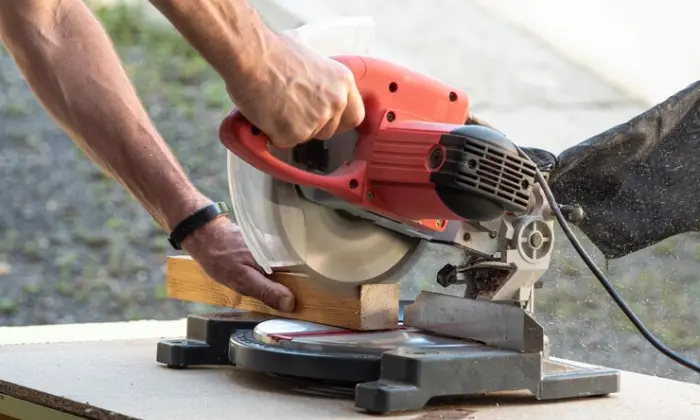
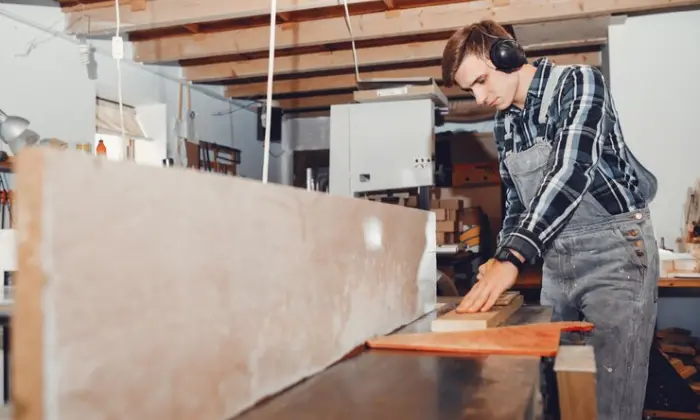
Home Cutting Granite Countertops: Expert Tips & Step-by-Step Guide Granite countertops are a popular choice for many homeowners due to their durability, aesthetic appeal, and ability to add value to a home. However, cutting granite countertops can be a challenging task if you don’t have the right tools and knowledge. In this comprehensive guide, we will walk you through the process of cutting granite countertops, provide expert tips, and highlight the essential tools needed to achieve a flawless finish. What to Know Before You Start Cutting Granite Countertops Before diving into the process of cutting granite countertops, it’s important to understand the nature of granite and the challenges it presents. Granite is a hard, dense natural stone, which makes it resistant to scratches and heat. However, these same properties make it difficult to cut without the proper tools and techniques. Essential Tools and Materials To successfully cut granite countertops, you’ll need the following tools and materials: Granite cutting blade A diamond saw blade is essential for cutting through granite. Granite cutting tools These include an angle grinder, wet saw, and circular saw. Granite cutting machine A CNC machine or a stone cutting machine can offer precision cuts. Polishing pads These are used to smooth the edges after cutting. Measuring tape and marker For accurate measurements and marking cut lines. Safety gear Safety glasses, gloves, and a dust mask to protect yourself from granite dust. You should also read our blog on: How to install granite countertops How to Cut Granite Countertop? Cutting granite countertops requires precision and patience. Follow these steps to achieve a professional result: Measure and Mark Start by measuring the dimensions of the countertop space where the granite will be installed. Use a measuring tape and a marker to draw the cut lines on the granite slab. Ensure that the measurements are accurate to avoid any mistakes. Set Up Your Workspace Set up your workspace in a well-ventilated area. Granite dust can be harmful if inhaled, so it’s important to work in a space where dust can be controlled. Place the granite slab on a stable surface with support on both sides of the cut line. Secure the Granite Slab Use clamps to secure the granite slab in place. This will prevent the slab from shifting during cutting, which can lead to uneven cuts or damage to the stone. How do I Cut a Granite Countertop with Right Cutting Blade? Attach a diamond granite cutting saw blade to your cutting tool. A diamond saw blade is specifically designed for cutting hard materials like granite. If you’re using an angle grinder or a circular saw, ensure that the blade is appropriate for the tool. Start Cutting Begin cutting along the marked lines with slow, steady movements. If you’re using a wet saw or sharp cutting blade for granite, keep the blade wet to reduce dust and keep the blade cool. For dry cutting, use a vacuum attachment to capture dust. Patience is key; rushing the process can result in uneven edges or damage to the granite. Can You Cut Granite at Home? Yes, you can cut granite at home if you have the right tools and follow the proper steps. Cutting granite countertops at home can be a cost-effective solution compared to hiring a professional. However, it’s important to note that cutting granite requires precision and care. If you’re not confident in your skills, it might be best to seek professional help. Changing a Sink in Granite Countertops If you’re looking to change a sink in your granite countertop, the process involves cutting a new hole or enlarging the existing one. Here are the steps to follow: Measure the Sink Measure the dimensions of the new sink and mark the outline on the granite countertop. Use a template if provided by the sink manufacturer. Prepare the Workspace Remove any items from the countertop and secure the granite slab with clamps. Ensure the workspace is well-ventilated and wear safety gear. Cut the Granite Use a diamond saw blade or sharp cutting blade for granite to cut along the marked lines. Make sure to cut slowly and steadily to avoid chipping the granite. After cutting, smooth the granite edges with polishing pads. Can You Cut Granite Countertops After They Are Installed? Cutting granite countertops after they are installed is more challenging but not impossible. Here are some considerations: Tools and Techniques Use a handheld angle grinder with a diamond blade for smaller cuts. For larger cuts, a circular saw with a diamond blade can be used. Make sure to protect surrounding surfaces and appliances from dust and debris. Safety Precautions Cutting granite in place can generate a lot of dust. Use a vacuum attachment to capture dust and wear protective gear. Be mindful of the structural integrity of the countertop; cutting too aggressively can weaken the stone. Can I Change My Granite Countertops? Changing granite countertops involves removing the existing countertops and installing new ones. Here are the steps involved: Remove the Old Countertops Start by disconnecting any plumbing and removing the sink. Use a pry bar to carefully lift the granite slabs from the cabinets. Be cautious to avoid damaging the cabinets or the surrounding area. Prepare for New Installation Clean the cabinets and ensure they are level. Measure and cut the new granite slabs to fit the countertop space. Follow the steps outlined in the “How to Cut a Granite Countertop” section for precise cuts. Install the New Countertops Place the new granite slabs on the cabinets and secure them with adhesive. Reconnect the plumbing and install the sink. Seal the granite edges to prevent water damage. Additional Tips for Cutting Granite Countertops Use the Right Cutting Tools Having the right tools for granite cutting is crucial. An angle grinder with a diamond blade is perfect for smaller cuts and detailed work. A wet saw is ideal for larger cuts, as it reduces dust and keeps the blade cool. A CNC machine or stone cutting machine can

Cutting Granite Countertops: Expert Tips & Step-by-Step Guide Read More »

Scroll to Top