Most tile installation mistakes don’t happen during the tiling itself they happen at the grouting stage. Choosing the wrong type of grout is one of the most common (and costly) errors homeowners and even some contractors make. The good news? Once you understand the logic behind when to use sanded or unsanded grout, the decision becomes simple and straightforward.
At SF Marble and Granite, we’ve worked on hundreds of tile projects from kitchen backsplashes to full bathroom renovations and grout selection is one of the first things we evaluate before any tile goes down. This guide is built on that real-world experience.
What Is the Difference Between Sanded and Unsanded Grout?
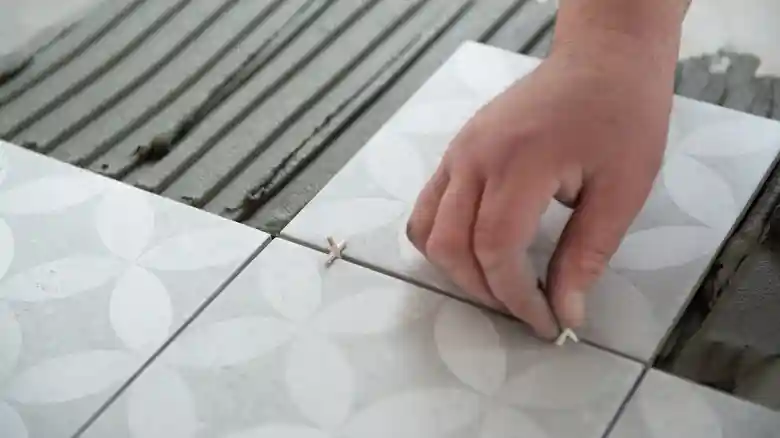
Before diving into when to use each type, it helps to understand what makes them different at a fundamental level.
Sanded grout contains fine sand particles mixed into the compound. That sand acts as a binder and filler, giving the grout more body and structural strength. It’s designed to fill wider joints without cracking or shrinking as it dries.
Unsanded grout (also called non-sanded grout) has no sand particles. It has a smoother, creamier consistency that adheres well to vertical surfaces and works in tighter spaces where sand particles would actually prevent a clean fill.
The core difference comes down to joint width. Grout joints are the gaps between tiles, and the size of those gaps determines which type of grout will perform properly and which will fail.
Here’s a simple breakdown:
| Feature | Sanded Grout | Unsanded Grout |
| Joint Width | 1/8 inch or wider | Less than 1/8 inch |
| Texture | Rough/gritty | Smooth |
| Shrinkage | Low | Higher |
| Best For | Floors, large-format tile | Wall tile, glass tile, polished stone |
| Cost | Slightly less expensive | Slightly more expensive |
When to Use Sanded Grout (Practical Guide)
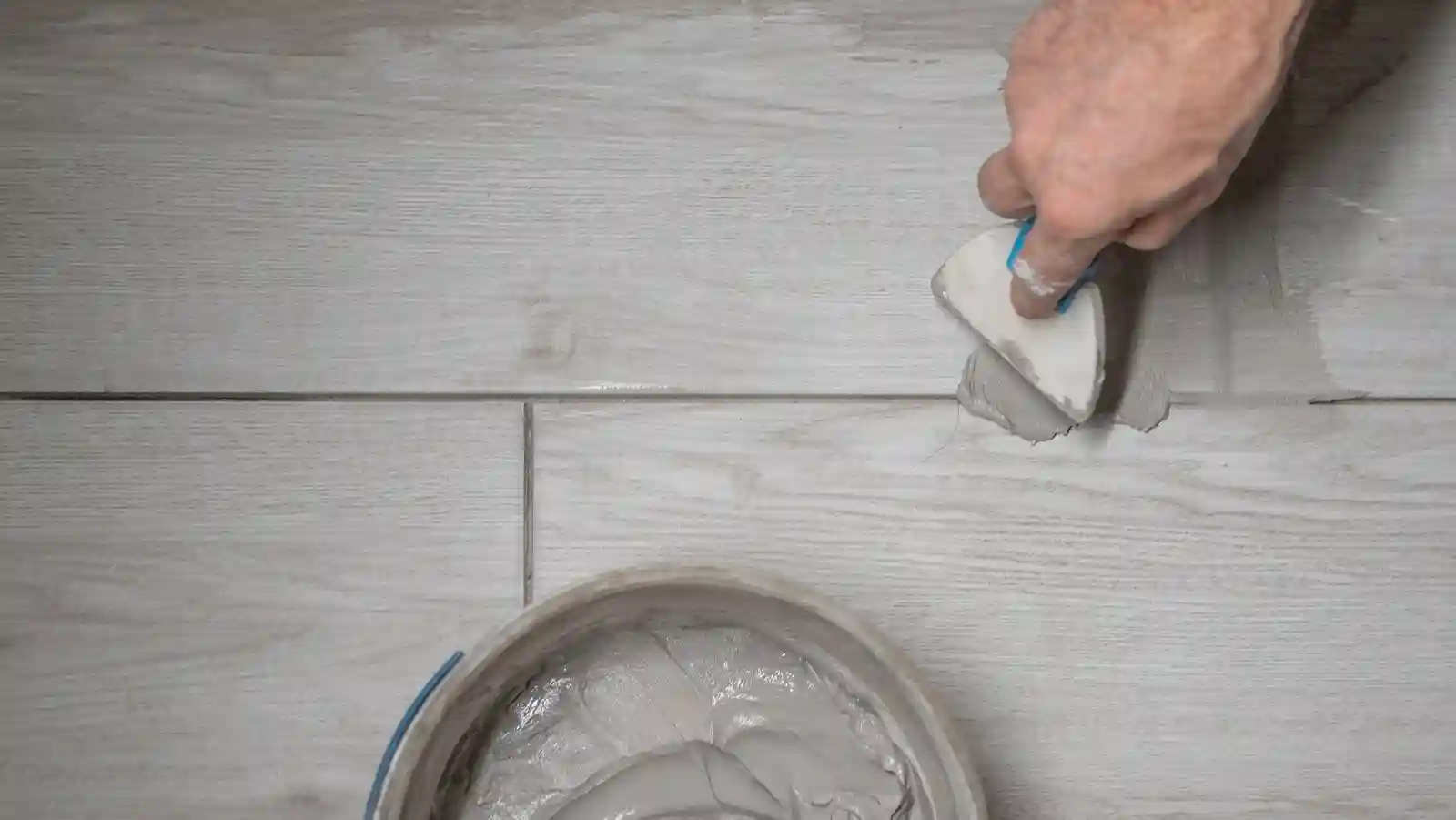
Joint Width of 1/8 Inch or More
This is the primary rule. If your tile joints are 1/8 inch (3mm) wide or larger, sanded grout is your go-to choice. Without the sand particles, an unsanded mix will shrink significantly as it cures, leaving visible cracks and gaps in wide joints. That looks bad and eventually leads to moisture getting underneath your tile.
Floor Tile Installations
For floor tiles ceramic, porcelain, natural stone like travertine or slate sanded grout is almost always the right call. Floors take constant foot traffic and physical stress. The sand particles give the cured grout more durability and resistance to wear over time. If you’re doing a mudroom, bathroom floor, or kitchen floor, you should be using sanded grout in most cases.
Outdoor and High-Moisture Areas
Patios, pool surrounds, and outdoor walkways are environments where the grout is exposed to temperature swings, freeze-thaw cycles, and continuous moisture. Sanded grout handles these conditions better because it has less shrinkage and more structural integrity. This is when should you use sanded grout becomes especially clear anytime the installation is outdoors or subjected to significant environmental stress.
Large-Format or Rectified Tile with Wider Spacing
Large-format tiles (anything 12×12 and bigger) are often laid with slightly larger grout joints to allow for lippage correction and substrate movement. In these cases, sanded grout is essential to fill the joint properly without cracking.
Rough or Textured Tile Surfaces
If your tile has a natural, rough texture slate, hand-painted ceramic, tumbled marble sanded grout tends to blend in better visually. The slight texture of the grout complements the tile’s character rather than contrasting with it.
When to Use Unsanded Grout (Practical Guide)
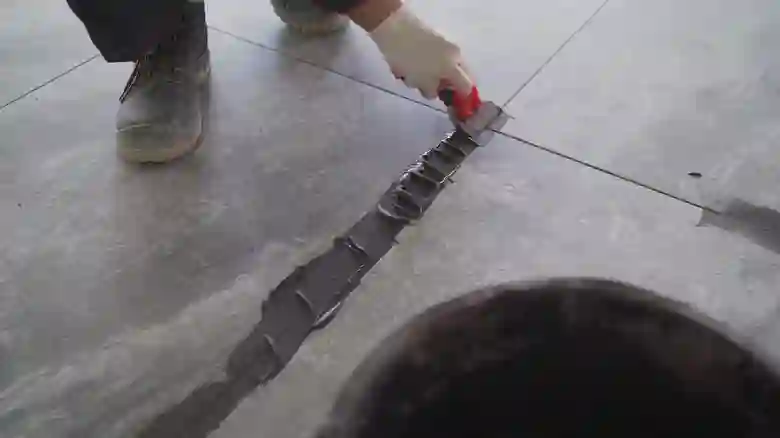
Joint Width Less Than 1/8 Inch
The uses for non-sanded grout start with the joint. If your tile joints are narrower than 1/8 inch, non-sanded grout is the right choice. Trying to pack sanded grout into a tight joint is like trying to fill a crack in the wall with coarse-grain sand the particles prevent full penetration, leaving the joint weak and incomplete.
Polished or Soft Stone Tile
Marble, limestone, and other polished natural stones scratch easily. The sand particles in sanded grout can drag across the tile surface during application, leaving fine scratches that dull the finish permanently. This is one of the clearest situations where you should use non-sanded grout regardless of joint width.
Glass Tile
Glass tile is unforgiving. It’s smooth, reflective, and shows every imperfection. Sand particles can scratch the surface and the transparent nature of glass makes any improper grouting highly visible. Always use unsanded grout with glass tile.
Vertical Wall Installations
Non-sanded grout has better adhesion and stickiness compared to its sanded counterpart. On vertical surfaces shower walls, kitchen backsplashes, feature walls sanded grout can slump or slide during application before it sets. The smoother consistency of unsanded grout allows it to stay put on vertical surfaces while it cures.
Speaking of backsplashes, if you’re considering a Backsplash Installation in Lowell, MA, the right grout selection is just as important as the tile itself. Grout color and type directly affect the final look and the long-term durability of the installation.
Mosaics and Small-Format Tile
Mosaic tiles with very tight joints (common in mesh-mounted sheets) almost always require non-sanded grout. The fine joints simply can’t accommodate sand particles, and the grout needs to flow smoothly into every small gap.
Sanded vs Unsanded Grout (Quick Comparison)
When thinking about sanded vs unsanded grout, don’t overcomplicate it. Here’s the practical decision tree:
Ask yourself:
- How wide are my grout joints?
- Less than 1/8 inch → Use unsanded grout
- 1/8 inch or wider → Use sanded grout
- What surface am I tiling?
- Polished stone or glass → Use unsanded regardless of joint width
- Floors with heavy traffic → Use sanded
- Vertical wall tile with tight joints → Use unsanded
- What’s the environment?
- Outdoor or high-moisture → Lean toward sanded
- Decorative interior wall → Either can work depending on joint size
The answer to should I use sanded or unsanded grout almost always comes back to joint width first, tile surface material second, and application location third.
You can read about: Bathroom Tile Grout
Common Mistakes to Avoid
Even experienced DIYers make these grout selection errors. Knowing them in advance saves you from a lot of frustration.
Using sanded grout on polished marble. The scratch damage can be permanent. No amount of polishing compound fully reverses deep scratches on marble. If the tile is soft or highly polished, use unsanded grout even if the joints are slightly wider than normal.
Using unsanded grout in wide joints. As it dries, the grout shrinks. In joints wider than 1/8 inch, this shrinkage causes cracking that’s visible within months of installation. The grout will eventually crumble out and the joint will need to be redone entirely.
Ignoring manufacturer specifications. Grout manufacturers list recommended joint widths on every bag. This isn’t marketing it’s engineering data based on how that specific formula behaves. Read the bag before you buy.
Mixing grout too wet. This applies to both types. Over-watered grout loses strength, cures inconsistently, and is prone to color variation. Mix grout to a peanut butter-like consistency and give it a few minutes to slake before use.
Skipping grout sealer on sanded grout. Sanded grout is porous. Without a penetrating sealer applied after curing, it will absorb staining from coffee, grease, wine, and cleaning chemicals. Always seal sanded grout, especially on kitchen floors and countertops.
Expert Recommendation (Real-World Insight)
After years of working on tile projects across residential and commercial spaces, the team at SF Marble and Granite has learned that the grout is often the last thing people think about and sometimes the first thing that causes problems.
Here’s what professionals actually do on-site:
They measure the joint width before purchasing grout. Not approximate they measure. A 1/16-inch joint and a 3/16-inch joint require different products, and the difference in outcome is significant.
They also consider the tile finish first and the joint width second when working with delicate materials. If a client chooses honed marble or glass tile, the grout choice is made before the tile is even ordered because the tile drives the decision, not the other way around.
For homeowners doing DIY projects, the single most useful piece of advice is this: when in doubt, go unsanded for wall tile with standard spacing, and sanded for floor tile. This covers about 80% of common installations correctly.
One thing that’s always worth doing is testing your grout color on a small area first. Grout color shifts significantly from wet to dry. What looks right when wet can be several shades lighter or darker after curing. Always let a test area dry fully before committing to the entire installation.
Final Thoughts
Grout selection isn’t complicated once you know the rules, but the consequences of getting it wrong are real cracking joints, scratched tile surfaces, and repairs that cost more than the original installation. Whether you’re weighing when to use sanded or unsanded grout for a bathroom floor or a kitchen backsplash, the decision always comes back to joint width, tile material, and application surface.
If you’re unsure about your specific project, don’t guess. The right call from the start saves time, money, and frustration down the road.
SF Marble and Granite is here to help. Whether you need expert guidance on grout selection, full tile installation services, or a professional consultation for your next renovation, contact us today. Our team brings hands-on experience to every project and is happy to walk you through the best options for your specific tile, space, and budget.
Reach out to us and let’s make sure your tile installation is done right from the first tile to the last line of grout.
Frequently Asked Questions
Can I use sanded grout on a shower wall?
Yes, but only if your grout joints are 1/8 inch or wider and your tile surface isn’t soft or polished. For most standard ceramic or porcelain wall tiles in a shower, sanded grout works fine in wider joints. However, for smoother or more delicate tiles, or tighter joints, non-sanded grout is the safer choice.
Does unsanded grout work on floors?
It can work, but it’s not ideal for most floor applications. Unsanded grout lacks the structural strength to handle foot traffic in wider joints, and it’s more prone to cracking in high-use areas. For floor installations with very tight grout joints (under 1/8 inch), it’s acceptable, but sanded grout is generally the better performer underfoot.
Is one type of grout more expensive than the other?
Unsanded grout tends to cost slightly more than sanded grout, largely because of its formulation and the materials used. However, the cost difference is relatively minor compared to the cost of tile or labor. Choosing the wrong type to save a few dollars will cost significantly more in repairs down the line making the right choice the more economical one.
When to use sanded vs unsanded grout for a kitchen backsplash?
Kitchen backsplashes often use subway tile, glass tile, or mosaic patterns with tight grout joints. In most backsplash installations, the joints are 1/16 inch or less, which calls for unsanded grout. If you’re using larger format tile with wider spacing, sanded grout becomes appropriate. The tile material (especially glass) is also a deciding factor glass always requires unsanded.
Can I mix sanded and unsanded grout together?
No. Mixing them doesn’t give you a middle-ground product it gives you an inconsistent mixture that cures unpredictably and may fail in both performance categories. Always use one type or the other based on your specific installation requirements.