S F Marble & Granite

Marble and Granite

Difference Between Marble and Granite

Difference Between Marble and Granite: A Complete Homeowner’s Guide

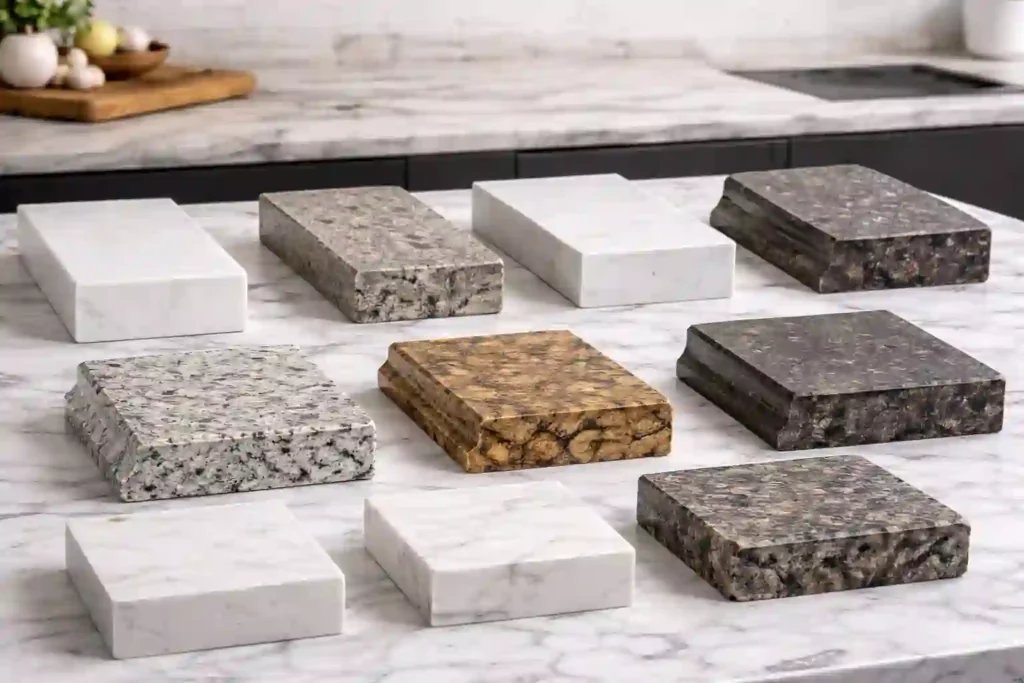
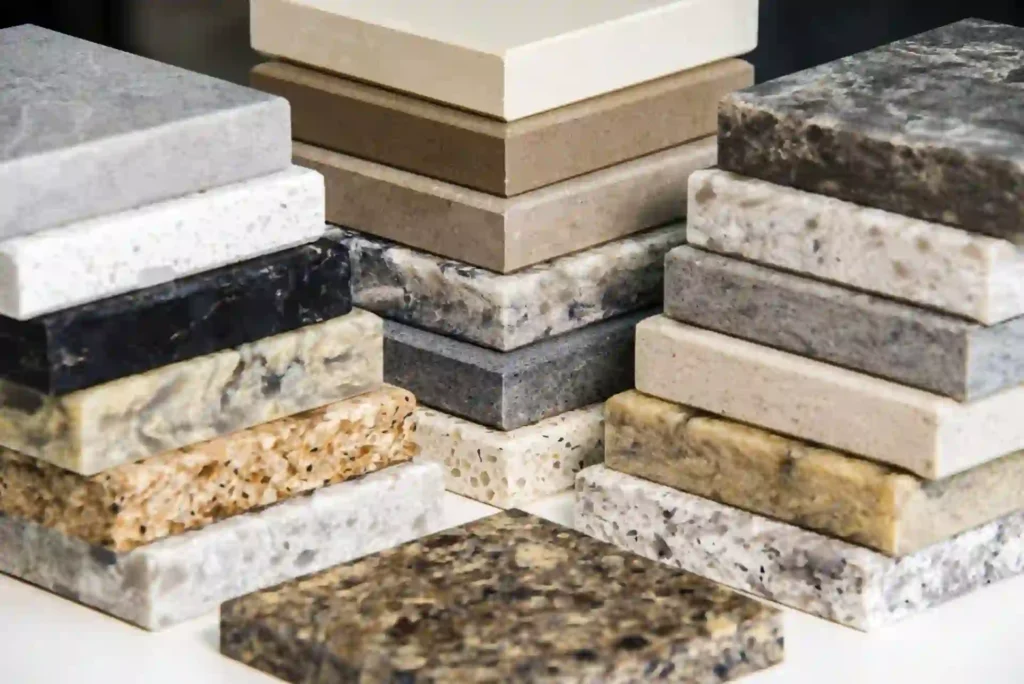
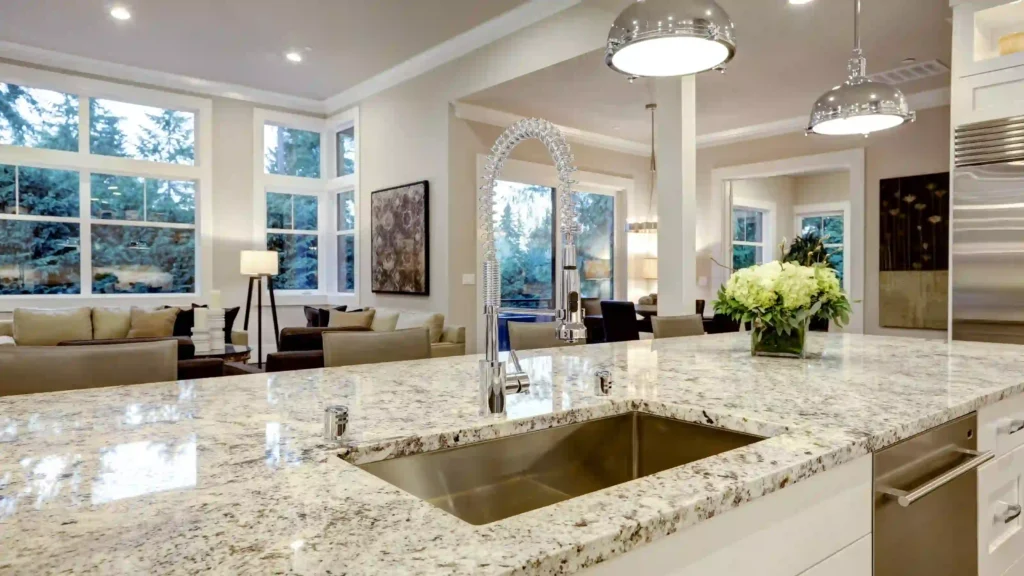
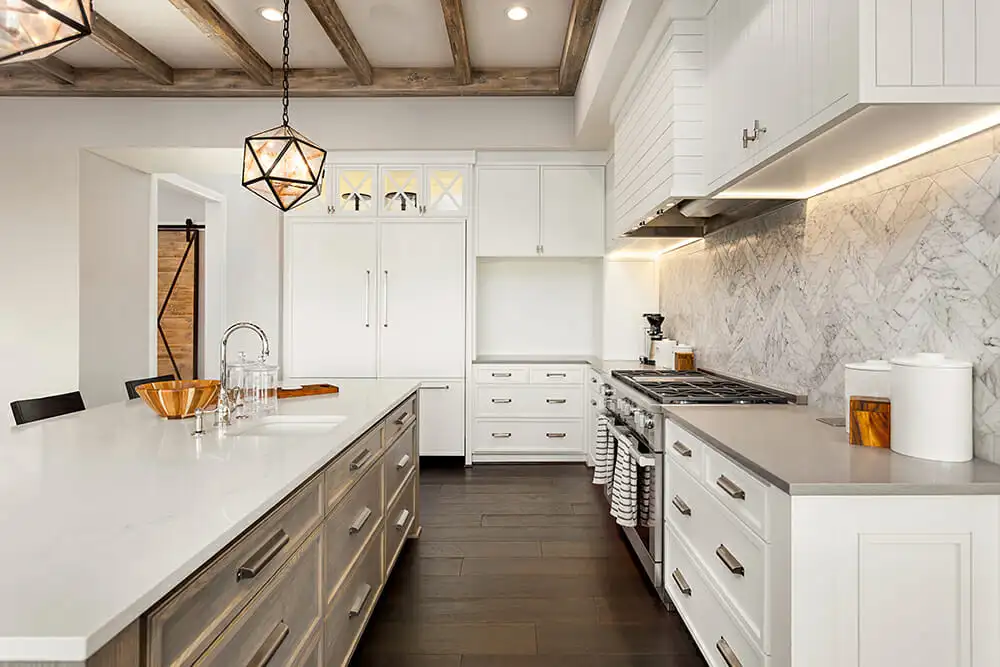
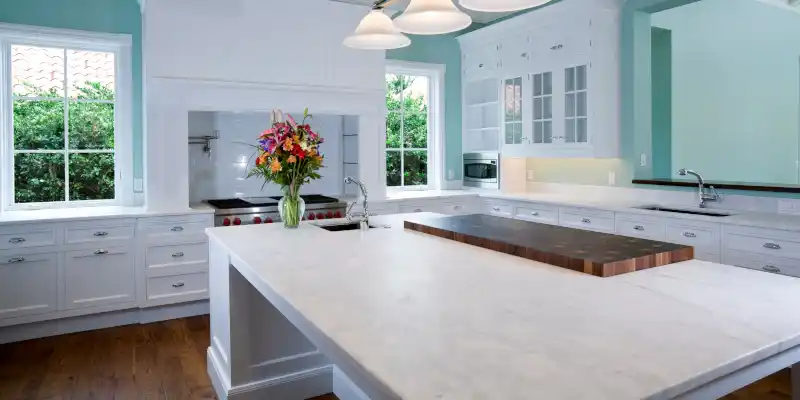
Difference Between Marble and Granite: A Complete Homeowner’s Guide When choosing natural stone surfaces for your home, two premium materials always stand out: marble and granite. These stones have defined luxury in architecture for centuries, yet they differ in structure, durability, maintenance, and best-use applications. Understanding the difference between marble and granite helps you make the right investment, whether you are updating kitchen countertops, bathroom vanities, flooring, or designing stylish décor accents.  At SF Marble and Granite Inc., we combine decades of expertise with premium materials to guide homeowners in selecting, fabricating, and installing the perfect stone surfaces. Let’s explore how these stones compare in origin, appearance, performance, maintenance requirements, and ideal installation locations, backed by industry knowledge and modern usage trends. Marble  Marble has long been associated with elegance, artistry, and timeless beauty, a stone admired in ancient palaces, luxury estates, and modern high-end interiors. Formed through natural metamorphic processes, marble showcases unique veining patterns and soft, polished textures that bring character and warmth to any space.  Every slab is a work of nature, offering distinct tones and movement that make each installation truly one-of-a-kind. Whether used for kitchen countertops, bathroom vanities, marble flooring, fireplace surrounds, or custom feature walls, marble instantly elevates interiors with its refined charm and classic appeal.  Thanks to ongoing advancements in sealing and fabrication, marble today combines luxury with improved durability, making it a practical choice for sophisticated homes and commercial spaces alike. For those who appreciate refined aesthetics, natural patterns, and a surface that ages gracefully, marble stands unmatched. It is more than a material; it is a statement of taste, craftsmanship, and enduring style. Granite Granite represents strength, longevity, and reliable beauty, a natural stone valued for its exceptional durability and impressive heat and scratch resistance. Formed deep within the earth’s crust, granite delivers dense composition, rich mineral textures, and bold natural patterns that make it a favorite for busy households and high-traffic environments. Available in a wide range of colors and finishes, granite offers incredible design versatility,  from modern matte blacks and textured finishes to classic polished tones with sparkling mineral depth.  Whether installed as kitchen countertops, bathroom surfaces, outdoor BBQ tops, flooring, or commercial work areas, professional granite fabrication ensures precision, perfect fit, and flawless finish, allowing granite to perform consistently under pressure and maintain its appearance for decades. With proper sealing and expert installation, granite becomes a long-term investment that resists stains, heat, and everyday wear.  For homeowners and businesses seeking premium aesthetics without compromising durability, granite remains one of the most trusted and admired choices in natural stone design. What Makes Marble and Granite Different?   Formation & Geological Background Granite forms deep in the Earth as molten magma cools over thousands of years, hardening into a crystalline igneous rock. Its high quartz and feldspar content gives it exceptional hardness and heat resistance. Marble begins as limestone and transforms into a denser rock through heat and pressure over time (a metamorphic process). This change gives marble its artistic veining and soft elegance — but also a softer structure compared to granite. Appearance & Aesthetic Appeal    Both stones are stunning, but they offer different visual effects: Feature Marble Granite Visual Pattern Soft, elegant veining Speckled, crystalline patterns Texture Smooth, flowing Bold, grainy texture Color Style Whites, greys, blacks, greens, golds Beige, brown, black, blue, white, red If you want a luxurious, timeless aesthetic, marble stands out.If you’re drawn to bold, natural textures and rich tones, granite shines. Durability & Strength When comparing the durability difference between marble and granite: Granite ranks 6-7 on the Mohs hardness scale — tough against scratches, chips, and heatMarble ranks 3-5, softer, more porous, and prone to etching from acids  This makes granite ideal for high-traffic and high-use surfaces, while marble suits refined, lower-traffic areas. Heat & Scratch Resistance Granite: One of the most heat-resistant natural stones, safe for kitchens, including around cooking ranges and outdoor BBQ counters. Marble: Can handle mild heat but risks burn marks and scratches if hot objects or sharp tools contact it directly. Maintenance & Sealing Both surfaces require sealing, but the frequency differs: Feature Marble Granite Sealing Frequency Twice per year Once per year or every 2–3 years Cleaning pH-neutral cleaners only Mild dish soap & water work well Stain Resistance Sensitive to acidic spills Excellent resistance with sealing   If you don’t mind extra care and want timeless softness, marble fits.  If low-maintenance strength is your priority, granite leads. Best Uses in Home Design Application Best Material Notes Kitchen Countertops Granite Withstands heat, knives, spills Bathroom Vanities Marble or Granite Marble adds luxury; granite adds durability Flooring Marble (low traffic) / Granite (high traffic) Choose based on traffic Fireplaces Marble Adds elegance Outdoor Kitchens Granite Weather & heat resistant Shower Walls Marble Spa-like look, requires sealing Which Stone Is Right for Your Space?    Choosing between marble and granite ultimately depends on your lifestyle, design goals, and how you plan to use the surface. Both stones offer distinct advantages, but the right fit comes down to whether you prioritize unmatched durability and practicality, or refined luxury and timeless elegance. Below is a clear guide to help you decide: Choose Granite If You Want:   Granite is ideal for busy household environments, modern kitchens, and commercial spaces where durability matters most. It offers outstanding resistance to heat, scratches, and daily wear, making it a top choice for high-use surfaces. Perfect for you if you prefer: – Maximum strength and durability – Excellent heat & scratch resistance – Low-maintenance surface with easy care – A long-lasting natural shine and bold appearance – A stone that performs exceptionally well in kitchens and outdoor spaces – Peace of mind in high-traffic and family-friendly environments. Granite combines beauty and practicality — ideal for everyday functionality without compromising style. Choose Marble If You Prefer:       Marble is favored for its artistic, luxurious appeal — the kind of natural elegance that transforms spaces into design statements. With soft veining and classic character,

Difference Between Marble and Granite: A Complete Homeowner’s Guide Read More »
cutting-tile-with-angle-grinder

Cutting Tile with Angle Grinder: Step-by-Step Guide for Perfect Results

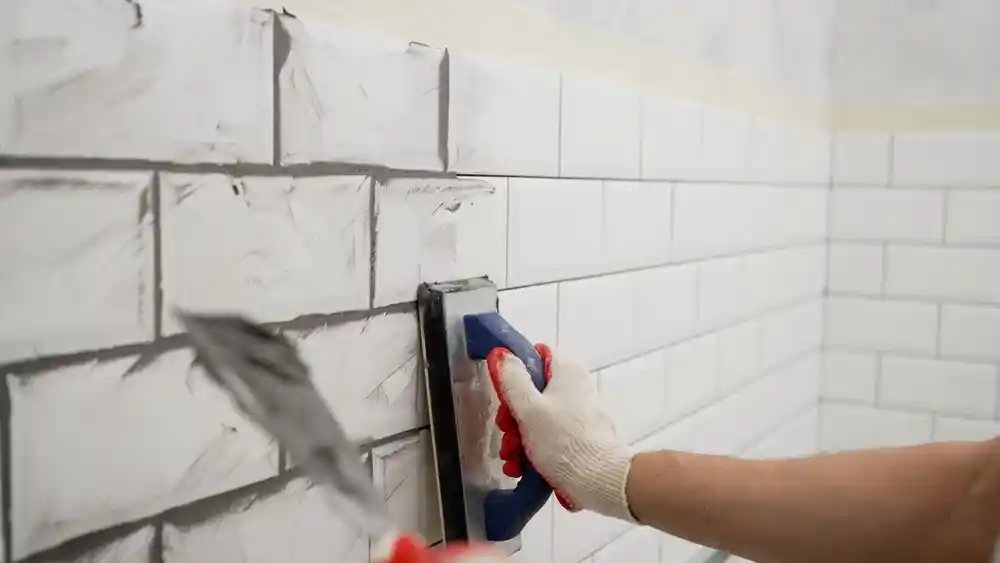
Home Cutting Tile with Angle Grinder: Step-by-Step Guide for Perfect Results Cutting tiles is an important step in many home improvement and remodeling projects. From bathroom floors to kitchen backsplashes, clean and accurate cuts make the design look polished. Using the right tool is the key, and the angle grinder is one of the most effective options for this task. This cutting tile with angle grinder guide is created for both beginners and professionals. It explains the essential tools, safety measures, and step-by-step techniques to help you achieve smooth, professional-looking results with ease. The Versatility of Angle Grinders Why Angle Grinders Work Well for Tile Projects Angle grinders are known for their power and flexibility, making them ideal for small and large tile jobs. With the right blade, cutting tile with angle grinder becomes efficient and precise, even for tougher materials. Comparing Angle Grinders with Other Cutting Tools Unlike manual tile cutters that only score and snap tiles, angle grinders allow you to: Create curved and straight cuts with accuracy. Adjust depth for thicker materials. Handle detailed edge work where traditional cutters fall short. This makes the grinder a better option than basic snap cutters for complex tile layouts. Use Cases for Different Tile Types Angle grinders can be used to handle different surfaces, including: Ceramic tiles – quick and smooth cuts. Porcelain tiles – durable yet manageable with the right blade. Stone tiles – such as marble, granite, or natural stone, where extra precision is required. Professionals like SF Marble and Granite often rely on angle grinders for stonework projects, whether it’s custom tiles or floor molding that requires perfect edges. Even for DIY users, a grinder can cut tile in ways other tools cannot, making it a go-to option for versatile tile cutting. Essential Tools and Materials for Cutting Tiles with an Angle Grinder Before starting any tile project, gathering the right tools makes a big difference. A well-prepared setup not only ensures cleaner cuts but also keeps the process safe and efficient. Must-Have Tools for the Job To achieve accurate results, having the right equipment is crucial. For cutting tile with angle grinder, you’ll need: Angle grinder – compact yet powerful for tile projects. Diamond blade – designed for smooth, chip-free cuts. Safety gear – goggles, gloves, and a dust mask to protect yourself during work. Helpful Accessories That Make Work Easier Sometimes the small extras save the most time. Adding these items helps with precision: A marker or pencil for clearly marking cut lines. Clamps to hold tiles steady during cutting. Use a water source or spray bottle to reduce dust and keep the blade cool. Importance of Quality Materials Better tools always lead to better results. A sturdy diamond blade improves accuracy and avoids chipping. Just like experts who cut granite countertops, DIY users should also invest in strong tools. With the right setup, cutting tile with grinder becomes safer and more professional. Cutting Tiles with an Angle Grinder: A Step-by-Step Guide Cutting tiles doesn’t have to be complicated. With the right method, an angle grinder for tile can give smooth, precise cuts. Preparing the Workspace Secure the tile on a flat surface and wear safety gear. A clean, stable setup prevents slips and uneven cuts. Marking the Tile Draw clear lines before cutting. Accurate marking is the key to reducing mistakes. Cutting Process Attach a diamond blade to your grinder, start slowly, and follow the line. Light passes work better than forcing the blade. Reducing Cracks Go steady, keep the blade cool with water if possible, and avoid rushing. Following these steps makes cutting tile with an angle grinder simple, much like following a trusted floor replacement guide. Prioritizing Safety: A Must When Cutting Tiles Safety should always come first when cutting tile with an angle grinder. This tool is powerful, but without the right precautions, accidents can happen. Wear Proper Gear Gloves, safety goggles, and a dust mask are essential. They protect you from sharp edges, dust, and flying debris. Control Dust and Debris Use water or a vacuum attachment to reduce dust. It keeps the air clean and improves visibility while you cut tile with an angle grinder. Secure the Tile Hold tiles firmly with clamps or on a steady surface. A stable setup gives cleaner cuts and reduces the risk of breakage. When done carefully, the process is as reliable as hiring pros for granite countertops near me, where quality and safety go hand in hand. Refining the Edges and Cleaning Up After cutting tile with an angle grinder, the edges may feel rough or uneven. Smoothing them ensures a professional finish. Smooth the Edges Use fine sandpaper or grinder pads to carefully refine the cut lines. This step helps the tile fit better and look polished. Final Clean-Up Before installation, wipe the tile with a damp cloth to remove dust and debris. A clean surface improves bonding and enhances the final appearance. With these finishing touches, your tiles will be ready to install seamlessly. You May Also Read: Swimming Pool Tile Grout Repair Why Choose SF Marble and Granite If you’re planning to cut tile with an angle grinder for a flooring or countertop project, choosing experts makes all the difference. At SF Marble and Granite, we bring years of experience in handling tile, granite, and marble with precision. Our team uses professional tools and proven techniques to ensure smooth edges, clean cuts, and durable results. From marble floor installation to full countertop solutions, we deliver quality work trusted by homeowners across the area. get a free quote Final Thought Cutting tile with an angle grinder can make home projects easier when done with the right tools and safety steps. It’s a great DIY task for small fixes and creative designs. Still, for larger jobs or when precision matters most, working with professionals ensures a cleaner finish and long-lasting results. Smart planning makes all the difference. FAQs Can I use an angle grinder to cut all types of tiles? Yes,

Cutting Tile with Angle Grinder: Step-by-Step Guide for Perfect Results Read More »

floor-molding-ideas

Best Floor Molding Ideas for Stylish Interiors

Home Best Floor Molding Ideas for Stylish Interiors Floor molding, often referred to as baseboard trim, is the finishing touch that unites walls and floors. It’s more than just a border; it protects the wall edges while adding a polished look to any room. Homeowners today search for fresh molding ideas for the floor because these small details can completely change the feel of a space. From simple designs to bold accents, the right trim adds both elegance and functionality, giving your interiors a refined and complete appearance. Understanding Floor Molding Floor moldings provide more than meets the eye. They protect walls from nasty scuffs or scratches, and they help define a clean transition between the floor and the wall. When you’re shopping for molding ideas, consider their purpose to help you decide what type will best the decor of your home. Why Molding Matters Shields walls from everyday wear and tear Covers gaps between floor and wall edges Adds style and elegance to any room Common Types of Floor Moldings When exploring molding ideas for floor, here are some of the most popular options: Baseboards – Classic and versatile, available in modern or traditional designs Quarter Round & Shoe Molding – Perfect for finishing small gaps after a tile floor replacement Cove Molding – Adds a soft, curved transition, often used in elegant settings At SF Marble and Granite, we’ve seen how the right trim can transform a room just as much as stonework or flooring. Choosing the right molding type ensures both durability and design harmony. Classic vs. Modern Baseboard Trim When exploring floor molding ideas, one of the biggest choices homeowners face is whether to go with traditional or modern baseboard trim. Both bring character to a room, but their look and placement make them better suited for different types of spaces. Classic Baseboard Trim Works beautifully in older or traditional homes Features taller profiles, detailed curves, and decorative edges Complements natural materials like terrazzo floor or hardwood Modern Baseboard Trim Sleek, simple, and minimal in design Best suited for contemporary apartments and offices Blends well with stone interiors such as marble and granite Massachusetts homes Choosing between classic and modern comes down to your home’s overall style. Classic trim adds charm and detail, while modern trim provides a clean, updated finish. Popular Baseboard Trim Ideas Looking for inspiration to elevate your interiors? Here are some trending baseboard trim ideas that fit perfectly with modern and luxury homes: Sleek Minimal Trims – Thin, straight lines that keep the focus on your walls and floors. Ideal for condos, offices, or open layouts. Decorative Trims – Taller and more detailed, these add richness to living rooms, dining areas, or homes with classic character. Color & Finish Mixes – White trims with dark walls or wood-toned trims against stone flooring create eye-catching contrasts. Whether you’re upgrading after a granite repair or planning a fresh remodel, these floor molding ideas can completely redefine your space. The right trim adds both function and personality, making every room feel finished and stylish. Creative Molding Ideas for Floor Design When it comes to floor molding ideas, the right design can change the entire atmosphere of a room. By focusing on style, color, and height, you can make the trim a true design feature. Pairing Molding With Flooring Types Wood floors often shine with white or dark trims, while tile and marble look better with smooth, minimal molding. If you’ve recently worked on countertop installation or stone flooring, matching the tones of the molding creates a seamless, balanced look. Using Contrasting Colors Playing with contrast is one of the easiest ways to highlight edges. A dark trim against light flooring or white molding with dark stone creates a bold and stylish finish. High vs. Low Baseboards Tall baseboards bring elegance and a sense of luxury to formal rooms, while shorter trims work best in modern spaces that favor clean, minimal design. Choosing the Right Floor Molding for Your Home Finding the best option among countless floor molding ideas comes down to your home’s style and practical needs. Trim should look beautiful, but it also has to last. Interior Style and Room Size Slim and minimalist trims are perfect for the current look at home, while tall and detailed molding looks great in a traditional home. In smaller spaces, low-profile trims can create an open feel, while larger spaces can accommodate bolder trims.  Flooring Material The choice of molding should complement the flooring. Hardwood pairs well with painted trims, while marble or tile often looks best with smooth, neutral designs. Cost and Durability Budget is always a factor. Some trims are more affordable, but higher-quality materials tend to last longer and resist wear better, making them worth the investment. Maintenance Tips for Floor Moldings Good maintenance keeps your trim looking fresh and extends its life. When exploring floor molding ideas, it’s important to know how to care for them properly. Easy Cleaning Methods Use a soft cloth or vacuum brush to remove dust regularly Wipe with mild soap and water to clear stains without damaging the finish Avoid harsh chemicals that can wear down paint or wood surfaces When to Repair or Replace Small scratches or dents can be touched up with filler or paint Warped or cracked trims usually need full replacement to keep a polished look If you’re already renovating, updating molding along with floors adds extra value By keeping up with these simple steps, homeowners ensure their moldings stay durable, stylish, and functional for years. Why Choose SF Marble and Granite for Floor Molding At SF Marble and Granite, we know the right floor molding ideas can transform any space. With years of experience in marble floor installation and trim work, our team delivers both style and durability. Experience You Can Trust We’ve worked on countless flooring projects, combining skill and attention to detail. Our molding services ensure a clean, finished look that perfectly matches your floors. Custom Solutions Every home is

Best Floor Molding Ideas for Stylish Interiors Read More »

tile-floor-replacement-guide

Tile Floor Replacement Guide: Steps, Costs & Tips

Home Tile Floor Replacement Guide: Steps, Costs & Tips Floors play a big role in how your home looks and feels. Over time, tiles can crack, loosen, or lose their shine, making a tile floor replacement the best option. Replacing floor tiles not only restores durability but also refreshes the style of your space. Knowing when to replace tile floor helps you plan better and keep your home both functional and attractive. When Should You Replace a Tile Floor? Every homeowner wonders when it’s time to move from small fixes to a full tile floor replacement guide. Some signs are easy to spot and show when replacing floor tiles is the smarter choice. Common Signs You Need Replacement: Cracks or chips – Small cracks spread quickly and weaken the floor. Loose tiles – Wobbly tiles mean the adhesive or subfloor is failing. Outdated look – Old styles can make the space look dull, even if the tiles are intact. Stains or water damage – Hard-to-remove marks or moisture issues often call for a new floor. Repair vs. Full Replacement Minor issues like single chips may be solved with simple fixes or terrazzo floor repair. Widespread problems such as large cracks, uneven surfaces, or old designs often require full tile flooring replacement for long-term value. For expert advice and installation, SF Marble and Granite can help you decide whether repair or replacement fits your home best. Planning Your Tile Flooring Replacement A smooth project begins with the right plan. Any tile floor replacement guide should first focus on accurate measurements and tile selection. Measure the space – Knowing the exact square footage avoids wasted material and extra costs. Choose your style – Options like marble tile for elegance or concrete for durability help match your home’s design. Set a budget – Factor in materials, labor, and tools when preparing for tile flooring replacement. Good planning ensures your project stays within budget while delivering the look and durability you want. Tools & Materials You’ll Need For any flooring job, the right prep matters. This tile floor replacement guide makes it simple. Here’s what you’ll need to replace tile floor: Basic Tools Hammer & chisel for removing old tiles Tile cutter or wet saw for shaping Trowel & spacers for even placement Rubber mallet & grout float for finishing Safety Gear Gloves and goggles for protection Knee pads for comfort Dust mask to avoid debris For durable results, use high-quality tiles, such as marble, and source products from trusted stone suppliers. Even businesses you find while searching for granite countertops near me often carry flooring materials. With these essentials, your tile flooring replacement project will run smoothly and safely. Step-by-Step Tile Floor Replacement Guide A tile floor replacement guide should be simple to follow. Here’s a step-by-step breakdown to make the process smooth: Removing Old Tiles Use a hammer and chisel to carefully lift and remove old tiles. Work slowly to avoid damaging the subfloor. Preparing the Subfloor Clean away debris and check for cracks. A smooth, level base ensures long-lasting results. Installing New Tiles Lay out your tiles in a pattern first. Materials like grey marble or marble mosaic add timeless beauty. Use spacers for even gaps and a thin-set mortar for firm placement. Grouting and Finishing After placing tiles, set the tiles, and add and distribute grout evenly between the tiles. Clean excess grout off with a damp sponge, and let the floor cure before heavy foot traffic. Following this guide to replacing your tile floor ensures your new flooring will be durable, elegant, and correct. You May Also Read: Swimming Pool Tile Grout Repair DIY vs. Hiring Professionals Not every project needs a professional, but knowing when to do it yourself and when to hire someone can save you time and money. This guide to replacing tile floors will address both: When DIY Works Small areas with minimal damage. Simple layouts that don’t need complex cutting. If you already have basic tools and patience. When to Call Experts Large spaces or detailed designs. Floors needing subfloor repair or leveling. For high-end materials where precision matters. Hiring pros ensures long-lasting, polished results, while DIY is best for small, manageable tasks. Cost of Tile Flooring Replacement Budgeting is an important part of any tile floor replacement guide. The cost can vary depending on materials, labor, and design choices. Average Price Per Square Foot Basic ceramic tiles: $5 – $10 per sq. ft. (installed) Porcelain or marble tile: $10 – $20 per sq. ft. Premium styles like mosaics: $20+ per sq. ft. Factors That Affect Cost Materials: Natural stone and marble cost more than ceramic. Labor: Skilled installation raises the price but ensures durability. Design: Patterns, borders, or custom cuts increase costs. Subfloor Prep: If leveling or repairs are needed, the budget goes up. Keeping these factors in mind helps you plan realistically and avoid surprises. Maintenance After Replacement A good tile floor replacement guide doesn’t end with installation. Proper care keeps your tiles looking new for years. Cleaning & Sealing Tips Sweep or vacuum regularly to prevent scratches. Use pH-neutral cleaners safe for ceramic, porcelain, or travertine. Seal grout lines to block moisture and stains. How to Extend Tile Floor Life Place mats in high-traffic areas. Clean spills quickly to avoid long-term damage. Reseal natural stone tiles every 1–2 years for protection. Simple habits make a big difference in maintaining your floor’s shine and durability. Why Choose SF Marble and Granite for Tile Flooring Replacement Following a tile floor replacement guide, professional help can make a world of difference. At SF Marble and Granite, we leverage a long history of qualified experience and craftsmanship for lasting results. Why Homeowners Trust Us Professional marble floor installation and tile replacement services. Wide selection of premium tiles with expert design guidance. Dedicated team focused on precision and long-term durability. For more details on who we are and what we do, visit our about us section to see how we can bring your flooring vision to

Tile Floor Replacement Guide: Steps, Costs & Tips Read More »

terrazzo-floor-restoration

Complete Step-by-Step Guide to Terrazzo Floor Restoration

Home Complete Step-by-Step Guide to Terrazzo Floor Restoration Terrazzo floors are known for their durability, elegance, and timeless design. Created by mixing marble, granite, quartz, or glass chips with a binder, these floors can last for decades while adding unique style to any space. However, constant foot traffic, stains, and scratches can gradually take away their shine and smooth finish. This is where terrazzo floor restoration becomes essential. At SF Marble and Granite Inc., we help homeowners and businesses revive their terrazzo floors. Our expert terrazzo restoration services not only repair cracks and dull spots but also enhance durability and preserve the floor’s natural beauty, making it a smarter choice than costly replacements. Signs Your Terrazzo Floor Needs Restoration Even the most durable terrazzo floors need attention over time. Here are the key signs that it’s time to consider terrazzo restoration with experts like SF Marble and Granite. Loss of Shine and Dull Appearance When the glossy finish fades, polishing through professional restoration can bring back the sparkle. Cracks, Chips, or Holes Small damages may expand if ignored. Skilled repair methods, like concrete floor repair and marble mosaic patching, help restore a seamless look. Stains and Discoloration Spills, chemicals, and moisture can leave lasting marks. Restoration removes these blemishes and revives the natural tones of your floor. Uneven or Worn Surfaces High-traffic areas may wear down faster, creating rough spots. Restoration levels and smooths the floor for a uniform finish. With timely restoration, you can extend the life and beauty of your terrazzo floor for years. Preparation Before Terrazzo Restoration Preparation is key when embarking on terrazzo floor restoration; every step must ensure that your floor is ready for polishing, sealing, and long-term protection. Surface Inspection and Assessment Professionals begin by carefully checking the floor for cracks, stains, and wear. Just like when searching for granite repair or granite countertops near me, knowing the exact condition helps plan the right approach. Removing Old Sealers, Wax, or Coatings Outdated layers of wax or sealer can block new finishes from bonding properly. These coatings are stripped away to reveal the natural terrazzo surface underneath. Protecting Furniture, Walls, and Edges During preparation, surrounding areas are covered and shielded to prevent accidental damage. This ensures the focus stays on the floor while keeping your space safe. By taking these steps, not only can restoration quality be improved, but your investment is protected – especially given the difference in cost between full replacement and restoration of a terrazzo floor. Repairing Surface Damage When planning terrazzo floor restoration, repairing visible flaws is one of the most important steps. Cracks, chips, and worn patches not only affect the look of the floor but can also shorten its lifespan if ignored. Filling Cracks and Chips Restoration begins by sealing cracks and repairing chipped areas. This prevents further spreading and removes potential risks, like creating a slippery floor surface in high-traffic zones. Matching Colors and Aggregates To keep the floor’s charm, repair materials are carefully blended to match the original terrazzo. Whether you have a modern design or a vintage checkerboard style, color matching ensures the repairs look seamless. Preparing for Easy Maintenance Once the damage is repaired, future upkeep becomes simpler. Learning how to clean terrazzo floor properly after restoration helps preserve the finish and keeps the surface looking polished for years. Grinding and Honing the Surface A key stage of terrazzo floor restoration is grinding and honing. This process removes imperfections and prepares the floor for a polished, long-lasting finish. Coarse Grinding for Leveling The first step is coarse grinding, which evens out high spots and removes surface damage. Similar to when you polish a marble floor, this stage is about creating a flat base that’s ready for finer work. Progressive Grit Honing for Smoothness After leveling, the floor is honed with progressively finer grit pads. Each pass makes the terrazzo smoother, bringing out the natural beauty of the stone chips and binder. Edge and Corner Grinding Techniques Corners and edges require careful handwork to achieve the same smoothness as the main floor. Just like working on marble laminate surfaces, precision is key to ensuring a flawless finish in every detail. With proper grinding and honing, your terrazzo regains its smooth texture and prepares perfectly for polishing and sealing. Polishing Terrazzo Floors Polishing is the stage in terrazzo floor restoration that brings out the shine and smoothness, making the floor look brand new again. Wet vs Dry Polishing Methods Wet polishing: Uses water to control dust and keep pads cool. Dry polishing: Faster process, gives a crisp and glossy finish. Diamond Polishing Pads and Compounds Diamond pads are used in gradual steps, from coarse to fine. Polishing compounds enhance clarity and smoothness. Achieving a Glossy, Mirror-Like Finish The final stage delivers a reflective, mirror-like surface. This glossy finish highlights the natural beauty of the terrazzo. Sealing and Protecting Terrazzo Floors After polishing, sealing is the final step in terrazzo floor restoration. It not only enhances the finish but also shields the surface from daily wear. Types of Sealers Penetrating sealers: Absorb into the floor for deep protection. Topical sealers: Create a surface layer that boosts shine. Application Process and Curing Applied evenly to cover the entire floor. Left to cure properly for maximum durability. Benefits of Sealing for Long-Term Durability Resists stains, scratches, and moisture. Makes cleaning effortless, similar to caring for a bath with a hexagon tile surface. Extends the lifespan of the terrazzo floor. Sealing is the step that ensures your terrazzo restoration lasts. With the right sealer and proper application, your floor will stay glossy, strong, and easier to maintain for years to come. Cost of Terrazzo Floor Restoration Understanding the cost of terrazzo floor restoration helps homeowners plan wisely and decide if restoration is better than replacement. Factors Influencing Cost Floor size – larger areas require more labor and materials. Condition of the floor – deep cracks, stains, or heavy wear increase the price. Type of finish – high-gloss or specialized sealing

Complete Step-by-Step Guide to Terrazzo Floor Restoration Read More »

rose-quartz-countertops

Upgrade Your Space with Rose Quartz Countertops

Home Upgrade Your Space with Rose Quartz Countertops Rose quartz countertops are quickly becoming a favorite choice for homeowners seeking to add elegance and personality to their kitchens and bathrooms. Known for their soft pink hue and subtle sparkle, these countertops combine beauty, durability, and luxury in one stunning surface. Unlike traditional options, rose quartz countertops add a distinctive charm that feels both modern and timeless. At SF Marble and Granite Inc., we specialize in crafting and installing high-quality stone surfaces that transform everyday spaces into works of art. With our experience and wide range of materials, we help homeowners in Lowell and nearby areas create interiors that balance style and functionality perfectly. What Are Rose Quartz Countertops? Rose quartz countertops are a unique surface option that stands out for their soft pink tones and natural crystal-like shine. Unlike traditional quartz, which is mostly neutral in color, rose quartz offers a warm, elegant look that feels both modern and timeless. Key Differences from Traditional Quartz Distinct pink hue with natural sparkle. Less common, making it more exclusive. Adds a gemstone-like luxury to kitchens and bathrooms. Color, Patterns, and Shine Blush pink base with subtle variations. Occasional veining similar to infinity white quartzite. Reflects light beautifully for a glowing effect. Style Applications Perfect as pink countertops for kitchens or bathrooms. Creates a spa-like atmosphere in bathrooms. Works well with neutral stones like terrazzo countertops for a custom look. At SF Marble and Granite, we specialize in premium stones like rose quartz, infinity white quartzite, and terrazzo countertops, helping you design surfaces that blend durability with elegance. Benefits of Rose Quartz Countertops Choosing rose quartz countertops is more than just a design decision; it’s about adding elegance and function to your home. These countertops bring a mix of beauty and performance that homeowners truly appreciate. Unique Aesthetic Appeal The natural pink hue makes rose quartz a stunning choice. Unlike standard surfaces such as stretta or other neutral options, these countertops stand out as a statement piece. They’re perfect if you want pink kitchen countertops that feel both stylish and welcoming. Durability and Resistance Rose quartz is known for its strength. It resists scratches and stains, making it reliable for busy kitchens. With proper care, you won’t have to worry about chips or visible granite seams breaking up the look. Adds Luxury and Value Installing rose quartz countertops instantly upgrades your space. Their gemstone-like beauty adds a luxurious feel while increasing the resale value of your home. Complements Any Design Whether you love a modern minimalist kitchen or a classic bathroom style, rose quartz blends in seamlessly. Its soft pink tones match well with neutrals, metallics, and even bold accent colors. You May Also Read: How Thick Are Granite Countertops? Drawbacks of Rose Quartz Countertops While rose quartz countertops are admired for their beauty and durability, there are a few considerations homeowners should keep in mind before choosing them. Higher Cost Rose quartz often comes with a higher price tag compared to standard quartz. Its rarity and gemstone-like appeal mean you’ll likely invest more than you would in other options, such as basic quartz or traditional granite installation. Limited Availability Not every supplier carries rose quartz slabs, making them harder to find in some areas. Unlike more common materials like marble and granite Massachusetts homeowners often rely on, rose quartz may require special sourcing. Professional Fabrication Needed Due to its unique composition, rose quartz usually requires expert handling. DIY projects aren’t recommended, and hiring skilled installers is a must. For the best results, working with professionals ensures your surface, whether a pink marble countertop or rose quartz, retains its beauty and strength. Design Ideas for Rose Quartz Countertops When it comes to design, rose quartz countertops offer endless possibilities. Their soft pink tones can easily enhance both kitchens and bathrooms, making them a versatile choice for homeowners. Pair with White or Gray Cabinetry A pink quartz slab paired with crisp white or sleek gray cabinets creates a clean, modern look. Adding an eased edge finish keeps the design simple and elegant. Spa-Like Bathrooms Installing rose quartz in bathrooms brings a calming, spa-like feel. The soft blush hue works beautifully with light tiles and metallic fixtures. Kitchen Island Focal Point A rose quartz island instantly becomes the centerpiece of your kitchen. For contrast, pair it with darker stones like blue pearl to create a bold, balanced design. Mix with Backsplashes or Flooring Rose quartz countertops can be complemented with patterned backsplashes, unique flooring, or even accent walls. The pink shade blends well with both warm and cool tones, allowing for flexible styling. Maintenance Tips for Rose Quartz Countertops Caring for rose quartz countertops is simple when you follow the right steps. Proper maintenance not only preserves their shine but also extends their lifespan. Daily Cleaning Use mild soap and warm water for everyday cleaning. A soft cloth or sponge is all you need, similar to how you’d clean granite counters without damaging the surface. Avoid Harsh Chemicals Strong cleaners or abrasive pads can dull the natural glow of rose quartz. Stick to gentle products to keep the finish looking new. Sealing Needs Most rose quartz surfaces are non-porous, but depending on the stone fabrication process, some may benefit from occasional sealing. Your installer can guide you on whether it’s necessary. Prevent Heat & Impact Damage Always use trivets or pads under hot pans and avoid heavy impacts on the edges. This helps prevent chips, cracks, or surface damage. Cost of Rose Quartz Countertops The cost of rose quartz countertops is generally higher than standard quartz or some granite options, but the investment is often worth it for the beauty and exclusivity they bring. Price Range Rose quartz tends to fall in the premium category, often priced above regular quartz surfaces. Compared to granite, it may be slightly higher depending on availability and design. Factors Affecting Cost Slab Size – Larger slabs or thicker cuts increase the price. Fabrication – Custom edges and detailed finishes

Upgrade Your Space with Rose Quartz Countertops Read More »

terrazzo-countertops

Terrazzo Countertops | Benefits, Cost, and Installation Guide

Home Terrazzo Countertops | Benefits, Cost, and Installation Guide Terrazzo countertops are making a strong comeback in today’s home design, blending timeless charm with modern functionality. Known for their distinctive speckled appearance and impressive durability, terrazzo surfaces are becoming a popular choice for kitchens and bathrooms nationwide. Homeowners love them for their unique patterns, eco-friendly qualities, and ability to fit both contemporary and traditional styles. At SF Marble and Granite Inc., we specialize in crafting and installing high-quality terrazzo countertops in Lowell and the surrounding areas. With over a decade of experience, our team helps homeowners choose surfaces that not only enhance beauty but also add long-lasting value to their spaces. What Are Terrazzo Countertops? Terrazzo countertops are made by mixing marble chips, quartz, glass, and other stones into a resin or cement base. This material has roots in Italian design and is now a popular choice for modern kitchens and bathrooms. Unlike white quartzite or Stretta, a terrazzo countertop offers a colorful, artistic look with each slab being one-of-a-kind. Why They Stand Out Unique patterns with endless design options. Eco-friendly, often using recycled materials. Durable and long-lasting when sealed properly. Timeless appeal that fits both classic and modern spaces. At SF Marble and Granite, we offer terrazzo along with other premium surfaces, helping homeowners find the perfect balance of beauty and performance. Benefits of Terrazzo Countertops Choosing terrazzo countertops comes with several advantages that make them a smart choice for both kitchens and bathrooms. Durability and Long Lifespan A terrazzo kitchen countertop is built to last. With proper sealing, it resists cracks and wear, performing just as well as granite or quartz countertops. Unlike poorly finished granite seams, terrazzo offers a seamless look when professionally installed. Versatile Designs and Customization Every terrazzo slab is unique, thanks to its blend of marble, quartz, and glass chips. Homeowners can choose colors and finishes that perfectly match their interiors, giving them more flexibility than standard materials. Eco-Friendly Material Choice Terrazzo often includes recycled glass and stone, making it a sustainable surface. For homeowners who want a stylish yet environmentally conscious option, it’s an excellent alternative. Heat and Stain Resistance When properly sealed, terrazzo countertops handle heat from pots and pans and resist everyday stains. This makes them practical for busy kitchens while still maintaining their beauty. Comparing Terrazzo Countertops with Other Materials Terrazzo vs. Granite Terrazzo countertops and granite are both durable, but terrazzo offers a smoother finish with fewer seams, unlike granite, which often needs careful attention during granite installation. Terrazzo vs. Quartz Terrazzo stone has artistic, speckled patterns, while quartz delivers a uniform look. Quartz can be pricier, but terrazzo gives a custom style at a fair cost. Terrazzo vs. Marble Marble is elegant but requires more upkeep. Terrazzo is easier to maintain while still offering a modern, creative appeal. Best Choice: Terrazzo works well for families and modern homes, while granite, quartz, and marble fit specific tastes and budgets. Cost of Terrazzo Countertops The cost of terrazzo countertops usually ranges between $70 $120 per square foot, depending on the design and finish. Key Factors That Affect Price Material Base: Resin-based terrazzo is smoother and often costs more, while cement-based options are more affordable. Thickness: Thicker slabs increase durability but also raise the price. Customization: Unique color blends and rare aggregates can add to the overall cost. Comparison with Other Materials Granite: Typically $50–$100 per sq. ft. Quartz: Around $60–$120 per sq. ft. Marble: $75–$150 per sq. ft. Long-Term Value Though not always the cheapest upfront, terrazzo countertops are a smart investment. Their durability, easy maintenance, and timeless appeal help them outlast many other materials, making them cost-effective in the long run. You May Also Read: How Thick Are Granite Countertops? Terrazzo Countertop Installation Process Installing terrazzo countertops is a step-by-step process that ensures both beauty and durability. Initial Consultation & Design Homeowners start by choosing colors, chip sizes, and finishes. This stage ensures the countertop design matches the kitchen or bathroom style, often paired with matching backsplashes for a complete look. Fabrication The selected mix of marble, quartz, and glass is bound with resin or cement, then poured into molds. After curing, the slab is polished to reveal its unique patterns. Professional Installation Experienced installers carefully position the slabs, ensuring seamless joints and a perfect fit. Proper sealing is applied to protect against stains and heat. Project Timeline Most terrazzo countertop projects take a few weeks from consultation to completion, depending on customization and home layout. Why Choose SF Marble and Granite for Terrazzo Countertops When it comes to terrazzo countertops, choosing the right team makes all the difference. At SF Marble and Granite, we bring over 10 years of experience in stone fabrication and countertop installation, ensuring every project is handled with precision and care. Local Expertise – Serving Lowell and nearby areas with trusted service. Variety of Choices – From terrazzo to granite, quartz, and marble, we offer a wide selection. Proven Quality – Homeowners count on us for durable surfaces that last. Reliable Service – Our team is known for professionalism and attention to detail. With our knowledge and craftsmanship, your terrazzo countertops will not only elevate your space but also stand the test of time. Get a free quote Final Thought Terrazzo countertops bring together style, strength, and sustainability. Their unique patterns, long-lasting durability, and easy maintenance make them a perfect choice for both modern and traditional homes. At SF Marble and Granite Inc., we specialize in expert countertop installation that transforms kitchens and bathrooms with precision and care. Contact us today to explore our wide range of stone options and let us help you create the perfect surface for your home. FAQs Are terrazzo countertops durable enough for kitchens? Yes, terrazzo countertops are highly durable when sealed properly. They resist scratches, stains, and heat, making them a reliable choice for busy kitchens. How do terrazzo countertops compare in cost to granite or quartz? On average, terrazzo countertops range from $70–$120 per sq. ft. They

Terrazzo Countertops | Benefits, Cost, and Installation Guide Read More »

infinity-white-quartzite

Infinity White Quartzite | Elegance, Durability, and Care

Home Infinity White Quartzite | Elegance, Durability, and Care Infinity White Quartzite is a premium natural stone admired for its crisp white tones and subtle veining, offering both elegance and strength. It has become a popular choice for countertops and interiors because it blends the beauty of marble with the durability of granite. At SF Marble and Granite, we provide expertly fabricated and installed Infinity White Quartzite countertops that enhance kitchens, bathrooms, and living spaces. Our team ensures every project is handled with care, delivering lasting beauty and value to your home. Advantages of Infinity White Quartzite Countertops Infinity White Quartzite brings together beauty and strength, making it a standout choice for modern homes. At SF Marble and Granite, we guide homeowners toward this stone because it delivers long-lasting value with timeless style. Key Benefits Timeless Elegance – Bright white tones with soft veining create a luxurious and welcoming look. Exceptional Durability – Resistant to scratches, heat, and stains, ensuring everyday reliability. Versatility – Ideal for kitchens, bathrooms, flooring, and more, pairing well with stretta and polished granite seams. Comparison Value – Combines the elegance of marble with the toughness of granite, offering the best of both materials. Choosing Infinity White countertops means investing in a surface that is both practical and elegant. It not only enhances your space but also adds long-term value, making it a wise decision for homeowners who want durability without compromising on design. Infinity White Quartzite Countertop Installation and Maintenance Installing Infinity White Quartzite countertops requires skill and precision. At SF Marble and Granite, we follow a careful process to make sure your stone fits perfectly and lasts for years. Installation Process Measurements & Templating – Accurate sizing ensures a flawless fit, just as considering how heavy granite countertops are is key to proper support. Fabrication & Placement – The stone is cut, shaped, and installed with care so seams and edges align smoothly. Cleaning and Care Clean daily with mild soap and water. Avoid harsh chemicals and abrasive pads. Occasionally, treat the surface with stone-safe products to maintain shine. Sealing Protection Sealing helps prevent stains from spills. Reseal every 1–2 years to keep Infinity Quartzite strong and beautiful. With proper installation and simple care, Infinity White Quartzite countertops stay durable, elegant, and easy to maintain for decades. Infinity White Quartzite Restoration Even the strongest stones need attention over time. Infinity White Quartzite may show signs of wear, such as etching, dull spots, or stains that affect its natural beauty. These are clear signals that your countertops or white quartzite slab could benefit from professional restoration. How Restoration Works Polishing – Brings back the smooth, reflective finish, similar to how experts polish travertine for renewed elegance. Honing – Removes surface imperfections and restores a uniform look. Sealing – Protects the stone from future damage, keeping it strong against spills and daily use. Why Hire Experts? Professionals use advanced tools and techniques to make your quartzite surfaces truly shine. Restoring the stone extends its lifespan and saves on costly replacements. Expert care ensures the natural patterns and bright tones remain intact for years. With proper restoration, Infinity White Quartzite regains its original luster and continues to be a striking focal point in your home. Design Inspiration with Infinity White Quartzite Infinity White Quartzite is more than just a countertop material—it’s a design statement that brings elegance and brightness into any space. Its versatility makes it a favorite for homeowners who want both function and style. Modern Kitchens and Luxury Bathrooms In kitchens, it creates a clean, sophisticated centerpiece that pairs beautifully with both light and dark cabinets. In bathrooms, it adds a spa-like feel, transforming vanities and walls into serene, elegant surfaces. Pairing Ideas Combine with sleek backsplashes and neutral cabinets for flawless harmony. Match with warm wood tones or bold accents to highlight the stone’s veining. Works seamlessly with flooring designs and even complements white granite for layered, elegant looks. Project Highlights At SF Marble and Granite, we’ve helped homeowners elevate their spaces with creative designs. From custom islands with detailed edge profiles to thoughtful countertop decor pairings, each project showcases the timeless beauty of Infinity White Quartzite. Cost and Value Considerations The price of Infinity White Quartzite can vary depending on several factors. Slab size, edge profile, installation complexity, and overall availability play a big role in determining the final cost. Like many premium stones, its rarity and durability make it more valuable than standard countertop options. When compared to other materials, Infinity White Quartzite offers long-term benefits that outweigh the initial investment. Unlike softer stones, it resists scratches, heat, and daily wear, reducing the need for repairs or replacements. This durability makes it a better value than many alternatives over time. For homeowners, choosing Infinity White Quartzite is a smart investment. It not only elevates the beauty of your home but also adds resale value. At SF Marble and Granite, we’ve seen how upgrading with this stone enhances both style and function. If you’re searching for quality stonework in marble and granite Massachusetts, Infinity White Quartzite remains one of the best choices for lasting elegance. Why Choose SF Marble and Granite When it comes to Infinity White Quartzite, choosing the right team makes all the difference. At SF Marble and Granite, we bring over 10 years of hands-on experience in stone fabrication and countertop installation, ensuring every project is completed with precision and care. We offer a wide variety of natural stones and custom finishes, allowing homeowners to find the perfect match for their design vision. Our local expertise in Lowell and the surrounding areas means we understand what homeowners want: quality, durability, and style that lasts. Most importantly, our approach is customer-focused. From selecting the right slab to the final polish, we aim to deliver results that not only enhance your home today but also stand the test of time. With SF Marble and Granite, you get more than just countertops; you get lasting beauty and peace of mind. get a

Infinity White Quartzite | Elegance, Durability, and Care Read More »

stretta-countertops

Ultimate Guide to Stretta Countertops: Features, Pros, and Installation

Home Ultimate Guide to Stretta Countertops: Features, Pros, and Installation Stretta countertops are a modern laminate solution designed to bring the look of stone into your home without the high cost. With their seamless wrap-around edge, durable finish, and stylish patterns, they’ve become a smart alternative to quartz or granite. At SF Marble and Granite Inc., we help homeowners choose surfaces like Stretta that combine beauty, function, and affordability. These countertops are trending in modern kitchens because they offer a balance of style and practicality. Homeowners love that Stretta countertops are easy to install, simple to maintain, and available in on-trend designs such as marble and slate finishes, making them an ideal choice for kitchens of all styles. Key Features of Stretta Countertops Stretta countertops are designed to give your kitchen a flawless, modern look without the high cost of natural stone. At SF Marble and Granite, we recommend them to homeowners who want durability, style, and eco-conscious materials all in one. Seamless Wrap-Around Edge Design A stretta countertop offers smooth, seamless edges that mimic the clean finish of premium stones like white granite. This design creates a polished look and eliminates visible lines. Durable Laminate Construction Made with strength in mind, stretta countertops are resistant to stains and light scratches, making them a reliable choice for everyday use. Eco-Friendly Materials Each stretta countertop is crafted using sustainable core materials, making them an environmentally responsible option. Stretta countertops provide the best combination of style, durability, and sustainability. Perfect for homeowners who desire the look of stone without its price tag; Stretta provides both beauty and practicality in one package. Benefits of Stretta Countertops Selecting the ideal surface can make all the difference in your kitchen design. Stretta countertops stand out due to their combination of affordability, style and durability that provides homeowners with an economical alternative to costly stone or epoxy finishes. Affordable Compared to Stone Unlike granite or quartz, Stretta is a laminate solution that delivers the look of premium stone without the heavy price tag. Options like stretta white marble give your space the upscale feel of natural stone while staying budget-friendly. Easy to Install (DIY-Friendly) One of the biggest advantages of stretta countertops is their simple installation. Many homeowners enjoy the DIY-friendly process, which saves both time and money compared to more complex surfaces. Low-Maintenance Surface Stretta is designed for busy households. The surface is easy to clean, resists everyday stains, and doesn’t require sealing like natural stone or epoxy countertops. Wide Range of Designs and Colors From classic marble looks to modern patterns, stretta countertops are available in a variety of shades and finishes. Whether you prefer something bright and green or a timeless marble look, Stretta makes it easy to match your personal style. Stretta countertops combine beauty, practicality, and cost-efficiency into an excellent addition for kitchens, bathrooms, or any space requiring an attractive yet long-lasting surface. Stretta Countertop Colors and Patterns One reason homeowners love stretta countertops is the variety of colors and patterns available that fit seamlessly with any kitchen design. From classic stone looks to modern shades, stretta laminate countertops give you the flexibility to match your personal style without overspending. White Marble Look If you want timeless elegance, the white marble style is a perfect choice. It mirrors the beauty of popular granite colours while giving you a smooth, modern surface that’s easy to clean and maintain. Manhattan Pearl This option brings a soft, neutral tone to your kitchen, creating a warm and inviting space. It’s an excellent treat for homeowners who prefer a minimalist design that still feels luxurious. Alabaster Slate With its bold slate-inspired design, Alabaster Slate is perfect for contemporary kitchens. It pairs beautifully with stainless steel appliances like your dishwasher, adding depth and contrast to the space. Urban Graphite For those who love dark tones, Urban Graphite delivers a sleek and modern finish. It works well in open kitchens, giving a bold statement that resembles high-end stone. Stretta countertops’ wide variety of patterns makes it simple and cost-effective to achieve any look you desire, from bright to classic and bold styles. Stretta Countertop Installation Installing stretta countertops is simpler compared to natural stone. Many homeowners choose them because they don’t require complex granite fabrication or specialized tools from stone suppliers. Tools and Preparation Needed Basic tools like a saw, measuring tape, adhesive, and clamps are usually enough. Unlike stone, you don’t have to worry about asking how heavy are they? since Stretta is much lighter and easier to handle. Step-by-Step Installation Process Measure your space, cut the strata countertops to size, apply adhesive, and secure them in place. The seamless wrap-around edge makes the fit clean and professional-looking. DIY vs. Professional Installation While DIY installation is possible for handy homeowners, hiring a professional ensures perfect cuts and alignment. At SF Marble and Granite, we recommend expert installation for larger kitchens to guarantee a flawless finish. In short, stretta countertops are one of the most user-friendly surfaces to install, giving you flexibility whether you go DIY or professional. You May Also Read: How Thick Are Granite Countertops? Pros and Cons of Stretta Countertops Like any surface, stretta countertops come with both benefits and limitations. Understanding these helps you decide if they’re the right fit for your kitchen. Advantages Affordable compared to natural stone like black granite. Lightweight and easy to install, with no need for heavy lifting or granite repair. Stylish options that mimic marble, granite, and other premium looks. Limitations and Drawbacks Not as heat-resistant or long-lasting as real stone. Can be scratched or chipped if not treated with care. Limited lifespan compared to natural granite or quartz. In short, stretta countertops are perfect for budget-friendly remodels, but homeowners who want lifetime durability may prefer natural stone. Maintenance and Care Tips Keeping stretta countertops in great shape is simple with the right routine. Unlike heavy stone that requires sealing or special granite installation techniques, Stretta is designed for easy upkeep. Daily Cleaning Wipe with a soft cloth

Ultimate Guide to Stretta Countertops: Features, Pros, and Installation Read More »

epoxy-for-granite-seams

Epoxy for Granite Seams: The Complete Guide to Seamless Countertop Repair

Home Epoxy for Granite Seams: The Complete Guide to Seamless Countertop Repair Epoxy for granite seams is the best way to keep countertops smooth, strong, and attractive. At SF Marble & Granite Inc., we know that seams naturally appear where two granite slabs meet, and while they’re a normal part of installation, they can sometimes become more visible with use. Over time, these seams may collect dirt, absorb moisture, or even weaken due to daily kitchen activity and the settling of cabinets. Repairing and maintaining them with the right epoxy not only restores a seamless look but also protects your granite countertops for long-lasting beauty and durability. What Is Epoxy for Granite Seams? Epoxy for granite seams is a strong adhesive used to bond and fill the gaps between granite slabs. At SF Marble and Granite, we rely on this solution because it not only strengthens the joint but also blends naturally with the stone, giving your countertops a seamless and polished appearance. Benefits of Using Epoxy Over Other Fillers Creates a durable bond that lasts for years Can be color-matched for a natural look Resists heat, water, and daily wear Works well for granite repair epoxy and epoxy countertop fixes More reliable than caulk or regular glue Epoxy is also versatile enough to be used in marble epoxy applications and even in concrete floor repair, making it the preferred choice for both homeowners and professionals. When applied correctly, it restores strength and beauty to granite surfaces while keeping seams nearly invisible. Types of Epoxy for Granite Seams When it comes to repairing or blending seams, the right epoxy for granite seams makes all the difference. Every countertop is unique, so choosing the correct epoxy type ensures that the repair is both durable and visually seamless. Many homeowners consider options like countertop colour change or chip repair, but often a simple seam treatment with the right epoxy can restore the look without major renovations. Common Types of Granite Seam Epoxy Clear Epoxy: Ideal for light-colored stones or when a natural, glass-like finish is desired. Color-Matched Epoxy: Can be tinted to blend perfectly with granite patterns, hiding seams. Quick-Setting Epoxy: Ideal for small repairs and fast jobs where curing time matters. Long-Curing Epoxy: Provides stronger bonding and is often used for professional countertop installations. Choosing the right granite seam epoxy depends on the project’s needs. For example, if you’re wondering how heavy they are when dealing with large slabs, a long-curing epoxy may be best because it offers maximum strength for supporting the weight. On the other hand, for a quick chip repair, a fast-setting product can deliver excellent results. With the right choice, your seams remain strong, invisible, and long-lasting. How to Choose the Right Epoxy Picking the right epoxy for granite seams is the key to achieving a flawless and long-lasting repair. Since granite slabs naturally meet at joints, the adhesive you select should not only bond strongly but also blend smoothly with the stone. Whether you’re looking to treat existing seams, remove visible cracks, or install new countertops, the right epoxy makes all the difference. Key Factors When Selecting Granite Joint Epoxy Matching Color and Texture: Choose an epoxy that can be tinted to match your granite’s shades and patterns for a natural, invisible finish. Durability and Resistance: Ensure it can withstand heat, moisture, and daily use without breaking down. Ease of Application: Look for epoxies that mix easily, spread smoothly, and cure at a manageable pace for your project. The best granite joint epoxy will seamlessly blend strength with appearance. By focusing on color match, resistance to kitchen conditions, and ease of application, homeowners can keep countertops looking like they were never repaired. With the right choice, your granite seams remain strong, attractive, and built to last. You May Also Read: How Thick Are Granite Countertops? Step-by-Step Process of Applying Epoxy Applying epoxy for granite seams is a simple process when done with the right preparation. Proper technique ensures a seamless bond that not only strengthens the stone but also keeps your countertops looking natural. Whether the seam is near a dishwasher, an undermount sink, or an edge that has slightly decomposed over time, careful application makes the repair last. How to Apply Epoxy for Granite Seams Cleaning and Preparing the Seam: Remove dirt, grease, and loose particles to ensure the epoxy bonds well. Mixing Epoxy Properly: Combine the resin and hardener in equal parts until smooth and consistent. Applying and Leveling: Spread the epoxy into the seam evenly and use clamps or seam setters to align slabs. Curing and Finishing Touches: Allow enough time for curing, then scrape off excess and polish for a flawless finish. When applied correctly, epoxy for granite seams creates a bond that blends seamlessly with the countertop. The process not only restores strength but also gives the surface a polished, professional look, ensuring your granite continues to serve both beauty and function in your home. Pro Tips for Seamless Results Getting the best finish with epoxy for granite seams comes down to technique and detail. Even during professional countertop installation, small adjustments make a big difference in how natural and polished the seams appear. Many homeowners searching for granite countertops near me want not just durability, but also a flawless finish that hides seams completely. Tips for Perfect Seam Repairs Using Pigments for Natural Look: Add small amounts of color to match the unique shades and veining of your granite. Preventing Air Bubbles: Mix epoxy slowly and apply carefully to avoid tiny gaps that weaken the bond. Blending Epoxy with Polish: After curing, polish the seam area to merge the epoxy with the natural surface shine. By following these steps, epoxy for granite seams becomes almost invisible, leaving your countertops with a clean, continuous look. The right technique ensures your granite not only stays strong but also enhances the overall beauty of your kitchen or bathroom space. Common Problems and Solutions Even with high-quality epoxy for granite seams, certain challenges may

Epoxy for Granite Seams: The Complete Guide to Seamless Countertop Repair Read More »

Scroll to Top