S F Marble & Granite

Marble and Granite

Backsplash Ideas For Fantasy Brown Granite Countertops

Top 10 Backsplash Ideas For Fantasy Brown Granite Countertops

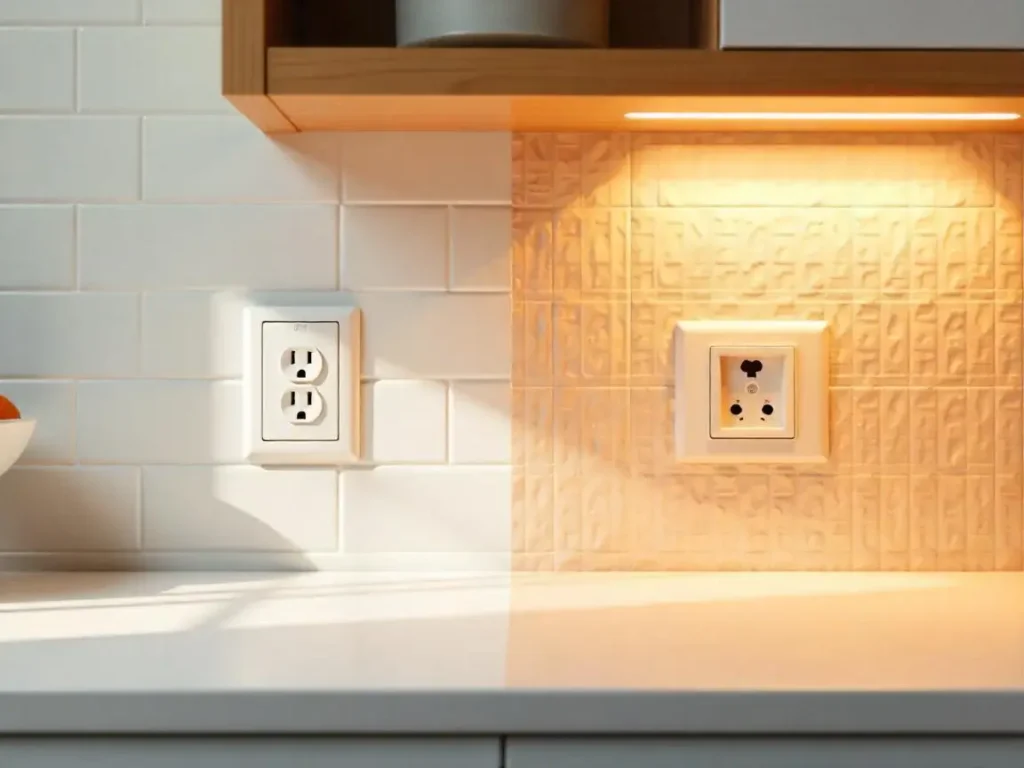
Top 10 Backsplash Ideas For Fantasy Brown Granite Countertops Home Fantasy Brown Granite is a stunning natural stone known for its unique veining and earthy tones, blending soft beige, warm browns, and subtle gray undertones. This versatile countertop material adds a touch of elegance to any kitchen, making it a favorite among Lowell homeowners. However, pairing it with the right backsplash is essential to truly elevate its beauty. A well-chosen backsplash enhances the visual appeal and ties the entire kitchen design together, creating a cohesive and polished look. When exploring backsplash ideas for Fantasy Brown Granite countertops, it’s important to consider both aesthetics and functionality. A backsplash protects your walls from spills and splatters while serving as a design focal point. At SF Marble & Granite, we recommend selecting materials that complement the granite’s natural patterns and offer durability, especially in Lowell sunny climate. With our expertise in stone installations, we’ll help you create a kitchen that’s as practical as it is beautiful. Top 10 Trending Backsplash Ideas for Fantasy Brown Granite Countertops 1. Classic White Subway Tiles | Timeless and Elegant White subway tiles remain a go-to choice when selecting a backsplash for Fantasy Brown Granite countertops. Their crisp, clean look provides a timeless aesthetic that enhances the warm veining of the stone. The contrast between the creamy browns and whites of the granite and the bright, neutral tone of subway tiles creates a visually appealing balance. For homeowners seeking a budget-friendly yet stylish option, subway tiles are available in glossy, matte, and textured finishes. Choosing a warm white or off-white shade can make the transition between the Fantasy Brown Granite and the backsplash feel seamless. If you want to add more depth, consider using a contrasting grout color like charcoal or taupe. 2. Natural Stone Mosaics | A Touch of Organic Beauty If you love the raw beauty of natural elements, a stone mosaic backsplash is a perfect complement to Fantasy Brown Granite countertops. Options like marble, slate, and travertine introduce organic textures that blend effortlessly with the swirling veins of the granite. Travertine, in particular, pairs well with Fantasy Brown, as it shares similar beige and taupe undertones, creating a warm and cohesive look. A tumbled finish adds rustic charm, while polished marble mosaics bring a sophisticated touch to the space. 3. Herringbone & Chevron Patterns | A Modern Twist For those looking to add dynamic movement to their kitchen, herringbone and chevron-patterned backsplashes offer a contemporary edge. These patterns, crafted from neutral gray or taupe tiles, enhance the soft veining of Fantasy Brown without overpowering the space. Whether you opt for glossy ceramic tiles or matte-finished porcelain, the pattern itself brings depth and visual interest. If you want a subtle statement, stick with soft whites and beiges. For a more defined contrast, darker grout can highlight the intricate layout of the tiles. 4. Bold Glass Tiles | A Subtle Touch of Glamour Glass tiles bring a modern and elegant shine to any kitchen, and when paired with Fantasy Brown Granite, they can create a stunning visual effect. Smoked, frosted, or tinted glass tiles in shades like aquamarine, soft blush, or champagne add just the right amount of sophistication. The reflective quality of glass tiles enhances natural light, making the kitchen feel brighter and more spacious. If you want to achieve a seamless transition, opt for a neutral-tinted glass that harmonizes with the natural hues of your granite countertops. 5. Dark Contrast Backsplashes | Make the Veins Pop For a bold and dramatic effect, pairing Fantasy Brown Granite with a dark backsplash is a stylish choice. Navy blue, deep charcoal, or espresso-colored tiles create a striking contrast that makes the stone’s flowing patterns stand out even more. Matte black subway tiles, glossy navy mosaics, or textured dark slate backsplashes can all enhance the depth of the granite. This combination is particularly stunning in modern and industrial-style kitchens, where bold contrasts add a high-end designer look. 6. Rustic Brick or Cement Tiles | Farmhouse Charm If you love the warm, inviting feel of farmhouse or industrial kitchens, a rustic brick or cement tile backsplash is an excellent match for Fantasy Brown Granite. The natural imperfections and textures of these materials add character while maintaining a cozy and welcoming vibe. Brick backsplashes, whether exposed or whitewashed, create a beautiful contrast with the granite’s flowing patterns. Cement tiles with iron-spot textures provide a handcrafted feel, perfect for adding personality to your kitchen space. 7. Arabesque & Geometric Shapes | Intricate and Eye-Catching For homeowners who appreciate artistic details, an arabesque or geometric-patterned backsplash can elevate the design of their kitchen. The soft curves and unique shapes of arabesque tiles blend beautifully with the natural waves in Fantasy Brown Granite, creating a cohesive, elegant feel. Alternatively, hexagonal or diamond-shaped tiles in soft taupes and beiges add a modern touch while maintaining a neutral color palette. These patterns work exceptionally well in transitional kitchens where a mix of classic and contemporary elements is desired. 8. Granite Continuation | A Seamless Look One of the most luxurious backsplash ideas is to extend the Fantasy Brown Granite itself onto the wall. This “full-height” granite backsplash offers a seamless look that enhances the beauty of the natural stone without any interruptions. By using the same material on both the countertops and backsplash, the movement and veining in the granite become the focal point of the kitchen. This option is ideal for minimalist and high-end kitchen designs that emphasize natural beauty over complex patterns. 9. Metallic Accents | Modern Opulence For those who love a touch of glamour, metallic-accented backsplashes can add just the right amount of shine to a kitchen. Bronze, gold, or silver-flecked tiles provide a luxurious contrast against Fantasy Brown Granite, elevating the entire space. Consider metallic glass mosaics or tiles with a subtle shimmer to create a sophisticated effect. This backsplash choice works particularly well in contemporary and transitional kitchens where rich details enhance the overall aesthetic. 10. Eco-Friendly Recycled Glass

Top 10 Backsplash Ideas For Fantasy Brown Granite Countertops Read More »

How to Install Tile Backsplash: Advanced Techniques for 2025

How to Install Tile Backsplash: Advanced Techniques for 2025

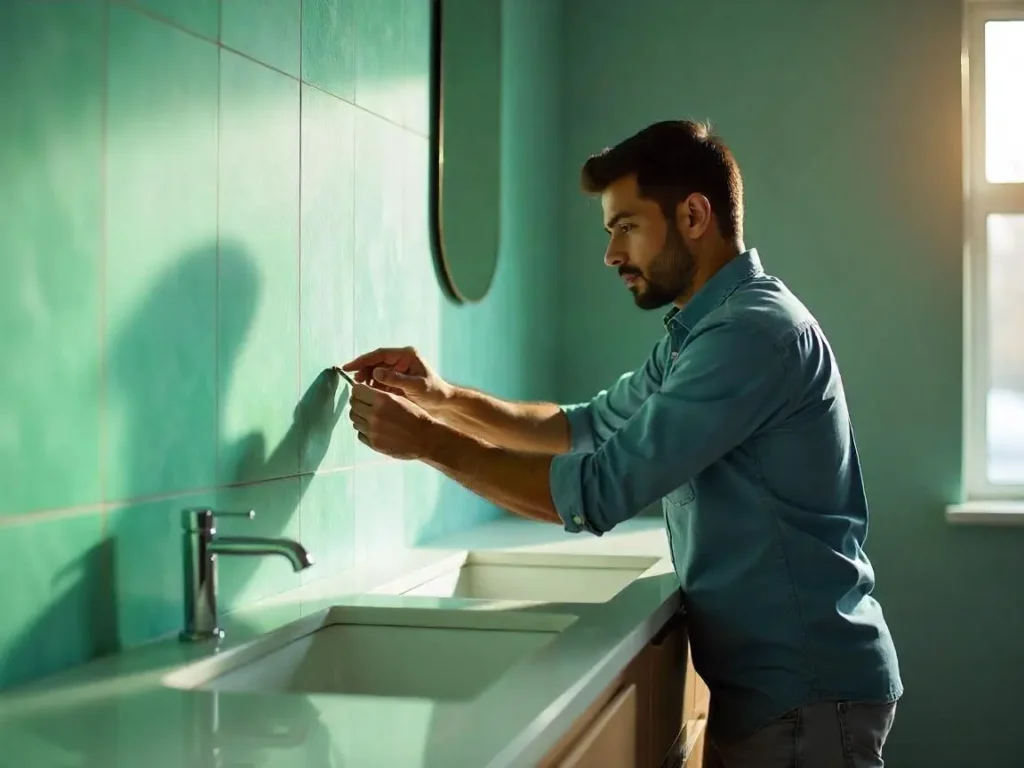
How to Install Tile Backsplash: Advanced Techniques for 2025 Home A stunning kitchen doesn’t just happen it’s designed with thoughtful details, and a tile backsplash can instantly elevate the space. Whether you’re updating your kitchen for style or protection, learning how to install tile backsplash yourself can save money while giving your home a high-end look. With the right tools and a bit of patience, this project can be completed in just a weekend. The best part? You don’t need to be a professional to get flawless results. By following a step-by-step approach, you can achieve a polished, magazine-worthy backsplash that enhances your kitchen’s aesthetic. From selecting the right tiles to proper installation techniques, this guide will walk you through everything you need to know to complete the job like a pro. Why Install a Tile Backsplash? A tile backsplash is more than just a stylish upgrade it’s a smart investment. It adds instant value to your home, offering a quick return by making your kitchen or bathroom look modern and well-maintained. Whether you plan to sell or stay, a well-executed backsplash installation enhances both function and appeal. Beyond aesthetics, a backsplash protects your walls from stains, moisture, and everyday splatters. Plus, with endless design options, you can customize your space to match your style. If you’re wondering how to install tile backsplash, the process is simpler than you think. With the right tools and technique, applying backsplash tile can be a rewarding DIY project that transforms your space in just a weekend. Tools & Materials Checklist for Kitchen Backsplash Installation Having the right tools and materials makes tiling walls in the kitchen easier and ensures a professional-looking finish. Below is a helpful table outlining the essentials and upgrades for a smooth kitchen backsplash installation. Tools for Backsplash Installation Category Essential Tools Pro Upgrades Application Notched trowel (for even adhesive spread) Laser level (for precision alignment) Cutting Tile cutter (manual) Wet saw (for faster, cleaner cuts) Spacing & Grouting Tile spacers (for uniform gaps), grout float (for smooth grout application) Tile leveling system (for flawless alignment) Materials for Installing a Tile Backsplash Material Options Best For Tile Types Ceramic, subway, glass, mosaic Different styles & durability needs Adhesive vs. Mortar Adhesive (easier for DIYers), mortar (stronger hold) Fireclay tiles often require mortar Grout Choices Pre-mixed (easy for beginners), sanded (for larger gaps) Smooth, long-lasting finish With the right tools and materials, how to install tile backsplash becomes a simple, rewarding project. Investing in quality supplies ensures a sleek, durable finish that enhances your kitchen’s style and functionality. Pre-Installation Prep: Avoid Costly Mistakes Proper preparation is key to a flawless backsplash. Before you start tiling a kitchen backsplash, follow these essential steps to ensure accuracy and a professional finish. Measure Like a Pro Calculate Tile Quantity – Measure the backsplash area (height × width) and add 10% extra for cuts and breakage. This prevents last-minute shortages. Use a Template for Precision – Apply painter’s tape on the wall to outline the tile layout before installation. This simple trick helps visualize spacing and avoid surprises. Surface Preparation Clean the Walls – Use a degreaser to remove grease and dust, ensuring the adhesive bonds properly. Fix Imperfections – Small holes can be patched with spackle, but larger issues may require a backer board for stability before you install the backsplash. Layout Planning Find the Center Point – Start in the middle for a balanced look or begin at a focal point (like behind the stove). Avoid starting at the edges unless necessary. Avoid Sliver Cuts – Plan tile placement carefully to prevent ending with thin, awkward tile pieces at the edges. Adjusting the starting point can help maintain even cuts for a seamless finish. A well-planned approach makes how to install a backsplash easier, ensuring a polished, long-lasting result. How to Install Tile Backsplash: Step-by-Step Installation Process Follow these clear steps to ensure your kitchen backsplash installation looks professional and lasts for years. Let’s break it down! Step 1: Dry Fit Tiles Before applying anything, test your layout: Plan your pattern — Arrange tiles on the counter to visualize the design. Mark problem areas — Outline where outlets and edges fall. Adjust spacing — Use tile spacers to ensure even gaps and prevent uneven lines later. Step 2: Apply Adhesive/Mortar Time to secure your tiles: Choose your adhesive — Use thin-set mortar for heavier tiles or tile adhesive for easier application. Notch correctly — Hold your notched trowel at a 45-degree angle, spreading the adhesive evenly. Work in small sections to keep it from drying out too fast. Pro tip: Apply adhesive to both the wall and the back of larger tiles for better grip. Step 3: Set Tiles Now, let’s put those tiles in place: Start from the center — Lay the first tile at your focal point, using spacers to keep even gaps. Keep it level — Double-check alignment after every few tiles. Cut around outlets — Use a tile cutter or wet saw, and create a paper template first to ensure accuracy. Step 4: Edge & Corner Solutions Finishing touches matter: Schluter strips — Great for a modern, clean look. These metal strips protect tile edges and add a sleek finish. Bullnose tiles — Ideal for a softer, classic design. These rounded-edge tiles complete the look while preventing sharp edges. Tip: Match your edging to the tile color or choose a metallic finish for added contrast. With these steps, tiling a kitchen backsplash becomes manageable even for beginners. Take your time, check your work, and watch your kitchen transform tile by tile! Grouting & Finishing Touches The final step in how to install tile backsplash is grouting and sealing. This stage ensures durability, a polished look, and long-term protection for your tiles. Grouting Like a Pro Applying grout correctly prevents cracks and staining: Wait for the right time – Allow at least 24 hours for the adhesive to set before grouting. Rushing this step can cause tiles to shift.

How to Install Tile Backsplash: Advanced Techniques for 2025 Read More »

How Much to Install a Marble Backsplash in 2025

How Much to Install a Marble Backsplash in 2025

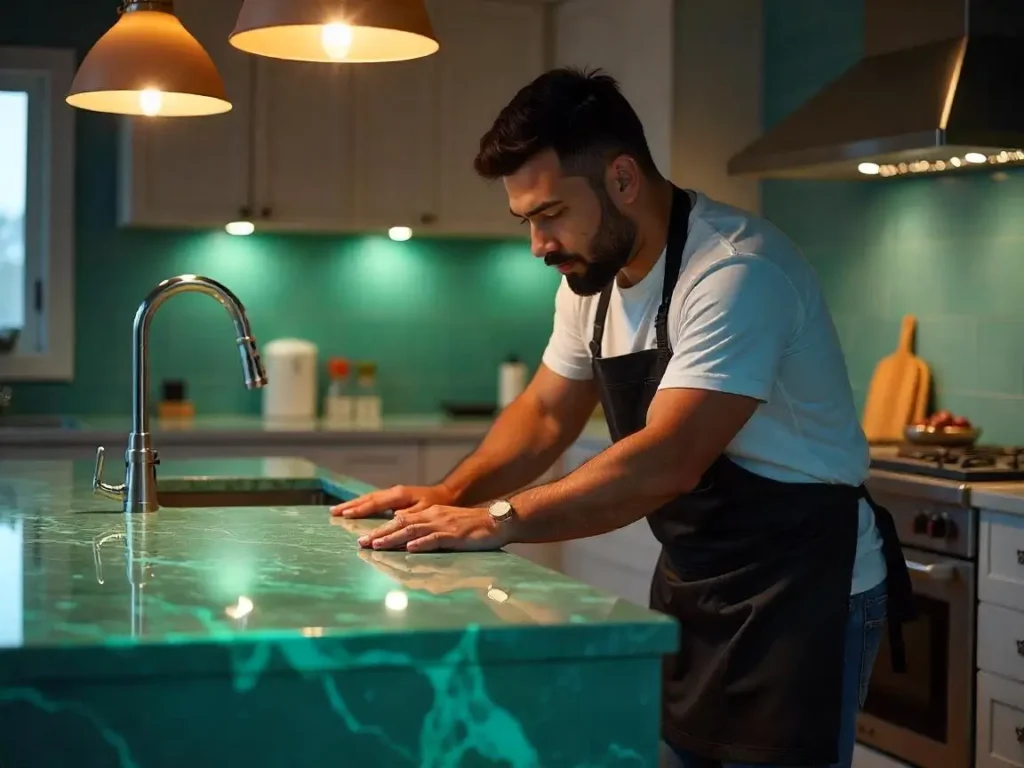
How Much to Install a Marble Backsplash in 2025 Home Marble backsplashes have become the ultimate statement of luxury in modern kitchens, and their popularity is soaring in 2025. But before you dive into this elegant upgrade, you’re probably wondering, “How much to install a marble backsplash?” The truth is, while marble adds undeniable sophistication, its cost can vary widely anywhere from 1,200 to 6,000 depending on the type of marble, design complexity, and labor involved. Beyond the price tag, marble backsplashes are more than just a pretty addition; they’re an investment. With trends like bold veining and ceiling-height slabs dominating 2025 kitchens, this timeless material can boost your home’s value by 4–7%. But is it worth the splurge? Let’s break down the costs, explore the latest trends, and uncover budget-friendly tips to help you decide. 2025 Marble Backsplash Cost Breakdown When planning your kitchen upgrade, understanding the cost of installing a marble backsplash is crucial. Whether you dream of a sleek marble tile backsplash or a dramatic Calacatta slab, prices can vary significantly based on materials, labor, and design choices. Here’s a detailed breakdown to help you budget wisely. Price Ranges National Average: For a standard 30 sq.ft. backsplash, expect to pay around $1,200. This includes both materials and professional installation. Low-End: If you’re working with a tight budget, polished Carrara marble tiles can cost as little as $600 for the same area. High-End: A Calacatta marble slab can climb up to $6,000 for those seeking luxury, especially for larger kitchens or intricate designs. Key Cost Factors Material Costs: Calacatta Marble: Known for its bold veining, this premium option ranges from 180–200 per sq.ft. Carrara Marble: A more affordable choice at 7–30 per sq.ft., perfect for a classic marble tile backsplash. Crema Luna: A mid-range option with soft veining, priced between 40–60 per sq.ft. Labor Costs: Backsplash installation costs typically range from 40–100 per hour, depending on the complexity of the design. Herringbone or mosaic patterns will push labor costs higher. Finish Options: Honed Finish: Adds 10–20 per sq.ft. but offers a matte, scratch-resistant surface. Leathered Finish: Costs 20–30 per sq.ft. and provides a textured, durable look. Visual Comparison Table Marble Type Cost Per Sq.Ft. Best Use Carrara 7–30 Budget-friendly marble tile backsplash Crema Luna 40–60 Mid-range kitchens, subtle veining Calacatta 180–200 Luxury kitchens, bold statement piece Replacing Backsplash Costs If you’re replacing an existing backsplash, factor in an additional 3–6 per sq.ft. for removal. This cost can vary depending on the material being removed and whether electrical outlets need adjustments. Top 2025 Trends Impacting Marble Backsplash Costs In 2025, marble backsplashes are not just a functional addition to your kitchen—they’re a design statement. However, the latest trends come with their price tags. Whether you’re considering a classic backsplash marble tile or a bold slab design, understanding these trends will help you plan your budget effectively. 1. Slab Backsplashes: The Ultimate Luxury Seamless, ceiling-height marble slabs are dominating kitchen designs in 2025. These oversized pieces create a sleek, uninterrupted look that’s perfect for modern and minimalist kitchens. However, this trend comes at a cost: Labor: Installing slab backsplashes requires precision and expertise, increasing labor costs by 20–30%. Material: Larger slabs mean fewer seams but higher material expenses, especially for premium marbles like Calacatta. Visual Impact: Perfect for homeowners who want a high-end, magazine-worthy kitchen. 2. Mixed Materials: A Trendy Twist Pairing marble with other materials like metal or wood is a hot trend in 2025. This combination adds texture and contrast, making your kitchen stand out. Here’s how it impacts costs: Additional Materials: Incorporating metal accents or wooden trim adds 5–15 per sq.ft. to your project. Installation Complexity: Mixed-material designs require skilled craftsmanship, which can increase tile backsplash installation costs. Design Flexibility: Ideal for those who want a unique, custom look without committing to a full marble backsplash. 3. Bold Veining: The Showstopper Marbles with dramatic veining, such as Calacatta Gold or Statuario, are in high demand this year. These statement-making stones can elevate any kitchen but come with a premium price: Cost Increase: Bold veining adds 50% or more to the price compared to basic Carrara marble. Popularity: These marbles are often imported, driving up costs due to limited supply and high demand. ROI: While expensive, bold veining can significantly boost your home’s aesthetic appeal and resale value. How These Trends Affect Your Budget When planning your price to install a backsplash, it’s essential to consider these trends: Slab Backsplashes: Ideal for luxury kitchens but require a higher budget for materials and labor. Mixed Materials: A cost-effective way to add personality without breaking the bank. Bold Veining: Perfect for creating a focal point but best suited for those with a flexible budget. Marble vs. Alternatives: Costs & Longevity When choosing a backsplash for your kitchen, marble is often the top choice for its timeless elegance. However, it’s not the only option. Understanding how marble stacks up against alternatives like quartz, granite, and porcelain can help you make an informed decision especially when considering backsplash installation cost and long-term durability. 1. Marble Backsplashes for Kitchens Cost: 7–200/sq.ft. (depending on type, e.g., Carrara vs. Calacatta). Pros: Unmatched elegance, unique veining, and a luxurious feel. Cons: Requires regular sealing, prone to staining, and higher maintenance. Best For: Homeowners who prioritize aesthetics and are willing to invest in upkeep. 2. Quartz: The Durable Contender Cost: 15–75/sq.ft. Pros: Non-porous, resistant to stains, and low maintenance. Cons: Vulnerable to heat damage (not ideal near stovetops) and lacks marble’s natural beauty. Best For: Busy kitchens where durability and ease of cleaning are top priorities. 3. Granite: The Classic Choice Cost: 5–14/sq.ft. Pros: Extremely durable, heat-resistant, and available in a variety of colors. Cons: Heavier and less elegant compared to marble. Best For: Those seeking a balance between durability and affordability. 4. Porcelain: The Budget-Friendly Option Cost: 3–6/sq.ft. Pros: Affordable, easy to clean, and available in marble-look designs. Cons: Lacks the depth and authenticity of real marble. Best For: Budget-conscious homeowners who want a marble-like

How Much to Install a Marble Backsplash in 2025 Read More »

How to remove granite backsplash

How to remove granite backsplash

How to Remove Granite Backsplash Home A granite backsplash adds elegance and durability to any kitchen or bathroom, protecting walls from splashes and stains while enhancing the overall design. Its sleek and natural appearance makes it a popular choice for homeowners looking for a timeless upgrade. However, as design trends evolve or renovation needs arise, many consider replacing their existing backsplash with a fresh, modern alternative. Knowing how to remove granite backsplash properly is crucial to preventing unnecessary damage to the walls and surrounding surfaces. Whether you’re updating your kitchen, repairing damage, or switching to a different material, careful removal ensures a smooth transition. Without the right approach, you risk cracked drywall, stubborn adhesive residue, or even broken granite pieces that could complicate the process. What Is a Granite Backsplash? A granite backsplash is a protective slab installed on the wall behind sinks, stoves, or countertops to shield against water, grease, and stains. Made from natural stone, it seamlessly extends the beauty of your countertops while adding durability and elegance to your kitchen or bathroom. Homeowners often choose granite as backsplash because of its luxurious look and ability to complement various design styles, from modern to traditional. One of the biggest advantages of a granite backsplash is its resilience against heat, moisture, and everyday wear. Unlike tile backsplashes with grout lines that trap dirt, granite offers a smooth, low-maintenance surface that is easy to clean. It comes in various styles, from full-height slabs that create a bold statement to smaller, 4-inch backsplashes for a subtle touch. Additionally, you can choose from different edge profiles like beveled, bullnose, or ogee to enhance the design and achieve a custom look. How to Choose the Right Backsplash? Choosing the right backsplash is essential for achieving a cohesive and stylish kitchen design. Factors like style, color, material, and budget play a crucial role in making the best choice. A granite backsplash in kitchen settings creates a seamless, high-end look, but it’s important to ensure it complements your countertops and cabinetry. Lighter granite tones pair well with dark cabinets for contrast, while darker granites add depth to a bright, airy kitchen. Your backsplash should not only enhance aesthetics but also offer durability and easy maintenance. While a granite backsplash is a top choice for elegance and strength, there are other materials to consider. Quartz backsplashes provide a uniform look with minimal maintenance, while marble offers a luxurious, veined appearance. If you prefer a textured design, tile backsplashes offer endless patterns and colors, and glass adds a modern, reflective touch. Each option has its pros and cons, but selecting a material that balances beauty, functionality, and longevity ensures the perfect fit for your space. How to Remove a Granite Backsplash Removing a granite backsplash in kitchen spaces requires careful planning and the right approach to avoid damage to your walls. Whether you’re upgrading your kitchen design or replacing damaged stone, following a step-by-step process ensures a smooth removal. Since granite is a heavy and durable material, improper handling can lead to cracked drywall, stubborn adhesive residue, or even personal injury. By using the correct tools and techniques, you can make the granite backsplash removal process easier and safer. Tools and Materials Needed Before starting, gather the following tools to ensure an efficient removal process: Utility knife – To cut through caulk and adhesive Pry bar – To carefully lift the backsplash off the wall Putty knife – For loosening edges and removing residual adhesive Hammer – To tap and ease the backsplash away from the wall Safety gloves – To protect your hands from sharp edges Safety goggles – To shield your eyes from debris Drop cloth or plastic sheeting – To cover countertops and floors Painter’s tape – To secure protective coverings Dust mask – To avoid inhaling dust or small debris Having these tools on hand will make the granite backsplash removal process safer and more efficient. Step-by-Step Guide to Removing a Granite Backsplash Preparation Before removing a granite backsplash, it’s essential to prepare the workspace: Turn off power – If there are electrical outlets or switches near the backsplash, switch off the power to avoid hazards. Protect surrounding areas – Cover countertops, floors, and appliances with plastic sheeting or drop cloths to prevent damage from falling debris. Wear protective gear – Safety gloves, goggles, and a dust mask will help protect you from sharp edges and dust particles. Inspect the backsplash – Check how the granite is attached to the wall whether with adhesive, screws, or brackets to determine the best removal method. Loosening the Edges Once the area is ready, the next step is to loosen the granite backsplash from the wall: Use a utility knife to cut through the caulk or adhesive along the edges where the backsplash meets the wall and countertop. Insert a putty knife or pry bar behind the backsplash, starting at one end or corner. Gently wiggle the tool to loosen the granite without applying excessive force, which can crack the drywall. Work along the edges to separate the backsplash gradually rather than pulling it off in one motion. Prying Off the Backsplash Once the edges are loose, it’s time to remove the granite backsplash in kitchen spaces carefully: Position the pry bar behind the loosened backsplash and apply steady, even pressure. Work in small sections, gently pulling the granite away from the wall to prevent it from snapping or causing drywall damage. If the backsplash is heavily glued, use a hammer to tap the pry bar lightly, increasing leverage. Continue this process until the entire granite backsplash is detached from the wall. Removing Residual Adhesive After removing the backsplash, leftover adhesive or caulk may remain on the wall: Use a putty knife or scraper to carefully remove excess adhesive without gouging the drywall. If the adhesive is particularly stubborn, use a heat gun or hairdryer to soften it before scraping. Lightly sand the surface to smooth out any remaining residue, ensuring a clean wall for

How to remove granite backsplash Read More »

Calacatta Gold Quartz

Calacatta Gold Quartz | The Detailed Guide for 2025

Calacatta Gold Quartz | The Detailed Guide for 2025 Home Calacatta Gold Quartz is a premium engineered stone known for its elegant white background and striking gold veining. At SF Marble & Granite, we recognize its growing popularity among homeowners and designers who seek the luxurious look of marble without the high maintenance. This guide will provide an in-depth look, covering its unique properties, cost, applications, pros and cons, and essential maintenance tips. Whether you’re considering it for your kitchen countertops, bathroom vanities, or accent walls, this guide will help you make an informed decision. What is Calacatta Quartz? Calacatta Gold Quartz is an engineered stone designed to replicate the luxurious appearance of natural Calacatta marble. Known for its crisp white background and striking gold and gray veining, this quartz variety adds a sophisticated touch to any space. At SF Marble and Granite, we recommend to homeowners who want the beauty of marble without the high maintenance. Unlike natural stone, quartz surfaces are non-porous, making them resistant to stains, scratches, and moisture ideal for kitchens, bathrooms, and high-traffic areas. How Calacatta Gold Quartz Compares to Natural Marble While Calacatta Gold mimics the elegance of marble, it offers superior durability and ease of maintenance. Natural marble, including Calacatta varieties, is porous and requires regular sealing to prevent staining. In contrast, quartz is engineered with resins that make it non-porous, eliminating the need for sealing and reducing upkeep. Additionally, quartz is more resistant to chips and cracks, making it a practical choice for busy households. At SF Marble and Granite, we often recommend Calacatta Gold Quartz for those who love the marble look but want a hassle-free alternative. Key Characteristics and Benefits of Calacatta Gold Quartz Stunning Aesthetic: Features a bright white base with bold gold and gray veining, enhancing any modern or classic interior. Durability: Resistant to scratches, stains, and heat, making it ideal for daily use. Low Maintenance: Unlike natural marble, does not require sealing and is easy to clean. Versatile Applications: Perfect for kitchen countertops, bathroom vanities, waterfall islands, and accent walls. Non-Porous Surface: Prevents bacteria buildup, making it a hygienic choice for food preparation areas. With its combination of luxury and practicality, Calacatta Gold Quartz is a top choice for homeowners and designers looking for a timeless yet functional surface. At SF Marble and Granite, we offer premium-quality quartz surfaces customized to elevate your living space. What Color is Calacatta Gold Quartz? White background paired with elegant gold and gray veining. This unique combination gives it a timeless and luxurious appeal, making it a favorite among homeowners and designers. The soft golden hues add warmth to the classic white surface, creating a striking yet balanced look that complements various interior styles. Whether you’re aiming for a modern, traditional, or transitional design, Calacatta Gold Quartz provides the perfect blend of elegance and durability. How Calacatta Gold Quartz Differs from Other Quartz Varieties While many quartz varieties replicate the look of natural stone, Calacatta Gold Quartz Countertop stands out due to its rich veining and warm undertones. Unlike standard white quartz options, which may have minimal veining or a more uniform appearance.Compared to other Calacatta quartz varieties, this version is distinguished by its golden veining, while others may lean more toward gray or neutral tones. The unique mix of white, gold, and soft gray ensures that every slab has a natural and high-end appeal. Enhancing Kitchen and Bathroom Designs with Calacatta Gold Quartz Countertop enhances any kitchen or bathroom by adding depth and character to the space. In kitchens, it works beautifully with white, gray, or deep-colored cabinetry, creating a refined and inviting atmosphere. For those who prefer a dramatic effect, pairing it with navy, black, or forest green cabinets can make the veining pop. In bathrooms, this quartz is ideal for vanities, shower walls, and accent pieces, providing a spa-like feel while remaining highly functional. At SF Marble and Granite, we specialize in high-quality countertops installation, ensuring surface is expertly fitted for a flawless finish. Whether you’re redesigning a kitchen, upgrading a bathroom, or adding a statement island, this quartz variety brings a touch of luxury that lasts for years. Calacatta Gold Quartz Properties Luxurious appearance but also for its exceptional durability and functionality. Designed to withstand daily wear and tear, this quartz variety is an excellent choice for kitchens, bathrooms, and high-traffic areas. Unlike natural stone, it requires minimal upkeep while providing long-lasting beauty and strength. Durability and Strength Highly Durable: Gold quartz countertops are engineered to resist cracks, chips, and other damage, making them perfect for busy households. Long-Lasting Surface: Unlike natural marble, which is softer and more prone to etching, Calacatta Gold Countertop maintains its structure and aesthetic appeal for years. Ideal for High-Use Areas: Whether in a kitchen, bathroom, or commercial space, this quartz is built to endure daily use without losing its elegance. Resistance to Stains, Scratches, and Heat Scratch-Resistant: The strong composition of prevents surface scratches, making it ideal for meal prep areas and high-contact surfaces. Stain-Resistant: Being non-porous, this quartz does not absorb liquids, ensuring that spills from coffee, wine, or oils do not leave permanent stains. Heat-Resistant: While quartz can withstand moderate heat, it is recommended to use trivets or heat pads to prevent thermal shock and prolong its lifespan. Non-Porous Nature and Hygiene Benefits Bacteria-Resistant Surface: Unlike natural stone, which requires sealing to prevent bacterial growth, gold quartz countertops are non-porous, keeping your kitchen and bathroom surfaces hygienic. Easy to Clean: A simple wipe with mild soap and water is enough to maintain its pristine look, reducing the need for harsh chemical cleaners. Low Maintenance: Unlike natural materials that may require frequent granite repair, quartz remains low-maintenance and hassle-free. At SF Marble and Granite, we offer premium Calacatta Gold Countertop options with expert installation services. Whether you’re looking to upgrade your kitchen or bathroom, our team ensures that your quartz surfaces are both functional and visually stunning. How Much is Calacatta Gold Quartz? One of the most important factors

Calacatta Gold Quartz | The Detailed Guide for 2025 Read More »

How Do You Clean Quartz Countertops Like a Pro

How Do You Clean Quartz Countertops Like a Pro? Expert Tips Revealed

How Do You Clean Quartz Countertops Like a Pro? Expert Tips Revealed Home How do you clean quartz countertops without compromising their natural beauty and durability? Quartz countertops have become a favorite choice for homeowners due to their stunning appearance, non-porous surface, and low maintenance requirements. However, even these resilient surfaces require proper care to retain their polished look and resist damage from daily wear and tear. The right cleaning routine ensures your quartz countertops remain the focal point of your kitchen or bathroom. Keeping your quartz countertops clean isn’t just about aesthetics it’s about preserving their functionality and long-term value. Improper cleaning methods or neglect can lead to dullness, scratches, or stubborn stains that can be difficult to remove.  In this guide, we’ll walk you through essential cleaning techniques, how to tackle tough stains, and expert maintenance tips to keep your quartz countertops looking pristine for years to come. Why Cleaning Quartz Countertops Is Important Keeping your quartz countertops clean is more than just a routine task; it’s essential for preserving their beauty and functionality. Over time, dirt, grime, and spills can accumulate on the surface, creating a dull appearance and diminishing their visual appeal.  Even though quartz is known for its durability, neglecting regular cleaning can result in stubborn stains and residue buildup, making your countertops look worn and unattractive. Using improper cleaning methods or harsh chemicals can damage the quartz finish, leaving scratches or causing discoloration. This not only shortens the lifespan of your countertops but also reduces the value they add to your home. Regular and proper cleaning, however, helps maintain their polished shine and ensures they remain the centerpiece of your space.  To learn how professional services can assist in maintaining your kitchen’s aesthetic, explore Countertops Installation Services in Lowell for expert care and installation options. By investing time in cleaning and maintenance, you’ll keep your quartz countertops looking as flawless as the day they were installed. How Do You Clean Quartz Countertops? Step-by-Step Process Cleaning quartz countertops doesn’t have to be complicated, but following the right steps is crucial to maintaining their stunning look. Here’s a step-by-step guide to ensure your countertops remain spotless and damage-free. Step 1: Gather the Right Cleaning Supplies Start by assembling the essentials: a mild dish detergent, a soft microfiber cloth, and a non-abrasive sponge. Avoid using harsh chemicals or scouring pads, as they can scratch or damage the surface. Step 2: Wipe Down the Surface Before deep cleaning, remove any crumbs or loose debris using a soft cloth or sponge. This prevents scratching the surface when you start cleaning. Step 3: Clean with a Damp Cloth and a pH-Balanced Cleaner Dampen your cloth with warm water and a small amount of pH-balanced cleaner or mild dish soap. Gently wipe the entire surface, focusing on areas with spills or smudges. Quartz countertops are non-porous, so most stains will come off easily with this method. Step 4: Rinse and Dry to Avoid Water Spots After cleaning, rinse the countertop with a damp cloth to remove any soap residue. Finally, use a dry microfiber cloth to wipe the surface and prevent water spots, leaving your quartz countertops shiny and streak-free. Daily and Weekly Cleaning Tips For daily cleaning, wipe down your countertops after meals or food prep to avoid buildup. Weekly, do a more thorough cleaning to ensure no residue or grime accumulates. For expert quartz countertop services, including installation and repairs in Lowell, visit SF Marble & Granite. They specialize in high-quality countertop solutions to keep your kitchen and bathroom surfaces in pristine condition. Read More: How to Care for Granite Countertops How to Remove Stains From Quartz Countertops Removing stains from quartz countertops requires the right approach to ensure the surface remains undamaged while restoring its pristine appearance. Quartz is known for its stain-resistant properties, but certain substances like coffee, wine, or oil can leave marks if not addressed promptly. Here’s a step-by-step guide to safely tackle those tough stains and keep your countertops looking flawless. Step 1: Use a Non-Abrasive Cleaner for Mild Stains For everyday stains like water spots or light smudges, a non-abrasive cleaner and a soft microfiber cloth will usually do the trick. Spray the cleaner directly onto the stain, let it sit for a minute, and then gently wipe it away. This method is perfect for quick cleanups without risking surface damage. Step 2: Apply Baking Soda Paste for Tough Spots For more stubborn stains, like dried wine or grease, mix baking soda with a small amount of water to create a paste. Apply the paste to the stain and let it sit for 5-10 minutes. Gently scrub the area with a soft cloth in a circular motion, then wipe it clean with a damp cloth. This natural method effectively breaks down tough residues without harming the quartz finish. Step 3: Avoid Harsh Chemicals or Abrasive Pads Never use bleach, vinegar, or acidic cleaners, as they can weaken the surface and dull the finish. Similarly, avoid abrasive scrubbing pads, which can leave scratches. Always stick to gentle, quartz-safe products for cleaning. Precautions for Preventing Future Stains To minimize the risk of staining, wipe up spills immediately, especially those from dark liquids like coffee or red wine. Use coasters, trivets, or cutting boards to protect your countertops from spills and scratches. By following these steps, you can safely remove stains and keep your countertops spotless. With proper care, quartz will maintain its elegance and durability for years to come. Read More: How to Remove Stain from Granite Stone Dos and Don’ts of Cleaning Quartz Countertops When it comes to maintaining the elegance and durability of your quartz countertops, knowing the dos and don’ts of cleaning is essential. Following proper care practices not only keeps your countertops looking pristine but also ensures their long-term functionality. So, how do you clean quartz countertops without causing damage? Let’s dive into the key guidelines you need to follow. Dos of Cleaning Quartz Countertops Use Soft Microfiber Cloths or

How Do You Clean Quartz Countertops Like a Pro? Expert Tips Revealed Read More »

Top 10 Most Popular Granite Colors of 2024

Top 10 Most Popular Granite Colors of 2025

Top 10 Most Popular Granite Colors of 2025 Home Granite Colors have long been celebrated for their unmatched beauty and versatility in kitchen and bathroom design. As a natural stone, granite offers a unique blend of patterns and shades, ranging from soft, neutral tones to bold, striking hues. Each slab tells its own story, making it a distinctive choice for homeowners seeking elegance and durability. Granite’s vast color spectrum not only enhances the aesthetic appeal of a space but also adds a touch of timeless sophistication that never goes out of style. When designing your dream kitchen or bathroom, the right granite colors can make all the difference. They help set the mood, create visual harmony, and complement other design elements like cabinets and flooring. Beyond their aesthetic charm, granite countertops are known for their incredible resilience against heat, scratches, and stains, making them both practical and luxurious. With so many options to choose from, granite remains a top contender for those looking to elevate their home’s interior. Top-3 Trends in Granite Kitchen Countertop Design 2025 Neutral Tones and Subtle Veining Neutral granite colors, such as white, gray and beige are top kitchen design trends in 2025. Their clean and modern appearance make them appealing for minimalist or contemporary spaces, while subtle veining patterns offer elegance without overwhelming the design. This allows the design styles in the kitchen to compliment the neutral stone without competing with it. Paired with bold cabinetry or earthy tones such as soft red hues for maximum effect – neutral granite adds sophistication and refinement when placed prominently on an island! For homeowners searching for granite near me, these timeless options offer both style and practicality. Bold Patterns and Striking Colors Statement and daring granite patterns with bold colors are certain ways to make their kitchen show-stopping, from black granite with gold or white veining and chic patterns, to statement pieces like black granite with gold veining and white veining, a designer. Daring patterns look best in contemporary kitchens where statement pieces such as bold countertops or islands can make a rigorous visual and fashion statement. These brave patterns look beautiful paired with more austere cabinet designs and modern lighting creating an engaging kitchen design that also impresses their guests. Natural and Earthy Hues 2025 represents a burst of natural and earthy tones such as green and brown granite as sustainable and nature-centered designs go mainstream. These tones evoke a relaxing environment while connecting us to nature, making them the perfect way to form warm and inviting spaces. These earthy tones work well with wood cabinetry and organic material, and when you incorporate countertops with earthy tones, you create a strong focal point in your kitchens (especially in central islands) that pull together the nature-inspired interior design into the overall space. 10 Popular Granite Colors This 2025 Season Granite continues to be one of the most popular materials for countertops because of its beautiful colors and patterns and its remarkable resilience. A renovation is on the horizon in 2025? These trending granite colors in 2025 are sure to give something interesting and different to every space – choose a light color with a background feel, or go with a dark hue and dramatic look, all while adding beauty and depth. 1. Absolute Black Granite Absolute Black Granite is a classic option praised for its dark, uniform color. It is a striking option that will offer a modern, sleek touch to your kitchen or bathroom. In a minimalist design, dark colors show nicely against lighter colored cabinetry.  Origin: India Price: $50–$70 per square foot 2. White Ice Granite White Ice Granite showcases an eye-catching mix of white and gray shades with a light sprinkle of black, resulting in a refined color combination. The lighter tone naturally brightens a space, especially beneficial in smaller kitchens. Origin: Brazil Price: $60–$80 per square foot 3. Blue Pearl Granite Blue Pearl Granite is a colorful and fun option that stands out with its sparkling blue and silver tones. This blue granite can look great with dark cabinetry to create a beautiful kitchen look. Origin: Norway Price: $70–$100 per square foot 4. Alaska White Granite Alaska White Granite combines soft white and gray tones with delicate black veins, creating a sophisticated and adaptable color palette. Its neutral tone creates a balanced fit with both modern and traditional décor. Origin: Brazil Price: $60–$90 per square foot 5. Bianco Antico Granite Bianco Antico Granite is a beautiful option that features a blend of white, grey, taupe and subtle pink hues. The complex colors and patterns provide warmth and sophistication to any countertop surface. Origin: Brazil Price: $70–$100 per square foot 6. Verde Butterfly Granite Verde Butterfly Granite features deep green shades, sprinkled with gold, black, and white flecks, and would be ideal for earth-toned or nature-based designs and would provide character and depth to any kitchen or bathroom. Origin: Brazil Price: $40–$60 per square foot 7. Santa Cecilia Granite Santa Cecilia Granite is a classic option. This is a warm beige granite with black and burgundy specks. The light color granite provides a friendly and intimate feeling for kitchens and bathrooms. Origin: Brazil Price: $50–$70 per square foot 8. Colonial Gold Granite Colonial Gold Granite features creamy white and gold hues alongside soft gray veining. This granite is a great choice for any homeowner wanting to bring a bit of luxury to their kitchen or bathroom. Origin: India Price: $60–$90 per square foot 9. Tan Brown Granite Tan Brown Granite showcases a striking array of black, brown, and deep red hues, making it an ideal candidate for spaces that fully embrace darker colors. Its bold presence works well in both modern and rustic designs. Origin: India Price: $40–$60 per square foot 10. Steel Grey Granite Steel Grey Granite offers a subtle and modern look with its smooth blend of gray tones. Its understated elegance makes it perfect for contemporary kitchens with a focus on white and gray elements. Origin: India Price: $50–$70 per

Top 10 Most Popular Granite Colors of 2025 Read More »

Top 12 Backsplash Ideas for White Cabinets and Granite Countertops

Top 12 Backsplash Ideas for White Cabinets and Granite Countertops

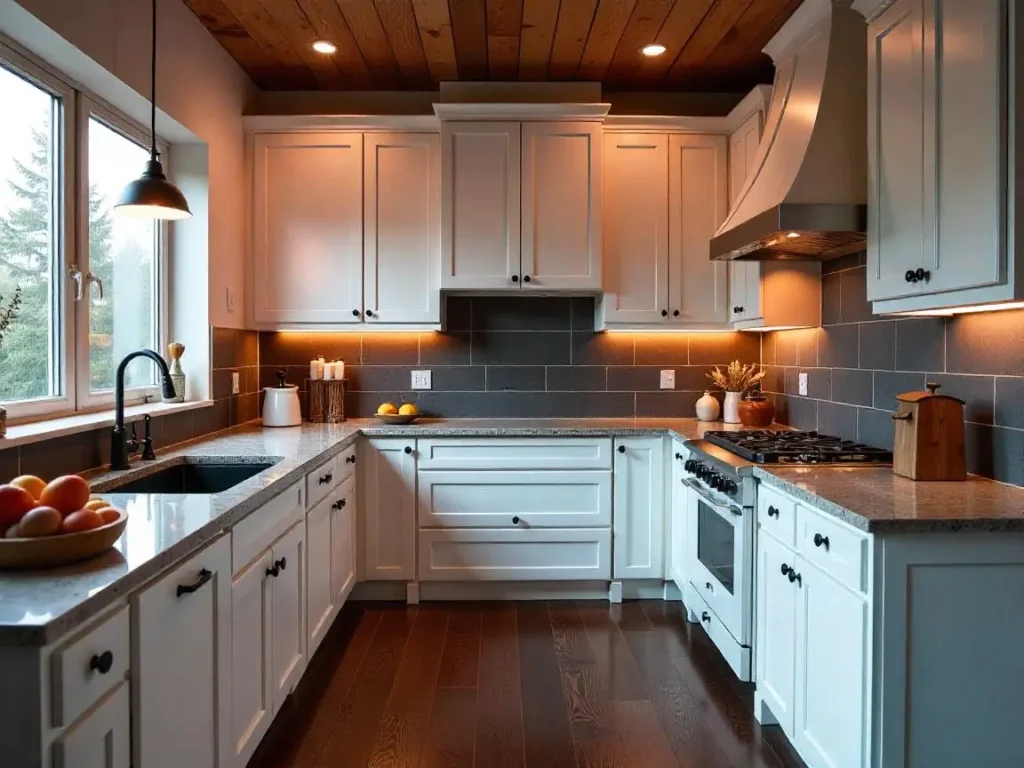
Top 12 Backsplash Ideas for White Cabinets and Granite Countertops Home Backsplash ideas for white cabinets and granite countertops can transform your kitchen into a stunning space with both beauty and functionality. The right backsplash not only protects your walls but also acts as a stylish focal point, enhancing the elegance of your cabinets and countertops. It’s an essential element that ties the entire kitchen design together while reflecting your personal taste. From classic patterns to modern finishes, the options for backsplash installation are virtually limitless. By exploring various materials, colors, and textures, you can find the perfect design to elevate your kitchen’s aesthetics. Start your remodeling journey today and bring your culinary space to life with a backsplash that blends style and practicality seamlessly! 1. Herringbone Marble Tile Backsplash A herringbone marble tile backsplash is the epitome of timeless elegance. Its intricate pattern adds depth and texture, making it a standout feature in kitchens with white cabinets and granite countertops. The soft veining of marble tiles perfectly complements the natural beauty of granite, creating a seamless blend of sophistication and charm. The herringbone pattern formed by placing rectangular tiles in a zigzag arrangement not only adds a dynamic visual element but also enhances the overall aesthetic appeal. This design works particularly well in kitchens aiming for a luxurious yet modern vibe. Whether your granite countertops feature bold veining or a more subtle pattern, the herringbone marble backsplash creates a harmonious balance. Another advantage of this backsplash is its versatility. You can opt for classic white marble for a cohesive look or choose marble with gray or gold accents to introduce a hint of contrast. Pairing it with under-cabinet lighting further highlights the texture and elegance of the tiles, making your kitchen feel brighter and more inviting. Beyond its beauty, a herringbone marble backsplash is also durable and relatively easy to maintain when properly sealed. Regular cleaning with a pH-neutral cleaner ensures the tiles retain their luster for years. This backsplash design is ideal for homeowners seeking a timeless yet eye-catching addition to their kitchen. Transform your cooking space into a masterpiece by choosing a herringbone marble tile backsplash. It’s a design that never goes out of style and enhances the beauty of your white cabinets and granite countertops. 2. Polished Marble Backsplash A polished marble backsplash is a sophisticated choice that instantly elevates the aesthetics of any kitchen. The glossy finish of polished marble reflects light beautifully, making your space appear brighter and more spacious a perfect complement to the clean, crisp look of white cabinets and the rich tones of granite countertops. Polished marble is renowned for its smooth surface and luxurious shine. It comes in various shades and patterns, from classic Carrara to striking Calacatta or Statuario. This versatility allows you to choose a design that best aligns with your granite countertops, ensuring a cohesive and stylish look. The reflective quality of the polished surface enhances the natural veining in the marble, creating a stunning focal point for your kitchen. Incorporating a polished marble backsplash into your kitchen is one of the top backsplash ideas for white cabinets and granite countertops because it blends timeless beauty with modern functionality. The sleek surface is not only visually appealing but also easier to clean compared to matte or textured finishes. A quick wipe with a soft cloth can keep it looking pristine, making it ideal for busy kitchens. To achieve a well-balanced look, consider matching the backsplash with subtle elements in your granite countertops, such as gray or beige veining. This creates a harmonious design while maintaining the elegance of your kitchen. Additionally, polished marble pairs well with both traditional and contemporary kitchen styles, making it a versatile option for homeowners. Opting for a polished marble backsplash is a surefire way to add sophistication and value to your kitchen while perfectly complementing the combination of white cabinets and granite countertops. 3. White Modern Marble Backsplash A white modern marble backsplash is an excellent choice for homeowners looking to achieve a sleek, contemporary kitchen design. Its minimalist aesthetic adds a touch of elegance to the space while maintaining a clean and uncluttered look. Paired with white cabinets and granite countertops, it creates a cohesive and harmonious environment that feels both inviting and luxurious. This backsplash option stands out due to its simplicity. The all-white surface enhances the brightness of your kitchen, making it appear more spacious and airy. Unlike busier patterns, the modern design focuses on subtlety, allowing the natural beauty of your granite countertops to take center stage. This balance ensures that the overall kitchen design feels well-thought-out and visually appealing. The versatility of a white modern marble backsplash makes it one of the most popular backsplash ideas for white cabinets and granite countertops. Whether your countertops feature intricate veining or a solid, neutral tone, the smooth and understated design of the backsplash will complement them perfectly. Additionally, the simplicity of this backsplash pairs well with modern fixtures and stainless-steel appliances, adding a touch of sophistication to your kitchen. Maintenance is also a breeze with a white modern marble backsplash. When properly sealed, it resists stains and is easy to clean with a soft cloth and mild cleaner. Its durability ensures it remains a beautiful and functional feature of your kitchen for years to come. For a stylish and timeless look that enhances the elegance of your kitchen, a white modern marble backsplash is a choice you’ll never regret. It effortlessly brings together the elements of white cabinets and granite countertops, creating a stunning focal point for your space. 4. Multicolored Tile A multicolored tile backsplash is a bold and vibrant choice that adds personality and character to your kitchen. By incorporating a mix of colors and patterns, this backsplash design creates a striking contrast that complements the simplicity of white cabinets and the natural tones of granite countertops. It’s an excellent way to infuse energy into your kitchen while maintaining a balanced and cohesive look. One of

Top 12 Backsplash Ideas for White Cabinets and Granite Countertops Read More »

How to Remove Stain from Granite Stone in Simple Steps

How to Remove Stain from Granite Stone Safely and Effectively

How to Remove Stain from Granite Stone Safely and Effectively Home How to Remove Stain from Granite Stone is a common concern for homeowners who want to preserve the beauty and durability of their countertops or flooring. Granite, known for its elegance and resilience, can lose its charm when marred by unsightly stains. Whether it’s from spilled wine, water rings, or greasy cooking oils, these marks can detract from the natural beauty of the stone. Proper care and timely stain removal are essential to maintaining granite’s pristine appearance and longevity. Granite stains come in many forms, each presenting its unique challenges. From oil-based blemishes to stubborn food or wine stains, knowing the right method for each type is crucial. This guide focuses on effective DIY solutions for removing stains without damaging your granite and offers insights on when it’s time to seek professional help. With the right approach, you can restore your granite’s natural luster and keep it looking flawless for years to come. Understanding Granite Stone Stains Granite is a durable and elegant natural stone, but it’s not entirely immune to damage or discoloration. To address these issues effectively, it’s important to distinguish between etches and stains. Etches are surface-level marks caused by acidic substances like vinegar or citrus, which dull the stone’s finish. Stains, on the other hand, are discolorations that seep into the porous surface of granite, resulting from oil, food, water, or wine. Understanding this difference is the first step toward proper maintenance and stain removal. If you’re unsure what caused the stain, identifying it can save you time and effort. Water stains often appear as light spots or rings, while oil stains tend to darken the stone. Organic stains from food or wine can leave colored blotches. A simple way to test is by dabbing the stain with a clean cloth dipped in water or rubbing alcohol; if the stain changes, it provides clues about its origin. Armed with this knowledge, you can choose the best solution for how to remove stain from granite stone, ensuring effective treatment without causing further damage. How to Remove Oil Stains from Granite Stone Oil stains can be particularly tricky to handle as they seep into the porous surface of granite, leaving unsightly dark spots. However, with the right approach, you can restore your granite’s pristine look. Here’s a step-by-step guide: Clean the Surface: Start by wiping the area with a soft cloth and warm, soapy water to remove surface-level grease. Use a mild dish soap and ensure you don’t scrub too hard to avoid scratching the granite. Rinse thoroughly and pat dry with a clean towel. Prepare a Baking Soda Poultice: To draw out the oil, mix baking soda with water to form a thick paste. Spread the poultice generously over the stained area, covering it completely. For deeper stains, you can add a few drops of dish soap to the mixture for extra grease-fighting power. Cover and Wait: Place plastic wrap over the poultice and secure the edges with tape to prevent drying too quickly. Let it sit for 24-48 hours, allowing the baking soda to absorb the oil. Once dry, gently scrape off the paste with a plastic spatula and wipe the area clean with warm water. By following these steps, you can effectively tackle oil stains and keep your granite looking flawless. Remember, consistency in care is essential when learning how to remove stain from granite stone. Proper maintenance, starting from the granite installation process, ensures your surfaces remain beautiful for years to come, so always clean up spills promptly to prevent future stains. How to Remove Food Stains from Granite Stone Food stains are a common issue for granite surfaces, often caused by spills from coffee, sauces, or greasy foods. While these stains can be stubborn, using the right cleaning techniques can restore your granite’s natural beauty. Here’s how to remove food stains effectively: Start with a pH-Neutral Stone Cleaner: Spray the stained area with a pH-neutral stone cleaner, which is specifically designed for granite and won’t harm its surface. Gently scrub the area with a soft cloth or sponge in circular motions to lift the stain. Avoid harsh chemicals or acidic cleaners, as they can damage the stone’s seal. Tackle Grease and Residues: For greasy stains, mix a few drops of mild dish soap with warm water. Apply the soapy solution to the stain and let it sit for 5-10 minutes. Then, wipe it clean with a damp cloth. This method works well for oil-based food residues like butter or cooking oils. Remove Deep Stains Like Coffee: For stubborn stains such as coffee or wine, create a paste with baking soda and water. Apply it to the stained area and cover it with plastic wrap, securing the edges. Allow it to sit for 24 hours, then wipe it off with a damp cloth. Repeat the process if needed for deeper discoloration. By following these steps, you can handle most food stains and keep your granite looking polished and elegant. Whether it’s a fresh spill or an old mark, knowing how to remove stain from granite stone ensures your countertops remain a stunning focal point in your home. How to Remove Water Stains from Granite Stone Water stains on granite are often caused by hard water deposits that leave unsightly white spots or rings on the surface. These marks can dull the shine of your granite, but with proper cleaning techniques, they can be removed effectively. Here’s how to tackle water stains step by step: Identify the Stain and Wipe the Area: Begin by identifying the affected area and wiping it with a soft, damp cloth to remove any loose dirt or debris. This ensures you’re working directly on the water stain and not on surface dust. Buff with a Microfiber Cloth: Using a dry microfiber cloth, gently buff the water stain in a circular motion. For light water spots, this technique may be enough to lift the deposit without additional cleaners. The

How to Remove Stain from Granite Stone Safely and Effectively Read More »

Marble vs Granite | Key differences for your home design

Marble vs Granite | Which Stone Reigns Supreme in Your Home?

Marble vs Granite | Which Stone Reigns Supreme in Your Home? Home Marble vs Granite a timeless debate when it comes to selecting the perfect natural stone for your home. These two materials stand as the epitome of beauty and durability, often seen in kitchens, bathrooms, and other luxurious spaces. Marble, with its elegant veining and soft texture, exudes classic sophistication, while granite’s rugged patterns and exceptional strength make it a favorite for high-traffic areas. Both stones have unique characteristics that can elevate any space with unmatched charm and functionality. Choosing between marble and granite isn’t always straightforward, as each offers distinct advantages tailored to different lifestyles and design goals. This article dives into the details, comparing their origins, aesthetics, durability, and practicality. Whether you’re designing a modern kitchen or a lavish bathroom, understanding the key differences will help you make an informed decision and bring your vision to life. What is Marble? Marble is a natural stone admired for its timeless beauty and luxurious appeal. It is formed deep within the Earth when limestone is subjected to intense heat and pressure, a process known as metamorphism. This transformation creates a dense, crystalline structure that gives marble its durability and unique, veined appearance. Its origins date back thousands of years, making it a symbol of sophistication in architecture, art, and interior design across cultures. The stone is primarily composed of calcium carbonate, which contributes to its smooth texture and soft, elegant look. Marble is cherished for its unique veining patterns, which result from mineral impurities like iron oxide or graphite present during its formation. This one-of-a-kind appearance makes it a popular choice for high-end countertops, elegant flooring, bathroom walls, and intricate decorative elements. Whether enhancing the grandeur of a modern kitchen or adorning a luxurious spa-like bathroom, marble is synonymous with class and timeless design. What is Granite? Granite is a remarkable natural stone formed deep within the Earth’s crust as molten magma slowly cools and solidifies over millions of years. This intricate process results in a dense, durable material that has become one of the most sought-after choices for both interior and exterior design. Known for its strength and resilience, granite effortlessly combines functionality with timeless beauty, making it a favorite in homes and commercial spaces alike. Granite is composed of a unique blend of minerals, primarily quartz, feldspar, and mica, which give it its signature speckled and granular texture. Available in a wide variety of colors, ranging from subtle earth tones to bold, dramatic hues, granite easily complements diverse design styles. Its ability to withstand heavy wear and tear makes it ideal for kitchen countertops, flooring, and even outdoor applications like patios and pathways. With its natural charm and unmatched durability, granite is a perfect blend of practicality and aesthetic appeal. Origin of Granite and Marble Origin of Marble Marble is predominantly found in regions rich in natural limestone deposits, where the transformation into marble occurs under intense heat and pressure. Some of the most famous marble quarries are located in Italy, particularly Carrara, known for producing the iconic Carrara marble, prized for its soft white tones and delicate veining. Other notable sources include Greece, Turkey, and India, each offering unique variations in color and pattern. Throughout history, marble has played a significant role in art and architecture, symbolizing elegance and grandeur. Masterpieces like Michelangelo’s sculptures and world-renowned structures such as the Taj Mahal highlight the timeless appeal of this natural stone. Its association with cultural heritage and luxury continues to make it a top choice for design enthusiasts worldwide. Origin of Granite Unlike marble, granite is formed from cooled magma beneath the Earth’s surface, giving it a tougher and more durable composition. This versatile stone is sourced globally, with major deposits found in Brazil, India, and the United States. Each region produces granite with distinct colors and patterns, ranging from bold blacks and blues to warm earthy tones, making it an adaptable option for various design styles. Granite’s widespread availability and impressive durability have made it a cornerstone in modern construction. From kitchen countertops to outdoor applications, its ability to withstand wear and weather has solidified its reputation as a practical and stylish material. When comparing marble vs granite, granite often stands out for its rugged strength and low-maintenance qualities, making it ideal for both residential and commercial use. Top 5 Key Differences: Marble vs Granite When deciding between marble vs granite, understanding their key differences is essential. These two natural stones are both stunning options but cater to different needs based on their characteristics. Here are the top five distinctions to help you choose the perfect material for your home. 1. Durability Granite is renowned for its exceptional durability, being one of the hardest natural stones available. It resists scratches, heat, and general wear, making it ideal for busy kitchens and outdoor applications. On the other hand, marble is softer and more prone to scratches and etching, especially when exposed to acidic substances like lemon juice or vinegar. When comparing marble vs granite, granite wins in terms of longevity and resilience. 2. Appearance The visual appeal of marble and granite is vastly different. Marble is celebrated for its soft veining and timeless elegance, offering a refined and luxurious look that suits classic and contemporary designs alike. Granite, however, features a bold, speckled appearance with a wide range of colors and patterns. Its granular texture creates a statement, adding character and personality to any space. If you’re after a more dramatic and varied aesthetic, granite may be the better choice in the marble vs granite debate. 3. Maintenance Maintenance is a critical factor when comparing marble vs granite. Marble’s porous nature requires frequent sealing to prevent stains and damage, as it is more susceptible to spills and moisture. Granite, in contrast, is much easier to maintain due to its resistance to stains and lower porosity. A simple sealant application every few years is typically enough to keep granite looking pristine, making it a more practical option

Marble vs Granite | Which Stone Reigns Supreme in Your Home? Read More »

Scroll to Top